Cross-Border Day Trips from Ohrid to Albania

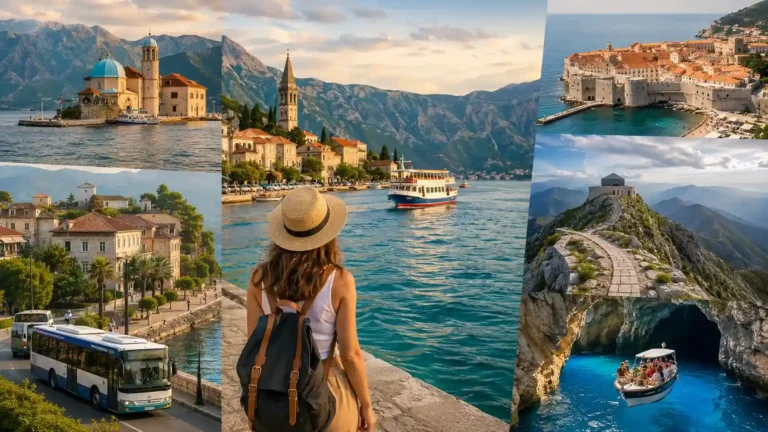
Are you standing on the enchanting shores of Ohrid, wondering what lies beyond the towering mountains on the other side of the lake? That’s Albania, a rich and mysterious destination promising a uniquely different experience. Cross-Border Day Trips from Ohrid to Albania are more than just a geographical journey; they are a voyage through time and cultures. Within a short drive, you can trade the serene, historical atmosphere of Ohrid for the quieter Albanian side of Lake Ohrid, with its lakeside towns, villages, springs, and local food culture. This guide invites you to explore the hidden treasures on the other side of the lake—from ancient fishing villages and rare archaeological sites to unforgettable cuisine—making it an essential chapter of your Balkan adventure.
Quick Answer: Can You Visit Albania from Ohrid in One Day?
Yes, a cross-border day trip from Ohrid to Albania is possible, especially if you focus on the Albanian side of Lake Ohrid rather than trying to reach faraway cities. The most realistic route is Ohrid – border crossing – Lin – Pogradec – Drilon or Tushemisht – return to Ohrid.
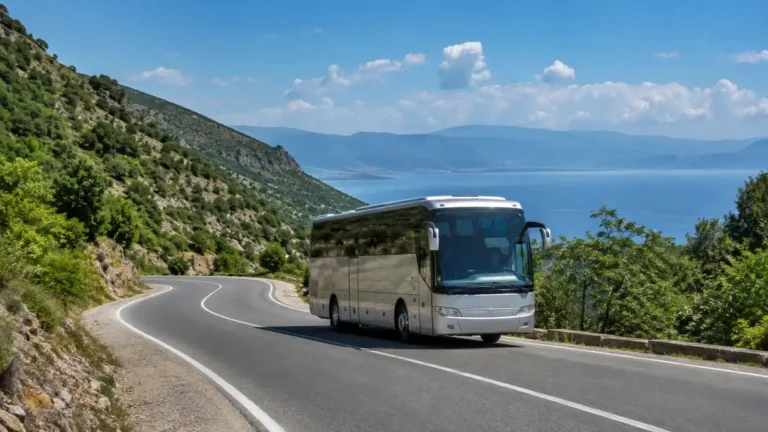
This trip works best by rental car with cross-border permission, private driver, or organized tour. Public transport can be limited and less flexible, so it is not the easiest option for travelers who want to visit several stops in one day.
For most visitors, Pogradec, Lin, and Drilon are enough for a rewarding first-time Albania day trip from Ohrid.
Border Crossing Checklist Before You Go
- Carry your passport, even if the trip feels short.
- Check whether your nationality needs a visa for Albania before traveling.
- Make sure your passport is valid for your return journey.
- If driving a rental car, confirm that the company allows cross-border travel to Albania.
- Ask about green card insurance, written permission, and any extra border documents.
- Carry some Albanian Lek or euros in cash for small purchases.
Table of Contents
Exploring the Albanian Shoreline: Key Destinations
Once you have crossed the border, a string of captivating destinations awaits along the Albanian shores of Lake Ohrid. Each location offers a unique flavor and a different perspective on the region’s rich tapestry of history and nature. The main road follows parts of the lakeshore, making navigation simple and ensuring that stunning lake views are a constant feature of your journey.
Pogradec: The Main Albanian Town on Lake Ohrid
Your first major stop will likely be the town of Pogradec, the largest urban center on the Albanian side of the lake. While it may not possess the ancient charm of Ohrid town, Pogradec offers a lively and authentic Albanian experience. The town has undergone significant revitalization, boasting a long, bustling promenade perfect for a leisurely stroll. Lined with cafes, restaurants, and hotels, the lakeside boulevard is the social hub of the town, where locals and visitors alike gather to enjoy the fresh air and magnificent scenery.
Pogradec provides a fascinating window into modern Albanian life. You can observe the daily rhythms of the town, from fishermen mending their nets to families enjoying an evening walk. The beaches here are popular with locals, offering a refreshing escape during the warmer months. Don’t miss the chance to sample the local cuisine; Pogradec is renowned for its fresh fish, particularly the endemic Ohrid trout, known locally as “Koran.” Enjoying a meal at a lakeside restaurant, with the sun setting over the water, is an essential part of the Pogradec experience.
Lin: A Journey Back in Time
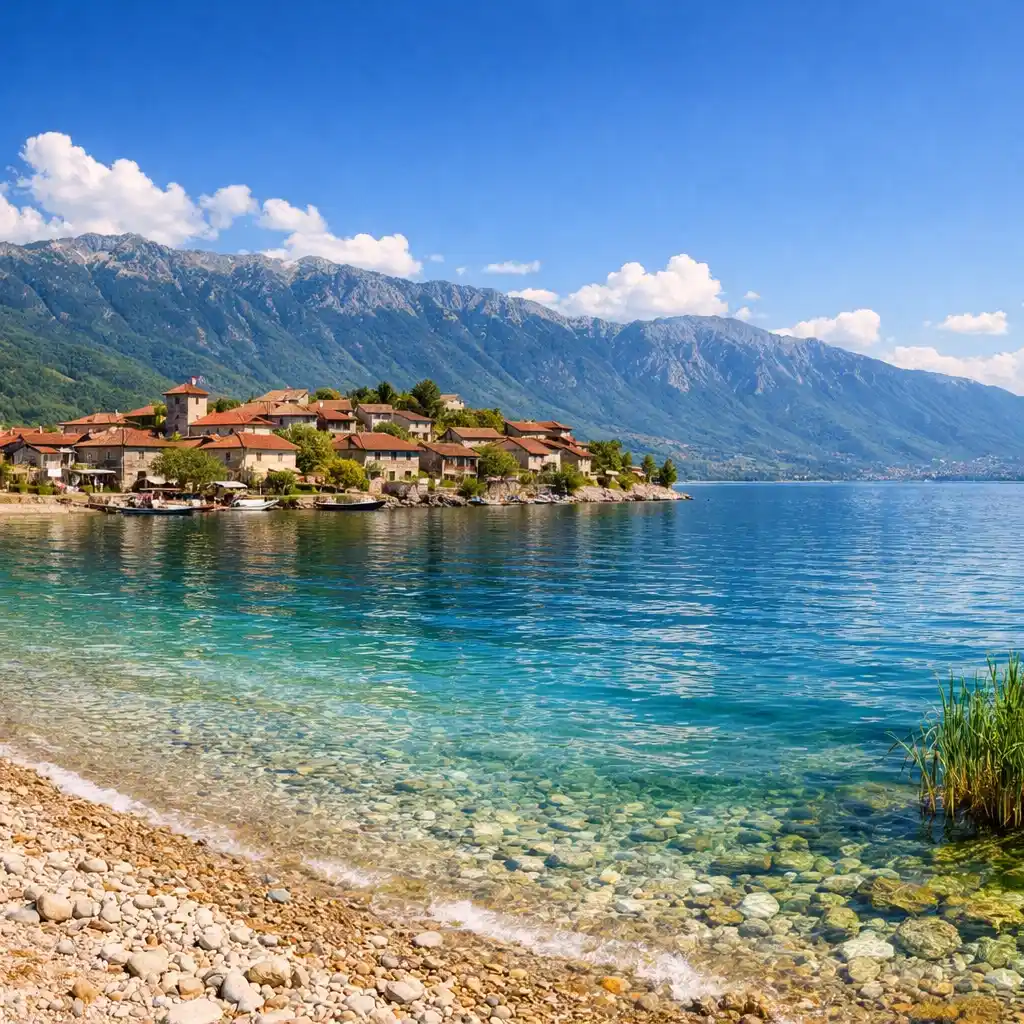
Just a short drive north of Pogradec lies the enchanting village of Lin. Perched on a small peninsula that juts out into the lake, Lin is a world away from the hustle and bustle of the nearby town. This ancient fishing village is a maze of narrow, cobblestone streets and traditional stone houses with terracotta roofs. The sense of history here is palpable, and a walk through the village feels like stepping back in time.
Lin’s most significant historical treasure is the remains of an early Christian basilica dating back to the 6th century. Located on the hilltop overlooking the village, the site features remarkably well-preserved floor mosaics with intricate geometric and animal motifs. The climb to the basilica is rewarded not only with a glimpse into the region’s Byzantine past but also with breathtaking panoramic views of the entire lake and the surrounding mountains. The serene atmosphere and stunning vistas make Lin a highlight of any cross-border trip and a paradise for photographers.
Tushemisht and Drilon: A Natural Oasis
Continuing south from Pogradec, you will find the idyllic twin villages of Tushemisht and Drilon. This area is famous for its exceptional natural beauty and has been a beloved resort area for generations. Drilon National Park is a verdant oasis where crystal-clear springs bubble up from the ground and flow through a series of canals and ponds before joining the main body of Lake Ohrid.
The park is a haven for wildlife, particularly a large population of graceful swans that glide through the waterways. You can rent a small rowboat to explore the canals, offering a unique and peaceful perspective of the lush landscape. The village of Tushemisht, adjacent to the park, is known for its charming houses and its connection to Albanian cinema, having served as the setting for several classic films. A statue commemorating a famous movie couple stands as a tribute to this cultural heritage. The combination of pristine nature, tranquil waterways, and cultural significance makes Tushemisht and Drilon a truly magical destination.
A Culinary and Cultural Immersion
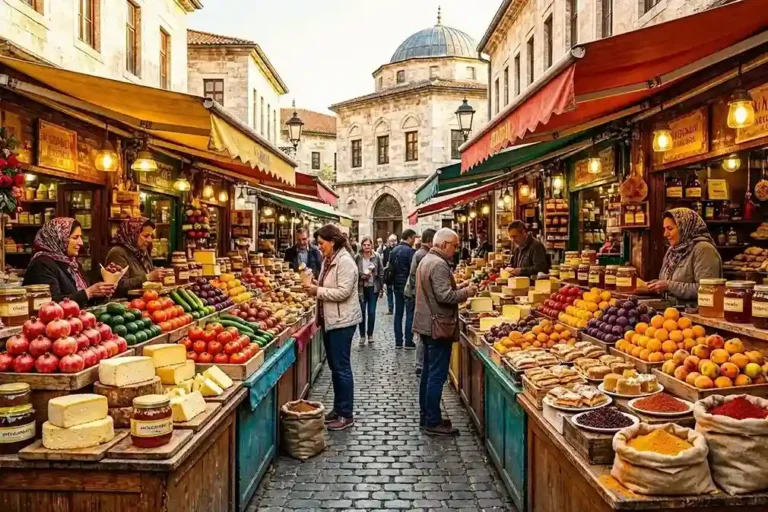
A day trip to Albania is as much about the cultural and culinary experiences as it is about the sights. The Albanian side of Lake Ohrid offers a distinct gastronomic journey, shaped by a unique blend of Mediterranean and Balkan influences. Venturing into the towns and villages provides an opportunity to savor authentic flavors and observe a culture that is both deeply traditional and rapidly modernizing. This immersion into the local way of life is what transforms a simple excursion into an enriching and unforgettable adventure.
Savoring the Flavors of the Lake
Albanian cuisine is hearty, fresh, and incredibly flavorful. The region around Lake Ohrid is particularly celebrated for its culinary traditions, which make ample use of locally sourced ingredients. No visit is complete without indulging in the local gastronomy.
- The Legendary Koran: The undisputed king of the local cuisine is the Ohrid trout, or Koran. This rare and delicious fish, found only in Lake Ohrid and its tributaries, is a true delicacy. Albanian chefs have perfected its preparation, often grilling it with garlic and olive oil or baking it in a traditional clay pot. Enjoying a freshly caught Koran at a lakeside restaurant in Pogradec or Tushemisht is a quintessential Albanian experience.
- Byrek and Traditional Pastries: A staple throughout the Balkans, byrek is a savory pastry made with thin, flaky dough and filled with a variety of ingredients. Common fillings include cheese (gjizë), spinach, minced meat, or leeks. It’s a perfect snack or light meal, available at bakeries and cafes everywhere. It offers an authentic taste of Albanian home cooking.
- Hearty National Dishes: For a more substantial meal, look for tavë kosi, a beloved national dish. It consists of tender lamb baked in a rich and tangy yogurt sauce. Another popular choice is fergesë, a flavorful stew made with peppers, tomatoes, onions, and cottage cheese, often served with meat. These dishes provide a comforting and delicious insight into the country’s culinary soul.
- Raki and Coffee Culture: Social life in Albania often revolves around its vibrant cafe culture. Taking a break for a strong espresso or a Turkish-style coffee is a daily ritual. For something stronger, try the local raki. This potent fruit brandy, typically made from grapes, plums, or mulberries, is a symbol of hospitality and is often offered to guests as a welcoming gesture.
Echoes of a Communist Past: The Bunkers
One of the most unique and striking features of the Albanian landscape is the proliferation of concrete bunkers. Between the 1960s and 1980s, the paranoid communist regime of Enver Hoxha oversaw the construction of over 173,000 of these military fortifications across the country. They were intended to defend against a foreign invasion that never came. Today, these mushroom-shaped structures are a poignant and ubiquitous reminder of Albania’s isolated past.
As you travel along the lake, you will inevitably spot these bunkers dotting the hillsides, beaches, and even town centers. They serve as a stark contrast to the natural beauty of the surroundings. In recent years, creative Albanians have begun to repurpose these relics of a bygone era. Some have been transformed into quirky cafes, small art galleries, or even hotel rooms. They stand as a testament to the resilience and forward-looking spirit of the Albanian people, who are finding innovative ways to reclaim their history. Exploring these bunkers offers a tangible connection to a unique and complex period of European history.
Crafting the Perfect One-Day Itinerary
To make the most of your cross-border day trip from Ohrid to Albania, a well-planned itinerary is key. While the beauty of independent travel lies in spontaneity, having a rough guide ensures you can experience the diverse highlights the Albanian shoreline has to offer without feeling rushed. The route along the lake is straightforward, allowing for a logical progression from one point of interest to the next. This sample itinerary balances historical exploration, natural beauty, and cultural immersion for a truly comprehensive day out.
A Suggested Itinerary for a Full-Day Trip
- Morning (9:00 AM – 12:00 PM): Border Crossing and the Ancient Charm of Lin
- Start your day early to avoid potential queues at the Kjafasan-Qafë Thanë border crossing. The drive from Ohrid to the border is scenic and takes roughly 30-40 minutes.
- After completing the formalities, your first destination should be the historic village of Lin. The morning light is perfect for exploring its quiet, cobblestone alleys.
- Make the rewarding climb up to the ruins of the 6th-century Paleo-Christian basilica. Spend time admiring the intricate floor mosaics and soak in the unparalleled panoramic views of Lake Ohrid before the crowds arrive. This tranquil morning experience sets a magical tone for the rest of the day.
- Midday (12:00 PM – 3:00 PM): Lunch and Life in Pogradec
- From Lin, take the short and picturesque drive south to the bustling town of Pogradec. By now, the town will be alive with activity.
- Take a leisurely walk along the main promenade, observing local life and enjoying the vibrant atmosphere.
- This is the ideal time for lunch. Choose one of the many lakeside restaurants and seize the opportunity to sample the famous Koran trout. A relaxing meal with a view of the water is a highlight of any trip to the region.
- Afternoon (3:00 PM – 5:00 PM): The Natural Serenity of Drilon and Tushemisht
- After lunch, continue your journey south to the serene Drilon National Park. This lush oasis provides a perfect contrast to the energy of Pogradec.
- Rent a small boat to paddle through the idyllic canals, watching the elegant swans that call this park home. The gentle flow of the spring water and the verdant surroundings create a deeply peaceful atmosphere.
- Wander through the adjacent village of Tushemisht, appreciating its traditional houses and the famous statue commemorating its cinematic heritage.
- Late Afternoon (5:00 PM onwards): The Return Journey
- As the afternoon winds down, you can begin your journey back towards North Macedonia. The drive back offers a different perspective as the evening light plays on the lake and mountains.
- You may choose to stop for one last Albanian coffee in Pogradec or simply enjoy the scenic drive back to Ohrid, filled with memories of a day spent in another world.
Best Ohrid to Albania Day Trip Routes Compared
| Route | Best For | Difficulty | Recommendation |
|---|---|---|---|
| Ohrid – Lin – Pogradec – Drilon | First-time visitors | Moderate | Best balanced route for one full day. |
| Ohrid – Pogradec – Tushemisht | Relaxed travelers | Easy | Good if you want lunch, lake views, and a simple schedule. |
| Ohrid – Lin only | Photography and history | Easy to moderate | Useful if you have limited time or want a slower trip. |
| Ohrid – Korçë | Ambitious travelers | Hard | Better as an overnight extension, not a relaxed day trip. |
Beyond the Itinerary: Photography and Spontaneous Stops
While the main destinations are undoubtedly captivating, the true magic of a road trip around Lake Ohrid lies in the journey itself. The road that winds along the Albanian coast offers countless opportunities for spontaneous stops and breathtaking photography. The landscape is a dramatic tapestry of rugged cliffs plunging into turquoise waters, hidden coves with pristine pebble beaches, and terraced hillsides dotted with small, unassuming villages.
Be prepared to pull over frequently. You might discover a secluded beach accessible only by a small footpath, a local farmer selling fresh figs by the roadside, or a viewpoint that reveals an entirely new and stunning vista of the lake. These unplanned moments are often the most memorable. The visual contrast between the developed tourist areas and the raw, untouched natural beauty is striking. For photographers, the ever-changing light, the clarity of the water, and the dramatic backdrop of the Galičica mountains provide an endless source of inspiration. This journey is not just about the destinations, but about the rich visual and sensory experience of the drive itself.
Enhancing Your Albanian Day Trip: Practical Tips and Seasonal Considerations
To truly elevate your cross-border journey from a simple sightseeing tour to a deeply rewarding experience, it pays to consider the nuances of timing and local customs. Albania, while welcoming and accessible, possesses its own unique rhythm and cultural landscape. Understanding the best time to visit and being mindful of local etiquette will not only ensure a smoother trip but also open the door to more authentic and meaningful interactions. Furthermore, for those with a little extra time, the region offers possibilities for extending your exploration beyond the immediate lakefront.
Choosing the Ideal Season for Your Visit
The character of the Lake Ohrid region transforms dramatically with the seasons, and each period offers a distinct experience for a day tripper.
- The Vibrant Summer (June to August): This is the peak tourist season, and for good reason. The weather is consistently sunny and hot, making it perfect for swimming in the crystal-clear waters of the lake and enjoying the lively atmosphere of Pogradec’s promenade. All restaurants, cafes, and attractions are open, and the entire shoreline buzzes with energy. The downside, however, can be larger crowds, higher demand for services, and more traffic at the border crossing. If you thrive on a bustling holiday atmosphere and want to take full advantage of water-based activities, summer is your time.
- The Serene Shoulder Seasons (April-May and September-October): Many seasoned travelers consider this the absolute best time to visit. The weather is comfortably warm and pleasant, without the intense heat of mid-summer. The crowds have thinned out, leading to a more relaxed and tranquil experience. In spring, the landscape is lush and adorned with wildflowers, while autumn brings a spectacular display of fall colors to the mountainsides. Prices for tours and services may be slightly lower, and you’ll have more space to yourself at key sites like the mosaics in Lin or the springs of Drilon.
- The Quiet Winter (November to March): A winter day trip offers a completely different perspective. The region is quiet, contemplative, and imbued with a stark, peaceful beauty. You will have the historical sites almost entirely to yourself. While the weather is cold and swimming is off the table, a crisp winter walk along a deserted promenade in Pogradec, followed by a hearty meal of tavë kosi in a cozy restaurant, has its own unique charm. Be aware that some tourist-focused establishments may have limited hours or be closed during this off-season period.
Navigating Local Culture and Customs
A little cultural awareness goes a long way in enriching your interactions. Albanians are known for their profound sense of hospitality, a concept known as mikpritja.
- Communication: The official language is Albanian. In tourist hubs like Pogradec, you will find that many people, especially the younger generation, speak some English or Italian. However, learning a few basic Albanian phrases will be warmly received. A simple “Faleminderit” (Thank you), “Përshëndetje” (Hello), or “Mirëmëngjes” (Good morning) can make a wonderful impression.
- Currency and Payments: The official currency is the Albanian Lek (ALL). While Euros are often accepted in larger hotels and restaurants in tourist areas, it is highly advisable to have Leks for smaller purchases, cafes, and local markets. You can exchange a small amount of money at the border or use an ATM in Pogradec.
- Driving and Safety: If you choose to drive, be prepared for a more assertive driving style than you may be used to. Remain vigilant, drive defensively, and be aware of your surroundings. In terms of personal safety, the Lake Ohrid area in Albania is generally very safe for tourists. Standard precautions, such as keeping an eye on your belongings in crowded places, are sufficient. The warmth and helpfulness of the local people are often a highlight for visitors.
- Atmosphere and Architecture:
Ohrid’s soul is its Old Town, a protected labyrinth of cobblestone streets, Byzantine churches, and traditional houses climbing the hill towards Samuel’s Fortress. The architecture is a carefully preserved testament to centuries of history. Pogradec, in contrast, has a more modern, sprawling layout heavily influenced by its 20th-century development, including the communist era. Its strength lies not in ancient architecture but in its vibrant, lived-in feel. The long, wide promenade is the town’s beating heart, offering a candid slice of modern Albanian life that feels less curated for tourists. - Beaches and Waterfront:
The beaches immediately surrounding Ohrid town are often smaller, pebbly, and can be crowded in peak season. The real beach gems on the Macedonian side, like those near Trpejca, require a drive. Pogradec, however, is defined by its long, accessible stretch of sandy and fine-pebble beach that runs parallel to the main promenade. This makes it a popular summer spot for Albanian families and offers a more classic “beach town” experience, where the water is just steps away from the main cafes and boulevards. - Dining and Nightlife:
Ohrid’s dining scene is extensive and highly developed, with countless restaurants catering to international tastes, alongside traditional Macedonian eateries. Its nightlife is also more varied, with numerous bars and clubs operating late into the night. The dining scene in Pogradec is more focused on authentic, local cuisine, with an emphasis on fresh fish from the lake. While there are many lively cafes and bars along the promenade, the nightlife is generally more low-key and centered around family strolls and relaxed evening drinks rather than all-night parties. - Cost and Vibe:
Generally, travelers will find that prices for food, drinks, and services are noticeably more budget-friendly on the Albanian side of the lake. This can make Pogradec an attractive option for a leisurely, high-quality meal without the premium prices of a major tourist hub. The overall vibe reflects this: Ohrid is an international destination, a polished jewel. Pogradec is a national holiday spot, a place of local character and raw, unpretentious charm.
Beyond the Main Stops: Activities for the Active Traveler
While the primary historical and natural sites form the core of any day trip, the Albanian shoreline also offers a wealth of opportunities for those seeking more active pursuits. Venturing off the main path can reward you with unique perspectives and exhilarating experiences.
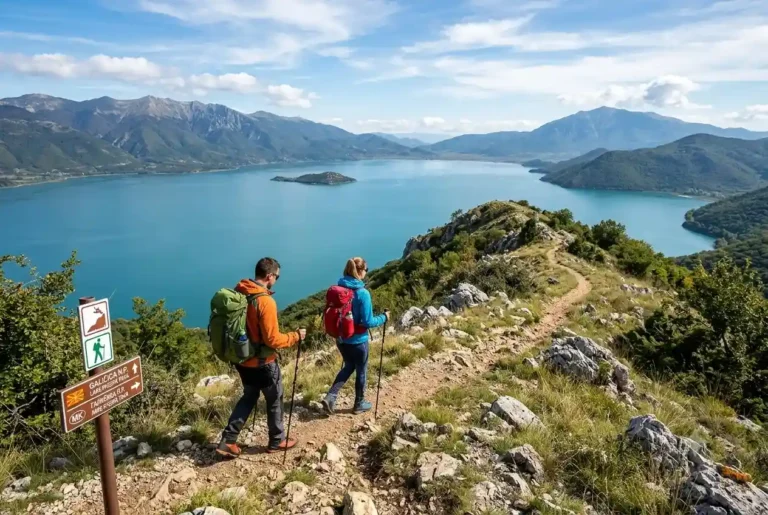
- Hiking and Exploration: The hills and mountains that rise up from the Albanian coast are laced with shepherd’s paths and informal trails. A hike into these hills offers not only a great workout but also spectacular, elevated views of the lake that are completely different from those on the Macedonian side. Exploring the hinterland behind villages like Lin or Tushemisht can lead you to discover small, isolated communities and a landscape that feels largely untouched by tourism.
- Bird Watching: Drilon National Park is a known haven for water birds, especially its famous swans. However, the entire lake is a vital ecosystem. For keen birdwatchers, the quieter reedy areas along the Albanian shore, particularly during the spring and autumn migration seasons, can be highly rewarding. Bringing a pair of binoculars can add a whole new layer to your appreciation of the region’s rich biodiversity.
- Water Sports and Swimming: The long beaches of Pogradec and the numerous smaller coves along the coast are perfect for a refreshing swim. The water is exceptionally clear and clean. For those looking for more, opportunities for kayaking or stand-up paddleboarding can be found, offering a peaceful and intimate way to experience the grandeur of the lake from a different vantage point. Paddling along the coast from one village to another provides a unique sense of discovery.
- Local Events and Festivals: Before your trip, a quick search for “events in Pogradec” or “festivals in Korçë” might reveal a happy coincidence. Throughout the year, the region hosts various cultural, culinary, and religious celebrations. From wine festivals in the autumn to local saints’ day celebrations, stumbling upon such an event provides an unparalleled, authentic insight into the local culture and community spirit, transforming your day trip into a truly unique and memorable cultural immersion.
Frequently Asked Questions (FAQ)
Do I need a visa for a day trip to Albania from North Macedonia?
For most nationalities (including EU, US, UK, Canada, Australia, etc.), a visa is not required for short tourist visits to Albania. You can typically enter with a valid passport or, for some neighboring countries, a national ID card. However, regulations can change, so it is always best to check the latest requirements with an official Albanian embassy or consulate before your trip.
What currency is used in Albania, and do they accept Euros?
The official currency is the Albanian Lek (ALL). While many larger hotels and restaurants in tourist areas like Pogradec may accept Euros, it is highly recommended to have some Albanian Lek for smaller purchases, cafes, taxis, and local markets to get better prices and avoid conversion issues. You can exchange money at the border or use an ATM in Pogradec.
Is it safe to drive and travel in the Albanian Lake Ohrid area?
Yes, the area is generally considered very safe for tourists. The main roads are in good condition. However, the driving style can be more assertive than in other parts of Europe, so it’s important to drive defensively and be aware of your surroundings. Standard travel precautions, like keeping an eye on your belongings, are sufficient.
What should I eat during an Albania day trip from Ohrid?
Try byrek, fërgesë, tavë kosi, fresh salads, local cheese, and lakeside Albanian dishes. If you want to try Koran or Ohrid trout, ask whether it is legally sourced or farmed because Lake Ohrid is an environmentally sensitive area.
Can I realistically see the main highlights in just one day?
Absolutely. The main points of interest on the Albanian side—Lin, Pogradec, and Drilon/Tushemisht—are located close to one another along the lake shore. With an early start from Ohrid, you can comfortably visit all three locations, enjoy a leisurely lunch, and be back in North Macedonia by the evening without feeling overly rushed.