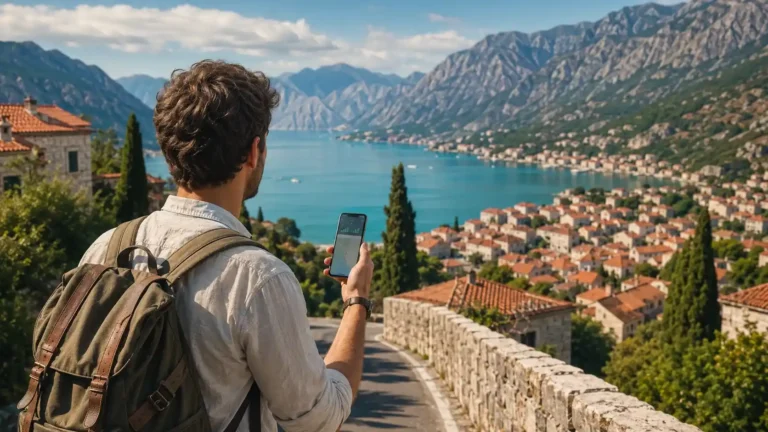
Rila Monastery Day Hikes from Sofia: Beginner Guide 2026

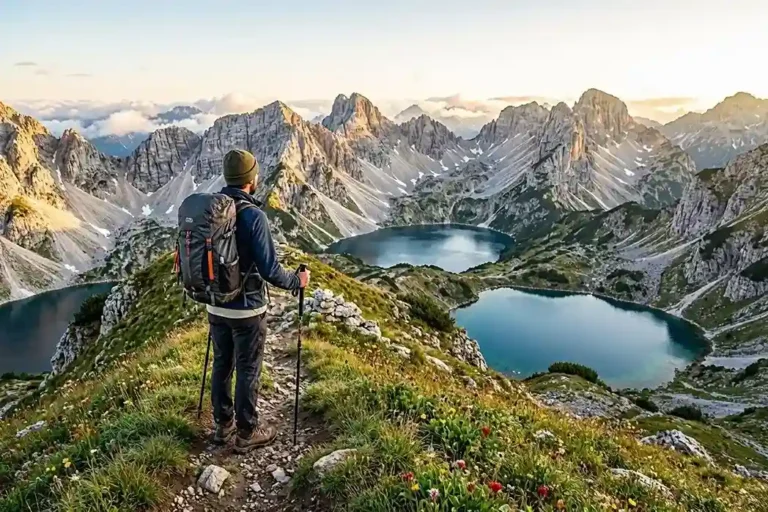
Rila Monastery day hikes from Sofia for beginners work best when you choose a short walk near the monastery, not an ambitious alpine trek. For a first hiking day, the most practical choices are the forest path to St. Ivan Rilski’s cave, a gentle outing at Kirilova Polyana, or a separate stop at the Stob Earth Pyramids. Each can fit around a visit to the UNESCO-listed monastery if transport and weather cooperate.
The main complication is not the walking. It is getting to the correct trailhead and leaving enough time to return to Sofia. The cave is up the valley from the monastery, the meadow is farther along the same road, and the Seven Rila Lakes begin from a different part of the mountains. A shuttle ticket to the monastery does not automatically provide transport to those extra starting points.
This guide focuses on realistic first-time itineraries, access with and without a car, verified museum charges, the limitations of “easy” hikes, and the things to check in 2026 before committing to a route. It does not promise that roads, mountain paths, lifts or buses operate to the same timetable every day.
Table of Contents
Rila Monastery Hiking: The Best Beginner Options at a Glance
| Walk or outing | Start point | Allow on site | How demanding? | Best choice if… |
|---|---|---|---|---|
| St. Ivan Rilski cave from upper-road parking | Marked parking area about 4 km beyond the monastery | About 45–90 minutes, allowing time for the rocky approach | Short forest climb; some steep and awkward steps | You want one meaningful short hike with religious history |
| St. Ivan Rilski cave on foot from the monastery | Monastery vicinity; follow the signed uphill route | Plan several hours including the approach and return | A longer walking day, not the short parking-lot hike | You have time and confirmed navigation |
| Kirilova Polyana meadow | Road-access meadow roughly 7 km beyond the monastery | 30–90 minutes for an easy stroll and views | Choose level ground; avoid trails continuing steeply uphill | You want scenery without a hard ascent |
| Stob Earth Pyramids | Signed trail at the village of Stob, on the approach from Sofia | About 60–90 minutes including stops | Uphill, dusty, exposed with some eroded edges | You have a car and want a second, contrasting landscape |
| Suhoto Ezero (Dry Lake) | Kirilova Polyana trailhead | Often 4–5+ hours return, depending on conditions | Moderate sustained ascent; not an easy add-on | You already hike regularly and have a full hiking day |
Timing note: These are planning allowances, not certified walking times or promises about accessible paths. The Stob route, cave approach and lake trails vary with rain, snow, footing and personal pace. Choose a plan that leaves daylight and return-transport slack.
Understand the Geography Before Choosing a Trail
Rila Monastery lies about 1150 m above sea level in a mountain valley southwest of Sofia. The complex is a UNESCO World Heritage site dating to a monastic foundation in the 10th century, although much of the architecture visitors see today reflects later rebuilding. It is an active Orthodox monastery, not a trail visitor center. See the UNESCO description of Rila Monastery for historical context.
The trails around the monastery belong to the landscape of Rila Monastery Nature Park. That protected area should not be casually described as identical to Rila National Park. The two have separate identities and visitor-management information; the Nature Park Directorate specifically lists long-distance routes leaving the monastery toward Kirilova Polyana, Dry Lake and other destinations. Its list of long routes does not mean that every one is appropriate for beginners. Read the Nature Park Directorate’s tourist page.
The Seven Rila Lakes are in the wider Rila mountain range but are usually approached by a chairlift above Panichishte, near Sapareva Banya. They are not next to the monastery parking area. Combining a lake loop and an unhurried monastery visit is a separate long-day undertaking requiring careful transport planning; it is not a route for an inexperienced hiker to improvise.
How to Get from Sofia to Rila Monastery in 2026
Driving: the most flexible option for two short walks
With a rental or private car, budget roughly 2–2.5 hours each way between central Sofia and the monastery in ordinary conditions, plus extra time for traffic, stops and mountain-road delays. The final valley approach is narrower and slower than the highway. Check the live route before departure, especially after rain, snow or roadworks. Do not assume that a 120-km drive has the same travel time as motorway driving.
The practical approach is to drive first to the monastery, decide how long to visit the church and museum, and then continue up-valley only if the road is open and you have daylight. For the cave, look for the signed short trail on the upper road rather than parking haphazardly. For Kirilova Polyana, allow additional slow driving on the narrow road; park without obstructing access for residents, emergency vehicles or forestry work.
If you are renting in Sofia, the original article’s Sofia rental-car comparison on DiscoverCars is one optional starting point. Compare excess, insurance exclusions, deposits, pickup hours, permitted roads and total cost—not just the advertised daily rate. You do not normally need a four-wheel-drive vehicle for standard paved access in good weather.
Affiliate disclosure: This guide includes one optional commercial link. If you book through it, the site may earn a commission at no extra cost to you. All other practical recommendations are independent of booking links.
Without a car: book an actual return, not just an outbound ride
The monastery’s own transport guidance says conventional public transport access is limited and suggests private transport, organized transport or travel via Blagoevgrad followed by a taxi. That is a more reliable foundation than assuming that frequent local buses from Sofia or Rila town run directly to the monastery.
A named private shuttle provider, Traventuria/Rila Monastery Bus, advertises a 09:00 Sofia departure and a 15:00 return from the monastery, with other services described for selected dates. Its posted starting fare is €15 each way; the provider stresses that tickets are one-way, so the outward and return journeys need separate bookings. These are published operator examples as checked for this guide, not a guarantee for your particular travel day. Confirm the date, exact pickup point and return seat before paying. Check the operator’s live timetable.
With an approximately six-hour round-trip driving commitment, a shuttle typically leaves limited time for museum visits and hiking. If you reach the monastery around late morning and leave around 15:00, the safest hiking option is a short walk that starts near the monastery, unless your specific tour explicitly includes transport to St. Ivan’s Cave. The short cave path from the road parking area is not walkable within the same time allowance unless the operator actually drives you up to it.
For a fuller examination of bus alternatives and booking questions, our separate Sofia to Rila Monastery by bus guide focuses on transport. This article instead concentrates on what hiking is realistic once you arrive.
Organized tours: read the itinerary for the cave stop
Some day tours combine Rila Monastery with Boyana Church; others specifically include St. Ivan’s Cave. Those are not interchangeable. For example, the Traventuria monastery tour page publishes separate monastery-and-cave options and indicates that most group itineraries have fixed departure times. Choose the cave variant only when it explicitly states where you are driven, how long you can walk and whether a guide accompanies you.
A tour that spends 60–90 minutes in the monastery is great for sightseeing but not a reliable vehicle for a three- or four-hour independent hike. If hiking is the main reason for your trip, look for a dedicated hiking activity, a private driver who can wait or an overnight stay.
Hike 1: St. Ivan Rilski Cave — the Most Practical Short Walk
The cave connected with St. Ivan (John) of Rila is the most focused beginner walk in the valley. It brings together a wooded approach, a small pilgrimage site and the story of the hermit associated with the monastery’s founding. The monastery itself documents the area’s hermitages, including St. Luke’s Hermitage on the route toward the cave and grave of St. John. See its St. Luke’s Hermitage description.
Know which starting point your directions are describing
This is the article’s most important route correction. The road toward the cave extends for roughly 4 km beyond the main monastery. From a suitable signed parking point along that road, the final wooded approach is much shorter—often described as approximately 20–30 minutes each way depending on where you start and how you handle the steep sections. The drive to the parking place is not part of the short hiking distance.
If you leave your car at the monastery and walk the entire way, you are committing to a longer out-and-back excursion. Do not read a “45-minute cave hike” itinerary and assume it begins at the monastery gates. If no parking or access is available on the upper road, reconsider the day instead of walking on a narrow road under time pressure.
What the final forest section is like
Expect tree roots, uneven stones, a climb through forest and a rocky approach near the cave itself. The exact condition of steps and surfaces can change with weather and maintenance. It is a short hike for a reasonably mobile adult, but not a level, paved family promenade. Sturdy shoes matter more than expensive trekking gear. After rain, treat damp stones and the cave area as slippery.
The cave has religious significance. Local traditions attach meaning to passing through a narrow rock opening, but the passage is optional and is not an appropriate challenge for anyone uncomfortable in confined spaces or with mobility limitations. You can appreciate the site without entering a tight gap. Do not encourage children or nervous visitors to squeeze through.
How to fit the cave into the same day as the monastery
- Visit the main courtyard and church first; give yourself at least 45–75 minutes even if you skip indoor museum exhibitions.
- Confirm your return transport and the available daylight before taking the upper road.
- Use the signed road parking/start point if access is permitted. Photograph the trail sign or note your parking position.
- Allow 45–90 minutes for the woodland outing, including a stop at the site; return early if the track is wet, icy or unclear.
- Continue to the monastery or Sofia without adding a second steep hike simply because the afternoon still looks bright.
Who should skip it? Travelers who need a wheelchair-accessible outing, have difficulty on rough steps or are traveling in ice and snow without suitable equipment. A monastery-only visit and nearby developed viewpoints are reasonable alternatives.
Hike 2: Kirilova Polyana — a Scenic Meadow, Not a Guaranteed Flat Trail Network
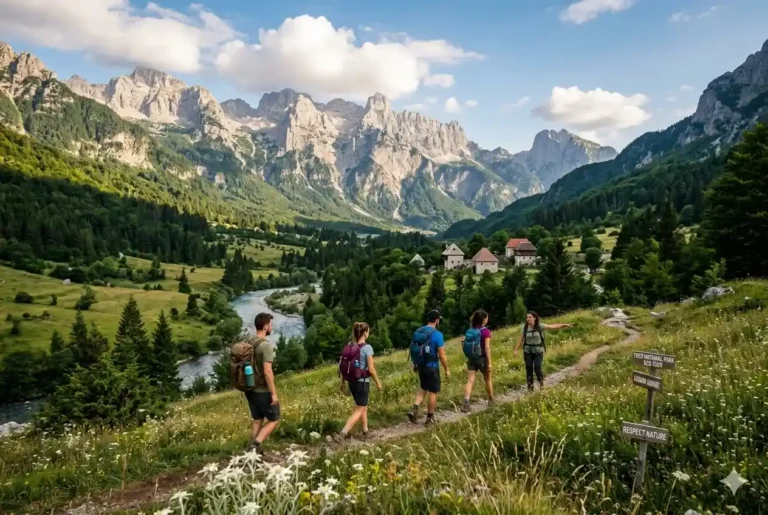
Kirilova Polyana is a broad open meadow and mountain setting farther up the valley, roughly 7 km by road beyond Rila Monastery. The surrounding slopes are dramatic: jagged ridges and granite rock formations rise above the trees. The Nature Park Directorate identifies Kirilova Polyana as a major point on routes toward the Dry Lake and other destinations, but that does not make those onward routes easy.
If your goal is a gentle nature stop, enjoy the meadow edge, open views and short, obvious pedestrian stretches from an appropriate parking area. Pick your own turnaround point rather than treating a route toward a high-altitude hut as a casual meadow loop. There may be livestock, muddy patches, forestry access and changing parking arrangements. Do not enter private facilities or rely on open food outlets unless you have verified their hours.
Meadow stroll versus real hike
| Your plan | A sensible time allowance | What to expect | Avoid |
|---|---|---|---|
| Park and view the valley | 20–40 minutes | A short stop with photographs and some walking | Assuming a formal wheelchair-accessible route |
| Easy local wander | 45–90 minutes | Staying on obvious ground near the meadow and your vehicle | Following an uphill sign without checking its destination |
| Kirilova Polyana to Dry Lake | Around half a day or more | Sustained climb, marked woodland route and variable alpine conditions | Adding it to an already crowded Sofia day trip |
There is no need to add the lake to justify visiting Kirilova Polyana. For many first-time visitors, the reward is simply standing in the valley, seeing the scale of the peaks and understanding how the monastery fits into the surrounding landscape.
Hike 3: Stob Earth Pyramids — a Short Detour on the Drive
The Stob Earth Pyramids are natural erosion formations above the village of Stob, located off the approach road toward the monastery rather than beside it. Unlike the shaded cave walk, the Stob trail is exposed to sun and consists of earth and sandy or rocky sections, with an uphill approach to viewpoints. The Stob visitor information on Visit Bulgaria describes an ecological trail from the village of roughly a kilometer toward the formations.
Plan about 60–90 minutes for the stop, including the ascent, viewing time and return, and allow more if you take photographs or move slowly. The route is short, but it is not flat, and eroded edges should not be approached for a photograph. After heavy rainfall, the surface may be slippery or unsuitable. Hot summer afternoons can be uncomfortable because there is little shade.
The visitor center and entrance arrangements may change by season. A current official 2026 admission fee could not be independently established from the available responsible sources, so do not arrive expecting a historical lev price to remain valid. Confirm the fee and access status locally; have some euros in cash. It is fine to skip Stob when your main goal is spending longer at the monastery.
Where Stob works in your day
Stob is particularly worthwhile if you are driving yourself and want two different short walks: one amid ochre-colored earth formations and another in forest near the monastery. Put Stob either before or after the monastery based on weather and daylight. Avoid arriving near dusk simply because the colors may look attractive then—you must still descend uneven paths safely.
The Dry Lake (Suhoto Ezero): A Rewarding Hike, but Not a First-Ever Walk
The Dry Lake above the monastery is reached from Kirilova Polyana by a route with green markings toward Kobilino Branishte. Bulgarian hiking descriptions commonly allow roughly 1.5–2 hours uphill one way and describe several hundred meters of ascent. The actual distance, pace and return time depend on your turnaround point; an outing including extensions can run well beyond four hours. The route belongs in a different category from the cave and meadow visits.
An August 2026 local Dry Lake route account documents a more extended outing of nearly 10 km and about 595 m ascent including a waterfall and a further viewpoint. That longer description should not be confused with the lake-only route, yet it illustrates why a casual promise of “three hours for beginners” can be misleading. The Nature Park trail listing recognizes the route, but does not certify daily conditions.
Despite its name, the lake is not reliably full of water year-round. Its appearance varies seasonally and may shrink or dry in warmer months. Walk for the landscape and route, not on the assumption of photographing a full blue lake. Sections above the forest may be exposed to sudden storms; some slopes are avalanche-prone in winter or lingering snow. Do not enter snow-covered terrain simply because the first kilometer looks clear.
Recommendation: If this is your first mountain hike, choose the cave or meadow. If you have hiking experience and specifically want the Dry Lake, start early, carry navigation and weather gear, and consider staying near the monastery rather than packing it into a strict Sofia-to-Sofia sightseeing day.
What About the Seven Rila Lakes? Treat Them as a Separate Trip
The Seven Rila Lakes deserve their own planning day. They are on a different approach above Panichishte/Sapareva Banya, while the monastery is reached from the Rilska River valley. A map line between two famous “Rila” attractions hides significant driving and hiking logistics. A day tour that combines the lakes and monastery may exist, but the walking component can be rushed and depends heavily on lift operations, traffic and daylight.
The Rila Lakes lift operator’s price and opening-hours page publishes fares including €16 for a standard return chairlift ticket on the displayed list, but hours and maintenance interruptions change. In October 2026 an independent conditions bulletin dated 15–19 October reported a seasonal lift closure. Do not assume the lift is operating on the date you travel; an extra 500 m-plus ascent from the base station can fundamentally change the difficulty.
A lift ride reduces the approach but does not make the high-mountain lake circuit a flat stroll. For someone new to hiking who also wants to experience the monastery respectfully, two separate days—one for the monastery valley, another for the lakes—are the more sensible structure.
Monastery Visit: Hours, Tickets and Rules That Matter
The monastery courtyard and main church should not be treated as the same attraction as the ticketed museums and tower. The monastery’s official museum information gives separate entry arrangements for exhibitions and a €12 combined museum ticket. Its Church History Museum page lists €5 adult admission; the Hrelyo Tower page lists €3 adult admission. Check the official pages again before travel in case fees change.
The general museum window published by the monastery is 08:30–16:30, with longer summer openings specified for certain dates and exhibitions. Individual rooms and the tower can have narrower hours, so use the current official contact and opening-hours page for the exact area you want to see. Museum tickets are sold on site; do not assume a third-party tour includes them.
The official visitor requirements prohibit shorts, skimpy clothing and sleeveless clothing inside the complex. Photography and video are forbidden inside the church and monastery museum. The rules also restrict bulky backpacks inside the church, access to residential floors and pets in the complex. Bring clothing that covers shoulders and knees for the monastery portion, even if hiking attire is suitable on the trail.
How much time should you allow at the monastery?
- 45–60 minutes: A brief respectful visit to the courtyard and main church, without a detailed museum visit.
- 90–120 minutes: A more relaxed visit with one museum exhibition or a substantial pause to explore.
- Half a day: Several exhibitions, longer reflection, a guided visit or photography outside the restricted interiors.
The best day-hike plan accounts for the monastery as an active religious place, not a box to tick between trails. Major church holidays and weekends can be busy, and a line at an exhibition can absorb time you expected to spend outdoors.
Two Realistic Day Plans from Sofia
Plan A: without a car — monastery first, modest walking only
| Time window | Activity | Decision point |
|---|---|---|
| Before departure | Confirm both shuttle tickets and the Sofia meeting location | If you cannot confirm a return, do not rely on improvising a rural connection |
| Late morning | Arrive at Rila Monastery and visit church/courtyard | Check the actual departure time immediately |
| Midday | Optional museum or lunch, followed by a brief walk near developed areas | Do not attempt the remote road-start cave without confirmed transfer |
| Well before departure | Return to pickup and allow buffer for finding the vehicle | A bus timetable is more important than squeezing in a viewpoint |
| Afternoon/evening | Travel back to Sofia | Keep your evening plans flexible for traffic |
If the tour description explicitly includes St. Ivan’s Cave, follow that program instead. The advertised €15 one-way shuttle is transport, not a hiking guide or cave transfer. And if your specific operator gives only a couple of hours at the monastery, skip ticketed exhibits rather than risk missing the return.
Plan B: self-drive — monastery, cave and one optional extra
| Approximate window | Activity | Why this order works |
|---|---|---|
| 07:30–08:00 | Leave Sofia after checking weather and road conditions | Avoid the tight schedule of a late-morning start |
| About 10:00 | Monastery visit, 60–90 minutes | You see the main site without rushing past it |
| Late morning to early afternoon | Drive up to the signed cave trailhead; walk to cave and return | A real short forest hike rather than a long road walk |
| Lunch / early afternoon | Food and water break | Keep time for slippery paths and parking |
| Midafternoon | Choose one: Kirilova Polyana scenery or Stob Earth Pyramids on the return | Do not try to fit every stop into one afternoon |
| Late afternoon | Drive back toward Sofia while still alert | Avoid mountain-road driving tired and after dark |
These are adaptable windows rather than guaranteed arrival times. If it is a short November day, you start late, or a tour crowd slows the museum, drop the optional stop. If you are carrying out a longer Dry Lake hike, use a completely different hiking-focused itinerary.
What Will the Day Cost? 2026 Price Checks
Bulgaria adopted the euro on 1 January 2026, as confirmed by the European Central Bank. Historic Bulgarian lev amounts on websites may still appear for comparison; pay attention to the current euro charge when budgeting.
| Item | Published figure or budgeting rule | What to verify |
|---|---|---|
| Private monastery shuttle | From €15 one way on a named operator’s published listing | Two seats, date, meeting point and return time |
| Church History Museum | €5 adult listed officially | Exhibition opening and any concession eligibility |
| Hrelyo Tower | €3 adult listed officially | Seasonal access; possible closure |
| Combined museum ticket | €12 listed by monastery | Which exhibitions are open that day |
| Monastery official English tour | €15 listed by monastery; about 50 minutes | Availability and whether booked separately |
| Stob Pyramids | Charge may apply; exact 2026 fee not independently confirmed | Ask at the visitor facility or municipality |
| Car, fuel, parking | Variable by booking and road access | Deposit, insurance, parking and fuel |
| Food, drinks and small purchases | Variable; carry euro cash | Card acceptance and seasonal availability |
For a car-free traveler, transport is likely to be the largest fixed cost. For a self-driver, divide the car and fuel cost among passengers before deciding it is cheaper. If you only want the courtyard and a short walk, you do not need every paid museum ticket. Prices above are published source figures, not guarantees of the amount you will pay on arrival.
When to Go: The Beginner-Friendly Season Is Not Year-Round
Late spring and summer
Late spring can bring pleasant forest walking, but higher tracks may still hold snow and meltwater. June to early September often provides longer daylight for the cave and meadow, yet the weather can change suddenly and afternoon thunderstorms are possible. Start earlier for hiking, check a mountain-specific forecast and be ready to turn around if thunder develops. High-country routes are a different risk category from a short valley walk.
September and October
Autumn can be excellent for a lower-level forest walk: cooler temperatures, changing leaf color and generally more comfortable walking than a very hot summer afternoon. The trade-offs are shorter days, more slippery leaf-covered paths and the possibility of cold snaps or early snow higher up. The current month is October 2026, so do not assume the high-altitude Seven Rila Lakes chairlift or alpine tracks operate just because a tourism website calls September–October “hiking season.”
Winter and early spring
A monastery visit may still be possible, but an icy forest track, snow-covered upper road or avalanche-prone hillside should not be sold as a beginner route. A road cleared for vehicles does not guarantee that an adjacent footpath or cave approach is clear, and mountain traction equipment does not replace winter navigation and experience. If conditions are snowy, keep this a cultural day trip or choose a properly led winter activity.
Safety Rules for First-Time Hikers in the Rila Valley
- Check the park and weather: use forecasts for the mountain, not only Sofia city; ask locally about temporary closures, fallen trees or damaged trails.
- Carry an offline map: save both the intended start point and your return parking/bus location; a phone signal is not guaranteed in a narrow valley.
- Wear shoes with grip: loose earth at Stob and wet rocks near the cave can be slippery even when the walk is short.
- Carry water and a snack: do not rely on every fountain, café or guesthouse being open; treat unverified stream water before drinking.
- Pack a warm layer and rain protection: higher ground, forest shade and wind can feel very different from the weather in Sofia.
- Keep a turnaround time: a missed shuttle, dusk or thunderstorm is never worth one more viewpoint.
- Tell someone your route: especially if going beyond the cave or meadow; share your expected return.
- Emergency help: dial 112 in Bulgaria. Give rescuers your route, nearby signs and coordinates if available.
For protected-area rules, the Rila Monastery Nature Park regulations restrict open fires outside specified arrangements, unapproved camping, disturbing wildlife and damaging plants. Seasonal fire bans can go further than permanent rules. Leave natural objects where you find them and do not approach cliffs or eroded slopes for photos.
Families, Older Visitors and Travelers with Limited Mobility
“Beginner-friendly” describes a reasonable challenge for a fit newcomer, not universal accessibility. The monastery itself has historic paving and steps; the cave ascent has roots and stone, and Stob has an uphill unpaved trail. Do not assume that a route labeled “easy” on an app accommodates wheelchairs, strollers, unstable knees or poor balance.
For mixed-ability groups, split the day into an accessible-to-your-party cultural visit and a modest outdoor viewpoint chosen locally. One person can visit the cave while another remains at the monastery or nearby developed areas, provided each has transport and meeting arrangements. Families should discuss cave steps, confined passages, rain and time limits before the hike rather than promising children that everything will be easy.
Older children who are used to short woodland walks may enjoy the cave and Stob, but they need supervision near steep trail edges and rock openings. Kirilova Polyana can be a better choice for a low-effort scenic break when road access and ground conditions are suitable.
Should You Stay Overnight Instead?
Staying near the monastery can make sense if your main aim is an extended hike, landscape photography in quieter hours, or visiting more than one natural site without a stressful drive back. The monastery offers visitor or pilgrim accommodation arrangements subject to availability, with bookings handled directly. The official monastery contacts provide a dedicated lodging telephone number and calling windows.
Nearby guesthouses and hotels may be more flexible for families or travelers who need private facilities. Confirm winter opening, road access, check-in time, parking, meals and whether you can reach your chosen hiking trailhead without a vehicle. Do not assume that staying “near Rila” means you are walking distance from the monastery: the town of Rila and accommodation up the valley are not the same location.
An overnight stay is especially sensible for the Dry Lake route or for anyone hoping to include both Stob and the monastery without watching the clock. It is less valuable if you mainly want a short forest walk and have an early-starting car.
Common Planning Mistakes Worth Avoiding
- Confusing cave-road distance with hiking distance: the road runs several kilometers beyond the monastery before the short woodland approach.
- Assuming the shuttle reaches all trailheads: a monastery transfer normally serves the monastery unless additional stops are specifically included.
- Treating Dry Lake as a one-hour beginner walk: the outing has meaningful ascent and needs its own conditions check.
- Combining Seven Rila Lakes with a casual monastery afternoon: this involves different access roads and may depend on lift operation.
- Copying old lev fees: Bulgaria has used the euro since January 2026.
- Assuming every museum is open whenever the courtyard is: the exhibitions and tower have separate access and charges.
- Hiking in monastery-inappropriate clothing: shoulders and knees should be covered when you enter the religious complex.
- Planning a Stob sunset walk without descent time: the slope is uneven and exposed even though it is short.
- Relying on a fountain or a single phone signal: carry water and offline navigation.
- Making every stop mandatory: one short trail done well is better than rushing three places.
Frequently Asked Questions
What is the easiest real hike near Rila Monastery?
For an able-bodied beginner with a car or cave-inclusive tour, the final forest walk from the signed upper-road starting point to St. Ivan Rilski’s cave is the strongest choice. The full walk from the monastery is longer and should not be confused with the short final approach.
Can I hike from Sofia to Rila Monastery in one day without renting a car?
You can travel from Sofia and walk locally, but a confirmed shuttle or guided tour is the realistic solution for most visitors. The monastery’s own guidance does not describe frequent ordinary public buses directly to its gates. Buy or verify your return seat before departure.
Is Kirilova Polyana easier than the Dry Lake?
Yes—staying around the meadow is a gentle nature outing. Following the marked uphill route from Kirilova Polyana to Dry Lake is a separate hike with several hundred meters of elevation gain. It should not be marketed as an equivalent option for complete beginners.
Can I do the Stob Pyramids, monastery and cave in one day?
With an early self-drive start and suitable conditions, it is possible. It is a busy sightseeing-plus-walking day rather than a relaxed hike. If you arrive late or the weather is poor, choose the monastery and one short outdoor stop.
Are the monastery and the Seven Rila Lakes next to each other?
No. They sit in the same mountain range but use different approach roads. The common lake chairlift is near Panichishte, not at Rila Monastery. The lake loop is a higher-elevation hiking trip and should normally be planned separately.
Do I need a permit or a guide?
A normal short, permitted visitor walk is not generally presented as requiring a special hiking permit, but protected-area restrictions and temporary route closures still apply. Guided hiking is sensible when you are unfamiliar with the mountains, conditions are poor or you plan to go beyond the developed valley area.
What currency should I bring in 2026?
Bring euros, preferably with small notes or coins for rural purchases. Bulgaria adopted the euro on 1 January 2026. Always confirm payment methods for taxis, local eateries, parking and small exhibits.
Official Planning Sources and How to Check Before Departure
Use the following sources for date-sensitive details. They serve different purposes; no single page provides reliable real-time trail, weather, transport, lift and museum information together.
- Rila Monastery official site — visitor conduct, museum pages, contacts and lodging arrangements.
- Rila Monastery Nature Park Directorate — protected-area rules, news and listed hiking routes.
- Monastery transport guidance — perspective on the limited conventional public-transport access.
- Rila Monastery shuttle provider — date-specific departures, ticket direction, stop and return times.
- Stob visitor information — trail approach, town visitor-center contact and natural-site background.
- Seven Rila Lakes lift operator — fares, schedule and maintenance notices if planning a separate lake trip.
- European Central Bank euro announcement — confirms the currency change.
For longer Bulgaria planning, see our seven-day Bulgaria itinerary. If you are comparing a different city-based excursion, the Sofia to Plovdiv day trip guide covers a less mountain-dependent alternative; our Plovdiv travel guide helps if you continue south after Sofia. These are separate trip-planning decisions, not extra stops to add to the monastery day.
Final Recommendation: Keep the Hiking Small and the Day Realistic
The safest and most rewarding formula for most first-time visitors is simple: spend genuine time at Rila Monastery, add the short St. Ivan Rilski cave walk if you have appropriate transport, and choose Kirilova Polyana or Stob only if the timing works. The real value is understanding the difference between a valley walk and a mountain ascent.
If your dream is the Dry Lake or the Seven Rila Lakes, reserve a separate hiking day with a weather window, early start and suitable equipment. You will see more—and make fewer avoidable mistakes—than by trying to collect every famous Rila landmark on one rushed shuttle journey from Sofia.