One Day in Kotor: 12 Best Things to Do on Your First Visit

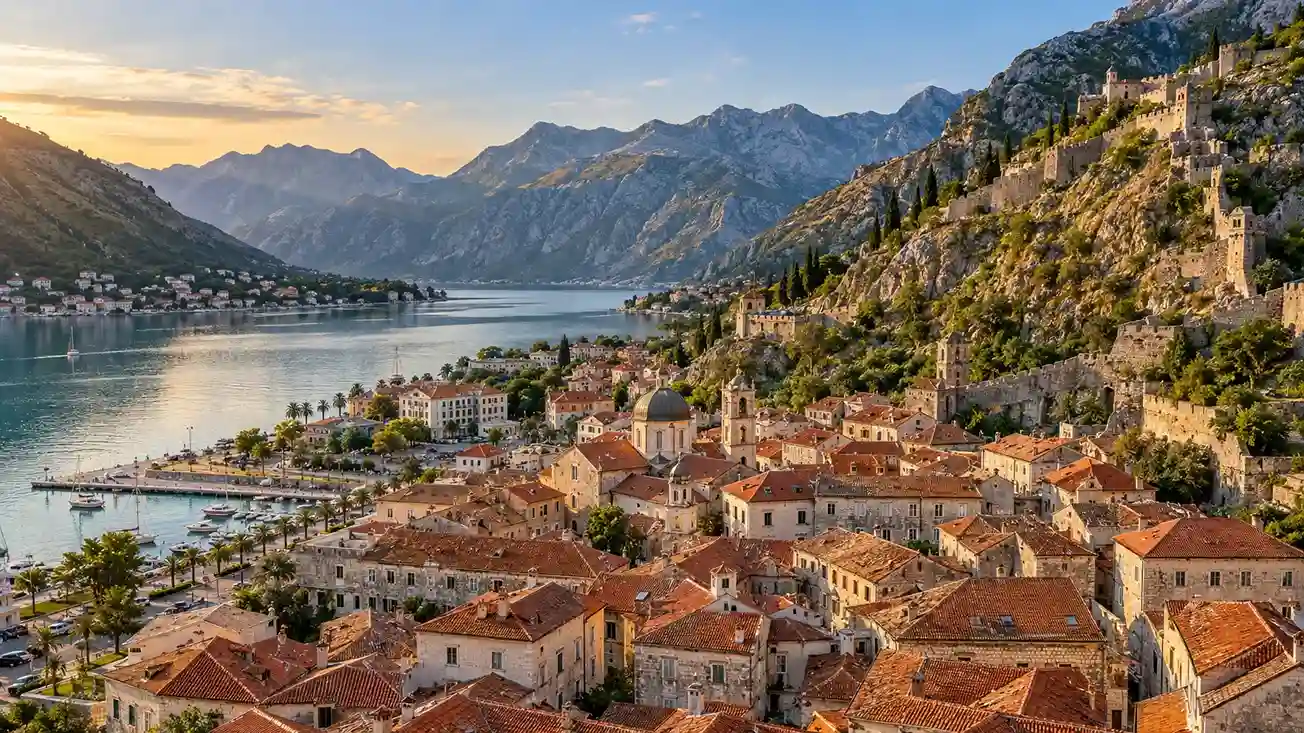
Spending One Day in Kotor is enough to experience the highlights of one of Montenegro’s most atmospheric coastal towns—provided you resist the temptation to squeeze everything into a single day. Kotor’s medieval Old Town is compact and almost entirely walkable, with historic churches, stone palaces, small squares, museums and fortified gates packed within a surprisingly small area.
The main decision is what to do after exploring the historic center. Active travelers can climb toward the Church of Our Lady of Remedy and potentially continue to San Giovanni Fortress. Others may prefer a slower afternoon around the waterfront, museums and cafés, while a short Bay of Kotor boat trip is another option if you are prepared to reduce your Old Town or hiking time.
This guide organizes the 12 best things to do in Kotor into a realistic first-visit itinerary rather than an exhausting checklist. Before traveling, check the official Kotor tourism website for any seasonal visitor updates that could affect your plans.
Quick Answer: One Day in Kotor
- Is one day enough? Yes. You can see the main Old Town sights and add one major afternoon activity.
- How long for Kotor Old Town? Around 3–5 hours if you include churches or a museum.
- Best way to explore: Walking.
- Best place to start: Sea Gate and Arms Square.
- Top historical sight: Cathedral of Saint Tryphon.
- Best viewpoint: The hillside above Kotor toward Our Lady of Remedy and San Giovanni Fortress.
- Best strategy: Explore the Old Town in the morning, then choose between the fortress hike, a slower afternoon or a Bay activity.
- Can cruise passengers use this itinerary? Yes, but always work backward from your ship’s required all-aboard time.
One Day in Kotor: Quick Itinerary
A successful Kotor one day itinerary is easiest when you treat the historic center as one continuous walking route. Complete the compact sights together, take a proper lunch break and keep the afternoon flexible.
| Time | What to Do | Suggested Time | Planning Tip |
|---|---|---|---|
| Early morning | Sea Gate, Arms Square and Clock Tower | 30–45 min | Start before the busiest part of the day when possible. |
| Morning | Old Town, Saint Tryphon Cathedral and historic churches | 1.5–2 hrs | Keep everything on one continuous walking route. |
| Late morning | Maritime Museum, gates and quieter streets | 45–90 min | Skip the museum if your visit is short. |
| Lunch | Old Town or immediately outside the walls | 60–75 min | Use the break to assess the heat and weather before hiking. |
| Afternoon | Choose: fortress hike, relaxed Kotor, or Bay activity | 1.5–3 hrs | Choose one rather than trying to complete all three. |
| Late afternoon | Waterfront, coffee and photographs | 45–90 min | Keep this flexible in case earlier activities take longer. |
One day is therefore enough for a first visit, but not for every possible Kotor experience. If you want to combine the complete fortress climb, several museums, Perast, a longer boat tour and relaxed meals, two days will be considerably more comfortable.
12 Best Things to Do in Kotor on Your First Visit
The following attractions are arranged in roughly the order that makes sense on foot. Several take only a few minutes, so do not think of them as 12 separate excursions. The fortress route is the only activity that can consume a large part of your day.
1. Enter Kotor Old Town Through the Sea Gate
The Sea Gate is the most natural introduction to Kotor because it connects the waterfront directly with the historic center. Once through the gate, you arrive almost immediately in Arms Square, making it an efficient starting point rather than simply another landmark to photograph.
Allow around 10–15 minutes around the entrance before continuing. Cruise visitors will find this side particularly convenient because the port area is immediately beside the Old Town.
2. See Arms Square and the Clock Tower
Arms Square is Kotor’s main open space and a useful place to understand the layout of the Old Town before heading into its narrower streets. The Clock Tower dominates one side of the square, while cafés and historic façades surround the rest.
You generally need only 15–25 minutes. There is little reason to spend a large part of your morning here because you are likely to pass through the central area again later.
3. Wander Through Kotor Old Town
One of the best things to do in Kotor is simply wander. The pedestrian Old Town is filled with stone lanes, irregular squares, former palaces, churches, small shops and narrow passages that reveal much more of the city than a route focused only on famous landmarks.
Allow at least 45–60 minutes for unstructured walking, especially if you enjoy architecture or photography. Because the historic center is so compact, combine this naturally with the cathedral, churches, museum and gates instead of treating each stop as a completely separate excursion.
4. Visit the Cathedral of Saint Tryphon
The Cathedral of Saint Tryphon is one of Kotor’s most important historic and religious landmarks and deserves a place on almost every first-time itinerary. Its architecture, religious art and long history provide useful context for a city that can otherwise be easy to experience only as a beautiful collection of medieval streets.
Most visitors need around 20–35 minutes. Because the cathedral remains a religious site, dress respectfully and follow any rules regarding services or photography. Admission arrangements can change, so check the information displayed when you arrive rather than relying on an old ticket price.
5. See St. Luke’s Church and Nearby Historic Churches
St. Luke’s Church is another worthwhile medieval landmark and fits naturally into an Old Town walk. You will pass several other churches nearby, but there is no need to turn a one-day visit into a checklist of every religious building.
Allow around 20–30 minutes for St. Luke’s and the surrounding area, spending longer only if religious history or architecture is one of your main interests.
6. Visit the Maritime Museum
Kotor’s identity is closely connected with the sea, making the Maritime Museum of Montenegro one of the most useful indoor attractions for visitors who want to understand the city rather than simply photograph it. Housed in Grgurina Palace, the museum covers maritime trade, seafaring traditions, historic personalities, documents, ship models and objects connected with Kotor and the wider bay.
Allow approximately 45–60 minutes. If you have only a few hours in Kotor, the museum is one of the easiest attractions to skip. On a full-day visit, however, it provides useful historical context. Check current admission and seasonal opening information on the official Maritime Museum website before visiting.
7. Explore Kotor’s Gates and Fortifications
Kotor makes more sense once you notice how its walls, gates and surrounding landscape fit together. You do not need to walk every section of the fortifications. Instead, include the North Gate, Škurda River and Gurdic Gate naturally while moving around the Old Town.
The North Gate—also known as the River Gate—is particularly easy to add. Step outside briefly for views beside the Škurda River, then return into the Old Town rather than making an unnecessary circuit around the walls. Allow roughly 30–45 minutes for the gates and short exterior viewpoints combined.
8. Notice Kotor’s Famous Cat Culture
Cats have become an unmistakable part of modern Kotor. You will see them sleeping in squares, beside cafés and throughout the quieter lanes of the Old Town. They do not need their own large block of itinerary time, but they have become part of the city’s contemporary character.
Travelers particularly interested in the subject can visit the small Cats Museum, while everyone else can simply enjoy encountering Kotor’s resident cats while walking. Avoid disturbing sleeping animals or assuming every cat wants to be handled or fed.
9. Hike to the Church of Our Lady of Remedy
For active travelers, the climb above the Old Town is often the most memorable part of One Day in Kotor. The Church of Our Lady of Remedy is a sensible goal because it gives you elevated views over Kotor’s red roofs, harbor and bay without requiring every visitor to commit to the full climb to San Giovanni Fortress.
The official city-wall route climbs steeply on stone steps and uneven surfaces. The Kotor City Walls website publishes current access information, entrance arrangements and seasonal details, so check it before organizing your day around the hike.
For planning purposes, allow roughly an hour or a little longer for a comfortable return trip to the church, depending on fitness and how often you stop for photographs. Wear footwear with good grip and carry water.
Summer heat is the biggest practical issue because much of the climb is exposed. Early morning or another cooler period is generally more comfortable than intense midday conditions. After rain, smooth stone can also become slippery.
Fortress Hike Tip
If your main goal is an elevated view over Kotor, reaching Our Lady of Remedy may be enough. Continue higher only if you still have sufficient time, water, suitable weather and energy.
10. Continue to San Giovanni Fortress—If Conditions Are Suitable
San Giovanni Fortress, also known as St. John Fortress, should be treated as an optional major activity rather than something every visitor has to complete. Continuing beyond Our Lady of Remedy means more climbing, more exposure and considerably more time on the hillside.
A full return climb from the Old Town can commonly require around 1.5–2.5 hours depending on fitness, stops and conditions. The higher viewpoint is impressive, but reaching the highest point is not necessary to have a rewarding day in Kotor.
Skip the full ascent during extreme heat, poor weather, slippery conditions or when it would make you rush for a cruise ship, bus or transfer. Families, older travelers and anyone uncomfortable with steep terrain can enjoy Kotor perfectly well without it.
11. Walk Along the Kotor Waterfront
After several hours among stone streets or on the hillside, Kotor’s waterfront provides an easy change of pace. A walk around the harbor and bay-facing area shows just how dramatically the town is squeezed between the water and mountains.
Allow around 30–60 minutes unless you stop for coffee or photographs. It is particularly useful if you decide against the fortress climb because it adds another perspective on Kotor without much extra physical effort.
12. Finish With Local Food or a Short Bay of Kotor Boat Trip
Your final major activity does not need to be another monument. Once you have spent several hours sightseeing, either slow down over Montenegrin food or see part of Boka Bay from the water.
If you prefer a relaxed afternoon, stay around the Old Town for lunch, coffee or an early dinner. If seeing the bay from the water is a priority, compare Kotor boat tours and activities on GetYourGuide and pay close attention to the duration, departure point and return time.
A shorter excursion can work well, particularly if you skip the full fortress climb. A multi-hour Blue Cave or wider bay trip takes a much larger portion of the day and should replace other activities rather than simply being added on top of them.
The Best One-Day Strategy
Think of Kotor as two halves: explore the compact Old Town in the morning, then choose one major afternoon experience. Trying to combine the full fortress climb, every museum and a long boat tour usually makes the day worse rather than better.
One Day in Kotor for Cruise Passengers
Kotor is particularly convenient for cruise visitors because the historic center is immediately beside the port area. This makes it possible to begin sightseeing almost as soon as you reach the Old Town rather than spending a large part of your shore time on transportation.
However, do not assume every ship uses exactly the same arrival procedure. Some vessels can use berths while others may anchor in the bay and transfer passengers ashore. Your real sightseeing window therefore depends on your ship’s arrangements and required all-aboard time.
For a shorter port visit, prioritize the Sea Gate, Arms Square, Saint Tryphon Cathedral, Old Town lanes and waterfront. With more time, add either the Maritime Museum, the climb toward Our Lady of Remedy or a carefully timed boat activity.
The full San Giovanni climb requires more caution because the ascent and descent can consume a significant amount of time, especially during hot weather. Independent boat trips also need a generous return buffer.
Cruise Passenger Rule
Work backward from your required all-aboard time rather than the ship’s scheduled departure. Kotor is compact enough that there is little benefit in risking a stressful return simply to add one more attraction.
Where to Eat in Kotor During a One-Day Visit
Food can consume more sightseeing time than expected, so choose somewhere that fits naturally into your route. For a one-day visit, restaurants inside the Old Town, immediately outside the walls or close to the waterfront are generally the most practical.
BBQ Tanjga is a useful budget-oriented option outside the historic center for grilled meat and a filling lunch. Its location can be particularly convenient if you are arriving from the bus-station side of Kotor.
Konoba Scala Santa provides a more relaxed sit-down option within the Old Town, while Cesarica is another practical choice for Mediterranean food, seafood and risotto without leaving the walls.
For a more polished waterfront meal, Galion is outside the historic center at Šuranj and suits travelers who want to turn lunch or dinner into part of the experience rather than simply refuel between attractions.
Old Winery Wine Bar can work well later in the day for Montenegrin wine, cheese and cured meats, while Forza Cafe on Arms Square is an easy stop for coffee, breakfast or dessert.
If you want to sample regional food, look for Njeguški pršut, Montenegrin cheeses, grilled or fresh fish, Adriatic seafood and black risotto. Burek is also useful for an inexpensive breakfast or quick snack, although it belongs to the wider Balkan food tradition rather than Kotor alone.
If you plan to climb above Kotor, avoid your heaviest meal immediately beforehand. A lighter lunch followed by a more relaxed dinner is usually easier to fit into the day.
Getting to and Around Kotor
Central Kotor is best explored on foot. Once you reach the Old Town, there is no practical reason to use buses or taxis between the Sea Gate, cathedral, museum, squares and waterfront. The only part requiring noticeably more physical effort is the climb above town.
From Kotor Bus Station
Kotor’s main bus station is outside the historic walls on Put Prvoborca. Travelers with manageable luggage can usually walk to the Old Town in roughly 10–15 minutes rather than taking another vehicle.
If you are arriving or leaving by intercity bus, compare current departures from Kotor Main Bus Station on Busbud and check the timetable for your actual travel date.
From the Cruise Port
The port area is immediately beside Kotor Old Town, making walking the obvious choice once you are ashore. The important variable is not distance but whether your ship berths directly or uses another arrival arrangement.
By Car and Parking
If you arrive by car, park outside the walls and continue on foot. The Old Town itself is pedestrianized, and having a vehicle provides no advantage for central sightseeing.
Parking prices vary considerably according to location, and spaces nearest the waterfront can be more expensive than areas slightly farther away. During busy summer and cruise periods, finding a space can be a bigger problem than the hourly price. Check the posted rate when you arrive rather than relying on an old figure from a travel article.
A rental car becomes useful when Kotor forms part of a wider Montenegro road trip rather than for the city itself. Travelers planning to continue around the country can compare car rentals in Kotor on DiscoverCars.
From Budva, Tivat, Perast and Other Destinations
Budva and Tivat are among the most straightforward places from which to reach Kotor by road or intercity transport. Herceg Novi also has connections around the bay, while Podgorica requires a longer journey.
Perast is much closer and can be combined with Kotor by road transport, taxi, car or boat depending on your itinerary and season. If you intend to visit both in one day, confirm your return connection before leaving Kotor.
Should You Stay Overnight in Kotor?
You do not need to sleep in Kotor to see the main sights, but staying one night makes the experience considerably less rushed. It allows you to separate the fortress climb, museums and meals instead of fitting everything between arrival and departure.
Kotor Old Town is best for atmosphere and convenience. You can walk to almost every central attraction within minutes, although historic buildings may involve stairs and some streets can be lively in the evening.
Immediately outside the walls provides easier road and luggage access while keeping you within walking distance of the historic center.
Dobrota, extending north along the bay, is a good alternative for travelers who prefer waterfront surroundings and views over sleeping directly inside the medieval center.
You can compare current availability and date-specific rates for Kotor hotels and accommodation on Trip.com.
How Much Does One Day in Kotor Cost?
Kotor can be reasonably inexpensive when you walk, focus on free Old Town sights and eat casually. Costs rise quickly once you add several paid attractions, restaurant meals, boat excursions or guided tours.
| Expense | Planning Range | Note |
|---|---|---|
| Food | Approx. €20–70+ per person | Depends heavily on restaurant choice and drinks. |
| Museums and attractions | Approx. €0–25+ | Choose paid attractions selectively. |
| Central transport | €0 if sightseeing on foot | Most central visitors do not need transport. |
| Shared boat trip | Often around €25–50 per person | Longer and private tours can cost substantially more. |
| Guided walk | Often around €25–30 per person for group tours | Private tours generally cost more. |
As a broad planning guide, a simple day based around walking, casual food and one or two paid attractions may cost around €35–65 per person before accommodation and transport to Kotor. A mid-range day with restaurant meals and a paid activity can move closer to roughly €80–150. Private tours, boat charters and higher-end dining can raise the total considerably.
These are planning estimates rather than fixed prices. Always check current admission, transport and tour costs for your travel date.
Best Time of Year for One Day in Kotor
Spring is particularly suitable for travelers who want to combine sightseeing with the fortress climb because temperatures can be more comfortable for extended walking. Rain, however, can make stone steps slippery.
Summer brings long days and the widest choice of visitor activities, but heat and crowds become major planning factors. Start important outdoor sightseeing early, carry water and avoid the fortress route during extreme midday heat.
Early autumn can provide a good balance between active sightseeing and more comfortable hiking conditions. Cruise traffic can still be significant on individual days, while later in the season weather and daylight become less predictable.
Winter provides a quieter experience but with shorter daylight and potentially reduced seasonal schedules. Always check attraction and city-wall access rather than assuming summer opening arrangements apply year-round.
How to Avoid the Worst Crowds
Kotor receives significant cruise traffic, so visitor numbers can change noticeably throughout the day. No fixed hour is guaranteed to be quiet, but several strategies help:
- Start early and explore Arms Square and the main streets before sitting down for coffee or visiting a museum.
- Use smaller lanes rather than staying entirely around the Sea Gate and busiest squares.
- Include the North Gate and Škurda River for a change from the central pedestrian flow.
- Use lunch strategically if the busiest streets become uncomfortable around midday.
- Stay overnight when possible to enjoy an evening or early-morning walk outside your main sightseeing schedule.
Should You Spend the Whole Day in Kotor or Visit Perast Too?
Kotor can comfortably fill an entire day if you want to explore the Old Town properly, visit the Maritime Museum, eat without rushing and climb above the town. Adding Perast changes the itinerary from a detailed Kotor visit into a broader Bay of Kotor day trip.
Combining both works best when your priorities are bay scenery and seeing several places rather than exploring each one deeply. A morning in Kotor followed by several hours in Perast can be realistic if you skip the full San Giovanni Fortress climb and limit museum time.
If Saint Tryphon Cathedral, the Maritime Museum, a relaxed Old Town walk and the fortress route are all priorities, stay in Kotor. Perast should replace part of that schedule rather than simply being added to it.
Practical Tips for One Day in Kotor
- Start early when possible, particularly in summer and on busy cruise days.
- Wear comfortable footwear. The Old Town is easy to walk, but the fortress route is steep and uneven.
- Carry water for the climb and use appropriate sun protection during warmer months.
- Check current museum and city-wall information shortly before your visit.
- Check the weather before hiking or booking a boat activity.
- Keep central sightseeing on foot. You do not need transport between the main Old Town attractions.
- Carry a payment card and some cash rather than depending completely on one payment method.
- Do not overload the itinerary. Time spent wandering through Kotor’s streets is part of the experience.
- Leave a generous return buffer if you are visiting on a cruise or catching an onward bus or transfer.
Common Mistakes to Avoid
The most common mistake is trying to combine every major Kotor experience in one day. A full San Giovanni climb, long boat trip, several museums, Perast and a relaxed Old Town visit simply leave too little room for meals, crowds or unexpected delays.
Also avoid starting a strenuous climb in extreme heat, hiking in unsuitable footwear, relying on outdated opening or ticket information, arriving by car without considering parking, and returning to a cruise ship at the last possible moment.
When Should You Book in Advance?
Advance booking is most useful when timing matters: a specific boat departure, a guided experience during a short cruise stop, or accommodation during a busy travel period. Ordinary sightseeing around Kotor Old Town does not require advance reservations.
Final Thoughts: Is One Day in Kotor Worth It?
Absolutely. One Day in Kotor works particularly well because the city’s historical core is compact, pedestrian-friendly and filled with worthwhile sights. You can experience medieval streets, churches, fortifications and the waterfront without spending half your day moving between distant attractions.
The key is accepting that the fortress climb, Perast and longer Bay of Kotor excursions are alternatives rather than compulsory additions. Explore the Old Town first, then choose the afternoon experience that best matches your interests, fitness, weather and available time.
Active travelers can climb toward Our Lady of Remedy or San Giovanni Fortress. Those who prefer a slower pace can spend longer among the Old Town streets, museum, cafés and waterfront. Travelers primarily interested in the bay can replace part of the sightseeing schedule with a carefully timed boat trip.
Whichever version you choose, leaving some unscheduled time is one of the best ways to experience Kotor. The narrow streets, small squares and unexpected views between the mountains and bay are not interruptions to the itinerary—they are a large part of what makes Kotor worth visiting in the first place.