7-Day Budget Balkans Itinerary: Bosnia & Montenegro by Bus

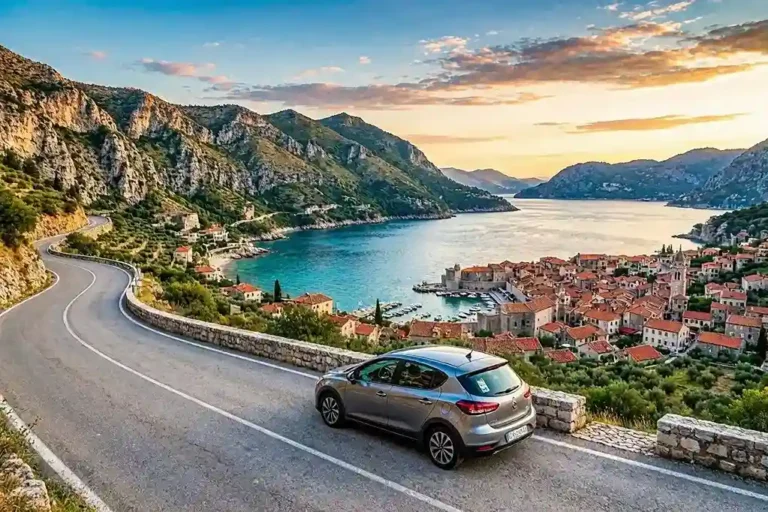
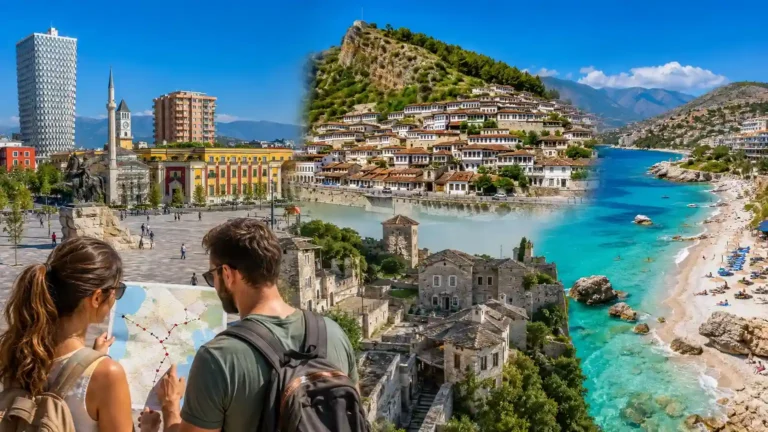
7-Day Budget Balkans Itinerary works best when you stop trying to collect countries and instead build a route that is cheap, direct, and realistic by public transport. For one week, Bosnia and Herzegovina plus Montenegro make an excellent pairing: Sarajevo gives you history and culture, Mostar adds one of the Balkans’ most scenic rail-and-river corridors, and Kotor finishes the trip on the Adriatic without requiring a rental car.
The route in this guide is simple: Sarajevo → Mostar → Kotor. Perast becomes a day trip from Kotor, while Budva is optional on the final day if it fits your departure airport. Durmitor is not included in the core itinerary because adding Žabljak to a seven-day public-transport trip changes the route completely and creates long, awkward transfers.
This updated 2026 version also avoids fixed bus and train claims that are already out of date, removes unrealistic “€X per day” guarantees, and separates current transport prices from estimates that can change by season.
Table of Contents
7-Day Budget Balkans Itinerary: Quick Route
| Day | Base | Main Plan | Transport |
|---|---|---|---|
| 1 | Sarajevo | Baščaršija, Latin Bridge, central Sarajevo | Walk / local transport |
| 2 | Sarajevo | Yellow Bastion + Trebević or War Tunnel | Walk / cable car / local transport |
| 3 | Mostar | Sarajevo → Mostar + Old Bridge area | Train if schedule works; bus as backup |
| 4 | Kotor | Mostar → Kotor | Direct international bus |
| 5 | Kotor | Old Town + City Walls / fortress route | Walk |
| 6 | Kotor | Perast OR Vrmac | Local bus OR hiking |
| 7 | Kotor / departure | Budva optional, or relaxed Kotor departure day | Bus depending airport |
The key budget decision is keeping Kotor as your base for three nights. Constantly changing accommodation costs time, creates extra local transport, and makes a one-week trip feel rushed.
Why Bosnia + Montenegro Work Better Than Four Countries in One Week
A seven-day Balkan trip becomes expensive when you spend half the week on border buses and one-night hotel changes. Bosnia and Montenegro work well together because the main route is linear and each stop offers something genuinely different.
- Sarajevo: Ottoman, Austro-Hungarian and 20th-century history in one walkable city.
- Mostar: a compact UNESCO-listed old-town core on the Neretva.
- Kotor: fortified Adriatic town, bay scenery and easy day trips.
You get city history, mountain scenery, a famous rail corridor, an international bus journey and the coast without using flights between stops or renting a car.
That is a stronger budget trip than forcing Dubrovnik, Split, Tirana or Durmitor into the same week just to increase the country count.
Current 2026 Transport Reality
Sarajevo → Mostar: Check the Train Schedule Again Before Travel
The Sarajevo–Mostar railway remains one of the most scenic public-transport journeys on this itinerary, but you should not build the trip around old departure times copied from a summer article.
The 07:15 Sarajevo departure widely quoted online was tied to the seasonal Sarajevo–Ploče service that operated on Fridays, Saturdays and Sundays from June 26 to September 27, 2026. That specific seasonal timetable has now ended.
ŽFBH also currently states that online ticket sales are unavailable because of technical issues. Check the official railway timetable shortly before travel and be prepared to buy at the station if necessary.
Use the official ŽFBH website for the current schedule instead of assuming that 07:15 or 16:46 will operate on your date.
If the train does not fit your day, buses between Sarajevo and Mostar are the practical fallback. The point of the route is not to “win” the train; it is to reach Mostar without wasting the day.
Mostar → Kotor: This Is the Expensive Transport Leg
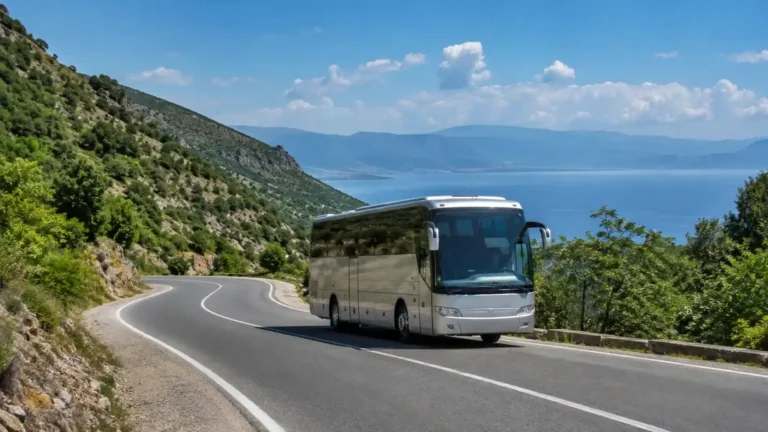
The international bus from Mostar to Kotor is the most expensive transport segment in this itinerary.
Current early-October 2026 listings show direct departures such as 07:30 → 12:00 and 09:30 → 15:15, with recent prices generally around US$39–53 depending on the operator and departure.
That is significantly higher than the old $25–30 figures still found in budget guides.
Some links below are affiliate links. If you book through them, we may earn a small commission at no extra cost to you.
You can compare current Mostar to Kotor buses on Busbud. Prices and departure times change, so treat today’s fare as a live quote rather than a permanent itinerary cost.
Border processing can change the arrival time. Do not book a paid Kotor activity immediately after the scheduled bus arrival.
Day 1 — Sarajevo Old Town and the City’s Historical Layers
Start in Sarajevo and keep the first day mostly walkable. There is no need to pay for an organized city tour unless you specifically want a guide’s interpretation.
Baščaršija
Begin around Baščaršija and Sebilj, then walk through Kazandžiluk, the old coppersmith street. The neighborhood is compact, and the value comes from slowing down rather than trying to tick off every landmark.
Latin Bridge and Austro-Hungarian Sarajevo
Continue toward the Latin Bridge and then west through the central city, where the urban character changes from Ottoman lanes to Austro-Hungarian architecture.
The assassination of Archduke Franz Ferdinand took place nearby in 1914. The event became one of the triggers of World War I, but a short visit is enough unless you want to add the museum.
Cheap Food Without Pretending Every Meal Costs $5
Ćevapi, burek and bakery food can still be good-value choices, but menu prices vary too much by restaurant and season to promise the same $5 dinner to every traveler.
For a budget day:
- Use a bakery for breakfast or lunch.
- Have one sit-down Bosnian meal.
- Avoid eating every meal directly beside the most tourist-heavy squares.
- Pay in BAM rather than expecting every business to accept euros.
Day 2 — Sarajevo Views, Trebević and Modern History
Yellow Bastion
The walk to Žuta Tabija is one of the easiest free viewpoints in Sarajevo. Go when visibility is good rather than treating sunrise or sunset as mandatory.
Choose Trebević or the War Tunnel
Trying to combine every Sarajevo attraction on one budget day usually creates unnecessary taxi and admission costs.
Trebević works well if you want views and the 1984 Olympic bobsled track. The cable car is convenient but not a free budget activity, so check the current fare before deciding.
The Tunnel of Hope / War Tunnel is the better choice if modern history is your priority. It sits near the airport and requires more transport planning than central Sarajevo.
You do not need both for the itinerary to feel complete.
Bosnian Coffee Without the Travel-Writer Theatre
Have Bosnian coffee because you want to experience the café culture, not because an article promises you are “entitled to sit for two hours” after spending a fixed amount. Choose a café, order normally and follow the pace of the place.
Day 3 — Sarajevo to Mostar
Leave Sarajevo in the morning if the current railway or bus schedule allows. The route through Konjic, Jablanica and the Neretva valley is one of the visual highlights of the week.
If you take the train, aim for a window seat. Do not obsess over a blog rule telling you that one side of the carriage is always superior; the landscape changes direction repeatedly.
Mostar Old Town
Mostar’s historic bridge area is compact enough for an afternoon and evening after arrival.
- Stari Most and the riverbanks.
- Kujundžiluk bazaar streets.
- Kriva Ćuprija.
- Koski Mehmed Pasha Mosque if the current admission and access suit your budget.
The Old Bridge area is part of the UNESCO-listed Old Bridge Area of the Old City of Mostar. You do not need to pay for several viewpoints to appreciate it.
Do Not Add Blagaj Automatically
Blagaj is worth seeing, but adding it to a one-night Mostar stay means another local transport leg and less time in the city. If Blagaj matters more to you than a slow Mostar afternoon, make the swap intentionally.
Day 4 — Mostar to Kotor
This should be your only major international transfer of the week.
Choose a direct Mostar–Kotor bus when one is available on your date. Current early-October examples take roughly 4.5 to 5.75 hours before any additional border delay.
Carry:
- Your passport or accepted travel document.
- Some cash for station or luggage charges if the operator requires them.
- Water and a snack.
- An offline copy of your Kotor accommodation address.
Do not assume every bus has charging points, Wi-Fi or a toilet just because an online listing calls the service “comfortable.”
After arrival, check in and keep the evening simple. Kotor Old Town is compact enough for an introductory walk without another paid activity.
Why Durmitor Is Not in the Core 7-Day Route
The original itinerary treated Day 4 as a choice between heading toward Žabljak/Durmitor or going directly to Kotor. Those are not equivalent versions of the same day.
Mostar → Žabljak is not a clean direct public-transport transfer on most schedules. It can involve major detours or multiple connections. Once you include Durmitor, you are effectively building a different trip.
If mountains are your priority, use an alternative route such as:
- Days 1–2 Sarajevo.
- Day 3 Mostar.
- Day 4 long transfer toward northern Montenegro.
- Days 5–6 Žabljak / Durmitor.
- Day 7 departure from Podgorica if logistics work.
That is a mountain-focused itinerary. It should not be mixed casually with three nights in Kotor.
Day 5 — Kotor Old Town and the City Walls
Kotor is more expensive than Sarajevo and Mostar, so use Day 5 to combine free Old Town wandering with one paid activity if it is worth it to you.
Old Town
Walk the squares, gates and lanes without a fixed route. Saint Tryphon Cathedral and some museums charge admission, so choose only the ones you genuinely want.
City Walls and St. John Fortress Route
Kotor Municipality currently lists the individual fee for visiting the city walls and St. John Fortress at €15.
Do not build your budget around the old “start before 7 AM and bypass the fee” trick. The municipality has an official paid access system and published operating hours. Budget the €15 if the fortress route is one of your priorities.
In hot weather, early morning still makes sense because of temperature and sun exposure—not because you are trying to avoid paying.
Free Alternative
If €15 is too much for your budget, spend more time walking through Kotor and along the waterfront toward Dobrota. The bay views are still excellent from ground level.
Day 6 — Choose Perast OR Vrmac
The old version tried to fit Perast, Our Lady of the Rocks and Vrmac Ridge into one default day. That is possible for some fast travelers, but it is not the best budget itinerary for everyone.
Option A: Perast Day Trip
Take a local bus toward Perast, but check the current timetable locally because frequency and fares change by season.
Perast is small enough to explore slowly:
- Walk the waterfront.
- See the Baroque palaces and churches.
- Take a boat to Our Lady of the Rocks if the current fare fits your budget.
- Return to Kotor before evening.
Do not lock a €6–10 boat price into your budget months in advance. Small-boat fares vary by season and operator.
Option B: Vrmac Hiking Day
If your priority is hiking rather than architecture, use Day 6 for Vrmac instead.
Vrmac gives you free mountain-and-bay scenery, but it is a real hike rather than a short “bonus walk” after Perast. Check weather, route condition and daylight, carry water, and use offline navigation.
Choose one strong day instead of doing two rushed half-days.
Day 7 — Budva Optional, Departure First
Your final day should be built around your flight or onward bus—not around adding one more famous destination.
If You Depart From Tivat
Stay in Kotor, have a relaxed morning, and leave for the airport with a sensible traffic margin. There is little value in moving accommodation for one final night.
If You Have a Late Flight or Continue South
Budva can work as a day trip or onward stop. Walk the Old Town and Mogren area if the weather suits.
Do not use fixed “every 30–60 minutes” bus claims months in advance. Coastal schedules and travel times vary seasonally and traffic can be heavy in summer.
Sveti Stefan
Only add Sveti Stefan if the transport and your departure time make sense. It is not necessary for the route to feel complete.
How Much Does a 7-Day Budget Balkans Trip Really Cost?
The old article’s US$436 total looks more precise than the market allows. A single Mostar→Kotor bus can currently cost around $39–53, while coastal accommodation can change dramatically between May and August.
Use two planning levels instead of one guaranteed number.
| Category | Ultra-Budget Approach | More Realistic Backpacker Approach |
|---|---|---|
| Accommodation | Dorms, booked early, outside peak weekends | Well-located dorms / simple private rooms |
| Food | Bakery + groceries + one cheap meal | Mix of bakery food and sit-down local meals |
| Sarajevo → Mostar | Cheapest current train/bus option | Choose best timing, not only lowest fare |
| Mostar → Kotor | Book direct bus early | Current examples roughly $39–53 |
| Kotor sights | Free Old Town / waterfront | Add €15 fortress + optional Perast boat |
| Local transport | Walk whenever practical | Budget local buses and airport transfer |
A traveler using dorms, bakeries and mostly free sights can keep the trip inexpensive. A traveler visiting in July, booking late in Kotor and adding multiple paid attractions can spend much more even while still calling the trip “budget.”
The most useful rule is to lock in the two expensive items early: accommodation on the Montenegrin coast and the Mostar→Kotor bus.
Where to Stay Without Chasing Static Hostel Rankings
The original article names multiple hostels with fixed prices and claims such as “trending,” “best in the world,” or guaranteed free breakfast. Those details age quickly.
Sarajevo
Choose Baščaršija or Centar if walking access matters more than saving the final few euros. A hillier room can be cheaper but may be less convenient with luggage.
Mostar
Stay within easy walking distance of the Old Bridge but not necessarily directly on the busiest lanes. You only have one night, so location matters more than facilities you will barely use.
Kotor
Old Town is convenient but can be noisy. Škaljari is useful for bus-station access, while Dobrota can offer a quieter waterfront setting.
You can compare current Kotor accommodation on Agoda. Compare total price, location and cancellation terms rather than relying on an old dorm-rate estimate.
Currency: BAM in Bosnia, Euro in Montenegro
Bosnia and Herzegovina uses the Convertible Mark (BAM). Montenegro uses the euro (EUR).
Cards are increasingly common, but cash remains useful for:
- Small bakeries and cafés.
- Some bus-station charges.
- Luggage fees on certain buses.
- Small local transport purchases.
- Independent boat operators.
Do not treat “cash is mandatory in Mostar” as a universal rule. Many businesses accept cards, but having BAM avoids unnecessary exchange problems.
Likewise, do not depend on tourist shops accepting euros in Bosnia. Pay in the official local currency unless a business clearly offers another option and you understand the exchange rate.
Montenegro Guest Registration
Montenegro requires visitors to register their stay.
If you stay in a hotel, hostel, guesthouse or registered private accommodation, the host is required to register your stay within 12 hours of arrival and deregister it when you leave.
If you are staying for tourism purposes and your accommodation provider does not handle registration, Montenegro’s official tourism guidance says you can register through the local tourist organization, police or competent local authority within 24 hours.
Ask your host:
- Has my stay been registered?
- Is the local tourist tax included in the accommodation price?
- If not, where and how should I pay it?
Do not assume the tax is always exactly “€1 per day.” Local charges can vary by municipality and traveler category.
Bosnia Mine Safety: Never Say “100% Safe”
Sarajevo and Mostar are normal tourist cities used by large numbers of visitors, but Bosnia and Herzegovina still has mine-suspected areas in parts of the country.
BHMAC’s revised 2025–2027 Mine Action Strategy records hundreds of square kilometers of mine-suspected land nationwide.
For this itinerary:
- Stay on established urban paths and marked recreational routes.
- Do not wander into abandoned, overgrown or signed rural areas.
- Respect mine-warning signs immediately.
- Use current local or BHMAC guidance for rural hiking.
The right message is caution in specific rural areas—not fear of Sarajevo or Mostar, and not a blanket promise that every marked trail is “100% safe.”
Cheap Food Strategy Without Fake Fixed Prices
Food is one of the easiest places to control spending because both countries have bakeries, grills and simple local restaurants.
Bosnia
- Burek and other filled pastries.
- Ćevapi.
- Soups and cooked daily dishes.
- Supermarkets for breakfast and snacks.
Montenegro
- Bakeries away from the most expensive waterfront zones.
- Supermarket breakfast or lunch supplies.
- One restaurant meal rather than three tourist-zone meals per day.
Do not promise that every bakery is open 24/7 or that a “massive meal” always costs $1.50–2.50. The useful budget behavior is choosing the right type of business, not memorizing an old menu price.
Best Time for This Route
May–June
Good for Sarajevo, Mostar and Kotor, with longer daylight and generally lower coastal pressure than July–August. Do not assume every June week is automatically cheap.
July–August
Bosnia can still offer good value, but coastal Montenegro becomes much more expensive and crowded. Book Kotor accommodation and the Mostar→Kotor bus early.
September
One of the strongest periods for this route. The coast can still feel summery while the busiest season begins to ease.
October
Excellent for cities and walking, but beach weather becomes less dependable and some coastal services become seasonal. The Sarajevo–Mostar train schedule can also differ from summer service, as the 2026 seasonal Sarajevo–Ploče timetable shows.
Avoid claims that shoulder-season accommodation is always “30–50% cheaper.” The discount depends on exact dates and property.
Mobile Data and Offline Maps
Bosnia and Montenegro are not one EU-roaming zone, so check your mobile plan before assuming domestic-style roaming works in both countries.
If you use an eSIM, confirm that the specific regional plan includes both Bosnia and Herzegovina and Montenegro.
You can compare Airalo Europe eSIM options, but check the country list of the exact package before buying.
Download offline maps for:
- Sarajevo.
- Mostar.
- Kotor and the Bay of Kotor.
- Your Kotor accommodation and bus station.
Packing Light for Buses and One-Night Stops
- Comfortable walking shoes.
- Small day bag.
- Reusable water bottle.
- Power bank.
- Light rain layer.
- Offline copies of tickets and accommodation details.
- A modest amount of BAM and euros.
- A light layer suitable for religious sites.
Try to keep your main luggage small enough that repeated bus-station and hostel transfers remain easy. Some bus operators charge separately for luggage stored underneath the bus.
Common Mistakes to Avoid
- Adding Durmitor to the same 7-day public-transport route without redesigning the whole itinerary.
- Using the seasonal 07:15 Sarajevo train as a year-round timetable.
- Assuming ŽFBH online ticket sales are currently working.
- Budgeting only $25–30 for Mostar→Kotor when current fares can be around $39–53.
- Trying to avoid Kotor’s official €15 fortress fee by entering outside staffed hours.
- Doing Perast and a full Vrmac hike as a default single day.
- Changing accommodation again for Budva on the final night.
- Treating $436 as a guaranteed total cost.
- Using fixed hostel prices and “top-ranked” claims as evergreen advice.
- Saying cities and hiking trails in Bosnia are “100% safe” from mine risk.
- Assuming Montenegro registration/tourist tax is always the same flat amount.
- Expecting every bakery, bus and boat service to run on summer frequency in October.
FAQ: 7-Day Budget Balkans Itinerary
Is 7 days enough for Bosnia and Montenegro?
Yes if you keep the route focused on Sarajevo, Mostar and Kotor. Seven days is not enough for that route plus Durmitor, Podgorica, Budva, Sveti Stefan and multiple additional day trips without making the trip rushed.
What is the cheapest way from Sarajevo to Mostar?
Train and bus prices vary, so check the current timetable and fare. The train is scenic when its schedule works, but the 07:15 departure quoted in older articles was part of a seasonal 2026 service that ended September 27.
What is the cheapest way from Mostar to Kotor?
A direct bus is generally the practical budget option. Current early-October 2026 examples are roughly US$39–53 depending on departure and operator.
Do I need a car?
No. This itinerary is designed specifically around public transport. A car would add rental, parking, cross-border and fuel costs that are unnecessary for the three core stops.
Can I use euros in Bosnia?
Bosnia and Herzegovina uses BAM. Some tourist businesses may accept euros, but you should not depend on that or assume the exchange rate will be favorable. Montenegro uses the euro.
Do I need a visa?
Visa rules depend on nationality, passport and length/purpose of stay. Check official Bosnian and Montenegrin entry requirements for your own citizenship instead of relying on a blanket “EU/US/UK/Canada/Australia get 90 days” statement.
Should I stay in Kotor or Budva?
For this exact route, Kotor is the better base because you arrive there directly from Mostar and can use it for Perast or Vrmac. Budva is better treated as an optional day trip or onward stop if it fits your departure plan.
Is Kotor expensive for backpackers?
It is generally more expensive than Sarajevo and Mostar, especially in summer. You can keep costs down by booking accommodation early, walking, limiting paid attractions and buying some meals from bakeries or supermarkets.
Should I add Durmitor?
Only if mountains are more important to you than the coast. In that case, redesign the Montenegro half around Žabljak instead of trying to add Durmitor between Mostar and Kotor.
Final Thoughts
The best 7-Day Budget Balkans Itinerary is not the one with the most border crossings. Sarajevo → Mostar → Kotor works because every transfer moves you naturally toward the next experience, and the expensive international bus appears only once.
Keep two nights in Sarajevo, one in Mostar and three in Kotor, then let Day 7 follow your departure logistics. Use the Sarajevo–Mostar train only when the current ŽFBH timetable suits your date, book Mostar→Kotor early, and treat Kotor’s €15 fortress route as an optional paid attraction rather than something to bypass.
Most importantly, budget with ranges instead of one magic total. Accommodation and coastal prices move too much for a fixed $436 promise to stay useful. A simple route, a light bag, public transport and fewer hotel changes will save more money than most “insider hacks.”