Off-the-Beaten-Path Black Sea Beaches in Bulgaria: 10 Spots

Looking for off-the-beaten-path Black Sea beaches in Bulgaria? This guide focuses on the quieter bays, protected coastal landscapes and walking-only beaches between Durankulak in the north and Silistar near the Turkish border. It explains not only why each place is worth visiting, but also how to reach it, what facilities to expect and when it may be a poor choice.
The Bulgarian coast is not uniformly wild. Some sheltered bays become crowded in summer, some trails have no signs or water, and remote stretches may have no lifeguards. A quiet-looking shore is not automatically safe for swimming, camping or driving. This is a nature-focused coastal guide rather than a ranking of the cheapest resorts.
Quick planning answer
Best with a car: Bolata, Durankulak, Shablenska Tuzla, Kara Dere and Silistar. Walk-only outings: Lipite and Listi from the Sinemorets/Butamyata area. Not swimming beaches: the cliffs at Tyulenovo and Kamen Bryag. Most practical southern base: Sinemorets for the wild southern coast. Check official protection rules and the day’s sea conditions before setting out.
Table of Contents
Which Hidden Bulgarian Black Sea Beach Is Right for You?
| Coastal spot | Best reason to visit | Realistic access | Facilities / key caution |
|---|---|---|---|
| Bolata Bay | Sheltered cove and striking cliffs | Car via Bulgarevo; check current approach | Limited space; do not assume the water is always calm |
| Durankulak coast | Long sands, lake and birdwatching | Car to a legal access point near the village | Exposed shore; protect dune habitat |
| Tyulenovo & Kamen Bryag | Cliffs, arches and coastal photography | Car to village, then walk on land | Rocky viewpoints, not ordinary swimming beaches |
| Shablenska Tuzla | Saline lagoon, dunes and birds | Car from Shabla; walk on permitted paths | Wetland protections; no DIY medical claims |
| Kara Dere | Remote natural beach | Car toward Byala, then walk if road is rough | Very limited services; unpaved access |
| Irakli | Long natural-feeling beach | Car via nearby settlement; obey signed access | Protected area; camping is not automatically allowed |
| Arkutino | Sand dunes and nature near Ropotamo | Car to established roadside beach access | Managed areas and protected vegetation |
| Lipite | Quiet beach after a coast walk | On foot from Butamyata, Sinemorets | Expect no dependable services or lifeguard |
| Listi | More isolated coastal walking | Longer hike beyond Lipite | More demanding path; do not go unprepared |
| Silistar | Forested bay near Bulgaria–Turkey border | Car from road toward Rezovo; final side access | Seasonal facilities vary; respect park rules |
These are different experiences: a sheltered bay is not the same as an isolated wilderness beach, and a spectacular cliff is not a safe place to enter the sea. For an easier holiday with regular buses and resort facilities, compare our Bulgaria Black Sea beaches on a budget guide instead.
North Coast: Wild Sands, Lagoons and Limestone Cliffs
1. Bolata Bay — the picturesque cove near Cape Kaliakra
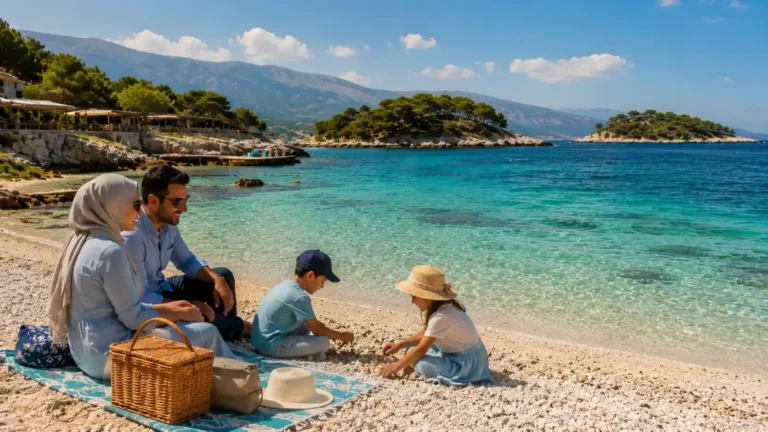
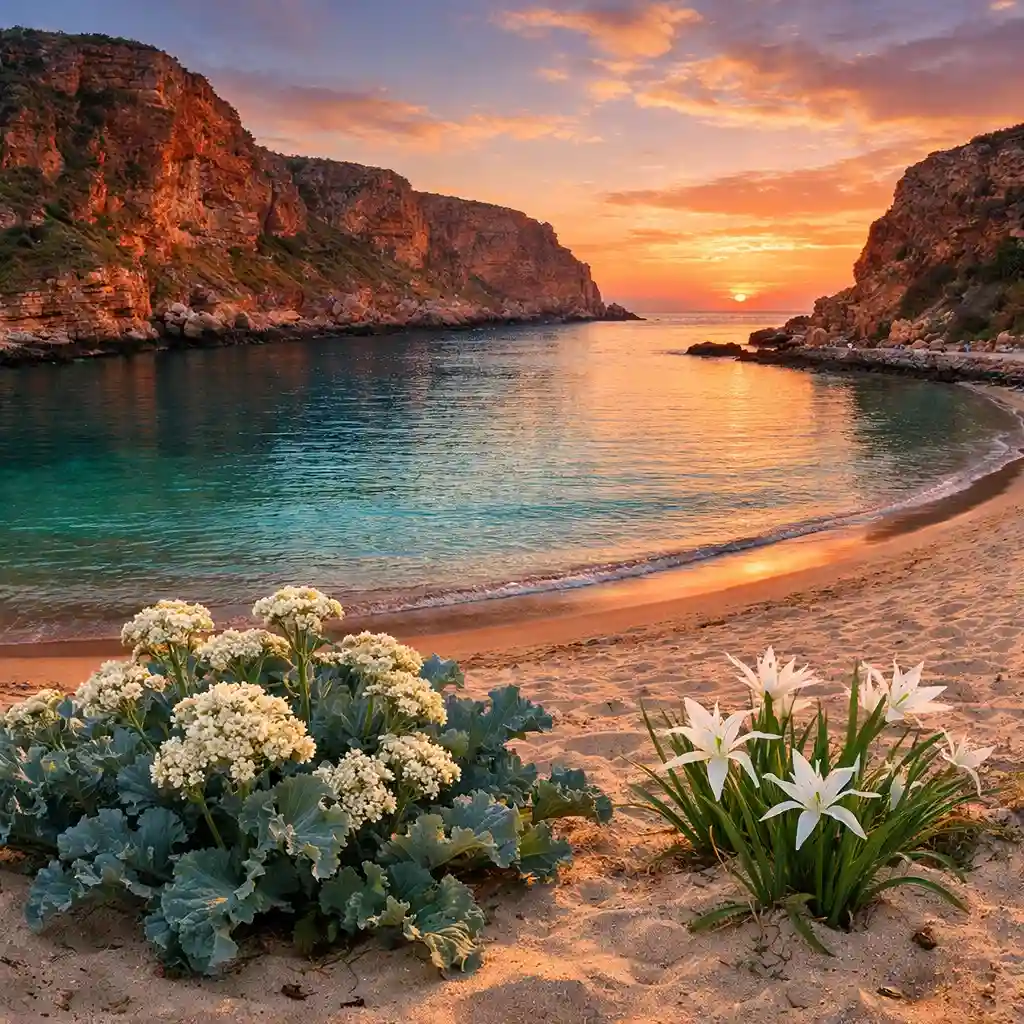
Bolata is a small sandy cove set between reddish cliffs, north of Cape Kaliakra, near the village of Bulgarevo. Its shape protects it from some winds, and the small beach is attractive for photography, birdwatching and a half-day stop. In good summer weather, it can be a popular place rather than a secret, so arrive with a backup plan if access is congested.
Getting there: approach from the Bulgarevo/Kaliakra area by car and follow current local access signs. The final approach and parking arrangements can change, particularly in a protected area. Do not drive onto the beach, wetland edges or vegetation to avoid a busy parking area. Without a car, you would generally need arranged transport from Kavarna or another nearby town.
What to expect: a compact cove rather than a wide serviced resort beach. Bring water and shade, avoid climbing unstable cliff edges, and check whether lifeguard coverage exists on the day. Even a bay that looks sheltered can become unsafe in strong wind or after rough weather.
2. Durankulak — open beaches and a protected lake
Near the Romanian border, Durankulak is a very different coast: long, exposed sands and a nearby lake that matters for migratory birds. It rewards visitors interested in space, nature and quiet walking more than people looking for beach bars or water sports.
Getting there: use Durankulak or Krapets as your navigation base, then confirm which road or legal pedestrian approach reaches the part of the coast you want. Rural road surfaces and seasonal services can vary. A car is far more practical than planning an independent visit from Varna by local bus alone.
What to expect: limited facilities away from the settlements, strong sun and an exposed shoreline. Stay off vegetated dunes and keep your distance from nesting or resting birds. The lake is not a substitute for a designated swimming area. Archaeological remains around Durankulak Lake add interest, but visitor access and organized visits should be checked locally.
3. Tyulenovo and Kamen Bryag — scenery, not a family swimming beach
Tyulenovo is known for sea-carved arches, rocky cliffs and striking coastal viewpoints. Kamen Bryag is associated with Bulgaria’s July Morning sunrise tradition around 1 July. Both make memorable stops for a coastal drive, but the steep rock edges and variable sea conditions are fundamentally different from visiting a sandy beach.
Getting there: drive to the villages and walk on established paths to permitted viewpoints. Keep well back from undermined cliff edges and wear shoes with grip. Do not recommend cave swimming, cliff jumping or entering the water beneath overhangs as routine visitor activities: a calm-looking surface does not reveal all the hazards.
Who should choose it? Photographers, birdwatchers and travelers interested in geological formations. Families wanting a gentle day of swimming should use an appropriately supervised sandy beach instead.
4. Shablenska Tuzla — coastal lagoon and bird habitat
Shablenska Tuzla is a saline lagoon close to Shabla, separated from the Black Sea by dunes and a narrow strip of land. Bulgaria’s Ministry of Tourism describes mineral and therapeutic-mud resources associated with this area, but that does not mean visitors should collect mud, enter restricted wetland sections or self-treat medical conditions.
Getting there: a car from Shabla is the straightforward option. Use existing approach roads and designated visitor paths; avoid driving on dunes or crossing wetland vegetation. The nearby coast and Shabla Lighthouse can make a useful combined nature-and-history outing.
What to expect: birdwatching and a distinct landscape, not a commercial spa. The lagoon’s protected habitat, seasonal restrictions and posted rules matter more than anecdotes about improvised mud baths. For medical therapies, ask a licensed provider rather than following social-media instructions.
The Bulgarian Ministry of Tourism’s description of Shablenska Tuzla is a useful background source.
Central Coast: The Harder-to-Reach Beaches
5. Kara Dere — rewarding but logistically awkward
Kara Dere, near Byala, appeals to travelers looking for undeveloped stretches of beach rather than organized resort facilities. Its main drawback is access: the approach can involve uneven dirt tracks that become particularly difficult after rain. A navigation app showing a line to the beach does not mean the road is suitable for a standard rental car.
Getting there: start from Byala, check current local advice and road conditions, and park only where legal and safe. If the last stretch is unsuitable for your vehicle, do not force it: turn back or complete the permitted approach on foot. Rental-car insurance may exclude unpaved-road damage, and a 4×4 is not permission to drive onto protected sand.
What to expect: pack drinking water, food, sun protection and a way to navigate offline. Do not assume fresh springs are safe to drink untreated, that sanitary facilities exist, or that you can summon a taxi from the beach. An overnight stay requires confirmed legal camping arrangements; visitors simply pitching tents is not proof of permission.
6. Irakli — coastal nature with important restrictions
Irakli is associated with Bulgaria’s environmental movement and is formally recognized as a protected area. Its long natural-looking shoreline is attractive to walkers and beachgoers, but it should not be promoted as an unrestricted camping destination. The Ministry of Tourism describes its ecological value and protected habitats.
Getting there: use the Obzor/Emona area as your approach and follow official signs, access roads and parking areas. The nearby Cape Emine is a separate excursion; do not assume that walking directly along the shore from Irakli is an easy or consistently open shortcut to the lighthouse. The coastal terrain and route restrictions require their own plan.
What to expect: stretches with fewer services than a large resort, although summer conditions and development vary locally. If your main goal is swimming, verify lifeguard coverage and flags. If your main goal is nature, stay on permitted paths and protect dune plants.
For the protection status, see the Bulgarian Ministry of Tourism’s Irakli overview.
Optional car rental for remote coastal access
A rental car helps connect these widely separated stops. Before booking, compare the actual vehicle class, insurance terms, excess, tire coverage and restrictions on unpaved roads through Discover Cars.
South Coast: Forested Bays and Walking-Only Beaches
7. Arkutino — dunes near Ropotamo
Arkutino combines sandy shore, protected dune vegetation and access to the wider Ropotamo landscape. It is a good southern stop for travelers who want a nature-focused beach day without attempting one of the coast’s rougher dirt-track approaches. Be careful not to confuse the beach area with unlimited access to the strict Ropotamo Reserve itself.
Getting there: approach via the main coastal road south of Sozopol and use established beach access and permitted parking. Facilities can be seasonal; a more managed section does not mean you can cross the dunes wherever you like.
Pair it with: a separately booked Ropotamo River boat trip from an authorized departure point, if operating. Wildlife is not guaranteed, and route availability varies. Walk only on marked paths where reserve rules permit access.
8. Lipite — a quiet beach reached on foot
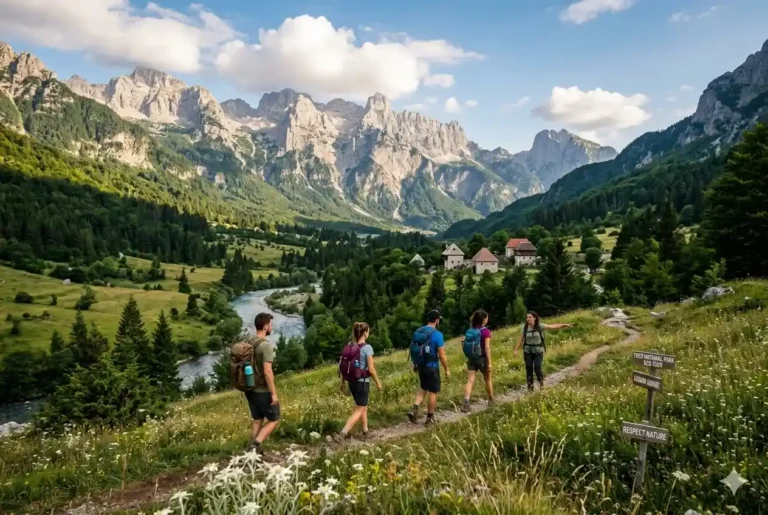
Lipite is one of the best choices for someone staying in Sinemorets who wants a genuine walking-based outing. It lies south of Butamyata Beach and is normally reached along the coastal footpath, not directly by car. Some sources describe a walk of roughly 20–30 minutes from the southern end of Butamyata; allow longer if the path is wet, eroded or unfamiliar.
Getting there: walk to Butamyata, identify the current safe coastal trail and use suitable shoes. Do not assume a route is safe solely because you can see it on a map. Carry your own water and supplies, and leave enough time to return in daylight.
What to expect: a less-developed beach with no dependable lifeguard, café or umbrella service. The photogenic Veleka river-mouth beach is a different location north of Sinemorets. Do not tell visitors to enter or swim through the river mouth to reach Lipite.
9. Listi — for walkers who want more isolation
Continuing beyond Lipite leads toward Listi, a more remote bay on the same stretch of protected coast. This is a better-documented alternative to the poorly specified “Pashaliman” location that sometimes appears in generalized hidden-beach lists. Listi is not a casual detour for someone wearing beach sandals.
Getting there: start from the Sinemorets/Butamyata side and continue on foot beyond Lipite only after checking route conditions. Local information places Listi farther down the coastline; expect a longer outing, rougher footing, less obvious wayfinding and no dependable services. Turn back if the path is unclear or conditions deteriorate.
Best for: confident coastal walkers interested in the scenery, rather than a family beach day. The official Burgas-region Silistar protected-area description locates Lipite within the wider protected coastline.
10. Silistar — a protected bay near Rezovo
Silistar lies south of Sinemorets, off the road toward Rezovo, in a protected coastal landscape associated with Strandzha. Its surrounding forest and curved shore make it a very different experience from a large urban beach. It is relatively accessible by car, however, so it can be busy in high summer and some seasonal services may be present.
Getting there: travel along the Sinemorets–Rezovo road, then follow the signed side approach toward the bay if it is open and passable. The Burgas-region route description notes roughly 5.4 km from the Sinemorets junction to the beach turnoff and about 900 m on the side route; actual access conditions must be checked again on the ground.
What to expect: a scenic bay, possible seasonal facilities and protected habitats. Do not promise that the water stays warm or calm through September, or that diving near rocks and underwater cavities is safe. Observe beach flags, seasonal lifeguard information and any nature-park restrictions.
The Burgas-region Silistar route description provides useful access context.
Guided nature activities are an option
If you prefer a guided experience rather than self-navigating river and reserve access, check the actual meeting point, licensed operator and current program on GetYourGuide.
How to Reach the Hidden Coast Without a Car
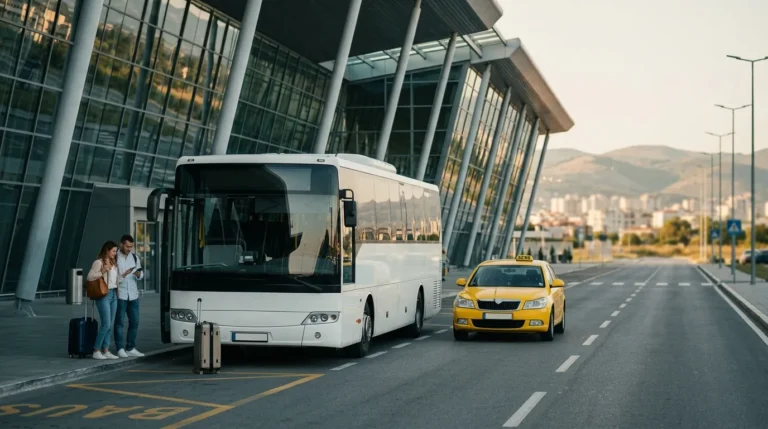
Car-free travel is possible for part of this route, but not as a simple hop-on, hop-off coastal beach circuit. Mainline buses connect larger towns, while the final approach to remote bays often requires a taxi, a local ride arranged through accommodation, or walking. Service frequencies may change outside the high season.
| Your base | Most realistic car-free outings | What still needs checking |
|---|---|---|
| Varna | City beaches and longer-distance transport connections | North-coast village buses and onward taxis |
| Kavarna / Shabla | Selected northern sites with a taxi or lift | Return pickup; rough or protected approaches |
| Byala / Obzor | Nearby developed beaches; possible prearranged Kara Dere transport | Last-mile walk and legal parking |
| Sozopol / Primorsko | Public beach access and organized trips near Ropotamo | Boat departures, reserve access and seasonal service |
| Sinemorets | Butamyata; Lipite on foot; Listi for prepared walkers | Trail condition, return daylight; taxi for Silistar |
For a strict car-free holiday, choose one base and two or three realistic excursions rather than attempting all ten locations. The southern stretch around Sinemorets offers the clearest walking-based choice, while the far north is better suited to a self-drive trip or a private tour with transport already arranged.
Compare coastal accommodation and flight options
For remote beaches, accommodation location can matter as much as the price. You can compare stays and travel options on Trip.com.
A Realistic Seven-Day Road Trip from Varna to Burgas
This is a north-to-south road-trip outline, not a schedule of guaranteed driving times. It assumes a rental car, flexible overnight stops, and that you will skip a beach when weather or protected-area access makes it unsuitable. Finish at Burgas rather than planning an exhausting return to Varna the same evening.
| Day | Practical plan | Overnight idea |
|---|---|---|
| 1 | Arrive in Varna; drive north toward Durankulak; enjoy a daylight coast walk | Krapets / Shabla area |
| 2 | Shablenska Tuzla and Tyulenovo/Kamen Bryag; Bolata if time and access allow | Kavarna / nearby town |
| 3 | Drive south past Varna to Byala; attempt Kara Dere only if the approach is suitable | Byala / Obzor |
| 4 | Irakli beach day; add Emona/Cape Emine only as a separately checked outing | Obzor / Nessebar area |
| 5 | Drive toward Sozopol and Arkutino; book a legal Ropotamo boat trip if operating | Sozopol / Primorsko |
| 6 | Continue south to Sinemorets; walk to Lipite; choose Listi only if fit and prepared | Sinemorets |
| 7 | Silistar beach; optional Rezovo viewpoint; return toward Burgas for overnight/departure | Burgas, or extra night if flight is early |
Do not make Day 7 a flight-day gamble
The drive from the far south to Burgas takes substantial time before adding beach access, detours and airport procedures. If your flight is on Day 7, skip the Silistar/Rezovo outings or move closer to Burgas the previous evening.
If you have only three or four days, split the coast into a northern route from Varna or a southern route from Burgas. Combining both usually produces more driving than beach time. For a broader inland-and-coastal Bulgaria trip, see our seven-day Bulgaria itinerary.
Wild Camping, Protected Areas and Parking: What the Rules Mean
The original appeal of places such as Irakli and Kara Dere is often described as “wild camping culture”. That description must not be mistaken for permission. Bulgaria’s Black Sea coast legislation restricts the placement of tents and vehicles on beaches and dunes, while protected sites may have additional rules. Legally designated temporary camping areas are a separate category.
- Do not pitch a tent on a dune or assume that an undeveloped beach allows overnight camping.
- Do not drive or park on the beach or dune system, even if tire tracks are already visible.
- A beach fire is not a safe default: follow local prohibitions and do not light a fire in protected coastal vegetation or during fire-danger restrictions.
- Use authorized campsites or clearly approved temporary areas. Confirm the current rules with the site operator or municipality before arrival.
- Leave no trace: take all waste out, stay on access paths and avoid disturbing nesting birds or dune plants.
You can read the English Black Sea Coast Spatial Development Act, including provisions on dunes, vehicles and unauthorized camping arrangements. Rules and enforcement can change, so also follow the latest municipal signs.
Swimming Safety and Water Quality: A Crucial Distinction
Water that appears transparent is not necessarily safe for swimming. There are two separate questions: water quality (for example, bacterial monitoring) and immediate sea hazards (waves, currents, rocks, visibility and lifeguard cover). One good result does not guarantee the other.
According to the European Environment Agency’s 2025 bathing-water assessment, published in 2026, 96.9% of Bulgaria’s 96 assessed bathing sites were classified as excellent. That is useful context for monitored locations, but it does not certify every remote bay or predict what the water will be like after heavy rain.
- Favor supervised beaches if traveling with children or anyone who is not a strong swimmer.
- Obey beach flags and local warnings. No flag at a remote beach is not proof that the water is safe.
- Avoid swimming near river mouths, strong outflows, rocks, caves or breaking surf. Currents can be difficult to identify from shore.
- Do not swim alone, at night or during rough conditions. Turn a beach visit into a scenic walk when conditions are poor.
- Check current monitored locations using the EEA bathing-water map, and check current local notices on arrival.
Unsupervised beaches are not recommended swimming spots
Many of these places are better described as coastal nature destinations than safe swimming recommendations. Particularly at Tyulenovo’s cliffs, a photo stop is the sensible default, not cliff jumping or swimming into sea caves.
Best Season and What to Pack
June and September can offer more manageable crowds and pleasant walking weather, although water temperature, rainfall and seasonal businesses vary. July and August bring hotter days and can be busy even at famous “hidden” beaches such as Bolata and Silistar. Outside the summer peak, expect fewer services and less dependable lifeguard coverage.
Pack sturdy shoes for uneven paths, drinking water from a reliable supply, a charged phone with offline maps, sun protection, an extra layer, a reusable bag for waste and a simple first-aid kit. Confirm whether your accommodation can arrange a taxi and save a return contact before setting off. Do not plan around drinking from an untested spring.
Local Food and Places to Stay Without Overcomplicating the Trip
Small coastal towns make excellent bases for nature travel. In the north, check guesthouses in Kavarna, Shabla or Krapets; in the middle, compare Byala and Obzor; in the south, consider Sozopol, Primorsko or Sinemorets. A quiet guesthouse five minutes from a town center may be more practical than a very remote property with no dining options or transport.
Look for local fish and seafood dishes such as grilled turbot, fried scad, mussels or fish soup with devesil (lovage), subject to what the restaurant actually has available. Ask whether seafood is priced by portion or by weight and confirm the price. If tipping, remember it is optional, not a mandatory service fee.
Flights to the Bulgarian coast
Varna (VAR) normally suits northern-coast starts and Burgas (BOJ) generally suits the southern part of this route. Compare airport arrival and baggage costs using WayAway.
Practical Costs and Currency in 2026
Bulgaria adopted the euro on 1 January 2026. Do not prepare for a modern trip by withdrawing Bulgarian lev as suggested in older coastal guides. Take a bank card plus some euro cash for smaller vendors and rural services. Road-trip costs depend strongly on fuel use, rental conditions, accommodation dates, parking arrangements and whether a site offers paid facilities.
Instead of publishing unsupported “typical” room rates for remote villages, request actual prices for your dates and compare the complete cost: transport to the bay, parking where allowed, any optional umbrella rental, food and the price of reaching your next stop. The European Commission confirms the 2026 euro adoption.
Travel insurance for outdoor activities
If you intend to hike in remote areas, compare policy exclusions, medical assistance, evacuation terms and coverage for your specific activities. Policies differ; check details directly through World Nomads.
Frequently Asked Questions
Can I visit all these beaches by public transport?
Not conveniently. Intercity and regional buses can get you near some coastal towns, but many final beach approaches require a taxi, a legal parking point and a walk, or an organized trip. Sinemorets is the clearest base for walking to Lipite, with Listi an extension only for prepared walkers.
Are wild beaches in Bulgaria legal places to camp?
Do not assume so. Beaches, dunes and protected areas have specific restrictions. Use a legal campsite or an officially approved temporary camping location and check the rules before putting up a tent or parking a camper.
Is the Black Sea safe for swimming?
Some monitored swimming beaches have excellent water-quality ratings, but that does not remove immediate dangers from waves, rip currents, river mouths and unguarded rocky areas. Check the day’s flags and warnings, and choose a supervised beach when unsure.
Should I hire a 4×4 for Kara Dere?
Do not book one based only on a generalized recommendation. The first question is whether the road is open, legal to use and compatible with your rental agreement. Sometimes the safest option is to stop at a legal parking area and walk, or skip the trip after rain.
Which beaches work best if I am staying in Sinemorets?
Butamyata is the simplest established beach area; Lipite is a reasonable coastal walk when the path is in good condition; Listi is more demanding. Silistar normally works better with a car or pre-arranged transport. The Veleka river-mouth beach is a separate northern excursion, not part of the trail to Lipite.
What currency does Bulgaria use in 2026?
The euro (EUR), adopted on 1 January 2026. The Bulgarian lev references in older travel material are outdated for spending on this trip.
Official Sources and Useful Checks Before Traveling
- Bulgarian Black Sea Coast Spatial Development Act — dune, camping and vehicle restrictions.
- Bulgarian Ministry of Tourism: Irakli — protected coastal landscape.
- Burgas Green Corridors: Silistar Protected Area — location and conservation.
- European Environment Agency bathing-water map — monitored water quality.
- European Commission: Bulgaria and the euro — currency update.
Final Thoughts: Choose One Part of Bulgaria’s Wild Coast
The best off-the-beaten-path Black Sea beaches in Bulgaria reward careful choices, not a race to visit every name on a list. Bolata offers a photogenic northern cove; Durankulak and Shablenska Tuzla are strong nature-focused outings; Kara Dere and Irakli bring access and conservation challenges; and Lipite, Listi and Silistar show the distinctive forested southern coast.
Pick a base suited to your transport, verify the approach before leaving, respect protected habitats, and be ready to change your plans when the sea is rough. A half-day spent enjoying one reachable, responsibly visited beach is more worthwhile than an overly ambitious itinerary that depends on uncertain roads and unsafe shortcuts.
Editorial fact-check: October 2026. Trail conditions, parking rules, lifeguard staffing, seasonal services and weather may change. Affiliate links in this guide are identified with sponsored link attributes; we may earn a commission without additional cost to you. No first-hand visit is claimed.