10-Day Balkans Itinerary: Serbia, Bosnia & Montenegro (2026)

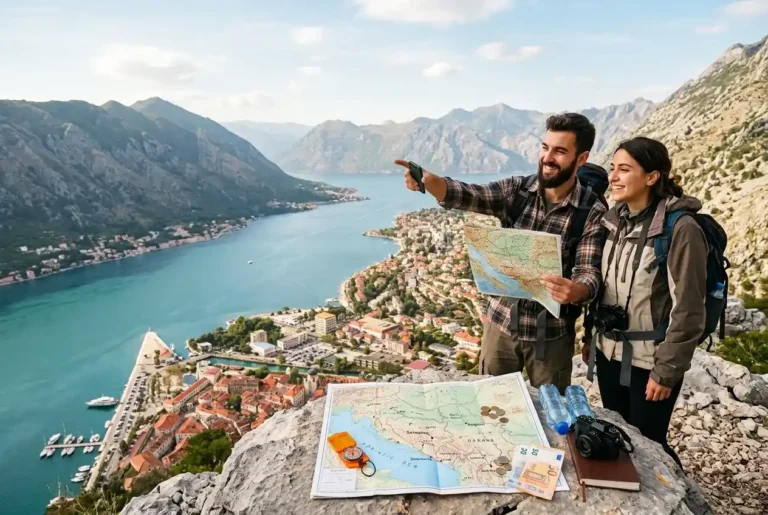
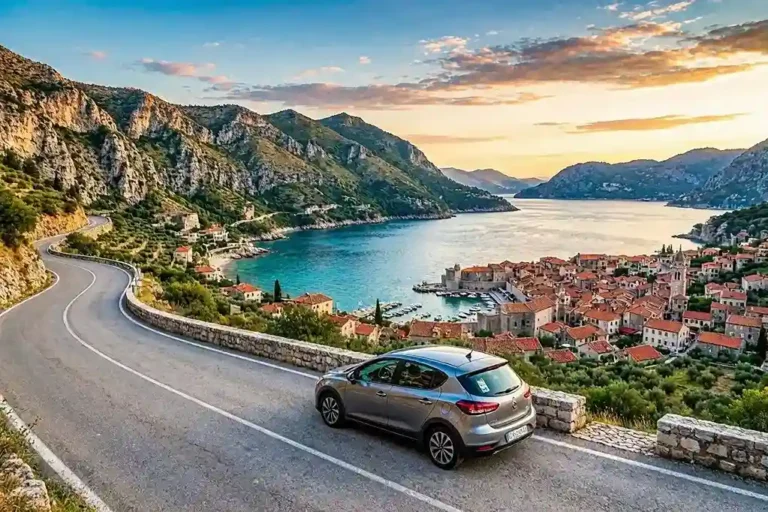
A 10-day Balkans itinerary including Serbia, Bosnia and Montenegro can work well—but only if the three cross-country journeys have a place in your schedule. This north-to-south route starts in Belgrade, continues through Sarajevo and Mostar, and ends beside the Bay of Kotor. It combines city sights with scenic transport and a coastal finish without asking you to spend every day on a bus.
This guide is built for independent travelers, including people using public transport. Driving offers more flexibility for side trips, but a rental car is not required for the main route. The key is to treat Day 3, Day 6 and Day 8 as transfer days, not as full sightseeing days in two cities at once.
Quick answer: what does 10 days actually cover?
Plan for 2 nights in Belgrade, 3 in Sarajevo, 2 in Mostar and 2 in Kotor (nine nights overall). Day 10 is primarily your departure day; a longer visit to Kotor or Budva requires a late flight or an extra night. Check all international departures before booking non-refundable accommodation.
Table of Contents
Your 10-Day Serbia, Bosnia & Montenegro Route at a Glance
Route: Belgrade → Sarajevo → Mostar → Kotor. For the easiest trip, fly into Belgrade (BEG) and out of Tivat (TIV) or Podgorica (TGD), after checking your final airport connection. This is an open-jaw route; returning to Belgrade takes additional time.
| Day | Main plan | Night | Key practical point |
|---|---|---|---|
| 1 | Arrive in Belgrade; Knez Mihailova and Kalemegdan | Belgrade | Allow for your flight and airport transfer |
| 2 | Belgrade: Saint Sava, museum or Zemun | Belgrade | Check tomorrow’s bus station and ticket |
| 3 | Bus or confirmed transfer to Sarajevo | Sarajevo | Leave most of the day for road travel and the border |
| 4 | Sarajevo: Baščaršija, Latin Bridge and a museum | Sarajevo | Walk the historic center |
| 5 | Sarajevo: Trebević or Tunnel of Hope | Sarajevo | Choose by transport, opening hours and interests |
| 6 | Train (if confirmed) or bus to Mostar; Old Bridge | Mostar | Check rail disruptions before relying on a train |
| 7 | Mostar plus Blagaj or a Herzegovina tour | Mostar | Blagaj, Počitelj and Kravica are separate road stops |
| 8 | Mostar → Kotor cross-border transfer | Kotor | Treat as a long travel day |
| 9 | Kotor Old Town and fortress or Perast | Kotor | Choose one main outing, not every bay attraction |
| 10 | Departure; optional short stop if flight timing allows | — | Check Tivat/Podgorica airport transfer first |
The day count assumes arrival in Belgrade on Day 1 and departure from Montenegro on Day 10. If you land late on Day 1 or fly out early on Day 10, you effectively have fewer sightseeing hours. For a slower pace, add two or three nights rather than squeezing in Dubrovnik, Novi Sad or another country.
Why This Route Works—and Where It Can Go Wrong
The cities form a coherent one-way journey through three distinct places: Serbia’s Danube-side capital, Bosnia and Herzegovina’s history-rich urban centers, and Montenegro’s Adriatic coastline. You avoid backtracking, but the international road legs are not short commuter rides. Border formalities, station locations and seasonal timetables matter more than distances on a map.
- Best fit: First-time travelers who enjoy cities, history, food and a few scenic experiences.
- Less suitable: Anyone who wants several all-day hikes, beaches every day or a fully relaxed road trip in just ten days.
- Public transport: Use international buses for Belgrade–Sarajevo and Mostar–Kotor, plus a verified train or bus for Sarajevo–Mostar.
- Driving: Can simplify Herzegovina side trips, but check cross-border permission, one-way drop-off charges, parking and insurance in writing.
Days 1–2: Belgrade, Serbia
Day 1: Old Town, Fortress and an Easy Arrival
After reaching your accommodation, keep the first afternoon walkable. Start on Knez Mihailova, continue through Kalemegdan Park to Belgrade Fortress, and look across the meeting point of the Sava and Danube. For dinner, Skadarlija is convenient if you want a traditional restaurant district; compare menus before sitting down rather than assuming every venue offers the same prices or entertainment.
Belgrade is spread out, and the airport is not in the Old Town. Travelers arriving in the evening should move the fortress visit to Day 2. An early international flight followed by hours of sightseeing is not necessary for the itinerary to work.
Day 2: Saint Sava, Yugoslav History or Zemun
Choose two areas rather than racing around the city. The Temple of Saint Sava and the Museum of Yugoslavia / House of Flowers offer very different perspectives on Belgrade. Alternatively, spend the afternoon in Zemun, walking its streets and riverside promenade; Gardoš is a rewarding viewpoint if you are comfortable with the climb.
For travelers with children, a river promenade and park stops can make a better day than combining multiple museums. If nightlife is a priority, investigate venue hours and return transport rather than assuming the floating river clubs all operate year-round.
Where to stay: The Republic Square / Knez Mihailova area is convenient for walking and food, while other central neighborhoods can offer better-value rooms. Compare a map location and cancellation policy before booking a hotel on Agoda. Your onward bus may leave from New Belgrade, so being close to the Old Town does not mean being close to the bus terminal.
For more neighborhood and sightseeing detail, see our first-time Belgrade itinerary.
Day 3: Belgrade to Sarajevo—Plan This as a Transfer Day
A cross-border bus is the usual practical no-car option. On sample timetables checked in October 2026, direct Belgrade–Sarajevo departures took roughly 6½–9 hours, with fares varying by operator. Delays at the frontier or in traffic can extend the day. Do not attach an important Sarajevo museum reservation to your arrival time.
The two bus-station details that matter
- Belgrade departure: The Belgrade main bus station (BAS) moved to Block 42 in New Belgrade in September 2024. Check the exact platform, departure point and any station access procedure on your ticket; do not go to the former central location.
- Sarajevo arrival: Some direct routes finish at East Sarajevo Bus Station (Lukavica), not Sarajevo’s main bus station. Check which is shown on your booking and plan an onward local connection or taxi to Baščaršija.
- Tickets: Compare routes on Polazak or with the relevant carrier. A listing is not proof of a seat until the operator confirms the ticket; baggage or station fees may be additional.
- Door-to-door vans: Private or shared transfers may be available, but availability, pickup location, duration and price must be confirmed directly. Do not rely on the original article’s blanket “5-hour shared van” claim.
One detail that can change your hotel check-in
If the ticket says East Sarajevo, do not navigate to the central railway/bus station by mistake. Send the actual arrival stop to your accommodation, especially for late arrivals, so they can suggest the appropriate onward transport.
Official station background: Belgrade Bus Station (BAS). Example bus listings: Polazak schedules. Spend the evening near Baščaršija only if you arrive early enough.
Days 4–5: Sarajevo, Bosnia and Herzegovina
Day 4: Baščaršija, the Latin Bridge and a Museum
Keep the first full Sarajevo day mostly walkable. Begin at Baščaršija and the Sebilj fountain, then continue past the Gazi Husrev-beg Mosque and the Austro-Hungarian streets toward the Latin Bridge. This bridge is associated with the 1914 assassination of Archduke Franz Ferdinand. Take time to visit a museum or exhibition for historical context rather than turning the event into a photo stop.
Consider the War Childhood Museum or another documented history site that matches your interests. Religious buildings may have visitor hours and dress rules; verify access and dress respectfully. Bosnian coffee, burek and ćevapi can fit naturally into a slower day without adding a lengthy food tour.
Day 5: Choose Trebević or the Tunnel of Hope
Option A — Trebević: The Sarajevo Cable Car carries visitors uphill when operating. The historic bobsleigh track is not a managed amusement attraction; surfaces can be uneven and slippery, and some parts are exposed. Visit in daylight and stay on routes you are comfortable navigating. Check the cable-car operator website for the current schedule; published hours differ by day and can change.
Option B — Tunnel of Hope: The tunnel museum is near the airport and away from the central sightseeing area. It needs a deliberate local-transport or guided-tour plan. Check its current entrance and access information before allocating a half-day. These two options do not need to be squeezed into the same afternoon.
Families or travelers who prefer lighter walking can stay in central Sarajevo for a museum and riverfront afternoon instead. The aim is to have a memorable city day, not to complete every popular attraction.
Day 6: Sarajevo to Mostar—Scenic Rail If It Is Running
The Neretva Valley is one of the route’s strongest travel experiences. A confirmed Sarajevo–Mostar passenger train usually takes around two hours and reaches Mostar near the East bus station. However, the operator suspended service on this corridor in September 2026 and subsequently announced specific limited operations on 9–11 October. That announcement alone does not establish daily service on later dates.
For this reason, first check ŽFBH (Federation of Bosnia and Herzegovina Railways) for the train’s actual operating status on your travel date. Its website also reported that online ticket sales were unavailable at the time of the October 2026 check. Confirm ticket purchase at the station and keep an intercity bus as your backup if the train is cancelled or does not suit your schedule.
Read the detailed Sarajevo to Mostar train guide for the dated operator notices, station advice and bus alternatives. Do not book a same-hour onward cross-border connection out of Mostar.
Arriving in Mostar
Mostar railway station is near the East bus station. The Old Bridge area is normally a walk of around 15–25 minutes, depending on your lodging and pace. Expect cobblestones and some uneven surfaces around the historic center; use a taxi if needed with heavy luggage or limited mobility.
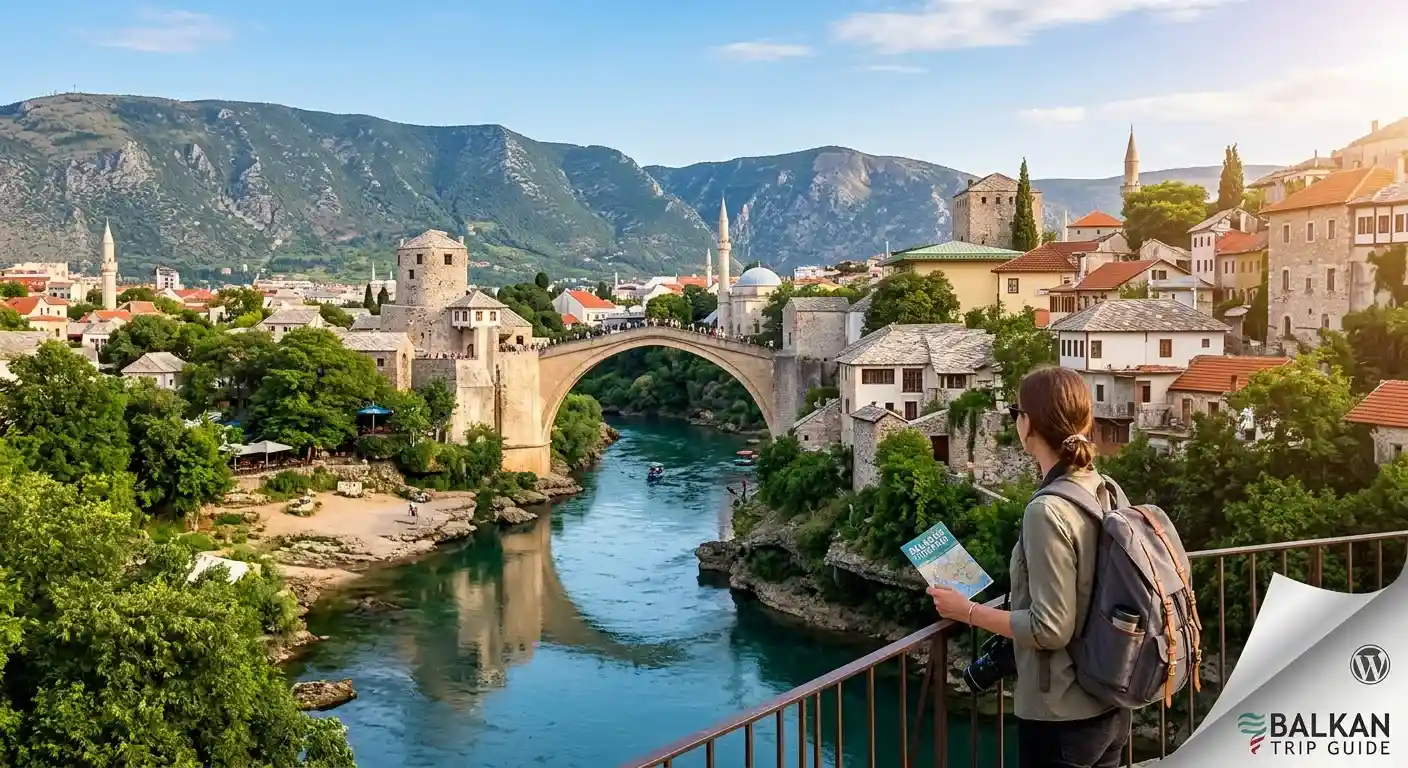
After check-in, explore Stari Most (Old Bridge), the lanes of Kujundžiluk and a riverside viewpoint. If professional bridge divers are active, watch from a safe public area without expecting or attempting to jump yourself. The reconstructed bridge and surrounding old town have UNESCO World Heritage status.
Day 7: Mostar and Herzegovina Without an Unrealistic Detour
Use the morning for Mostar if yesterday’s train or bus arrived late. Visit the Old Bazaar, a museum or a mosque viewpoint only when open, and leave space for a meal. Then decide whether you really want a separate excursion.
Two sensible ways to use this day
- Easy-going option: Stay in Mostar longer and travel to Blagaj if you can confirm suitable local onward transport or arrange a return taxi. The tekke and Buna spring are separate from central Mostar; do not expect to walk there from the Old Bridge.
- Longer road-tour option: Join a small-group or private excursion that specifically lists Blagaj, Počitelj and Kravica Waterfalls. These are not consecutive public bus stops on a simple loop, and tour pickup, entry fees and seasonal openings vary.
- Driving option: A rental car makes multi-stop sightseeing more flexible, but a one-day hire must still allow for collection, fuel, parking and drop-off. Never assume access, swimming or water activities at Kravica are permitted on your particular date.
If you are adding a car for this section, compare operators and insurance conditions at Discover Cars, and confirm whether a cross-border drive or international drop-off is allowed before payment. You can complete the main ten-day itinerary without hiring a vehicle.
Day 8: Mostar to Kotor—Your Second Major Border Travel Day
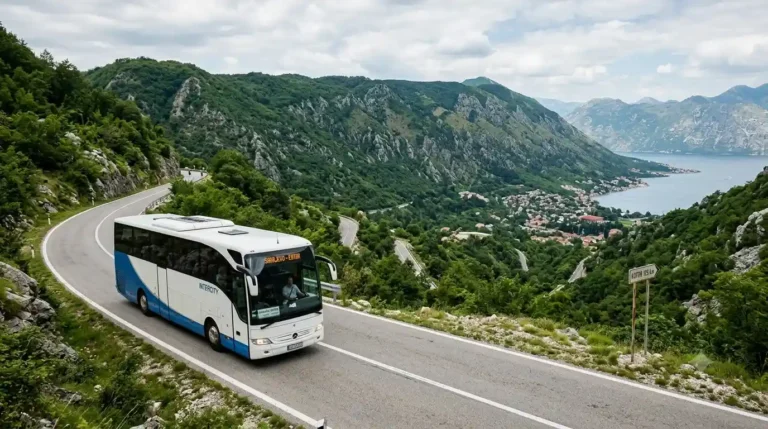
This journey is a significant piece of the holiday, not a quick coastal hop. Published listings in October 2026 showed different direct services taking about 5¾ hours or as long as nine hours, depending on the operator and route. Some are available only on certain dates or with different departure points, so the original claim that there is always a daily 5–6-hour bus was too confident.
Before buying the Mostar–Kotor ticket
- Confirm the starting station: Mostar has East and West bus stations. Your ticket must show the departure stop; the East terminal is by the railway station.
- Confirm the arrival: Kotor’s main intercity bus station is in the Škaljari area outside the Old Town walls. Allow time to walk or take a taxi with luggage.
- Verify date and timing: Compare the specific service on BusTicket4.me and Polazak. Timetable aggregators may disagree, and a listed service may not be available for your chosen date.
- Check the route and border: Some itineraries involve winding inland roads or other stops. Passport checks, luggage handling and heavy summer traffic can delay arrival.
- Have a fallback: If there is no suitable direct bus, ask about a vetted private transfer or a connection via a larger hub. Do not invent a guaranteed change in Trebinje or Dubrovnik without confirming both legs.
What to do after arriving in Kotor
After a long international bus journey, a short Old Town walk and dinner are enough. Save the fortress climb, Perast or a boat trip for the next day. Do not schedule a non-refundable activity immediately after your bus.
As you cross into Montenegro, check your mobile plan: Serbia, Bosnia and Montenegro are not covered by EU-wide roaming rules in the same way as EU destinations. A suitable regional plan from Airalo may help, but confirm that all three countries are included before purchasing or activating it.
Days 9–10: Kotor and the Bay—With an Honest Departure Plan
Day 9: Choose Kotor Old Town and the Fortress, or Perast
Kotor option: Explore the medieval Old Town, Saint Tryphon Cathedral and the waterfront. The climb toward San Giovanni / Saint John Fortress involves roughly 1,350 steep, often slippery stone steps and considerable elevation. In warm weather start early, carry water and check the ticketed access rules and opening hours locally. If the weather is poor or mobility is limited, stay with lower-level sights.
Perast option: Enjoy a slower bay excursion, with Perast’s historic waterfront and possibly the boat crossing to Our Lady of the Rocks when operating. Check the return bus or agreed boat pickup before leaving Kotor. Perast and the Blue Cave are in different parts of the bay; do not treat them as a guaranteed single short public-transport trip.
If you want the Blue Cave, evaluate a separately scheduled boat tour. Conditions at sea may cancel or modify stops, and swimming is not guaranteed. Compare departure point, trip length and cancellation rules on GetYourGuide rather than relying on a generic “sells out every day” promise.
For a full walking plan, see One Day in Kotor; for Perast and other alternatives see day trips from Kotor without a car.
Day 10: Fly Home, or Take One Short Optional Outing
This is a departure day in a true ten-day itinerary. If you leave from Tivat Airport, check the door-to-door transfer and allow for traffic. If you leave from Podgorica Airport, the transfer is longer and may involve a change if you use public transport. There is no reason to promise a direct airport shuttle from Kotor without confirming it.
Only with a late flight and a reliable baggage plan should you consider a short local outing. A visit to Budva is possible by bus when connections suit your flight, but add time for the onward airport transfer and road traffic. Driving up the Lovćen serpentine is a separate road excursion—not a casual add-on before flying.
Best Time to Visit This Balkans Route
Late May, June and September can be practical months for mixing city walking with Montenegro’s coast, although rain and heat can still affect individual days. July and August bring stronger demand, possible heat in Belgrade and Mostar, and more road congestion around Kotor. Book key transport and central rooms earlier in peak season.
For October through spring, check shorter daylight hours, ferry or boat availability and possible changes to attraction hours. Sarajevo can be much colder than the coast. There is no single season in which every train, road trip, cable car or boat activity is guaranteed to operate.
Transport Comparison: Bus, Train, Transfer or Rental Car?
| Leg | Practical choice | Approximate planning time | Biggest check |
|---|---|---|---|
| Belgrade → Sarajevo | Intercity bus | Around 6½–9 hours on sampled 2026 listings | Belgrade Block 42; East Sarajevo vs main city station |
| Sarajevo → Mostar | Train if operating, otherwise bus | Train about 2 hours; bus often about 2½–3½ hours | Official late-2026 rail disruptions and current ticketing |
| Mostar → Kotor | Date-specific cross-border bus | Published examples vary from about 5¾ to 9 hours | Which Mostar station, service date and border time |
| Kotor → airport | Taxi/private transfer or verified public connection | Varies considerably by airport and route | Your actual flight, pickup and luggage |
Price caveat: These are planning durations based on sampled published services, not guaranteed scheduled journeys. For the Serbia–Bosnia leg, sample listings on 13 October 2026 were around RSD 3,000–3,864 one-way, before any extras. We did not verify one consistent bookable price for all three legs, so do not multiply a generic “€10–25 per bus” estimate across this route.
What changes if you rent a car?
A car lets you stop in places such as Konjic, Počitelj or Lovćen, but it also brings city parking, border paperwork, road tolls, one-way rental charges and possible restrictions on taking the vehicle between countries. Written permission from your rental supplier and valid cross-border motor insurance are essential checks. A specific paper “Green Card” is not universally required for every car and border; the paperwork depends on the vehicle’s registration and applicable insurance arrangements. Ask the insurer and rental company exactly what documents apply to your itinerary.
Borders, Visas and Documents in 2026
Serbia, Bosnia and Herzegovina, and Montenegro have separate entry rules. This itinerary crosses two international borders; it does not become a Schengen journey merely because the countries are in Europe. The visa rights of one traveler cannot be generalized to everyone else.
- Check each passport separately: Rules depend on nationality, document type, travel history and visa or residence permits. UK or US visa-free examples do not establish eligibility for all visitors.
- Passport validity: Do not publish a universal “six months for all three countries” rule. For example, Bosnia’s government states at least three months beyond intended departure and issue within the past ten years for relevant passport entries. Check the specific authorities for the other two countries.
- Border timing: Crossings can be quick or delayed. An advertised 1–3-hour wait is not a reliable prediction; protect your airport and train connections with buffers.
- Accommodation registration: Check whether your host handles the required visitor registration in each country. Hotels often do, but confirm if using private accommodation.
- Physical documents: Carry your valid travel document and required visas, not only a phone photo. Keep a digital backup for emergencies; a photocopy does not replace a passport.
Verify entry requirements with the Serbian Ministry of Foreign Affairs, the Bosnia and Herzegovina Ministry of Security and Government of Montenegro’s visa information before buying tickets. If passing through Croatia as an alternative route, verify its separate EU/Schengen entry rules as well.
How Much Does a 10-Day Serbia–Bosnia–Montenegro Trip Cost?
A single “realistic total” for every traveler would be misleading because Kotor accommodation and cross-border transportation vary sharply with the month. The following is a planning scenario per person for nine nights, not a live hotel quotation. Budget assumes a dorm or simple room, shared/local transport and limited paid sightseeing. Mid-range assumes one person paying for private rooms; two people sharing may pay less per person.
| Cost item | Budget scenario (€) | Mid-range solo scenario (€) |
|---|---|---|
| 9 nights accommodation | 225–405 | 495–945 |
| 10 days food / drinks | 150–250 | 250–450 |
| All ground transport incl. local and intercity | 90–160 | 100–240 |
| Attractions and optional activities | 60–130 | 100–240 |
| Indicative total | 525–945 | 945–1,875 |
These sums are arithmetic examples, not verified market-price ranges. They exclude international flights, visas, travel insurance, unexpected taxis and major shopping. If you choose private transfers, several paid excursions or summer rooms inside Kotor Old Town, budget more. A daily breakdown from a different Balkan country would not be a reliable substitute.
Currencies and Payment Tips
- Serbia: Serbian dinar (RSD). Keep some small cash for services that do not take cards.
- Bosnia and Herzegovina: Convertible mark (BAM/KM), fixed at 1 EUR = 1.95583 BAM under the central bank’s currency board. Do not describe this official peg as an informal or drifting exchange rate.
- Montenegro: Euro (EUR), although Montenegro is not an EU member. Payment availability depends on the business.
The Central Bank of Bosnia and Herzegovina publishes the currency peg. For variable dinar or home-currency conversion, use XE as a reference and check your bank’s actual fees. Some payment terminals offer dynamic currency conversion; reviewing the rate and choosing the local currency when appropriate can avoid an unfavorable conversion.
Accommodation, Booking Order and Practical Travel Tips
Book the difficult parts before the easy parts
- First: Search Belgrade–Sarajevo and Mostar–Kotor departures for the dates you actually want; either can determine a hotel night.
- Second: Check Sarajevo–Mostar rail operation, not just its printed schedule. Keep a workable bus alternative.
- Third: Reserve accommodation in Belgrade, Sarajevo, Mostar and Kotor near useful transit/Old Town areas—not based only on the lowest advertised nightly rate.
- Fourth: Book optional Herzegovina tours or Kotor boat trips only after your main transfers are workable. Review cancellation rules and pickup locations.
- Finally: Plan the final Kotor-to-airport transfer using your flight time and baggage allowance.
Practical packing and safety
Pack walking shoes with grip for polished Old Town stone and Kotor’s steep fortifications, a light rain layer, sun protection, a water bottle and a charged power bank. Download offline maps, accommodation addresses and ticket details before each border transfer. Avoid promising that any public fountain has safe drinking water without current local confirmation.
Travel insurance should match the activities you intend to do and cover all three countries. You can check terms with EKTA Insurance, but confirm exclusions, medical coverage, cancellation conditions and any hiking or water-activity requirements directly with the insurer.
A better choice for a tight schedule
If you have only seven days, compare our seven-day Bosnia and Montenegro bus itinerary. If you want many more destinations, see our multi-length Balkans itinerary without a car. This page is specifically for a ten-day Serbia → Bosnia → Montenegro route.
Frequently Asked Questions
Can I do this 10-day Balkans itinerary without a car?
Yes. Use buses for the international transfers, a confirmed train or bus to Mostar, and walking or occasional local transport in the cities. A road tour helps with the less-connected Herzegovina sights, but it is optional.
Is Belgrade to Sarajevo a direct bus?
Direct services appear in sampled 2026 listings, but not every operator uses the same hours or Sarajevo arrival station. Search your date and check whether you arrive at East Sarajevo or the city’s main bus station.
Is the Sarajevo to Mostar train running every day?
Do not assume so. The September 2026 interruption and date-specific October service notices make it especially important to check with ŽFBH before purchasing accommodation or a connecting ticket. Bus service is the practical backup.
Can I include Blagaj, Počitelj and Kravica in one day?
Yes with a suitable organized road tour or private car when attractions and access are operating, but not as a simple series of train stops. Check the actual included sites, fees and time spent at each location.
Can I visit both Perast and the Blue Cave on Day 9?
Some commercial boat itineraries combine several bay sites, but this depends on the provider and sea conditions. A public-bus visit to Perast is a different plan from a speedboat tour to the Blue Cave. Prioritize one confirmed option rather than assuming both are feasible.
Sources and When This Guide Was Checked
Travel-information check: 13 October 2026. The key transport and entry information was cross-checked against current operator information and official government websites. Recheck all services for your actual departure date, especially rail operations, seasonal boat trips, road connections and border requirements.
- Belgrade bus station move to Block 42: BAS and City of Belgrade report.
- International bus examples and route variation: Polazak and BusTicket4.me Mostar–Kotor.
- Sarajevo–Mostar train service notices: ŽFBH official website; the detailed dates are also documented in our rail guide.
- Entry requirements: Serbia MFA, Bosnia Ministry of Security, Montenegro government.
- Currency peg: Central Bank of Bosnia and Herzegovina; Trebević cable car: operator website.
Final Thoughts: A Realistic Ten Days Across Three Countries
This 10-day Balkans itinerary including Serbia, Bosnia and Montenegro is strongest when you keep the route focused: Belgrade for city life, Sarajevo for layered history, Mostar for its bridge and Herzegovinian landscapes, and Kotor for a calm coastal finish. Each is worthwhile, but the long bus journeys deserve their own days.
Confirm the Belgrade and Sarajevo bus terminals, verify the train before relying on it, and check exactly which Mostar–Kotor service you can take. Then spend the time you save enjoying the places, instead of rebuilding the schedule at a bus station. If your flight home leaves Kotor on Day 10, keep that day light—and add nights if you want to see more of Montenegro.
Plan the route before you book
Choose the three key transport days first, then place your nine hotel nights around them. This keeps the Serbia–Bosnia–Montenegro journey manageable.