Traditional Balkan Food Guide: Discover the Authentic Flavors of the Balkans

If you’re searching for a complete traditional Balkan food guide, you’ve come to the right place. The Balkan Peninsula is one of Europe’s most fascinating culinary regions, where centuries of cultural exchange have created a rich and diverse food heritage. From smoky grilled meats and savory pastries to fresh salads and irresistible desserts, Balkan cuisine offers a unique blend of Mediterranean, Ottoman, Central European, and Slavic influences.
Whether you’re planning a trip to the Balkans, exploring international cuisines, or simply looking for new dishes to try at home, this guide will help you understand the flavors, ingredients, and traditions that define authentic Balkan food.
Quick Summary
- Balkan cuisine combines influences from Turkey, Greece, Austria-Hungary, and Slavic cultures.
- Grilled meats, pastries, dairy products, fresh vegetables, and hearty stews are staples.
- Popular dishes include Ćevapi, Burek, Sarma, Shopska Salad, and Pljeskavica.
- Each Balkan country adds its own unique twist to traditional recipes.
- Food plays a central role in family gatherings and celebrations.
What Is Balkan Cuisine?
Balkan cuisine refers to the traditional foods found across Southeastern Europe, including countries such as Serbia, Bosnia and Herzegovina, Montenegro, Albania, North Macedonia, Croatia, Bulgaria, Romania, Slovenia, Greece, and Kosovo. While each nation has distinct culinary traditions, many dishes are shared across borders.
The region’s strategic location has made it a crossroads of civilizations for centuries. As a result, Balkan food reflects a remarkable mixture of cultural influences. Ottoman rule introduced dishes such as burek and baklava, while Mediterranean traditions contributed olive oil, seafood, and fresh vegetables. Central European influences brought hearty stews and meat-based specialties.
The Key Ingredients in Traditional Balkan Food
Understanding the ingredients commonly used throughout the Balkans helps explain why the cuisine is so distinctive.
1. Meat
Meat is central to many Balkan dishes. Beef, lamb, pork, and chicken are frequently grilled, roasted, or slow-cooked. Traditional recipes often focus on simple seasoning to allow the natural flavor of the meat to shine.
- Beef
- Lamb
- Pork
- Chicken
- Sausages
- Smoked meats
2. Dairy Products
Dairy plays a significant role in Balkan cuisine. White cheeses similar to feta, yogurt, kajmak, and sour cream are commonly used in both savory and sweet dishes.
Kajmak, a creamy dairy product popular in Serbia, Bosnia, and Montenegro, is often served alongside grilled meats and fresh bread.
3. Fresh Vegetables
The Balkans enjoy a favorable climate that produces abundant vegetables throughout the year. Tomatoes, cucumbers, peppers, onions, cabbage, and eggplants appear regularly in traditional meals.
4. Bread and Pastry
Bread accompanies almost every meal. Traditional bakeries prepare various pastries filled with cheese, spinach, potatoes, or meat. These pastries remain an important part of daily life throughout the region.
Most Popular Traditional Balkan Dishes
Ćevapi (Ćevapčići)
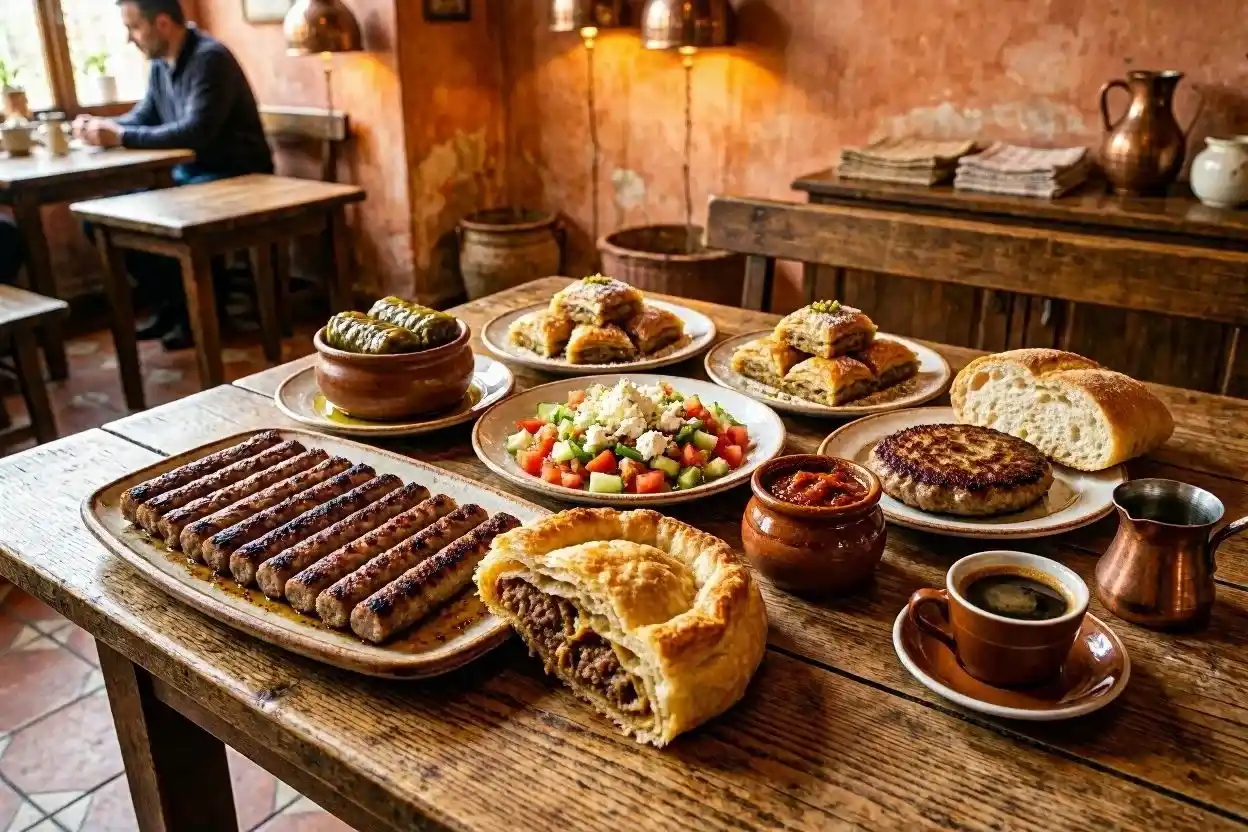
No traditional Balkan food guide would be complete without mentioning ćevapi. These small grilled minced meat sausages are among the region’s most beloved dishes.
Typically made from a blend of beef and lamb, ćevapi are served inside flatbread and accompanied by chopped onions, kajmak, and ajvar, a roasted red pepper spread.
Bosnia and Herzegovina is especially famous for its version, though you’ll find excellent variations throughout the Balkans.
Burek
Burek is a flaky pastry made from thin layers of dough and filled with meat, cheese, spinach, or potatoes. Originally influenced by Ottoman cuisine, it has become a staple across the Balkan Peninsula.
Many locals enjoy burek for breakfast alongside yogurt. Its crispy exterior and rich filling make it one of the most satisfying traditional foods in the region.
Pljeskavica
Often described as the Balkan burger, pljeskavica is a large grilled meat patty prepared using a mixture of minced meats and spices. It is commonly served with onions, ajvar, kajmak, and fresh bread.
While comparisons to hamburgers are common, pljeskavica offers a distinctly Balkan flavor profile and cooking style.
Sarma
Sarma consists of cabbage leaves stuffed with minced meat, rice, and seasonings. The rolls are slowly cooked, allowing the flavors to blend together beautifully.
This comforting dish is particularly popular during winter months and holiday celebrations. Families often pass down sarma recipes through generations.
Moussaka
Although many travelers associate moussaka primarily with Greece, variations can be found across several Balkan countries. The dish typically features layers of potatoes or eggplants combined with seasoned meat and baked until golden.
Different regions adapt the recipe according to local ingredients and traditions.
Traditional Balkan Salads and Vegetable Dishes
While grilled meats often receive most of the attention, fresh vegetables are equally important in Balkan cuisine. Thanks to fertile farmland and favorable weather conditions, local markets are filled with seasonal produce that forms the foundation of many traditional dishes.
Shopska Salad
One of the most recognizable salads in the region is Shopska Salad. Originating in Bulgaria but enjoyed throughout the Balkans, this refreshing dish combines tomatoes, cucumbers, onions, peppers, and grated white cheese.
The ingredients are simple, but their freshness creates a vibrant and flavorful side dish that pairs perfectly with grilled meats and traditional bread.
- Fresh tomatoes
- Cucumbers
- Green peppers
- Onions
- White brined cheese
- Olive oil dressing
Ajvar
Ajvar is not exactly a salad, but it deserves a place in every traditional Balkan food guide. This famous roasted red pepper spread is a staple condiment throughout Serbia, North Macedonia, Bosnia, and neighboring countries.
Prepared from roasted peppers and sometimes eggplants, ajvar can be mild or spicy. It is commonly served alongside grilled meats, sandwiches, and bread.
Roasted Peppers and Eggplant Dishes
Roasted vegetables are a cornerstone of Balkan cooking. Peppers and eggplants are grilled over open flames, creating smoky flavors that enhance many traditional recipes.
These vegetables may be served as side dishes, transformed into spreads, or incorporated into larger meals.
Traditional Balkan Soups and Stews
Balkan cuisine includes numerous soups and stews designed to provide warmth and nourishment. These dishes often use locally sourced ingredients and long cooking times to develop deep flavors.
Bean Soup (Pasulj)
Pasulj is one of the most common traditional dishes found across the Balkans. This hearty bean soup is typically prepared with smoked meats, onions, carrots, and spices.
It is affordable, filling, and deeply connected to rural culinary traditions.
Fish Soup
In coastal regions and along major rivers, fish soup plays an important role in local cuisine. Recipes vary significantly depending on geography, with freshwater and saltwater fish used in different areas.
Goulash-Style Stews
Influenced by Central European traditions, rich meat stews are popular throughout Croatia, Serbia, and neighboring countries. Slow-cooked beef, paprika, onions, and vegetables create comforting meals ideal for colder months.
Traditional Balkan Breakfast Foods
Breakfast in the Balkans is often more substantial than what many travelers expect. Rather than sugary cereals or pastries alone, traditional breakfasts feature savory dishes packed with flavor.
Burek and Yogurt
One of the most iconic Balkan breakfasts consists of freshly baked burek served with drinkable yogurt. This combination remains a favorite among locals for its balance of richness and freshness.
Homemade Bread with Cheese
Fresh bread paired with white cheese, tomatoes, cucumbers, and cured meats is another common morning meal. The ingredients are simple yet highly satisfying.
Proja
Proja is a traditional cornbread especially popular in Serbia and parts of Bosnia. It is often served with cheese, yogurt, or savory spreads.
Traditional Balkan Street Food
Exploring local street food is one of the best ways to experience authentic Balkan culture. Street vendors serve affordable meals that reflect regional traditions and local ingredients.
Ćevapi Sandwiches
Perhaps the most famous Balkan street food, ćevapi sandwiches are sold everywhere from city centers to roadside grills. Freshly cooked meat is placed inside soft flatbread and topped with onions and sauces.
Burek from Local Bakeries
Bakeries are essential parts of daily life across the Balkans. Locals often stop by early in the morning or during lunch breaks to buy hot burek straight from the oven.
Grilled Corn and Roasted Chestnuts
Seasonal street snacks such as grilled corn and roasted chestnuts are common in many cities, particularly during festivals and colder months.
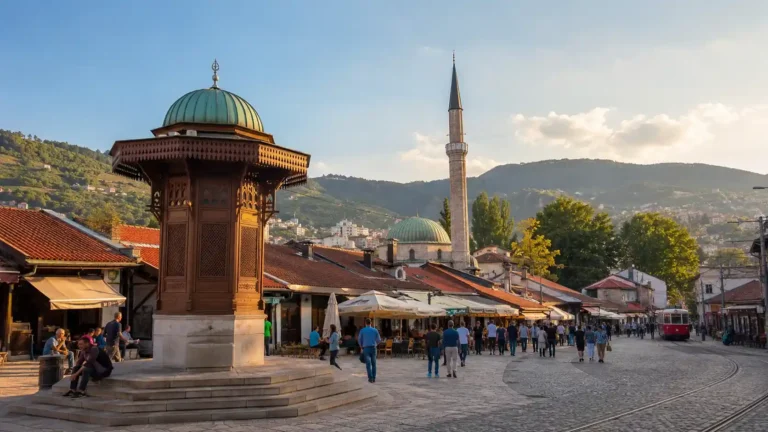
One of the best ways to understand Balkan cuisine is to experience it where locals actually shop and eat. Travelers visiting Bosnia and Herzegovina can check this Sarajevo City Market and Old Town food tasting tour on GetYourGuide, which includes local market stops and tastings of traditional foods such as Bosnian pies, somun, ćevapi, baklava and Bosnian coffee.
Seafood Traditions Along the Balkan Coast
While meat dominates inland regions, coastal areas offer an entirely different culinary experience. Countries bordering the Adriatic Sea enjoy access to fresh seafood that reflects Mediterranean influences.
Grilled Fish
Simple grilled fish seasoned with olive oil, herbs, and lemon is a classic dish along the coasts of Croatia and Montenegro. The emphasis is on freshness rather than heavy seasoning.
Black Risotto
Popular along the Adriatic coast, black risotto is made using cuttlefish or squid ink. The result is a rich seafood dish with a striking appearance and intense flavor.
Octopus and Shellfish Dishes
Traditional coastal restaurants frequently serve octopus salads, mussels, shrimp, and other seafood specialties. These dishes highlight the region’s maritime heritage and Mediterranean culinary connections.
For travelers exploring both inland and coastal areas, experiencing the contrast between meat-heavy and seafood-focused Balkan cuisine is part of the adventure.
Traditional Balkan Desserts You Must Try
No traditional Balkan food guide would be complete without exploring the region’s delicious desserts. Balkan sweets reflect centuries of Ottoman, Mediterranean, and Central European influences, resulting in a diverse selection of pastries, cakes, and syrup-based treats.
Baklava
Baklava is one of the most famous desserts across the Balkans. Made from layers of thin pastry filled with chopped nuts and soaked in sweet syrup, it is often served during holidays, weddings, and family celebrations.
Although recipes vary by country and household, the combination of flaky pastry and rich sweetness remains a defining characteristic.
Tulumba
Tulumba consists of deep-fried dough soaked in syrup. Its crispy exterior and soft interior make it a popular dessert throughout Bosnia, Serbia, North Macedonia, and other Balkan countries.
Palacinke
Palacinke are thin pancakes similar to French crêpes. They can be filled with chocolate spread, jam, nuts, fruit, or sweet cheese.
These versatile treats are enjoyed as desserts, snacks, and even special breakfast dishes.
Hurmašice
A beloved Bosnian dessert, hurmašice are small syrup-soaked cookies with a soft texture and rich flavor. They are frequently prepared for family gatherings and festive occasions.
Traditional Balkan Drinks
Food and drink are closely connected in Balkan culture. Whether sharing coffee with friends or enjoying homemade fruit brandy with family, beverages play an important role in hospitality and social traditions.
Turkish-Style Coffee
Coffee culture is deeply rooted throughout the Balkans. Traditional coffee is prepared in a small pot known as a džezva and served unfiltered in small cups.
Drinking coffee is often a social ritual rather than a quick morning habit. Conversations can last for hours while enjoying a single cup.
Rakija
Rakija is a traditional fruit brandy widely consumed throughout the Balkans. It can be made from plums, grapes, apricots, pears, or other fruits.
Many families produce their own homemade versions using recipes passed down through generations.
Ayran and Yogurt Drinks
Refreshing yogurt-based beverages are particularly popular during hot summer months. These drinks pair exceptionally well with savory pastries and grilled dishes.
Food Traditions and Dining Culture in the Balkans
To fully understand Balkan cuisine, it’s important to appreciate the cultural traditions surrounding food. Meals are often viewed as opportunities to strengthen relationships and celebrate community.
Family Gatherings
Large family meals remain an important part of daily life. Weekends, holidays, and special occasions often bring multiple generations together around a shared table.
Hosts typically prepare generous portions, and guests are encouraged to eat well and try multiple dishes.
Hospitality
Hospitality is a core value throughout the Balkans. Visitors are commonly offered food, coffee, or drinks shortly after arriving at someone’s home.
Refusing hospitality may sometimes be viewed as impolite, highlighting the importance of food in social interactions.
Seasonal Cooking
Traditional Balkan cooking relies heavily on seasonal ingredients. Fresh produce dominates summer menus, while preserved foods, stews, and hearty dishes become more common during winter.
Regional Differences Across Balkan Countries
Although many dishes are shared across borders, each Balkan country offers its own culinary identity. Understanding these differences can enrich your travel and dining experiences.
Serbia
Serbian cuisine is known for grilled meats, hearty stews, kajmak, and large family feasts. Barbecue culture is especially strong, making Serbia a favorite destination for meat lovers.
Bosnia and Herzegovina
Bosnian cuisine showcases strong Ottoman influences. Traditional dishes such as ćevapi, burek, dolma, and baklava remain deeply connected to the country’s culinary identity.
Croatia
Croatian food varies significantly by region. Coastal areas emphasize seafood and Mediterranean ingredients, while inland regions feature meat dishes and Central European influences.
Montenegro
Montenegro combines mountain traditions with coastal cuisine. Visitors can enjoy smoked meats and cheeses in the north and fresh seafood along the Adriatic coast.
North Macedonia
North Macedonian cuisine is famous for grilled meats, peppers, beans, and flavorful vegetable dishes. Ajvar is particularly important in local food culture.
Albania
Albanian cuisine combines Balkan and Mediterranean influences. Fresh seafood, lamb dishes, olive oil, and locally grown vegetables are widely featured.
Trying the same traditional dish in different Balkan countries can be part of the travel experience, especially in cities such as Sarajevo, Belgrade, Sofia, Tirana and along the Adriatic coast. You can compare accommodation across Balkan destinations on Agoda and check map locations before choosing where to stay.
Best Foods to Try During Your First Balkan Trip
If you’re visiting the Balkans for the first time and don’t know where to start, prioritize these iconic dishes:
- Ćevapi
- Burek
- Pljeskavica
- Shopska Salad
- Sarma
- Ajvar
- Baklava
- Palacinke
- Traditional coffee
- Local seafood specialties
Together, these dishes provide a well-rounded introduction to the region’s culinary heritage and showcase the diversity that makes Balkan food so memorable.
If tasting traditional food is one of the priorities of your Balkan journey, comparing flight options can help you choose the most practical city to start your route. You can compare flights on Trip.com for major Balkan gateways such as Sarajevo, Belgrade, Sofia, Tirana, Zagreb and Skopje.
How to Experience Authentic Balkan Food Like a Local
Reading a traditional Balkan food guide is a great starting point, but the real magic happens when you experience the cuisine firsthand. Whether you’re traveling through the region or exploring Balkan restaurants abroad, a few simple strategies can help you discover authentic flavors.
Visit Local Markets
Traditional markets offer a window into everyday life. You’ll find fresh produce, homemade cheeses, cured meats, baked goods, and seasonal specialties that rarely appear in tourist-focused restaurants.
Eat at Family-Owned Restaurants
Small family-run establishments often preserve recipes that have been passed down for generations. These restaurants typically focus on traditional cooking methods and locally sourced ingredients.
Try Regional Specialties
Every destination has unique culinary traditions. Coastal towns may specialize in seafood, while mountain villages focus on smoked meats, cheeses, and hearty stews.
Don’t Skip Homemade Products
Homemade ajvar, jams, cheeses, breads, and pastries often represent some of the most authentic flavors you’ll encounter during your journey.
Why Balkan Cuisine Is Becoming More Popular Worldwide
In recent years, Balkan cuisine has attracted growing international attention. Travelers increasingly seek authentic food experiences, and the Balkans offer exactly that: traditional recipes, fresh ingredients, and strong cultural connections.
Unlike highly commercialized cuisines, many Balkan dishes remain closely tied to family traditions and local communities. This authenticity appeals to modern travelers looking for meaningful culinary experiences.
Food enthusiasts also appreciate the variety available across the region. Within a relatively small geographic area, visitors can enjoy Mediterranean seafood, Ottoman-inspired pastries, hearty mountain cuisine, and vibrant vegetable dishes.
Common Questions About Traditional Balkan Food
Is Balkan food spicy?
Generally, Balkan cuisine is flavorful rather than extremely spicy. Herbs, roasted vegetables, garlic, and paprika are commonly used, while intense heat is less common than in some other world cuisines.
What is the most famous Balkan dish?
Ćevapi is often considered the most iconic Balkan dish. These grilled minced meat sausages are widely enjoyed throughout the region and are frequently recommended to first-time visitors.
Is Balkan food healthy?
Many traditional Balkan meals include fresh vegetables, grilled meats, legumes, dairy products, and homemade ingredients. While some dishes can be rich and hearty, there are also many nutritious options.
Are there vegetarian options in Balkan cuisine?
Yes. Although meat is important in many traditional recipes, vegetarian dishes such as Shopska Salad, bean soups, vegetable stews, cheese pastries, roasted peppers, and eggplant-based dishes are widely available.
What is the best Balkan dessert?
Baklava is perhaps the most famous Balkan dessert internationally. However, many locals also love palacinke, tulumba, hurmašice, and numerous regional pastries.
Frequently Asked Questions (FAQ)
What countries are included in Balkan cuisine?
Balkan cuisine includes culinary traditions from Serbia, Bosnia and Herzegovina, Croatia, Montenegro, Albania, North Macedonia, Bulgaria, Romania, Slovenia, Greece, Kosovo, and neighboring regions.
What should I eat first when visiting the Balkans?
Start with ćevapi, burek, sarma, Shopska Salad, pljeskavica, ajvar, and baklava to experience the region’s most iconic flavors.
Why is Balkan food unique?
Balkan cuisine blends Ottoman, Mediterranean, Slavic, and Central European influences, creating a distinctive culinary identity unlike any other region in Europe.
Is Balkan cuisine suitable for food lovers?
Absolutely. The region offers exceptional diversity, ranging from grilled meats and seafood to pastries, desserts, and fresh vegetable dishes.
Conclusion
This traditional Balkan food guide demonstrates why the Balkans are one of Europe’s most rewarding culinary destinations. The region’s cuisine reflects centuries of history, cultural exchange, and local traditions, resulting in a remarkable variety of flavors and dining experiences.
From the smoky aroma of freshly grilled ćevapi and pljeskavica to the comforting layers of burek, the freshness of Shopska Salad, and the sweetness of baklava, every meal tells a story about the people and places that shaped the Balkans.
Whether you’re planning a Balkan road trip, searching for authentic restaurants, or simply expanding your culinary horizons, exploring traditional Balkan food is a journey worth taking.
Ready to Taste the Balkans?
Save this guide for your next adventure, try at least one traditional Balkan dish this week, and explore the incredible food culture that has captivated travelers for generations.
Start your Balkan culinary journey today and discover flavors you’ll never forget.