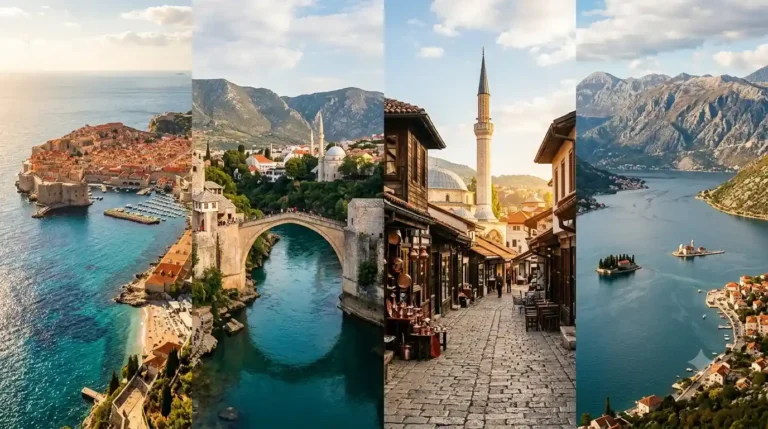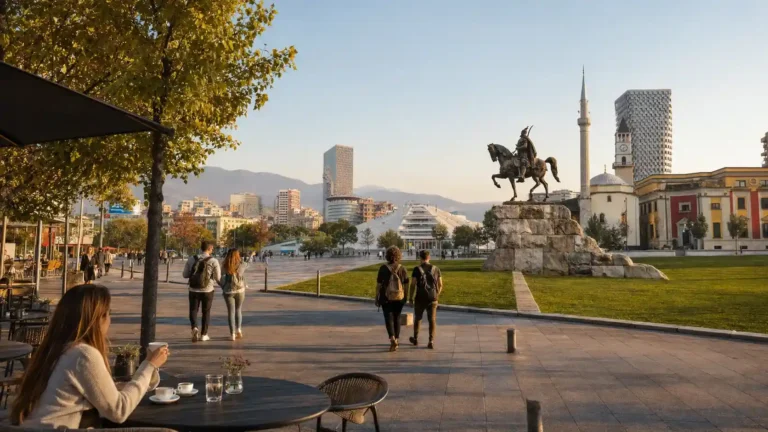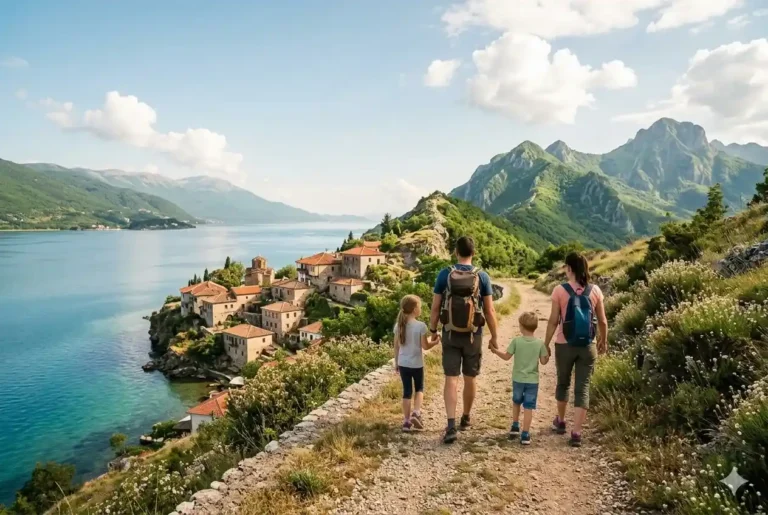

North Macedonia 10 Day Itinerary: Skopje, Ohrid & Mavrovo

Planning a North Macedonia 10 day itinerary is about more than fitting Skopje, Lake Ohrid and a few mountains onto a map. The real questions are where to sleep, how long each transfer takes, where to leave a rental car, what a bus can realistically reach and how to avoid squeezing a full-day excursion into an afternoon. This practical route starts and ends in Skopje and covers Matka Canyon, Mavrovo National Park, Ohrid, Bitola and either Pelister or the Tikveš wine region.
The plan below is designed primarily for travelers with a rental car, but each stage includes a public-transport alternative where practical. Times are planning estimates, not live driving times or guaranteed timetables; add time for traffic, construction, bad weather, parking, sightseeing and meal stops. Check opening hours and local transport before you book a non-refundable activity.
At a glance: 10 days, 9 nights, one sensible loop
Nights 1–3: Skopje (including Matka as a day trip) · Night 4: Mavrovo · Nights 5–7: Ohrid · Night 8: Bitola · Night 9: Skopje. Day 9: choose Pelister hiking or a Tikveš winery visit, then return to Skopje. Do not treat those alternatives as one combined stop.
Table of Contents
North Macedonia 10 Day Itinerary: Route, Drives and Overnight Stops
| Day | Route and main plan | Transport time to allow | Sleep |
|---|---|---|---|
| 1 | Arrive in Skopje; Old Bazaar and Stone Bridge | Airport to city: allow roughly 30–50 min plus waiting | Skopje |
| 2 | Skopje museums, city center and Kale area | Mostly walkable; short taxi if needed | Skopje |
| 3 | Skopje ↔ Matka Canyon | Car: ~35–60 min each way; bus slower | Skopje |
| 4 | Skopje → Mavrovo Lake | Car: ~1.5–2.25 hr, plus stops | Mavrovo |
| 5 | Mavrovo → Bigorski Monastery → Debar/Struga → Ohrid | Allow ~3–4 hr driving with detour; sightseeing extra | Ohrid |
| 6 | Ohrid → St. Naum and southern lake shore | Car: ~40–60 min each way; boat: most of day | Ohrid |
| 7 | Ohrid Old Town + Struga, or a relaxed lake day | Ohrid–Struga: ~20–35 min each way | Ohrid |
| 8 | Ohrid → Resen → Bitola and Heraclea | Car: ~1.25–1.75 hr, plus stops | Bitola |
| 9 | Option A: Pelister → Skopje; Option B: Bitola → Tikveš → Skopje | A: local park drive + ~2.5–3.5 hr to Skopje; B: ~1.5–2 hr to Tikveš + ~1.25–1.75 hr to Skopje | Skopje |
| 10 | Departure from Skopje Airport | Allow city–airport transfer, rental return and check-in buffer | — |
How to read the times: These are conservative route-planning ranges rather than exact GPS promises. The Kičevo–Ohrid corridor and some western approaches have ongoing or changing roadworks. For each transfer, open live navigation on the morning of travel and keep at least 30–60 minutes of slack on the longer road days. Some distances also vary depending on your accommodation or selected trailhead.
Before You Go: Money, Entry Rules and Transport
- Currency: Macedonian denar (MKD). For easy mental arithmetic, use roughly 60–62 MKD per €1 as a planning approximation, not a live exchange quote. Carry some cash for smaller parking lots, boat trips and countryside stops.
- Language: Macedonian; Albanian is also an official language and widely spoken in western parts of the country. Download an offline translation pack.
- Best season: Late spring and early autumn often balance weather and crowds, but higher hiking routes may still have snow or storms outside a narrow safe-weather window. July and August can be very busy around Ohrid.
- Entry: Visa rules depend on your passport and sometimes existing visas or residence status. Do not assume every nationality receives 90 visa-free days. Check the North Macedonian Ministry of Foreign Affairs before travel.
- Drive or bus? A car is easiest for the complete loop. Direct intercity buses make Skopje, Ohrid and Bitola workable without one, but Mavrovo sightseeing, some trailheads and winery visits need pre-arranged local transport. The wider principles of planning connections and transfer days are explained in our Balkans transport guide.
- Airport: Skopje International Airport (SKP) has an airport–city shuttle. The airport currently lists a one-way fare of 199 MKD; check the operator’s schedule against your flight rather than assuming all-hour departures.
Why the driving plan is deliberately flexible
North Macedonia uses toll booths on some main highways; the road operator accepts denars, euros and payment cards. There is no need to assume a vignette. Check official toll rates at Public Enterprise for State Roads. In its May 2026 update, the road authority described ongoing Kičevo–Ohrid construction and rehabilitation work, so check the latest road status and allow for temporary speed limits or lane changes rather than relying on older maps.
This itinerary loops back to Skopje, so a simple round trip to Skopje Airport fits it neatly. Fares vary a lot by season and departure city, and connecting flights are often cheaper than direct ones, so it’s worth comparing a few dates before you commit. Compare flights to Skopje
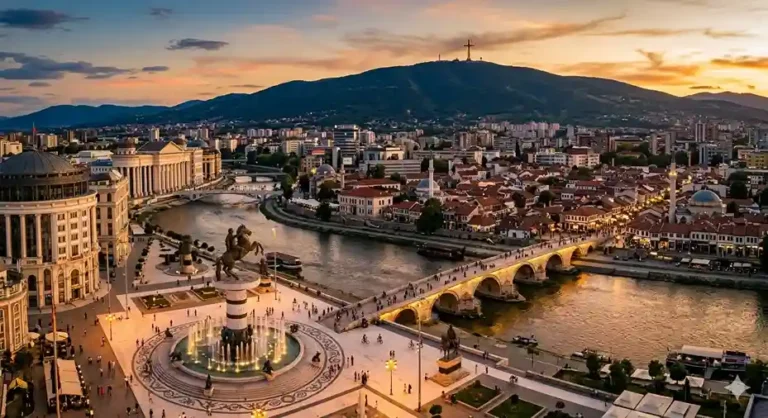
Days 1–2: Skopje, With a Walkable City-Center Plan
Day 1: Airport Arrival, Old Bazaar and Stone Bridge
On arrival at Skopje Airport, choose between the scheduled city shuttle, a licensed taxi or a pre-booked transfer. If you arrive late, check the shuttle first; using its advertised fare without checking the final departure can leave you waiting for transport. A rental car is not necessary for the first three city-based days: one money-saving option is to collect it on the morning of Day 4 rather than pay for several days of central parking.
- If you land before midday: Allow time for baggage, the airport transfer and check-in; then spend 2–3 hours in the Old Bazaar (Čaršija), eat dinner and walk over the Stone Bridge toward Macedonia Square.
- If you land in the afternoon or evening: Keep it simple. Enjoy the bazaar or central square and move most sightseeing to Day 2. Do not plan a museum that may already be closed.
- Where to stay: Near Macedonia Square for easy walking and modern hotel access; or at the edge of the Old Bazaar for atmosphere. Ask about the actual parking space before booking a car-based stay.
Day 2: Kale Fortress, Museums and Mother Teresa Memorial House
Begin around 09:00 in the Old Bazaar and, if public access is permitted, visit the Kale Fortress area before lunch. A visit to the fortress interior should never be treated as guaranteed: opening arrangements can change. After lunch, choose one history museum rather than racing through several: the Museum of the Macedonian Struggle or the Holocaust Memorial Center are thoughtful options; check their opening days and ticket arrangements.
Walk back toward the modern center to see the Memorial House of Mother Teresa. The memorial stands on the site of the former Catholic church where she was baptized, not on a documented birthplace. Spend the final hour on Macedonia Square and the Vardar riverbank. A comfortable sightseeing day is roughly 4–6 hours with stops and meals; most of this central route works on foot. If you want a detailed walking order, use our two-day Skopje itinerary to decide which stops are worth your time.
Skopje cost and parking tip
Budget approximately €10–20 per person for casual meals and snacks during a basic sightseeing day, plus any museums and taxis you choose. Prices are not fixed. If you already have a rental car, favor a hotel with an explicitly confirmed, bookable space rather than assuming street parking next to the bazaar.
Day 3: Matka Canyon Day Trip From Skopje
Matka Canyon is approximately 17 km west of the central city, but the trip takes longer than the distance suggests. Set off around 08:00–09:00. A reasonable schedule is: arrive and walk to the lakeside, choose either a boat to Vrelo Cave or kayaking, have lunch, then return to Skopje mid-afternoon. Vrelo Cave access is operator- and weather-dependent; do not promise every boat includes a cave visit.
How to Reach Matka and Where to Park
- By car: Allow around 35–60 minutes from central Skopje, longer at summer weekends. Parking is limited around the approach to the dam; arrive early, follow local signs and expect to walk from wherever you can legally stop. Never block the narrow access road.
- By public bus: JSP Skopje line 60 serves Matka from the Transport Center area. Verify the day-specific timetable on the JSP Skopje website, especially the return journey. Depending on where the bus stops, there can be a further walk to the waterfront.
- By taxi or tour: Confirm the full round-trip price or your pick-up arrangement before going; taxis may not be waiting near the canyon when you want to return.
Matka Canyon Prices and Practical Timing
Plan 2–4 hours on site, excluding the city transfer. For cash planning only, visitor-reported examples have put a Vrelo Cave boat excursion around 500 MKD per person and kayak rental roughly 200–500 MKD per hour, depending on equipment and vendor. These figures are not an official posted tariff. These are not guaranteed live tariffs; check the board at the jetty, confirm what is included and bring cash. Shoes with grip matter if you walk the uneven lakeside path.
One-day budget reality check
For a DIY day, set aside roughly €15–40 per person for transport, one paid water activity and food, with more for taxis or a private tour. Do not rely on an old claim that every Vrelo Cave boat costs 200–300 MKD; operators and trip types charge differently.
For a deeper local guide, see our Matka Canyon from Skopje transport and sightseeing guide. Sleep in Skopje again so you can travel west rested the next morning.
Day 4: Skopje to Mavrovo National Park
Collect your rental car early if you have not already done so. The route generally heads west toward Tetovo and Gostivar before climbing into the Mavrovo area. Allow 1.5–2.25 hours of actual driving to a lake-area base, plus time for fuel, stops and possible construction. Check your route before departing because the most convenient access road depends on exactly where your guesthouse is located.
- 09:00: Leave Skopje. Optional short stop near Tetovo if time and opening arrangements allow; do not turn it into a second full city visit.
- 11:00–12:00: Reach the Mavrovo Lake area, have lunch or leave bags at your guesthouse.
- Afternoon: Explore lakeside viewpoints and the Church of St. Nicholas from permitted access points. How much of the church is submerged depends on reservoir water levels; never promise a particular photo.
- Evening: Stay in Mavrovo or another conveniently located park settlement, and check the weather and road conditions for the next day.
Mavrovo Parking and Public Transport
A guesthouse with off-street parking is the least stressful choice. Roadside stopping is not automatically legal or safe, especially on narrow curves or beside the reservoir. A traveler without a car may get an intercity service as far as an appropriate connecting town, but reaching the lake, monastery and the next stop on the same timetable is much harder. Arrange a private driver or a multi-day guided transfer in advance rather than assuming regular buses will link these sights.
Safety: do not turn the mountain day into a race
Mavrovo has narrow mountain roads, winter ice or snow risks and trails whose condition changes with weather. For a first-time visitor, a leisurely lakeside visit is a better Day 4 plan than attempting a serious summit hike before transferring again on Day 5.
2026 Mavrovo forest-access alert: check registration rules
Mavrovo National Park has published forest-fire precautions requiring registration for movement through forests and forest land under its management. The notice describes a 100 MKD per person, per day tourist/park payment and an electronic registration process for applicable forest visits. A drive to a lakeside hotel is not necessarily the same activity as entering restricted forest trails; ask the park which rules apply to your exact route and travel date.
Before a hike, read the Mavrovo National Park visitor notice and confirm whether the current movement restrictions and registration system remain in force. Never enter a closed or fire-restricted forest area.
Day 5: Mavrovo to Ohrid via Bigorski Monastery
A Realistic Mavrovo–Ohrid Transfer Day
Check out around 08:30–09:00 and continue toward the Monastery of St. John the Baptist (Bigorski) in the Radika valley. From the Mavrovo Lake area, allow around 40–60 minutes to reach the monastery depending on your starting point and the road. The carved iconostasis makes the visit worthwhile, but monastery services, worship and visitor arrangements take priority; wear modest clothing and respect photography rules.
After roughly 45–75 minutes at Bigorski, continue toward Debar and Struga, then Ohrid. The winding river valley is slower than a motorway. Budget approximately 3–4 hours total driving for the day with this chosen route, plus your monastery visit, meals and any viewpoint stops. For a relaxed arrival in Ohrid, aim to be on the road from the monastery by early afternoon.
- Driving: Follow current navigation; compare the Radika–Debar–Struga route with any alternatives based on roadworks, weather and your destination. Stay on official roads.
- Parking in Ohrid: Do not drive deep into the Old Town expecting free street parking. Ask the accommodation for written parking instructions, a nearby garage or a legal public lot. Some Old Town streets have special resident-focused parking rules.
- Without a car: This scenic transfer does not have a simple all-day public bus that stops at the monastery on demand. You may need a local taxi/driver or skip Mavrovo and travel directly from Skopje to Ohrid by intercity bus.
Once checked in, take a gentle lakefront walk. If it is open and there is ample daylight, visit Samuil’s Fortress; otherwise save it for Day 7. Do not schedule a guaranteed fortress sunset visit without checking closing time.
With three nights at the lake, an Old Town base lets you walk to the churches, the waterfront, and the fortress without moving the car. Old Town rooms are limited and fill up in summer, so it helps to compare options and cancellation terms early. Compare stays in Ohrid on Agoda
Day 6: St. Naum and the Southern Shore of Lake Ohrid
The Monastery of St. Naum is roughly 29 km south of Ohrid near the Albanian border. It is easy to underestimate this outing because the road follows a beautiful, busy lakeshore. You have two workable versions; choose one rather than combining a scheduled boat excursion with a long morning Old Town itinerary.
Option A: Visit St. Naum by Car
- 09:00: Leave Ohrid. Allow 40–60 minutes each way, or longer for seasonal traffic.
- 10:00: Stop at the Bay of Bones museum on the outward leg, subject to opening hours. It is on the south lakeshore route, so this avoids returning to the same location the following day.
- 12:00–15:00: Explore St. Naum Monastery, the marked paths and the spring area; allow time for a lakeside lunch and, if operating, a short licensed spring-boat excursion.
- Late afternoon: Return to Ohrid. If you want a swim, use a designated bathing beach where conditions are suitable; do not assume swimming is permitted in the springs or protected habitats.
Option B: Take a Scheduled Lake Cruise
Choose a full-day scheduled boat excursion from Ohrid. Boat tours typically occupy much of the day, but departure hours, return times, sightseeing stops and operating seasons can change. Do not rely on a timetable copied from a previous summer. Verify the exact day with the boat company and read the ticket inclusions. Some services stop at or simply pass the Bay of Bones: these are not the same thing. If your ticket does not include a landing at the museum, you will need to visit it separately. This version leaves little room for additional museums on Day 6.
Where not to park in Ohrid
From 13 July 2026, a special parking regime was introduced on Ilindenska, Kosta Abrash and Car Samoil streets in Ohrid’s historic area, with designated spaces reserved for permitted residents. Check local signs rather than assuming a hotel booking provides access to those spaces. Keep the car at your confirmed hotel space or an authorized public car park and explore the Old Town on foot.
Day 7: Ohrid Old Town, Struga and an Unhurried Lake Day
Use this day for the monuments you could not comfortably fit into your St. Naum day. In the morning, explore the Church of St. Sophia, the lanes of the Old Town, the ancient theater and St. John at Kaneo. Include time for steep steps and stone paths. If Samuil’s Fortress was closed on Day 5, check its hours today and visit when access is available. For a slower, sight-by-sight walk through the historic town and lakefront, see our two days in Ohrid guide.
After lunch, drive roughly 20–35 minutes to Struga, where the Black Drin leaves Lake Ohrid. Walk the riverfront and visit a café before returning to Ohrid for your third lake night. On a car-free trip, ask locally about current bus or shared-taxi departures and confirm your return connection. There is no need to drive to distant unnamed mountain villages simply to “fill” the itinerary.
If you chose the St. Naum boat yesterday and did not visit Bay of Bones, a separate southern-shore outing today is possible, but it means reversing direction and adding travel time. A less rushed option is to skip that museum or Struga and enjoy a second day in Ohrid itself. Also note that the locally famous endemic Ohrid trout is conservation-sensitive; if ordering fish, ask about lawful sourcing rather than treating wild-caught trout as a mandatory delicacy.
UNESCO clarification
The Natural and Cultural Heritage of the Ohrid region is a UNESCO World Heritage property. Ohrid and Prespa also share a wider UNESCO-designated biosphere reserve. These are different designations; it is inaccurate to describe Lake Prespa as simply part of Lake Ohrid’s World Heritage listing.
Day 8: Ohrid to Bitola via Resen
Leave Ohrid after breakfast. The common road journey toward Bitola passes through or near Resen; allow roughly 1.25–1.75 hours for the drive from Ohrid, before stops. This gives you enough time for an afternoon in Bitola without rushing the archaeological site.
- 09:00: Depart Ohrid. Stop for coffee or a short break only if you have time.
- 11:00–12:00: Reach Bitola, park near your booked accommodation or in an authorized central lot and have lunch.
- Early afternoon: Visit Heraclea Lyncestis, roughly 2 km from the central boulevard, after confirming visiting hours and which areas are open. Allow 60–90 minutes.
- Late afternoon/evening: Walk Širok Sokak, Bitola’s café-lined pedestrian boulevard, and enjoy dinner in town.
Bitola is a good one-night base because it places Pelister within day-trip range and provides a clear return route to Skopje. If arriving by intercity bus rather than car, confirm the exact station and continue to the center by walk or short taxi. Transkop’s published timetable shows services serving Bitola, Ohrid/Struga and Skopje, but published schedules are informational and can change.
Day 9: Choose Pelister OR Tikveš, Then Sleep in Skopje
This is the biggest routing decision of the trip. Pelister National Park is near Bitola, while the Tikveš wine region around Kavadarci and Negotino lies on a different north-eastern route. They are alternative Day 9 plans, not two activities you can reliably do in one relaxed day. In either version, the safest default is to sleep in Skopje on Night 9 before a Day 10 flight.
Option A: Pelister National Park — Hiking Day
Drive from Bitola toward the park information center or your chosen trailhead. Depending on the start point, allow around 30–40 minutes. For a properly documented hike, Pelister National Park lists the Info Center–Kopanki circular trail as approximately 8.9 km, 3 hours 25 minutes, +415 m ascent in suitable conditions. Hiking time excludes breaks, and the advertised season does not guarantee safe trail conditions on your specific day.
- 08:00–09:00: Check out and drive to the trailhead. Confirm current access and weather with park staff; carry water, layers and an offline route.
- 09:30–13:30: Complete a suitable, marked walk with breaks. Shorten it or choose a lower viewpoint if weather or fitness is unfavorable.
- 14:00–15:00: Lunch and depart for Skopje. Allow about 2.5–3.5 hours by road, including modest traffic allowance.
- Evening: Check into Skopje and return the car if that saves an extra rental day or supports an early flight.
Do not casually substitute the higher Pelister summit or glacial lakes for this moderate trail; those are more demanding mountain objectives and require different time, conditions and possibly local guidance. The park also announced a 16 km circular route in 2026, but it is too long to pair with an unhurried late-day drive to Skopje. See Pelister National Park’s official trail description.
Option B: Tikveš Wine Region — Driver or Pre-Arranged Tour
If you prefer wineries to a mountain hike, check out of Bitola and drive toward Kavadarci/Negotino, allowing approximately 1.5–2 hours depending on the winery and route. Book a tasting appointment in advance: winery visits are not guaranteed drop-in attractions, and tasting schedules vary by season.
- 09:00: Leave Bitola and travel to the winery area, with a short rest stop if necessary.
- Late morning/early afternoon: Take a reserved tour or tasting. Confirm which wines and food, if any, are included.
- After the tasting: Have a non-drinking designated driver or arrange professional transport; do not drive after drinking.
- Late afternoon: Continue toward Skopje, allowing approximately 1.25–1.75 hours from the Kavadarci area, plus traffic. Sleep in Skopje.
This option fits geographically because Tikveš lies broadly on the way back to the capital. With no car, a city-to-city bus may be possible, but a specific winery often requires an additional local transfer. Confirm the return journey before making a tasting reservation.
If you want to taste properly in the Tikveš region, a guided tour with a driver lets you enjoy the wineries without worrying about the road afterward. Compare a few options for winery stops and tasting formats. Compare Tikveš wine tours
Day 10: Skopje Airport Departure Without a Last-Minute Rush
Because Night 9 is in Skopje, Day 10 becomes a manageable departure day rather than a race from Bitola or the mountains. Confirm whether your rental return is at the airport or a city desk and whether the desk will be staffed at your selected time. Allow approximately 30–50 minutes from central Skopje to the airport in ordinary conditions, but leave extra time for traffic, fueling, vehicle inspection and any airline check-in or baggage deadline.
If you have an afternoon flight, use the morning for a final café and shopping stop. If you have an early flight, skip sightseeing entirely and consider an airport-area hotel or pre-arranged transfer. North Macedonia’s main airport publishes flight-linked shuttle information; a scheduled shuttle is useful only when it actually matches your departure.
Car Rental, Parking and Public Transport: What Actually Works
Should You Rent a Car for All 10 Days?
Not necessarily. The most cost-effective version may be three car-free nights in Skopje, then a rental pickup on Day 4 and a return on Day 9 or 10. Compare this with an airport-to-airport rental after adding taxi/shuttle fares, parking costs, one-way fees (if any), insurance excess, mileage and operating hours. If you are staying in pedestrian areas, paying for an unused car is rarely an advantage.
For any foreign licence, confirm the rental agency’s accepted documents and whether an international driving permit is necessary for your licence type. The rules are not universally identical for all passports or licences. Check excess, deposit, roadside assistance and cross-border cover even if this 10-day loop stays entirely within North Macedonia. Make sure the rental includes the equipment required for the season.
Since most of the stops on this route, like Matka, Mavrovo, and St. Naum, are hard to reach by bus, it’s worth comparing rental offers before you fly. Look beyond the daily price at the insurance excess and fuel policy, and book early for summer dates. Compare car rentals in Skopje
Parking by Destination
| Where | Practical parking plan |
|---|---|
| Skopje | Use hotel parking or a legal paid lot on the edge of the walkable center; do not rely on Old Bazaar street spaces. |
| Matka Canyon | Arrive early; limited vehicle space near the dam; extra walking may be necessary. |
| Mavrovo | Favor guesthouse parking and only stop where permitted on mountain roads. |
| Ohrid | Ask your host for the exact parking location and whether an Old Town vehicle permit or alternative public lot is required. |
| St. Naum / Bay of Bones | Follow on-site signs and posted tariffs; arrive earlier in high summer. |
| Bitola | Use hotel parking or a lawful central lot, then walk Širok Sokak. |
| Pelister | Park at the official access/trailhead area as directed by the park; confirm trailhead road conditions. |
| Tikveš wineries | Confirm visitor access and parking with the winery, and use a designated driver if tasting. |
A No-Car Version: What to Change
Public transport can support a different ten-day itinerary, but pretending it follows every stop above on the same clock would be misleading. For the easiest car-free trip, spend three nights in Skopje, travel directly by coach to Ohrid for four nights, use a day tour or pre-arranged transport for St. Naum and Matka, then take a bus to Bitola for one night before returning to Skopje for the final night. That is nine nights in total: three + four + one + one. Skip Mavrovo or book a dedicated guided overnight there. The Skopje–Ohrid direct bus commonly takes about 3–4 hours and should be checked for the exact date, operator and Ohrid stop.
Our Skopje to Ohrid bus guide explains ticket booking, station access and the transport trade-offs in more detail. For Bitola, check the operator’s current published schedule, not a permanently printed timetable in a travel article.
What to Book First and How to Handle Bad Weather
A workable ten-day itinerary needs a few reservations, but locking every hour in advance increases the risk of losing money when roads, boats or mountain weather change. The practical approach is to reserve the overnights and intercity logistics early, while leaving one or two outdoor activities flexible.
| Decision | Book or check when? | Backup plan |
|---|---|---|
| Skopje and Ohrid accommodation | Reserve ahead for summer weekends; confirm parking in writing | Stay just outside the pedestrian Old Town if arriving by car |
| Mavrovo overnight | Book once Days 4–5 driving logistics are set | If mountain roads are affected, switch to a direct Skopje–Ohrid transfer and adjust lodging |
| Matka boat / kayaking | Check weather and on-site operators the day before or on arrival | Walk approved shoreline paths or return to Skopje museums |
| St. Naum lake cruise | Verify the actual boat operator, departure pier and return service | Drive, take a local tour or spend the day in Ohrid if boats are cancelled |
| Pelister hike | Check park trail and forecast 24–48 hours ahead | Visit Bitola museums/cafés and travel to Skopje earlier |
| Tikveš wine tasting | Reserve with the winery and a non-drinking driver | Skip the tasting and make a straightforward return to Skopje |
Three Combinations to Avoid
- Matka Canyon and Mavrovo on the same day: do Matka from Skopje while you are still sleeping there; do not add it to the western mountain transfer.
- Full St. Naum cruise and a long Ohrid Old Town circuit: keep churches, the fortress and viewpoints for the dedicated Old Town day.
- Pelister summit hike and a Tikveš winery: those are distinct geographic plans and neither is suitable as a short stop before a flight.
For a very early Day 10 flight: consider returning the rental car and sleeping near the airport on Night 9. That single adjustment does more to protect your departure than trying to optimize every sightseeing hour.
North Macedonia Travel Costs: A More Realistic 10-Day Budget
The figures below are planning ranges in euros, not verified live booking quotes. Peak-summer Ohrid rooms, special excursions, solo car rentals and last-minute tickets can push costs higher. They exclude international flights, major shopping and personal travel insurance. A ten-day trip normally means nine accommodation nights. The no-car and shared-car budget columns refer to different feasible itineraries: the no-car version skips or separately arranges several remote stops, while the shared-car version follows the main loop.
| Expense | No-car traveler (per person) | Two people sharing one rental car (per person) |
|---|---|---|
| 9 nights of lodging | €160–360 depending on shared/private rooms | €130–320 sharing a room |
| Food and non-alcoholic drinks | €150–300 | €170–320 |
| Transport | €50–130 in buses + extra tours/taxis | €180–340 for share of rental, fuel and tolls |
| Activities and incidentals | €50–120 | €60–130 |
| Planning total for 10 days | About €410–910 (dependent on extra transfers) | About €540–1,110 each |
A solo traveler hiring a car could pay substantially more because the whole rental and most fuel costs fall on one person. In the public-transport version, skipping isolated sights can save a great deal, while private drivers can erase that saving quickly. Accommodation prices are per room unless a listing explicitly says “per person.”
What to Budget for Admissions and Small Purchases
- Matka Canyon: Roughly 500 MKD for a Vrelo Cave boat excursion is a useful cash allowance, subject to confirmation on the day.
- Ohrid boats: Prices depend on shared vs private, trip length and whether St. Naum or Bay of Bones is actually included. Ask before paying.
- Museums, monasteries and ruins: Check official posted entrance fees and opening days on arrival. Some churches have an entry charge and photography limits.
- Parking: Keep a modest daily cash buffer rather than relying on citywide “free parking” assumptions.
- Road tolls: Check the official toll-payment guidance and bring a payment card or denars.
- Emergencies: Leave room for an extra taxi, altered mountain plan or unexpected overnight if weather interrupts a transfer.
Where to Stay on This 10-Day Route
Skopje (Nights 1–3 and 9): Stay near the center or Old Bazaar for walkability, but check late-arrival access and parking. On Night 9, prioritize airport-transfer convenience over a scenic room. Mavrovo (Night 4): Choose a village/lake-area property that suits the next morning’s drive and has accessible parking. Ohrid (Nights 5–7): The Old Town is picturesque and convenient for walking, but rental-car travelers may prefer a stay just outside its narrow core with confirmed parking. Bitola (Night 8): Choose central accommodation near Širok Sokak or a practical parking base.
Food, Local Etiquette and Weather Safety
Try tavče gravče (baked beans), ajvar (pepper spread), fresh salads, grilled dishes and regional baked goods. Use cash in small villages and don’t assume every rural establishment takes foreign cards. Modest clothing is appropriate in active monasteries; check site rules on photography, worship times and access. A tip is appreciated when you choose to leave one, but it is optional, not a compulsory fee.
For spring and autumn road trips, pack layers even when Skopje or Ohrid feels warm. Do not assume snow-free mountain conditions from the calendar. On Pelister and Mavrovo walks, use an offline map, tell someone your route and turn back if the forecast deteriorates. For lake trips, heed operator cancellation decisions and avoid swimming in restricted/protected areas. Keep a backup low-altitude activity on hiking days.
Offline maps and translations help in the mountains, but a data connection is still handy for live directions and last-minute bookings. An eSIM lets you get online as soon as you land, before you pick up the rental car. Check that your phone supports eSIM first. See North Macedonia eSIM plans
Essential Links to Verify Before Leaving
- Skopje International Airport — airport shuttle and practical arrival information.
- JSP Skopje — city bus schedules including routes toward Matka.
- Transkop Bitola — intercity bus schedule reference, subject to changes.
- Public Enterprise for State Roads — tolls and relevant road updates.
- Pelister National Park — documented trail details.
- Mavrovo National Park — applicable visitor registration, forest restrictions and park fees.
- North Macedonia Ministry of Foreign Affairs — entry conditions by nationality.
Frequently Asked Questions About North Macedonia
Is 10 days enough to see North Macedonia?
Yes, ten days works well for a first trip focused on Skopje, Matka, Mavrovo, Ohrid and Bitola, provided you allow realistic transfer times and do not combine Pelister and Tikveš into a single rushed sightseeing day.
Do I need a visa to visit North Macedonia?
That depends on your citizenship and individual entry status. EU/Schengen citizens are visa-exempt, but rules for other nationalities and visa/residence-document holders differ. Confirm your case on the North Macedonian Ministry of Foreign Affairs website before purchasing non-refundable tickets.
What is the best time for this itinerary?
Late spring and early autumn often provide comfortable sightseeing weather. Hiking conditions in Mavrovo or Pelister still require checking forecasts and trail status. July and August are busiest by Lake Ohrid.
How much does a 10-day trip to North Macedonia cost?
As planning allowances, consider roughly €410–910 per person for a simplified bus-based route, plus any extra private transfers, or €540–1,110 per person when two travelers share a rental car and room on the full driving loop, excluding flights. These are illustrative totals, not live prices.
Can I complete the 10-day itinerary without a rental car?
You can have an excellent car-free ten days, but use a different route. Direct buses connect major cities; Mavrovo, trailheads, wineries and some lakeside stops need taxis or organized tours. Do not rely on all original road-trip stops linking by frequent public transport.
Where should I park in Ohrid?
Use confirmed accommodation parking or a legal public lot outside the narrow Old Town streets. Some historic streets have special resident parking arrangements; ask your host for precise arrival instructions and current conditions.
Can I visit Pelister and Tikveš wineries on the same day?
Both are attractive, but not a sensible relaxed combination when you also need to return to Skopje. Choose one route for Day 9. If hiking, check trail access and weather; if tasting, arrange a non-drinking designated driver or tour.
Is it safe to drive in North Macedonia?
Many visitors drive without difficulty, but roadworks, winding mountain roads, weather and parking restrictions require extra time. Check your licence and rental conditions, pay motorway tolls where posted and avoid drinking before driving.
Final Thoughts: The Value of a Realistic Itinerary
A good North Macedonia 10 day itinerary leaves room for the country itself. Skopje’s Old Bazaar deserves time to wander; Matka is better with a flexible boat schedule; Mavrovo’s roads reward patient driving; and Ohrid is too special to reduce to a hurried ferry stop. The crucial decision is not whether to see every sight, but whether each day fits the journey between them.
Book the locations that constrain your route first: your Mavrovo overnight, Ohrid parking arrangement, any specific St. Naum boat, and your Day 9 hike or winery plan. Confirm live transport and weather 24–48 hours ahead. With those details handled, ten days can feel like a holiday rather than a checklist.