Off-the-beaten-path Black Sea beaches in Bulgaria

When travelers think of the Bulgarian Black Sea coast, the mind often drifts toward the neon lights of Sunny Beach or the crowded umbrellas of Golden Sands. While these resorts offer world-class entertainment, they represent only a fraction of what Bulgaria’s shoreline truly offers. For the discerning traveler seeking solitude, raw nature, and authentic maritime culture, the off-the-beaten-path Black Sea beaches in Bulgaria provide a sanctuary far removed from the mass tourism machine.
Stretching approximately 378 kilometers, the Bulgarian coast is a geographical marvel where the Balkan Mountains meet the sea, creating dramatic cliffs to the north and dense, lush forests to the south. In this comprehensive guide, we will explore the secret coves, protected reserves, and forgotten fishing villages that remain the best-kept secrets of Eastern Europe.
Table of Contents
Why Seek the Hidden Side of Bulgaria’s Coast?
The allure of hidden beaches lies in their preservation. In an era where coastal development often erodes local character, Bulgaria’s secluded spots offer:
- Untouched Biodiversity: Many of these beaches are located within protected areas like Strandzha Nature Park or the Kaliakra Reserve.
- Affordability: Away from the tourist traps, local taverns (mehanas) serve fresh catch-of-the-day at a fraction of resort prices.
- Peace and Privacy: Even in the peak of August, you can find stretches of sand where your only neighbors are the seagulls and the sound of the waves.
- Ecological Purity: The lack of large-scale infrastructure means cleaner water and a more intimate connection with the environment.
1. Bolata Bay: The Northern Jewel
Located just north of Cape Kaliakra, Bolata Bay is frequently cited as one of the most beautiful bays in the world, yet it remains relatively unknown to international tourists. It is a part of a protected reserve, ensuring its limestone cliffs and red-tinted rocks remain pristine.
The Geography of Bolata
The beach is situated at the end of a deep canyon, carved by an ancient river. The water here is incredibly shallow and calm, protected from the open sea’s currents by two stone piers. This makes it an ideal spot for those who prefer “wild” swimming without the danger of heavy swells.
What Makes it Unique?
- Birdwatching: Bolata is a key point on the Via Pontica, one of the major bird migration routes in Europe. You can spot herons, rails, and even dolphins playing near the mouth of the bay.
- The Red Cliffs: The iron-rich soil gives the surrounding cliffs a striking crimson hue, especially at sunset, providing a dramatic contrast against the turquoise water.
2. Durankulak: Where the Steppe Meets the Sea
For those who want to feel like they’ve reached the edge of the world, Durankulak is the ultimate destination. Located just a few kilometers from the Romanian border, this is the northernmost point of the Bulgarian coast.
A Land of Silence
The beach at Durankulak is vast—kilometers of golden sand backed by wild dunes and the Durankulak Lake. There are no hotels here, only a few modest campsites and small guest houses in the nearby village.
Historical Significance
Beyond the sand, the area is home to “The European Troy.” On an island in the lake, archaeologists discovered remains of a Neolithic settlement dating back over 6,000 years. Visiting Durankulak allows you to combine a beach holiday with a journey into deep human history.
3. Kamen Bryag and the “Fire” of Tyulenovo
While not a traditional “sandy” beach, the rocky coastline of Kamen Bryag (Stone Coast) and Tyulenovo offers a different kind of coastal magic. This is the capital of Bulgarian hippy culture and rock climbing.
The Legend of Tyulenovo
The name “Tyulenovo” translates to “Village of Seals.” While the Monk seals that once lived in the sea caves have largely disappeared, the caves themselves remain an adventurer’s playground. The shoreline consists of jagged cliffs, natural arches, and deep blue pools perfect for cliff jumping and snorkeling.
July Morning Tradition
Kamen Bryag is the spiritual home of “July Morning”—a unique Bulgarian tradition where thousands of people gather on the night of June 30th to watch the sunrise, celebrating freedom and the start of summer.
To maximize your journey through these secluded coastal spots, utilizing the right travel platforms can ensure a seamless experience. For those planning their “Hidden Coast” road trip, Booking.com offers an extensive selection of authentic guest houses and boutique villas in remote villages like Krapets and Sinemorets, often featuring flexible cancellation policies. If you are looking to secure a rugged vehicle to navigate the dirt tracks leading to Kara Dere or Bolata, Discover Cars is an excellent aggregator that compares local and international rental prices to find the best 4×4 options available at Varna or Burgas airports.
4. Emona and Irakli: The Last Bastion of Wild Camping
If you ask a local where the best off-the-beaten-path Black Sea beaches in Bulgaria are, Irakli will be the first name on their lips. Located between Varna and Burgas, Irakli has become a symbol of the environmental movement in Bulgaria.
The Battle for Irakli
For years, activists have fought to prevent large-scale construction in this area. Thanks to their efforts, Irakli remains a place where the forest grows right down to the sand. It is divided into two parts: a small managed area and a massive “wild” stretch where clothing is often optional and camping is the norm.
Cape Emine
Walking south from the beach leads you to Cape Emine, the easternmost point of the Balkan Mountains. It is a rugged, wind-swept cliff with a lighthouse and the ruins of an ancient fortress. The view from the top is perhaps the most panoramic on the entire coast.
5. Silistar: The Last Beach Before the Border
As we move toward the southern reaches of the Bulgarian coastline, tucked within the emerald embrace of Strandzha Nature Park, lies Silistar. Often referred to as “The Beach of the Pirates,” this crescent-shaped bay is the last accessible sandy stretch before the Turkish border.
The Strandzha Connection
What sets Silistar apart from the northern beaches is its Mediterranean-like microclimate. The surrounding woods are filled with rare flora, including the yellow water lily and the Caucasian rhododendron. The beach itself is protected from the wind by high volcanic cliffs, ensuring the water remains crystal clear and remarkably warm well into late September.
Diving into the Deep
The seabed at Silistar is a mixture of fine sand and rocky outcrops, making it a premier location for snorkeling. Because it is far from industrial centers, the marine life here is thriving. It’s common to see schools of small fish, crabs, and the occasional harmless stingray gliding through the shallows.
6. Lipite: The Hidden “Linden” Cove
Just a short, 20-minute hike south from the popular village of Sinemorets, you will find Lipite Beach. The name translates to “The Lindens,” and the path to get there is as enchanting as the destination itself, winding through coastal meadows and over jagged rocks.
The Reward of the Hike
Because Lipite is inaccessible by car, it remains one of the most tranquil off-the-beaten-path Black Sea beaches in Bulgaria. There are no beach bars, no lifeguards, and no rental umbrellas. Visitors must bring their own supplies, which filters out the casual tourist crowd.
- Natural Sculptures: The cliffs surrounding Lipite have been eroded by the sea into bizarre shapes, some resembling petrified animals or mythical creatures.
- The Veleka River Mouth: Nearby, the Veleka River flows into the sea, creating a stunning sandbar where you can swim in fresh river water on one side and salty seawater on the other.
7. Kara Dere: The Wildest Frontier
If Irakli is the soul of Bulgarian wild camping, Kara Dere is its untamed heart. Located near the town of Byala, this beach is notoriously difficult to reach. The “roads” leading to it are little more than dirt tracks that become impassable after rain.
A Community of Nomads
Kara Dere attracts a specific type of traveler—artists, musicians, and digital nomads who set up camp for weeks at a time. There is a deep sense of community here, governed by an unwritten code of environmental respect.
- No Infrastructure: There is no electricity or running water. People rely on local springs for their drinking water.
- The Mud Baths: At the northern end of the beach, there are natural clay deposits. Locals and visitors often cover themselves in the mineral-rich gray mud, letting it dry in the sun for a natural spa treatment before washing it off in the waves.
- The Vineyards: The hills overlooking Kara Dere are covered in vineyards, producing some of the region’s most robust white wines, which can be purchased directly from local cellars in Byala.
8. Pashaliman: The Secret of the North
Returning briefly to the north, nestled between the towns of Kavarna and Balchik, is the elusive Pashaliman. This beach is so well-hidden that even many locals haven’t set foot on its sands.
A Fishing Legacy
Pashaliman is essentially a small working fishing cove. You won’t find fine white sand here; instead, the shore is a mix of pebbles and coarse golden grains. However, the draw is the authenticity. Small fishing huts line the cliffs, and the scent of grilled fish and sea salt hangs heavy in the air.
Why Visit Pashaliman?
- Seafood Authenticity: Small, makeshift shacks often serve mussels harvested directly from the rocks in front of you.
- Geological Wonders: The white chalk cliffs of the northern coast are at their most impressive here, reflecting the sun and making the water appear a vibrant, milky turquoise.
For travelers who prefer a guided touch even in wild locations, GetYourGuide provides unique excursions, such as kayaking tours along the Ropotamo River or guided historical walks through the Kaliakra Fortress. These curated experiences allow you to dive deeper into the local lore without the stress of navigating solo. Additionally, if you need comprehensive travel insurance that covers adventurous activities like cliff jumping in Tyulenovo or wild camping, World Nomads offers specialized plans designed specifically for intrepid explorers visiting off-the-beaten-path destinations.
9. Arkutino: Where Lilies Meet the Tide
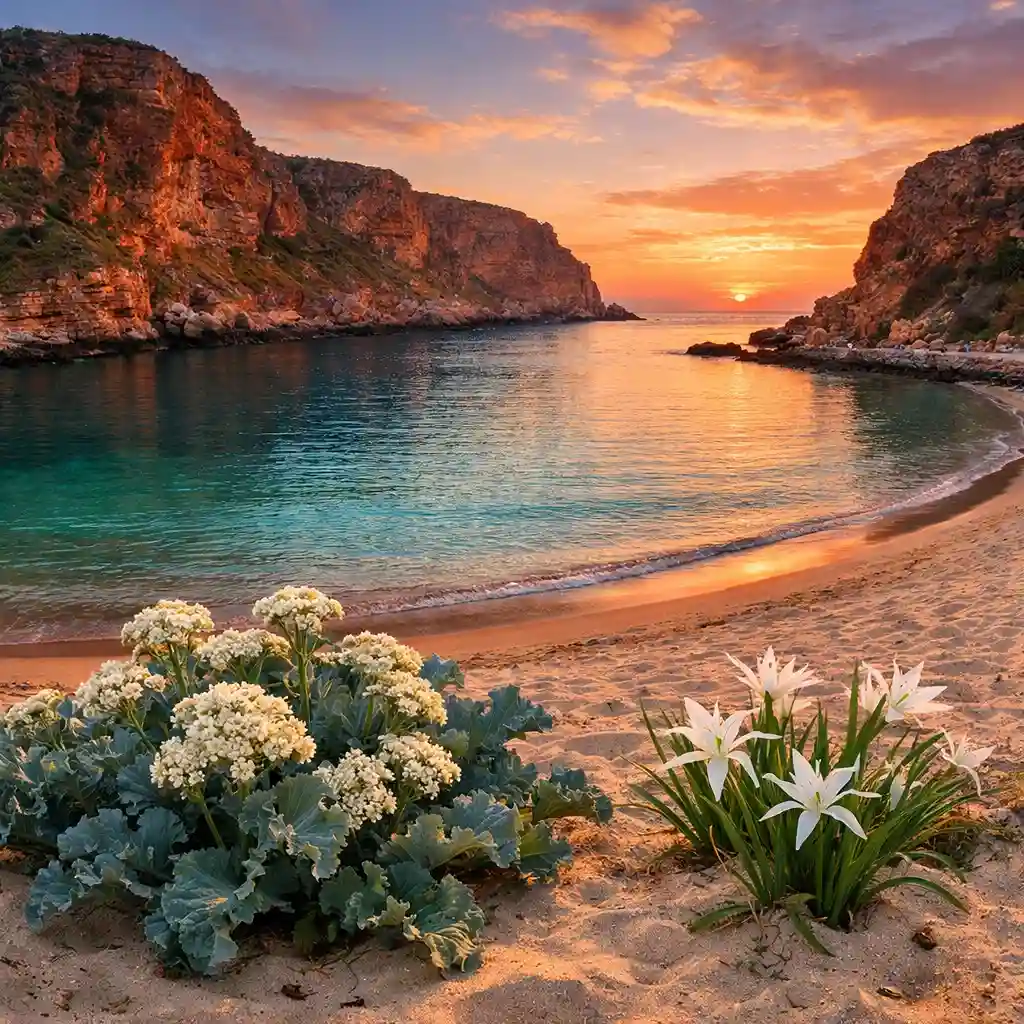
Part of the Ropotamo Nature Reserve, Arkutino is a beach that feels like a botanical garden. It is famous for its “sand lilies”—rare, white, fragrant flowers that grow directly out of the dunes.
The Ropotamo River
A visit to Arkutino is often paired with a boat trip down the Ropotamo River. The river is lined with thick forests and marshes, often compared to a “Bulgarian Jungle.” The point where the river meets the sea creates a unique ecosystem where you can spot turtles, deer, and various water birds.
A Touch of Elegance
Unlike some of the more rugged wild beaches, Arkutino has a slightly more organized feel at its entrance, but a five-minute walk down the shore will bring you to vast, empty dunes where the only tracks in the sand are those of the local wildlife.
10. Shablenska Tuzla: The Healing Coast
Near the town of Shabla, the Shablenska Tuzla offers a unique combination of beach relaxation and natural therapy. This area is characterized by a coastal lake separated from the sea by a narrow strip of sand.
Medicinal Mud
The lake is famous for its curative sea mud, used for treating musculoskeletal and skin conditions. Unlike the commercial mud baths found in bigger cities, here the experience is completely raw. You simply walk into the lake, apply the mud, and then cross the dunes to rinse off in the cold, refreshing Black Sea.
The Shabla Lighthouse
While in the area, a visit to the Shabla Lighthouse is a must. It is the oldest and tallest lighthouse in Bulgaria, marking the easternmost point of the country. The surrounding coast is rocky and features unique “sea chimneys” carved by the waves.
Cultivating the Ultimate Coastal Escape: Practical Tips
Visiting the off-the-beaten-path Black Sea beaches in Bulgaria requires a different mindset than a standard resort holiday. To truly enjoy these hidden gems, one must embrace the logistical challenges and respect the local environmental etiquette.
Best Time to Visit
While the Bulgarian summer peaks in July and August, these months can still bring crowds to the more accessible “wild” spots.
- The Sweet Spot (June & September): Early June offers lush green landscapes and cooler hiking weather, while September provides the warmest sea temperatures and a quiet, golden atmosphere as the “back-to-school” season begins.
- The Shoulder Season: Late May and early October are beautiful for photography and nature walks, though the water may be too brisk for a long swim.
Transportation: Navigating the Remote
Public transport in Bulgaria is reliable between major cities like Varna and Burgas, but it rarely reaches the specific trailheads for hidden beaches.
- Car Rental is Essential: To reach places like Kara Dere or Shablenska Tuzla, a high-clearance vehicle or a 4×4 is highly recommended. Many “roads” on GPS are actually unpaved tracks.
- The “Last Mile” Hike: Be prepared to park your car and walk. Most secluded beaches are protected by at least 1–2 kilometers of forest or cliff-side trails.
- Local “Marshrutkas”: In the south (near Sinemorets), small shared vans can take you part of the way, but you will still need a sturdy pair of walking shoes.
11. Understanding the Wild Camping Ethos
Bulgaria has a complex relationship with wild camping. While not officially “legal” in the strictest sense across the entire country, it is a deeply ingrained cultural practice that is tolerated in specific areas, provided you follow the “Leave No Trace” principle.
The Unwritten Rules of the Coast
- Waste Management: There are no trash cans on wild beaches. Everything you bring in—including organic waste—must be carried out. Local volunteers often organize “cleansing” drives, and joining one is a great way to give back.
- Fire Safety: Forest fires are a significant risk during the dry Bulgarian summer. If you must have a fire, use existing fire pits on the sand and never leave them unattended. In protected reserves like Ropotamo or Strandzha, fires are strictly prohibited.
- Respecting the “Permanent” Residents: In places like Kara Dere, some campers stay for months. Respect their space and the quietude of the environment. Loud music and late-night parties are generally frowned upon in these nature-centric communities.
12. Flora and Fauna: What to Watch For
The off-the-beaten-path Black Sea beaches in Bulgaria are more than just sand and water; they are living ecosystems.
| Species | Where to Spot | Observation Tip |
| Dolphins | Bolata, Tyulenovo | Best seen in the early morning when the sea is calm. |
| Sand Lilies | Arkutino, Silistar | Fragile white flowers; do not pick them as they are protected. |
| Via Pontica Birds | Durankulak, Kaliakra | Bring binoculars in late August to see thousands of storks and pelicans. |
| Tortoises | Strandzha Coast | Often found crossing the dirt paths leading to the beaches. |
Safety Precautions
While the Bulgarian coast is generally very safe, keep in mind:
- Sea Currents: The Black Sea is known for “deadly currents” (solgan) which can pull swimmers away from the shore unexpectedly. Always check the water surface for unusual ripples before diving in.
- Wildlife: While bears and wolves stay in the deep mountains, the coastal areas can have snakes (mostly harmless water snakes) and plenty of mosquitoes, especially near river mouths like the Veleka.
13. Cultural Etiquette and Local Interaction
Bulgarians are famously hospitable, especially in the smaller coastal villages.
- Language: Learning a few words like “Dobar den” (Good day) and “Blagodarya” (Thank you) will open many doors.
- The “No” Shake: Remember that in Bulgaria, a nod can sometimes mean “no” and a shake of the head can mean “yes.” It’s confusing, so look for verbal cues!
- Supporting Local: Instead of buying supplies at a big supermarket in the city, stop at the small roadside stands. You’ll find the best honey, tomatoes, and homemade “rakia” (brandy) you’ve ever tasted.
Furthermore, flight logistics to the Bulgarian coast can be optimized using WayAway, a flight aggregator that not only finds the most affordable routes to Varna and Burgas but also offers a “Plus” membership for cashback on various travel services. By booking through these trusted platforms, you ensure that your logistics are handled by industry leaders, leaving you free to focus on the serene beauty of Bulgaria’s most secretive shores.
A 7-Day Road Trip Itinerary: Mapping the Hidden Coast
To experience the true diversity of the off-the-beaten-path Black Sea beaches in Bulgaria, a road trip starting from the north and ending at the Turkish border is the ideal way to navigate. This itinerary avoids the high-rise resorts, focusing instead on ecological reserves and historical coves.
Day 1: The Northern Frontier (Durankulak & Krapets)
- Morning: Pick up your rental car in Varna and drive 100 km north to Durankulak. Walk the endless, empty sands between the sea and the lake.
- Afternoon: Stop in the village of Krapets. It is one of the last places on the coast where you can still find traditional Bulgarian fisherman’s houses right next to the dunes.
- Stay: A local guest house in Krapets for an authentic, quiet night.
Day 2: The Red Cliffs of Kaliakra
- Morning: Visit Bolata Bay. Arrive early to secure a spot in the small canyon and enjoy the sunrise hitting the red cliffs.
- Afternoon: Explore the Kaliakra Fortress. The walk to the tip of the cape offers 70-meter drops into the sea and excellent dolphin-spotting opportunities.
- Evening: Head to Tyulenovo for dinner. Watch the “deep water soloing” (rock climbing over water) and enjoy the sunset through the famous sea arch.
Day 3: The Path to the Wild Center
- Morning: Drive south toward Varna but bypass the city to find Pashaliman. Spend the morning watching the local fishermen bring in their nets.
- Afternoon: Continue south to Kara Dere. This is a great day for a picnic and a natural clay bath in the forest-fringed mud pits.
- Stay: A boutique villa in the nearby town of Byala.
Day 4: Where Mountains Meet Waves
- Morning: Hike the trails around Irakli. Spend your day on the “wild” side of the beach, where the Chaya River flows into the sea.
- Afternoon: Visit Cape Emine. The road is rough, but the view of the entire coastline from the lighthouse is the best in Bulgaria.
- Evening: Drive toward the southern coast, bypassing the busy city of Burgas.
Day 5: The Ropotamo Reserve & Arkutino
- Morning: Take a boat trip through the Ropotamo Nature Reserve.
- Afternoon: Relax at Arkutino Beach. Look for the protected sand lilies and enjoy the view of “Snake Island” (Sveti Toma) in the distance.
- Stay: A small hotel in the artistic town of Sozopol (Old Town).
Day 6: The Deep South (Sinemorets)
- Morning: Drive to Sinemorets and spend the morning at the Veleka River Mouth. It’s a surreal landscape where the river and sea are separated by a narrow strip of golden sand.
- Afternoon: Take the 20-minute hike to Lipite Beach. This is perhaps the quietest spot on the entire itinerary.
- Evening: Enjoy fresh grilled turbot at a local tavern in Sinemorets.
Day 7: The Final Frontier (Silistar & Rezovo)
- Morning: Spend your last beach day at Silistar. The calm, warm waters are perfect for a final long swim.
- Afternoon: Drive to the village of Rezovo. Stand on the banks of the Rezovska River; the opposite bank is Turkey. It is a poignant, quiet end to a journey along the edge of Europe.
- Evening: Return to Burgas or Varna for your flight.
14. Essential Packing List for the “Wild” Traveler
When exploring off-the-beaten-path Black Sea beaches in Bulgaria, you cannot rely on beachside amenities. Your packing list should include:
- Sturdy Footwear: Many paths to these beaches involve steep, rocky descents. Flip-flops are fine for the sand, but sneakers or hiking sandals are better for the approach.
- Portable Power: Secluded areas mean no charging stations. A high-capacity power bank is a must for GPS and photography.
- Water Purification: While most villages have “cheshma” (public spring fountains), having a filtered bottle is useful for long days on wild beaches like Kara Dere.
- Snorkel Gear: You don’t need a full scuba kit to enjoy the underwater caves of Tyulenovo or the reefs of Silistar. A simple mask and snorkel will suffice.
- Offline Maps: Mobile signal can be spotty in the canyons of the north and the forests of the south. Download Google Maps for offline use.
15. The Flavors of the Coast: A Culinary Journey
Exploring the off-the-beaten-path Black Sea beaches in Bulgaria is as much a feast for the palate as it is for the eyes. In these remote areas, the food remains untouched by international trends, focusing instead on what the sea and the local soil provide daily.
The Catch of the Day: Essential Black Sea Seafood
Unlike the Mediterranean, the Black Sea has lower salinity, which gives its fish a distinct, delicate flavor. In small villages like Krapets or Rezovo, look for:
- Scad (Safrid): Small, silver fish usually served fried. They are the “sunflower seeds” of the coast—once you start eating them, it’s hard to stop.
- Black Sea Mussels (Midi): Often harvested from local farms near Dalboka. The classic preparation is “Mussels Monastic Style,” steamed with white wine, garlic, onion, and plenty of fresh lovage (devesil).
- Turbot (Kalkan): The king of the Black Sea. It is a prized delicacy, usually grilled or fried, known for its firm, white meat.
- Rapana (Sea Snails): An invasive species that has become a local delicacy. Often sliced and sautéed with butter and garlic, they have a texture similar to calamari.
The Secret Ingredient: Lovage (Devesil)
If there is one scent that defines Bulgarian coastal cooking, it is lovage. While the rest of the country uses parsley or dill, the seaside chefs rely on this pungent, citrusy herb to cut through the oiliness of fried fish and enhance the aroma of fish soups (Ribena chorba).
16. The “Mehana” Experience in Coastal Villages
In the hidden corners of the coast, you won’t find “fine dining,” but you will find the Mehana—a traditional Bulgarian tavern.
What to Expect
- Homemade Rakia: Almost every village host produces their own grape or plum brandy. It is potent and usually served with a Shopska Salad (tomatoes, cucumbers, peppers, and brined white cheese).
- No Menus: In the most remote spots, there might not even be a printed menu. The waiter (often the owner) will simply tell you what was caught that morning.
- The “Slow Food” Philosophy: Nothing is rushed. A meal by the sea is meant to last hours, accompanied by the sound of the waves and local folk music or 80s Bulgarian rock.
17. Hidden Coastal Vineyards
The Black Sea region is one of Bulgaria’s primary wine zones. The limestone-rich soil of the north and the volcanic earth of the south produce world-class white wines that pair perfectly with the off-the-beaten-path Black Sea beaches in Bulgaria.
Notable Varietals to Try:
- Dimyat: An ancient Bulgarian white grape that produces aromatic, light-bodied wines with notes of apricot and quince.
- Tamianka: A local version of Muscat with an intense floral nose, perfect for a sunset drink on the cliffs of Kamen Bryag.
- Gergana: A unique hybrid found mainly in the northern coastal regions, offering a crisp, herbal finish.
18. Photography Tips for the Hidden Coast
For those looking to document their journey, these secluded spots offer lighting and landscapes that you won’t find in the big resorts.
| Location | Best Lighting | Photography Goal |
| Bolata Bay | Sunrise | Catch the first light hitting the red iron-oxide cliffs. |
| Tyulenovo | Golden Hour | Long exposure of the sea arch to create “milky” water effects. |
| Veleka River | Blue Hour | Use a drone (if legal) to capture the contrast between the green river and blue sea. |
| Kaliakra | Sunset | Silhouette the ancient fortress walls against the orange sky. |
Technical Note: The “Sea Mist”
The Black Sea often experiences a morning mist, especially in the north near Shabla. This creates a haunting, ethereal atmosphere perfect for minimalist photography, making the horizon line disappear entirely.
19. Sustainable Travel: Preserving the “Wild”
As these off-the-beaten-path Black Sea beaches in Bulgaria gain popularity, the pressure on their ecosystems increases. To be a responsible traveler:
- Avoid Plastic: Bring reusable containers. The recycling infrastructure in small villages like Emona is limited.
- Respect Protected Dunes: Walking on the dunes destroys the root systems of rare plants like the sand lily. Always use designated paths.
- Water Conservation: In the summer, coastal villages often face water shortages. Use water sparingly if staying in local guest houses.
20. Summary of Bulgaria’s Hidden Gems
As we conclude our journey through the off-the-beaten-path Black Sea beaches in Bulgaria, it becomes clear that the coastline is a land of two halves. To the north, you have the dramatic, wind-sculpted limestone cliffs of Bolata and Tyulenovo, where the sea feels powerful and ancient. To the south, the lush, subtropical forests of the Strandzha meet the water at Silistar and Lipite, offering a softer, greener Mediterranean escape.
These locations represent the “Slow Travel” movement at its finest. They are places where the lack of 5-star amenities is not a drawback, but a deliberate choice to preserve the soul of the Balkans.
Frequently Asked Questions (FAQ)
Is it safe to swim at wild beaches?
Generally, yes, but with caution. Unlike resort beaches, off-the-beaten-path Black Sea beaches in Bulgaria do not have lifeguards or safety flags. Be wary of “dead waves” (solgan)—underwater currents that occur after a storm even when the surface looks calm. If the water looks “choppy” or circular, stay in the shallows.
Can I find English-speaking locals in remote villages?
In younger generations and tourist-facing guest houses, English is common. In smaller fishing villages like Krapets or Emona, communication might involve a lot of gesturing and a few Bulgarian keywords. Downloading an offline translation app is highly recommended.
Are there entrance fees for the nature reserves?
Most beaches within reserves (like Ropotamo or Kaliakra) are free to access for swimming, but there may be small parking fees or symbolic entry tickets for the historical fortresses and museums located nearby.
Is the water clean?
The Black Sea has significantly improved in ecological quality over the last decade. Because these beaches are far from large cities and industrial ports, the water clarity at Silistar or Kara Dere is often exceptional, rivaling the Adriatic.
A Concluding Reflection: The Soul of the Coast
The true magic of the Bulgarian coast isn’t found in the cocktail bars of Sunny Beach or the all-inclusive buffets of Albena. It is found in the silence of a sunrise at Kamen Bryag, the taste of a sun-warmed tomato in a village tavern, and the feeling of salt drying on your skin after a swim in a cove you have all to yourself.
Seeking out off-the-beaten-path Black Sea beaches in Bulgaria is an invitation to disconnect from the digital world and reconnect with the rhythms of nature. It is a reminder that even in a crowded continent like Europe, there are still frontiers left to be explored—places where the map ends and the adventure begins.
Final Checklist for Your Coastal Adventure
Before you start your engine and head toward the horizon, ensure you have:
- A Full Tank of Gas: Petrol stations are sparse between the northern border and Varna.
- Cash (Bulgarian Lev): Many village mehanas and small guest houses do not accept credit cards.
- Sun Protection: The Balkan sun is deceptively strong, especially with the constant sea breeze.
- A Spirit of Discovery: Be prepared to get lost, take the wrong dirt road, and find a beach that isn’t even on this list.
The Bulgarian Black Sea is waiting. It is wild, it is raw, and for those brave enough to leave the paved roads behind, it is utterly unforgettable.
Comparison of the Top 5 Hidden Beaches
| Beach Name | Best Feature | Accessibility | Vibe |
| Bolata | Red Cliffs & Calm Water | Easy (Car) | Family-friendly / Scenic |
| Kara Dere | Mud Baths & Vineyards | Hard (4×4) | Hippy / Wild Camping |
| Silistar | Crystal Clear Water | Moderate | Relaxed / Natural |
| Lipite | Total Solitude | Hike Only | Quiet / Romantic |
| Tyulenovo | Sea Caves & Arches | Easy (Cliffs) | Adventurous / Rugged |
Frequently Asked Questions (FAQ)
Do I need a visa to visit the Bulgarian Black Sea coast?
Bulgaria is a member of the European Union and officially joined the Schengen Area (by air and sea) in 2024. Citizens of the EU, USA, Canada, and Australia can enter visa-free for up to 90 days. Always check the latest requirements from the Bulgarian Ministry of Foreign Affairs before traveling.
Is it expensive to travel to these hidden beaches?
Not at all. Bulgaria remains one of Europe’s most budget-friendly destinations. While luxury resorts have higher prices, the off-the-beaten-path locations offer local meals for $10–$15 and guest houses for $30–$50 per night.
What is the best way to get around the remote coastal areas?
Car rental is the only practical way to reach these secluded spots. While public buses connect major cities like Varna and Burgas, they do not stop at wild beaches like Kara Dere or Silistar.
Is the water in the Black Sea safe for swimming?
Yes, the water is generally safe and has low salinity. However, be aware of “dead waves” (undercurrents) which can occur even in calm weather. Look for local signs or ask residents if there are specific safety concerns that day.