
Self-Drive Road Trip Serbia Bulgaria Under 10 Days: The Ultimate Balkan Itinerary

The Balkans remain one of Europe’s last frontiers for authentic, untamed exploration. If you are yearning for a journey that blends brutalist architecture, Roman ruins, and emerald-green landscapes, a self-drive road trip Serbia Bulgaria under 10 days is the perfect answer. This route offers a seamless transition from the high-energy streets of Belgrade to the ancient, cobblestoned charm of Plovdiv and Sofia.
Driving through these two nations allows you to witness the fascinating intersection of Ottoman history and Austro-Hungarian elegance at your own pace. In this comprehensive guide, we break down the ideal 10-day loop, essential border-crossing tips for 2026, and the hidden gems that most tour buses simply drive past.
Table of Contents
1. Why Choose a Self-Drive Tour of Serbia and Bulgaria?
Opting for a self-drive adventure rather than a guided tour gives you the ultimate luxury: flexibility. You aren’t beholden to a rigid schedule or crowded buses.
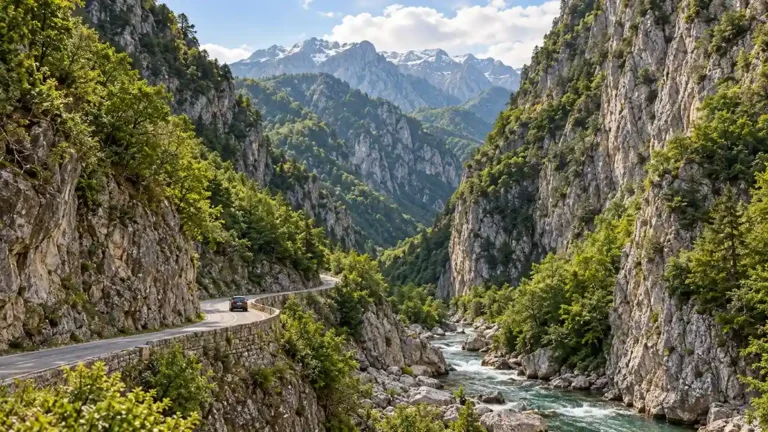
- Scenic Freedom: Both countries boast stunning mountain passes—like the Balkan Mountains in Bulgaria and the Danube gorges in Serbia—that are best enjoyed when you can pull over for a photo at a moment’s notice.
- Cost-Efficiency: Compared to Western Europe, fuel, car rentals, and roadside dining in the Balkans are remarkably affordable, making a 10-day trip highly budget-friendly.
- Cultural Immersion: Having your own wheels lets you visit remote monasteries like Rila (Bulgaria) or the “Skull Tower” in Niš (Serbia) without the time constraints of public transport.
2. Preparing for Your Road Trip: Logistics and 2026 Requirements
Before you ignite the engine, there are several logistical hurdles to clear. Since you’ll be crossing from Serbia (Non-EU) into Bulgaria (EU/Schengen), preparation is key.
Documentation and Permits
To ensure a smooth transition at the Gradina-Kalotina border, ensure you have the following:
- Valid Passport: Must be valid for at least three months beyond your stay.
- International Driving Permit (IDP): While many rental agencies accept a standard EU/US license, Serbian and Bulgarian police often require an IDP during routine checks.
- Cross-Border Insurance (Green Card): If you are renting a car in Belgrade, you must inform the agency that you intend to drive into Bulgaria. They will provide a “Green Card” insurance document, usually for a small additional fee.
- The ETIAS Factor (2026 Update): Starting in 2026, travelers from visa-exempt countries (like the US, UK, or UAE) entering Bulgaria may need an ETIAS authorization. Check the latest status before your departure.
The Bulgarian Vignette
Unlike Serbia, which uses a traditional toll-booth system on its motorways, Bulgaria requires an e-vignette to use its roads. You can purchase this online or at gas stations immediately after crossing the border. Driving without one can result in heavy fines captured by automated cameras.
3. Day 1-2: Belgrade – The White City’s Energetic Start
Your self-drive road trip Serbia Bulgaria under 10 days begins in Belgrade, a city that never sleeps.
Day 1: Modern Vibes and Historic Forts
After picking up your rental at Nikola Tesla Airport (BEG), head to the city center. Start at the Kalemegdan Fortress, where the Sava and Danube rivers meet. This strategic point has been fought over in 115 battles and destroyed 44 times, yet it remains the soul of the city.
- Evening: Walk through Skadarlija, the bohemian quarter, for a traditional Serbian dinner of Ćevapi (grilled minced meat) accompanied by live folk music.
Day 2: Architecture and Innovation
Visit the Church of Saint Sava, one of the largest Orthodox churches in the world, recognizable by its massive white marble dome. Follow this with a trip to the Nikola Tesla Museum to see the interactive inventions of the world’s most famous electrical engineer.
4. Day 3: Heading South – The Road to Niš
As you leave the bustling capital of Belgrade, the scenery begins to shift from urban sprawl to the rolling hills of central Serbia. This leg of your self-drive road trip Serbia Bulgaria under 10 days is roughly 2.5 hours of smooth motorway driving via the A1 (E75).
Stop 1: Manasija Monastery
A slight detour from the main highway leads you to one of Serbia’s most significant medieval monuments. Surrounded by massive fortifications and 11 towers, this 15th-century monastery is a masterpiece of the Morava school of architecture. The frescoes inside are remarkably well-preserved.
Afternoon: Exploring Niš (Naissus)
Niš is one of the oldest cities in Europe and the birthplace of Constantine the Great.
- The Skull Tower (Ćele Kula): A chilling but essential historical site. Built by the Ottomans using the skulls of Serbian rebels, it stands as a symbol of the struggle for independence.
- Niš Fortress: Spend your evening walking along the banks of the Nišava River. The fortress grounds are now a public park filled with cafes and ancient Roman ruins.
Booking Your Stay and Transportation
Planning the logistics of a Balkan journey is easier than ever with the right digital tools. For the widest selection of accommodation—from boutique hotels in Belgrade to cozy guesthouses near the Rila Mountains—Booking.com, Agoda, and Hotels.com offer flexible cancellation policies. If you prefer a more local experience, Vrbo is excellent for finding traditional stone villas, while loyalists can find luxury stays through Marriott. For those navigating the region via public transport or looking for flight connections, Trip.com, Kiwi.com, and WayAway provide comprehensive booking engines to ensure you get the best rates available in 2026.
5. Day 4: Crossing the Border – Entering Bulgaria
This is the most critical logistical day of your journey. From Niš, you will head east toward the Gradina (Serbia) – Kalotina (Bulgaria) border crossing.
Pro-Tips for the Border Crossing:
- Timing is Everything: Try to reach the border before 9:00 AM or after 7:00 PM. During peak summer months, wait times can exceed three hours due to transit traffic.
- The “No-Man’s-Land” Vignette: Once you pass the Bulgarian checkpoint, look for the official “Kiosk” or use the BGTOLL website to purchase your digital vignette. Do not drive a single kilometer on the Bulgarian highway without it.
- Currency Switch: While Serbia uses the Dinar (RSD), Bulgaria uses the Lev (BGN). Most places at the border take cards, but having some Leva for smaller mountain villages is highly recommended.
Arrival in Sofia
The drive from the border to Sofia is only about 50km. Check into your hotel and spend the evening at Vitosha Boulevard, the city’s pedestrian artery, which offers stunning views of the Vitosha Mountain towering over the skyline.
6. Day 5: Sofia – The City of Wisdom
Sofia is a “layered” city. You can literally see Roman streets through glass floors in the subway stations while modern glass skyscrapers rise above them.
The Golden Triangle of Religious Tolerance
Sofia is unique for having a Mosque, a Synagogue, a Catholic Cathedral, and an Orthodox Church all within a few minutes’ walk of each other.
- Alexander Nevsky Cathedral: This is the icon of Bulgaria. Its gold-plated domes and Neo-Byzantine style make it one of the largest Eastern Orthodox cathedrals in the world.
- The Rotunda of St. George: Tucked away in a courtyard behind the Presidency, this 4th-century red brick church is the oldest building in Sofia.
The Banya Bashi Mosque and Central Market
Nearby, you can visit the thermal springs where locals still fill bottles with hot mineral water. The nearby Central Market Hall (Halite) is the perfect spot to grab a Banitsa (filo pastry with cheese) for a quick, authentic lunch.
Optional Extension: Veliko Tarnovo – Bulgaria’s Medieval Capital
If your schedule allows even a half-day deviation from the core itinerary, Veliko Tarnovo — located approximately 90 km northeast of Kazanlak — is the single most rewarding detour you can add to this road trip. Often overshadowed by Sofia and Plovdiv in international travel guides, Tarnovo is, for many Bulgarians, the true soul of their country.
Why Veliko Tarnovo Belongs on Your Route
Built on three hills above a dramatic meander of the Yantra River, Veliko Tarnovo served as the capital of the Second Bulgarian Empire from 1185 to 1393, when it fell to the Ottoman Turks. The city’s fortress — Tsarevets — occupies an entire hilltop peninsula and is one of the most cinematically striking medieval sites in all of Eastern Europe.
- Tsarevets Fortress — The restored fortress includes the Royal Palace ruins, the Patriarchal Cathedral, and Baldwin’s Tower (named after the captured Latin Emperor Baldwin of Flanders). The walk around the fortress walls takes approximately 90 minutes.
- The Sound and Light Show — On selected evenings, Tsarevets is illuminated in a spectacular laser-and-light show synchronized to dramatic music. Watching it from the opposite bank of the Yantra is an unmissable experience if you’re staying overnight.
- Samovodska Charshia (The Old Bazaar Street) — A beautifully preserved National Revival-era street lined with craftspeople’s workshops. Woodcarvers, potters, and icon painters still work here using traditional methods.
- Arbanasi Village — Just 4 km from Tarnovo, this Ottoman-era village contains 17th-century stone mansions with intricately painted interiors. The Konstantsaliev House is the finest example.
Fitting Veliko Tarnovo Into the 10-Day Itinerary
| Option | Adjustment Required | What You Gain |
| Half-Day Add-On | Drive Kazanlak → Tarnovo (90 km, 1.5 hrs) → Vidin (210 km, 2.5 hrs). Long Day 9 total: ~4 hrs driving. | Tsarevets Fortress, Old Bazaar |
| Full Day Extension (+1 Day) | Spend Day 9 in Tarnovo. Drive to Vidin on Day 10. Return Belgrade Day 11. | Fortress, Sound & Light Show, Arbanasi Village |
| Sofia → Tarnovo Day Trip | On Day 5 or between Sofia and Plovdiv. Round trip from Sofia: 300 km, ~3.5 hrs each way. | Best if not extending the trip |
| 📍 Driving Note | The road from Kazanlak to Veliko Tarnovo (Route 6 / E772) is well-maintained and passes through the eastern Balkan Mountains. It’s a scenic drive with no significant challenges for a standard rental car. |
Alternative Route: Extending to the Black Sea Coast
For travelers with 12–14 days, a natural extension of this loop is to continue east from Plovdiv or Kazanlak toward Bulgaria’s Black Sea coast, before looping back north toward Vidin. This transforms the itinerary from a 10-day loop into a full Balkan arc.
Key Black Sea Additions
- Varna (The Sea Capital, ~280 km east of Kazanlak) — Bulgaria’s largest coastal city features a stunning Archeological Museum (home to the world’s oldest gold treasure, dating to 4,500 BC), a Roman baths complex in the city center, and a lively seaside promenade.
- Nessebar (UNESCO World Heritage Site, ~100 km south of Varna) — An ancient peninsula jutting into the Black Sea, packed with Byzantine churches and medieval ruins. Can get crowded in August; visit early morning.
- Burgas and the Burgas Lakes — The second major coastal city, notable for its salt lakes which attract flamingos in spring. A quieter, more local alternative to Varna.
| Extended Day | Route Segment | Key Highlights | Approx. Driving |
| Day 9 (Extended) | Kazanlak → Varna | Black Sea, Archaeological Museum, Seaside | 280 km / 3 hrs |
| Day 10 (Extended) | Varna → Nessebar → Burgas | UNESCO peninsula, Byzantine churches | 120 km / 1.5 hrs |
| Day 11 (Extended) | Burgas → Sofia (via Plovdiv) | Rose Valley (if May-June), Plovdiv revisit | 350 km / 4 hrs |
| Day 12–13 (Extended) | Sofia → Vidin → Iron Gates → Belgrade | Same as core itinerary Days 9–10 | As per core route |
7. Summary of the First Half
By Day 5 of your self-drive road trip Serbia Bulgaria under 10 days, you have transitioned from the “gateway to the West” (Belgrade) to the heart of the Balkans (Sofia). You’ve navigated the international border and experienced the distinct architectural shift from Socialist Modernism to Byzantine grandeur.
| Destination | Highlight | Drive Time |
| Belgrade | Kalemegdan & Skadarlija | Start |
| Niš | Skull Tower & Fortress | 2.5 Hours |
| Sofia | Alexander Nevsky Cathedral | 2 Hours (excl. border) |
8. Day 6: The Spiritual Heart of the Balkans – Rila Monastery
No self-drive road trip Serbia Bulgaria under 10 days is complete without a pilgrimage to the Rila Mountains. Located approximately 120km south of Sofia (a 1.5 to 2-hour drive), this UNESCO World Heritage site is the most celebrated symbol of Bulgarian identity.
The Drive to the Clouds
The road from Sofia to Rila starts on the modern Struma motorway before transitioning into a winding, scenic route through deep pine forests. As you climb higher, the air cools significantly—even in mid-summer.
- The Monastery Complex: Founded in the 10th century by the hermit St. Ivan of Rila, the current structure is a masterpiece of the National Revival period. The black-and-white striped arches and vibrant frescoes of the main church, the Church of the Nativity of the Virgin, are breathtakingly detailed.
- The Hrelyo Tower: The oldest surviving part of the complex, dating back to 1335. You can climb to the top for a panoramic view of the courtyard.
- Culinary Stop: Just outside the monastery gates, you’ll find small stalls selling Mekitsa (Bulgarian fried dough). Pair it with local honey or sheep’s milk yogurt for an authentic mountain breakfast.
Overview: The Four Main Serbia–Bulgaria Border Crossings
| Crossing (Serbia → Bulgaria) | Highway Connection | Typical Wait Time | Best For | 24/7 Open? |
| Gradina – Kalotina | A1 (E80) | 1–3 hrs (summer) | Belgrade → Sofia (fastest route) | ✅ Yes |
| Strezimirovci – Oltomantsi | E871 via Pirot | 15–45 min | Avoiding summer queues | ✅ Yes |
| Bregovo – Vrashka Chuka | Via Zaječar (E771) | 10–30 min | Eastern Serbia / Wine region | ✅ Yes |
| Mokrane – Salash | Secondary road | 5–20 min | Travelers near Negotin returning | ⚠️ Check hours |
The Gradina – Kalotina Crossing (Main Route)
This is the busiest crossing and the most direct path from Belgrade to Sofia via the A1/E80 motorway. The total drive from Belgrade to the border is approximately 230 km (under 2.5 hours on the motorway). The crossing connects seamlessly to the Bulgarian A2 motorway toward Sofia, making it the fastest overall route.
| ⚠️ Peak Warning | During July and August, wait times at Gradina-Kalotina regularly exceed 2–3 hours, particularly on Friday afternoons (14:00–20:00) and Sunday evenings (16:00–22:00). Aim to cross before 8:00 AM or after 9:00 PM during peak season. |
The Strezimirovci – Oltomantsi Crossing (The Smart Detour)
This is the best-kept secret for travelers doing this route in summer. Located 30 km east of Niš via the E771, this crossing feeds into the Bulgarian town of Dragoman and connects to the A2 motorway toward Sofia — only about 50 km from the Bulgarian capital. The detour adds roughly 20–25 minutes to your driving time but can save you hours of waiting in a queue.
- From Niš, take the E80 toward Pirot (40 km), then follow signs for Strezimirovci.
- After the Bulgarian checkpoint, you’ll be on Route 79 toward Dragoman.
- Join the A2 motorway at Dragoman and reach Sofia in under one hour.
| 💡 Pro Tip | The Strezimirovci crossing has full facilities including a fuel station and a café on the Serbian side. Purchase your Bulgarian e-vignette at the official kiosk immediately after the checkpoint, before joining the motorway. |
The Bregovo – Vrashka Chuka Crossing (Return Route)
If you follow our recommended loop — returning from Northwest Bulgaria through Vidin and re-entering Serbia near Negotin — you will use the Bregovo crossing. This is a far quieter checkpoint with almost no tourist traffic. It connects the Bulgarian town of Vidin (across the Danube from Romania) to the Serbian wine region of Zaječar and Negotin, which is the perfect gateway to the Iron Gates Gorge.
- No special documentation is needed beyond your standard Green Card and passport.
- The road on the Bulgarian side between Vidin and Belogradchik (Day 9 of the itinerary) is in good condition and very scenic.
- Note: This crossing sits at a slightly lower altitude and is less prone to winter fog than the Kalotina route.
What Happens Exactly at the Checkpoint?
For first-time travelers crossing from non-EU Serbia into EU/Schengen Bulgaria, the process can feel unfamiliar. Here is the exact sequence:
- Stop at the Serbian exit booth. An officer will check your passport and vehicle documents. Hand over your passport, rental agreement, and Green Card insurance document simultaneously to speed up the process.
- Drive through the ‘no man’s land’ between the two checkpoints. This stretch is typically 200–500 meters long.
- Stop at the Bulgarian entry booth. Officers will scan your passport into the Schengen Entry/Exit System (EES). They may ask about your accommodation and the purpose of your visit. Keep your hotel booking confirmation ready on your phone.
- Immediately after the barrier lifts, look for the e-vignette kiosk on the right side of the road. Do not proceed onto the Bulgarian motorway without purchasing your vignette.
- If you are a non-EU citizen (including US, UK, Gulf nationals), your biometric data (fingerprints) may be taken at larger crossings like Kalotina. This is a standard Schengen procedure since 2024.
| 📋 Document Checklist | Passport (valid 3+ months beyond your stay) | Rental Agreement | Green Card Insurance | International Driving Permit (IDP) | Proof of accommodation | Bulgarian e-vignette (purchased immediately after crossing) |
9. Day 7: Plovdiv – The Oldest Living City in Europe
From the tranquility of Rila, drive approximately 2.5 hours east toward Plovdiv. Often overshadowed by Sofia, Plovdiv is the cultural soul of the country and arguably the highlight of any self-drive road trip Serbia Bulgaria under 10 days.
The Roman Legacy
Plovdiv is built on seven hills, much like Rome, and its history stretches back over 6,000 years.
- The Ancient Theatre of Philippopolis: Discovered only in the 1970s following a landslide, this 2nd-century Roman theatre is still used today for opera and concerts. Sitting on its marble benches overlooking the modern city and the Rhodope Mountains is a surreal experience.
- The Roman Stadium: Located right under the main pedestrian street, you can descend into the northern section of this once-massive sporting arena.
Kapana: The Creative District
Literally meaning “The Trap,” Kapana is a labyrinth of pedestrian alleys filled with street art, craft beer bars, and artisan workshops. It is the perfect place to spend your evening, getting “lost” in the vibrant atmosphere of Bulgaria’s most hipster-friendly neighborhood.
10. Day 8: The Valley of the Thracian Kings and Kazanlak
Heading north from Plovdiv toward the Balkan Mountains, you enter the “Valley of the Roses.” If you are traveling in late May or early June, the scent of damask roses fills the air. However, at any time of year, the history here is dense.
- The Thracian Tomb of Kazanlak: A UNESCO site featuring exquisite 4th-century BC frescoes. While the original is sealed to preserve the art, an exact replica is open to visitors right next door.
- Shipka Memorial Church: Visible from miles away due to its massive golden onion domes, this Russian-style church stands as a monument to the battles fought on the nearby Shipka Pass.
The Shipka Pass Drive
This is one of the most exhilarating segments of your self-drive road trip Serbia Bulgaria under 10 days. The road snakes up the Balkan Mountains with hair-raising switchbacks. At the summit, you can visit the Liberty Memorial, offering 360-degree views of both North and South Bulgaria.
Navigating the Balkan Roads
A successful self-drive road trip Serbia Bulgaria under 10 days relies heavily on a reliable vehicle. To compare the best local and international rental rates, Discover Cars, RentalCars.com, and EconomyBookings are the gold standard for transparent pricing and cross-border insurance options. For a more personalized touch, Localrent.com connects you with local fleets, while AutoEurope is perfect for long-distance planning. If you find yourself in need of a quick city transfer, InDrive is a popular local choice for ride-hailing with negotiable fares.
11. Mid-Trip Inspection: Car & Route Check
By Day 8, you have covered roughly 800-900 kilometers.
- Tire Pressure: The mountain roads of Rila and Shipka can be demanding. Check your tires at a local “Benzinstantsiya” (gas station).
- Fuel Strategy: Prices in Bulgaria are generally slightly lower than in Serbia. It is wise to top up before heading back toward the Serbian border.
- Navigation: While Google Maps works well, downloading offline maps for the mountain regions is highly recommended as signal can be spotty in the deep gorges.
| Stop | Distance from Previous | Vibe |
| Rila Monastery | 120km from Sofia | Spiritual & Nature |
| Plovdiv | 200km from Rila | Ancient & Artistic |
| Kazanlak | 100km from Plovdiv | Historical & Scenic |
12. Day 9: The Belogradchik Fortress and the Road to the Danube
Leaving the Rose Valley behind, your self-drive road trip Serbia Bulgaria under 10 days ventures into the wilder, more rugged Northwest of Bulgaria. This region is home to the surreal Belogradchik Rocks, a geological phenomenon that looks like it was plucked from a fantasy novel.
Exploring the “Stone Legends”
The Belogradchik Rocks are a massive collection of strangely shaped sandstone formations, some reaching 200 meters in height.
- The Fortress (Kaleto): This is one of Bulgaria’s best-preserved strongholds. What makes it unique is that the Romans (and later the Ottomans) didn’t just build on the rocks—they used the natural rock formations as walls. Climbing to the top provides a staggering view of the “stone forest” below.
- Pro-Tip: If you have an extra hour, visit the nearby Magura Cave, famous for its prehistoric cave paintings made with bat guano, dating back to the Epipaleolithic and Neolithic periods.
Heading North to Vidin
From Belogradchik, it’s a short 1-hour drive to Vidin, a historic port city on the banks of the Danube.
- Baba Vida Fortress: This is the only entirely preserved medieval castle in Bulgaria. Standing on the riverbank, it served as the capital of the Second Bulgarian Empire’s breakaway Tsardom of Vidin. The view of the Danube Bridge 2 (which connects Bulgaria to Romania) from the fortress walls creates a striking contrast between medieval and modern engineering.
The Road Trip Food Guide: What to Eat (and Where) in Serbia and Bulgaria
One of the most underrated aspects of this road trip is the food. Balkan cuisine sits at a fascinating crossroads between Ottoman, Mediterranean, and Central European traditions — and the price-to-quality ratio is exceptional by any European standard. This guide maps the must-try dishes to specific stops along the itinerary.
Serbia: Your Eating Itinerary
| Stop | Dish to Try | Where to Find It | Expected Price (per person) |
| Belgrade | Ćevapi with kajmak | Any kafana in Skadarlija quarter | €4–€6 |
| Belgrade | Pljeskavica (Balkan burger) | Fast-food stands city-wide, Loki is legendary | €2–€4 |
| Manasija / Road stop | Proja (cornbread with cheese) | Roadside homesteads and petrol stations | €1–€2 |
| Niš | Niška pita (local pastry) | Old Bazaar (Stara Čaršija) market stalls | €1–€2 |
| Rajačke Pivnice | Tamjanika white wine + cured meats | Local cellar owners in the village | €5–€10 tasting |
| Iron Gates region | Krap (carp) from the Danube | Restaurants in Golubac and Donji Milanovac | €8–€12 |
Bulgaria: Your Eating Itinerary
| Stop | Dish to Try | Where to Find It | Expected Price (per person) |
| Sofia | Banitsa with ayran (yoghurt drink) | Forno bakeries (chain), open from 6 AM | €1–€2 |
| Sofia | Shopska salad | Every mehana (tavern) in the city center | €3–€5 |
| Rila area | Mekitsa with local honey | Stalls outside Rila Monastery gates | €2–€3 |
| Plovdiv | Kachamak (polenta with cheese & butter) | Traditional mehanas in the Old Town | €4–€6 |
| Kazanlak / Rose Valley | Lokum with rose water (Turkish delight) | Souvenir shops and market stalls | €2–€4 (100g) |
| Belogradchik area | Lukanka (dry cured sausage) + local cheese | Village shops and roadside markets | €3–€5 |
Eating on a Budget: The Golden Rules
- Lunch is the main meal in both countries. Set menus (“businessman’s lunch” / “бизнес обяд”) are offered at most restaurants between 12:00 and 15:00 and typically include a soup, main course, and drink for €5–€8 per person.
- Pekara (Serbia) / Фурна Furna (Bulgaria) — These are bakeries and are the single best value-for-money eating option on the road. Fresh pastries, sandwiches, and coffee for under €3 total.
- Supermarkets for road food: Maxi and Idea in Serbia; Kaufland, Lidl, and Fantastico in Bulgaria. Buy local cheese, cured meats, fruit, and bread for a €4–€6 feast at a scenic viewpoint.
- Avoid restaurants immediately adjacent to major tourist attractions. Walk two streets away and prices typically drop by 30–40%.
| 🍷 Wine Note | Both Serbia and Bulgaria produce excellent, inexpensive wine. The Negotin region (Serbia) is known for bold reds like Prokupac and Tamjanika whites. The Plovdiv/Thracian Valley region (Bulgaria) produces outstanding Mavrud red wine — look for it in any restaurant south of the Balkan Mountains. |
Month-by-Month Guide: When to Drive Serbia and Bulgaria
The original guidance of ‘May–June or September–October’ is a good starting point, but the reality is more nuanced. Different seasons reveal entirely different versions of the same route. Here is a complete monthly breakdown to help you decide.
| Month | Temperature Range | Road Conditions | Crowds / Border | Unique Highlight |
| January–February | −5°C to 5°C | Mountain roads may close (Shipka Pass). A1/A2 motorways clear. | Very low | Snow-covered Rila; Sofia’s ski scene |
| March–April | 8°C to 18°C | Excellent. Snow clears from passes. | Low–Moderate | Spring wildflowers in Đerdap; fewer tourists |
| May ⭐ | 16°C to 25°C | Perfect | Moderate | Rose Festival in Kazanlak (late May / early June) |
| June ⭐ | 20°C to 30°C | Perfect | Moderate–High | Full rose bloom; long daylight hours |
| July–August | 28°C to 38°C | Good on motorways; mountain roads hot | Very High (2–3 hr border waits) | Beach option (Black Sea extension) |
| September ⭐ | 18°C to 28°C | Excellent | Low–Moderate | Harvest festivals; vineyards in full colour |
| October ⭐ | 10°C to 20°C | Excellent; some fog in gorges | Low | Autumn foliage in Rila and Đerdap |
| November–December | 0°C to 10°C | Mountain passes risky late Nov onwards | Very Low | Off-season pricing; Christmas markets in Sofia |
Special Events Worth Planning Around
- Rose Festival, Kazanlak, Bulgaria (late May / early June) — The annual rose harvest is celebrated with parades, folk music, and the election of a Rose Queen. The entire Valley of the Roses is perfumed for approximately 2–3 weeks.
- EXIT Music Festival, Novi Sad, Serbia (July) — If you want to extend your trip to include one of Europe’s top music festivals (headlined by international acts), Novi Sad is 1.5 hours north of Belgrade. Plan your Belgrade start or finish around the festival dates.
- Guča Trumpet Festival, Guča, Serbia (August) — A raucous 4-day celebration of Balkan brass music in a small central Serbian village. If you pass through Serbia in August, this is unmissable.
- Apollonia Arts Festival, Sozopol, Bulgaria (early September) — A world-class arts festival on the Black Sea coast (relevant if you’re doing the extension route).
- Sofia Film Festival (late February / early March) — Excellent timing for an off-season visit to the Bulgarian capital.
| 🌹 Rose Festival Booking Warning | If you plan to visit Kazanlak during the Rose Festival (typically the first weekend of June), book accommodation 3–4 months in advance. The small town fills up completely, and hotels within 30 km see prices triple. Consider staying in Plovdiv and day-tripping. |
Visa & Entry Requirements for All Nationalities: The 2026 Complete Guide
One of the most frequently asked questions about this road trip — especially from travelers in the Middle East, South Asia, and North America — is whether a visa is needed for Serbia, Bulgaria, or both. The answer is nuanced, particularly with Bulgaria’s recent full Schengen membership and the upcoming ETIAS requirement.
Serbia Entry: Visa Policy
Serbia is not a member of the European Union or the Schengen Area, which means it maintains its own, generally very liberal, visa policy. The following nationalities can enter Serbia visa-free for up to 30 days (unless otherwise noted):
| Nationality / Passport | Serbia Visa Required? | Maximum Stay |
| 🇺🇸 USA / 🇨🇦 Canada / 🇦🇺 Australia | No | 30 days |
| 🇬🇧 United Kingdom | No | 30 days |
| 🇪🇺 EU Member States | No | 90 days |
| 🇦🇪 UAE | No | 30 days |
| 🇸🇦 Saudi Arabia | No | 30 days |
| 🇪🇬 Egypt | No (since 2023) | 30 days |
| 🇯🇴 Jordan / 🇰🇼 Kuwait / 🇧🇭 Bahrain | No | 30 days |
| 🇮🇳 India / 🇵🇰 Pakistan | Visa Required | Apply at Serbian embassy |
| 🇨🇳 China | No | 30 days |
| ⚠️ Important Note | Serbia visa-free status does NOT grant automatic entry into other Western Balkans countries. Always check individual country rules. |
Bulgaria Entry: Schengen Rules Apply (Since January 2025)
Bulgaria became a full Schengen member in January 2025, meaning its land borders now follow Schengen regulations. This is a critical change from previous years and has significant implications for this road trip:
- If you hold a short-stay Schengen visa (Type C), it is now valid for Bulgaria’s land borders as well as air and sea entry.
- Time spent in Bulgaria counts toward your 90-day Schengen allowance (90 days within any 180-day period).
- If you are a visa-exempt national, you do not need a separate Bulgarian visa, but the ETIAS requirement (see below) may apply.
| 🔑 Key Implication for This Road Trip | If you enter Serbia first (visa-free) and then drive into Bulgaria, your Serbia days do NOT count toward your Schengen quota. However, your Bulgarian days DO. Plan your itinerary accordingly if you intend to visit other Schengen countries on the same trip. |
ETIAS: What It Is and Who Needs It in 2026
The European Travel Information and Authorization System (ETIAS) is an electronic pre-travel authorization — similar in concept to the US ESTA — designed for nationalities that are currently visa-exempt for the Schengen Area. As of 2026, ETIAS is in the process of being phased in, though its full implementation date has been subject to delays. Here is the current status as of early 2026:
- ETIAS is expected to become mandatory for visa-exempt non-EU nationals entering the Schengen Area. Check the official ETIAS website (travel-europe.europa.eu) no more than 30 days before your departure for the current status.
- ETIAS costs €7 and is valid for 3 years or until your passport expires.
- The application is entirely online and typically approved within minutes, though it can take up to 30 days in rare cases. Apply well in advance.
- Nationalities from the Gulf Cooperation Council (UAE, Saudi Arabia, Kuwait, Qatar, Bahrain, Oman) are in the visa-exempt Schengen category and will need ETIAS once fully implemented.
- US, UK, Canadian, and Australian nationals will also require ETIAS for the Bulgarian leg of this trip.
| ✅ Who Does NOT Need ETIAS | Citizens of EU member states, holders of valid Schengen visas, and nationals of countries that already require a full Schengen visa (they apply for a visa, not ETIAS). |
13. Day 10: The Iron Gates – Re-entering Serbia
On your final full day, you will cross back into Serbia, but not through the busy main highway. Instead, take the scenic route via the Bregovo (Bulgaria) – Negotin (Serbia) border crossing. This entrance leads you directly into the heart of Eastern Serbia’s wine country and the dramatic Danube Gorges.
The Negotin Wine Region (Rajačke Pivnice)
Before heading back to Belgrade, stop at the Rajačke Pivnice. This is a unique complex of over 270 stone wine cellars built in the 18th and 19th centuries. They aren’t houses for people, but “houses for wine.”
- Tasting: Sample the local Tamjanika or Prokupac wines. The stone architecture and quiet, dusty streets make it feel like you’ve stepped back 200 years.
The Iron Gates (Đerdap Gorge)
Drive along the Serbian side of the Danube through the Đerdap National Park. This is the deepest and longest gorge in Europe, where the river narrows significantly between towering cliffs.
- Golubac Fortress: As you approach the end of the gorge, the 14th-century Golubac Fortress rises from the water like a sentinel. Recently renovated, its nine towers and location at the very entrance of the gorge make it the most photographed spot in Serbia.
- Lepenski Vir: If time permits, stop at this Mesolithic archaeological site (9,000 BC) to see the famous “fish-like” stone sculptures, protected under a futuristic glass dome.
14. Returning to Belgrade: The Full Circle
The final stretch from Golubac to Belgrade is an easy 2-hour drive (approx. 130km) on the “Silver Lake” road. You will likely arrive back in the capital by evening, completing your self-drive road trip Serbia Bulgaria under 10 days.
| Location | Key Site | Notable Feature |
| Belogradchik | Kaleto Fortress | Natural Rock Walls |
| Vidin | Baba Vida | Medieval River Castle |
| Negotin | Rajačke Pivnice | Stone Wine Village |
| Golubac | Golubac Fortress | Entrance to the Gorge |
15. Practical Guide: Master Your Balkan Drive in 2026
Completing a self-drive road trip Serbia Bulgaria under 10 days requires more than just a map; it requires local “know-how.” As of March 2026, the driving landscape in these two countries has become more streamlined but still retains its unique regional quirks.
Car Rental & Insurance Essentials
- Cross-Border Fees: When renting from Belgrade, expect a “Cross-Border Fee” of approximately €50 to €90. This covers the administrative cost of the Green Card insurance required for Bulgaria.
- The “One-Way” Trap: Avoid picking up the car in Belgrade and dropping it in Sofia unless you are prepared for a hefty “one-way” drop-off fee (often exceeding €300). A loop itinerary (Belgrade to Belgrade) is significantly more economical.
- Tolls & Vignettes: * Serbia: Uses a pay-as-you-go system at toll booths. You can pay in Dinars or by credit card.
- Bulgaria: Strictly digital. Purchase your e-vignette immediately upon crossing the border via the BGTOLL app.
16. Road Safety and Driving Culture
Driving in the Balkans is safe, but it can be intense for those used to Western European or American highways.
- Speed Limits: Generally 130 km/h on motorways and 50 km/h in urban areas. Be particularly careful in Bulgarian villages, where speed traps are common.
- Road Conditions: While the main highways (A1 in Serbia and A1/A2 in Bulgaria) are in excellent condition, rural roads in the Balkan Mountains can be narrow and occasionally have potholes.
- Local Behavior: Balkan drivers can be assertive. Don’t be surprised by frequent overtaking on two-lane roads. Maintain a steady pace and stay in the right lane on motorways.
17. Budgeting for Your 10-Day Adventure (2026 Estimates)
Despite global inflation, the Balkans remain a “best-value” destination. Here is a breakdown of what a mid-range self-drive road trip Serbia Bulgaria under 10 days looks like for 2026:
| Expense Category | Estimated Cost (Daily) | Total (10 Days) |
| Economy Car Rental | €35 – €45 | €350 – €450 |
| Fuel (Gasoline) | €20 – €25 | €200 – €250 |
| Accommodation (3-4★) | €50 – €80 | €500 – €800 |
| Dining & Drinks | €30 – €45 | €300 – €450 |
| Attractions & Entry Fees | €10 – €15 | €100 – €150 |
| Total (Approx. for 2 people) | €145 – €210 | €1,450 – €2,100 |
Traveler’s Note: Gasoline in Serbia is currently averaging around $1.77/Liter (approx. €1.65), while Bulgaria is slightly cheaper at €1.23 – €1.29/Liter. To save money, always fill your tank before crossing back into Serbia.
Tours, Activities, and Local Experiences
While driving gives you freedom, joining a guided tour for specific sites like the Magura Cave or Plovdiv’s Old Town can add immense depth to your trip. Viator and GetYourGuide offer an extensive array of day trips and skip-the-line tickets. For travelers looking for unique Asian-market-friendly deals or specialized niche activities, Klook and Tiqets provide excellent digital passes. Before booking any excursion, it is always wise to check the latest reviews on Tripadvisor to ensure the experience meets your expectations.
18. Best Time to Visit
To get the most out of your self-drive road trip Serbia Bulgaria under 10 days, timing is crucial:
- May to June (Best Overall): The weather is pleasant, and the “Valley of the Roses” in Bulgaria is in full bloom.
- September to October: Ideal for crisp mountain air and vibrant autumn colors, especially in the Rila and Đerdap National Parks.
- July to August: High season. Expect heat (up to 35°C) and longer wait times at the Gradina-Kalotina border.
19. Final Packing Checklist for the Balkans
To wrap up your self-drive road trip Serbia Bulgaria under 10 days, you need to ensure your suitcase is as prepared as your itinerary. Weather in the Balkans can be unpredictable, especially when crossing from the lowlands of Belgrade to the high altitudes of the Rila Mountains.
- Clothing Layers: Even in summer, mountain temperatures at Rila or Shipka Pass can drop to $10^\circ C – 15^\circ C$. Pack a light windbreaker and a sweater.
- Modest Attire: Both Serbian and Bulgarian Orthodox monasteries have strict dress codes. Women should carry a light scarf to cover shoulders or knees, and men should avoid short shorts when entering holy sites.
- Cash is King: While Sofia and Belgrade are highly digital, small villages like Rajačke Pivnice or mountain stalls near Belogradchik often only accept cash (Dinars in Serbia, Leva in Bulgaria).
- Offline Maps: Download the “Balkans” region on Google Maps or Maps.me. GPS can be spotty in the deep gorges of the Danube and the dense forests of the Balkan Mountains.
20. The Ultimate 10-Day Itinerary Summary Table
Here is your quick-reference guide to the perfect self-drive road trip Serbia Bulgaria under 10 days.
| Day | Starting Point | End Destination | Major Highlight | Driving Time |
| 1-2 | Belgrade | Belgrade | Kalemegdan & Skadarlija | Local |
| 3 | Belgrade | Niš | Manasija & Skull Tower | 2.5h |
| 4 | Niš | Sofia | Border Crossing & Vitosha Blvd | 2.5h + Border |
| 5 | Sofia | Sofia | Alexander Nevsky Cathedral | Local |
| 6 | Sofia | Rila | Rila Monastery & Mountains | 2h |
| 7 | Rila | Plovdiv | Roman Theatre & Kapana | 2.5h |
| 8 | Plovdiv | Kazanlak | Thracian Tombs & Shipka Pass | 1.5h |
| 9 | Kazanlak | Vidin | Belogradchik Rocks & Baba Vida | 4h |
| 10 | Vidin | Belgrade | Iron Gates & Golubac Fortress | 4.5h |
Serbia & Bulgaria by Campervan: The Van Life Road Trip Guide
An increasingly popular way to do the Balkans is by campervan or motorhome. The region is uniquely suited for van life — wild camping is tolerated in many areas, campsite fees are a fraction of Western Europe, and the scenery rivals the Alps without the crowds. Here is everything you need to know before hitting the road in a camper.
Is Wild Camping Legal in Serbia and Bulgaria?
| Country | Wild Camping Status | Key Rules |
| 🇷🇸 Serbia | Tolerated (grey area) | Not explicitly illegal outside protected areas. Avoid national park cores and private land. A distance of 50m+ from roads is generally respected. |
| 🇧🇬 Bulgaria | Generally tolerated | Technically not permitted in forests managed by the state, but widely practiced in open countryside. National Parks like Rila have designated camping zones — use them. |
Top Campervan Spots Along This Route
- Đerdap Gorge (Iron Gates), Serbia — Park your van overlooking the Danube from the cliffs. The viewpoints near Golubac Fortress offer dramatic sunsets with zero light pollution. The ‘Đerdap Highway’ has multiple safe pull-off spots.
- Rila Mountains, Bulgaria — The Rila National Park has designated camping areas near the Seven Rila Lakes trailhead. These fill up in July–August; arrive before noon.
- Shipka Pass Summit, Bulgaria — There is a gravel pull-off at the summit near the Liberty Monument with space for 3–4 campervans. The sunrise views over the Balkan Mountains are extraordinary.
- Belogradchik Rock Formations, Bulgaria — The area just below the fortress has a small informal camping spot used by overlanders. The rock formations at dusk are surreal.
- Rajačke Pivnice, Serbia — The wine village allows overnight stays in the stone wine cellar courtyards. Speak to a local owner — most will charge a small fee and provide access to a water tap.
Campsite Directory: Organised Sites Along the Route
| Campsite / Location | Country | Price per Night (2 adults) | Facilities |
| Camping Ada Ciganlija, Belgrade | Serbia 🇷🇸 | €15–€22 | Full hookup, showers, pool access |
| Camp Kelebija, near Subotica | Serbia 🇷🇸 | €10–€15 | Basic hookup, toilets |
| Nishka Banja Camp, Niš | Serbia 🇷🇸 | €12–€18 | Hot springs nearby, showers |
| Camping Rila Park, Rila area | Bulgaria 🇧🇬 | €10–€16 | Basic facilities, mountain setting |
| Plovdiv City Camp | Bulgaria 🇧🇬 | €14–€20 | Full hookup, Wi-Fi, walking distance to Old Town |
| Vidin Riverside Camp | Bulgaria 🇧🇬 | €8–€12 | Basic, Danube views |
Practical Campervan Tips for the Balkans
- Petrol stations (benzinska / бензиностанция) are the most reliable places to fill your fresh water tank. Ask staff — they will usually direct you to an outdoor tap.Water Top-Up:
- Designated disposal points (chemical toilet emptying stations) are rare outside organised campsites. Use biodegradable soap and dispose of grey water responsibly, at least 50 meters from waterways.Grey Water Disposal:
- Propane/butane cartridges (Camping Gaz-compatible) are widely available in supermarkets and hardware stores in both countries. Dedicated LPG filling stations are present in both Serbia and Bulgaria — use the GasMap app to locate them.LPG Gas:
- You will not face any additional documentation requirements for a campervan beyond a standard car. However, be prepared for officers to look inside the van briefly at the Bulgarian border — this is a standard Schengen check and is not cause for alarm.Border Crossing with a Campervan:
- Belgrade: The Sava Quay area (Savski Kej) has informal motorhome parking. Sofia: Paid parking lots near Vitosha Boulevard will accommodate campervans with standard parking tickets.Motorhome Parking in Cities:
| 📱 Recommended Apps for Campervan Travel | Park4Night — crowd-sourced wild camping spots with user reviews (works offline) | iOverlander — essential for off-grid spots throughout the Balkans | GasMap — LPG stations across Europe | Maps.me — offline maps with campervan POIs |
Connectivity, Safety, and Peace of Mind
Staying connected while crossing borders is vital for GPS navigation and safety. Instead of hunting for local SIM cards, you can activate an eSIM before you land using airalo, Saily, Yesim, or Holafly. Furthermore, international travel requires robust protection; VisitorsCoverage, Insubuy, and EKTA offer tailored insurance plans for the Balkans. Lastly, should your flight into Belgrade or Sofia face disruptions, AirHelp can assist in securing compensation, allowing you to focus entirely on the open road.
21. Conclusion: The Balkan Loop Awaits
A self-drive road trip Serbia Bulgaria under 10 days is more than just a vacation; it’s a deep dive into the resilient spirit of Southeast Europe. From the brutalist scars and vibrant nightlife of Belgrade to the ancient Roman echoes of Plovdiv and the spiritual silence of Rila, this route offers a contrast that few other European regions can match.
By choosing to drive yourself, you’ve unlocked the ability to see the “real” Balkans—the roadside honey stalls, the hidden mountain viewpoints, and the spontaneous conversations with locals that make travel truly transformative. As you return your rental car in Belgrade, you’ll realize that 10 days wasn’t just enough to see two countries; it was enough to fall in love with a whole new perspective on Europe.
Frequently Asked Questions (FAQ)
Is it safe to drive in Serbia and Bulgaria at night?
It is generally safe, but rural roads lack lighting and may have wandering livestock or slow-moving agricultural machinery. Aim to reach your destination by sunset.
Do I need a special permit for the Iron Gates?
No, the road along the Danube on the Serbian side is a public national road (Đerdap Highway), though you should respect the speed limits within the National Park.
What is the best way to handle two currencies?
Use a travel-friendly debit card (like Revolut or Wise) to withdraw small amounts of local cash at ATMs in Belgrade and Sofia to avoid high exchange office fees.
Can I drive a rental car from Serbia into Bulgaria?
Yes, most agencies allow it, but you must inform them in advance to obtain a “Green Card” (cross-border insurance). There is typically a one-time fee ranging from €50 to €90 for this permit.
Do I need a visa for a Serbia-Bulgaria road trip?
Serbia is non-Schengen but visa-free for many nationalities (EU, US, UK, UAE). Bulgaria is part of the Schengen Area. For 2026, ensure you check if you require an ETIAS authorization for the Bulgarian leg of your trip.
Is the road from Belgrade to Sofia safe for solo travelers?
Absolutely. The E75/A1 motorway is modern and well-maintained. The main challenge is the border wait time at Gradina-Kalotina, which can be busy during summer months.
Is a 10-day timeframe enough to see both countries?
Yes, 10 days is the “sweet spot.” It allows for 2 days in each capital (Belgrade & Sofia), plus enough time to explore Plovdiv, the Rila Monastery, and the stunning Danube Gorges.