One Day in Mostar: The Perfect Walking Itinerary Without a Car

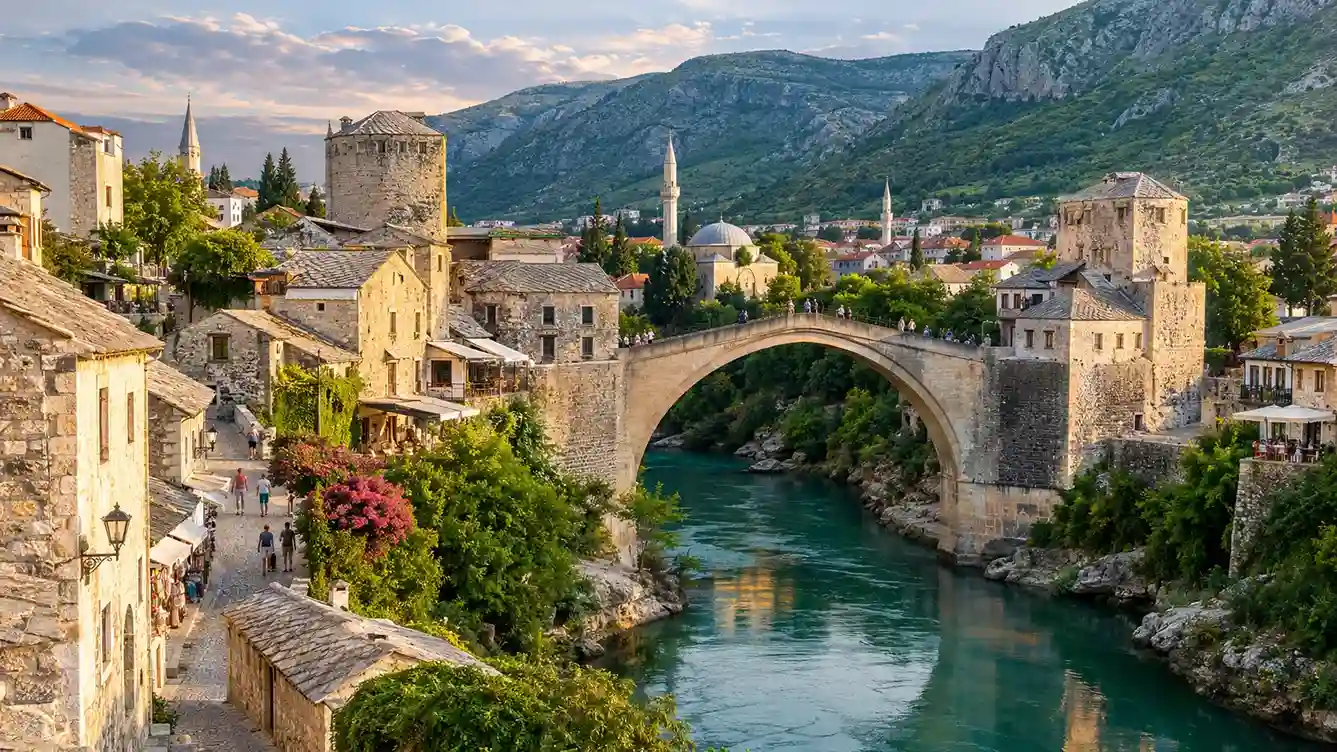
Planning one day in Mostar without a car? The historic city curves around the Neretva River, where the arched Stari Most connects stone streets, traditional shops and places of worship. The Old Bridge is more than a photogenic landmark: its destruction during the 1990s war and subsequent reconstruction give it an important place in the city’s modern story.
Most of the sights first-time visitors want to see are close enough to explore on foot. This practical Mostar walking itinerary shows you which bank to visit first, how long to spend at each stop, where to eat, what to budget and how to arrive by train or bus. You will not need a rental car for the central route.
Quick Answer: One Day in Mostar
- Is one day enough? Yes, for the main Old Town sights, a relaxed meal and several bridge viewpoints.
- Without a car? Yes. The historic center is compact and largely pedestrian-oriented.
- Starting point: Stari Most, then the eastern bazaar and mosque area.
- Best attraction: Stari Most, the Old Bridge.
- Best walking area: Kujundžiluk, the bridge approaches and the streets around Kriva Ćuprija.
- Distance: Allow roughly 2–4 km for central sightseeing, depending on detours; add the station walk if arriving on foot.
- Time needed: Around 6–8 leisurely hours in the center.
- Best bridge visit: Early morning for a quieter first look; return later if your schedule allows.
- Lunch area: West-bank lanes around Onešćukova and Jusovina.
- Photography: Public viewpoints near the riverbanks, with an optional elevated mosque view.
- Daily budget: Roughly 40–100 BAM per person for a simple-to-comfortable sightseeing day, excluding intercity travel and a room.
- Guide required? No, though a historical walking tour adds context.
- Book ahead? Useful for limited-time tours or busy-season accommodation; most public streets require no booking.
Table of Contents
One Day in Mostar: Quick Walking Itinerary Overview
Use the timetable as a flexible sequence, not a promise that ticketed attractions will be open at a particular hour. If you arrive late, prioritize the bridge, bazaar, river views and lunch.
| Time | Activity | Approximate Duration | Walking / Practical Note |
|---|---|---|---|
| Early morning | Stari Most and bridge approaches | 30–45 min | Take your first photos before major tour groups. |
| Mid-morning | Kujundžiluk and Koski Mehmed Pasha Mosque | 60–90 min | Stay on the eastern bank. |
| Late morning | River viewpoints and optional museum | 45–60 min | Choose publicly accessible terraces or paths. |
| Lunch | Cross west; Crooked Bridge and Bosnian meal | 75–100 min | Jusovina and Onešćukova are close together. |
| Early afternoon | Coffee, west-bank lanes, optional history stop | 60–90 min | Avoid rushing through the hottest hours. |
| Late afternoon | Second bridge view | 20–40 min | Useful for changing light, not guaranteed fewer crowds. |
| Evening | Dinner or departure | Flexible | Check your return connection first. |
Is One Day Enough in Mostar?
Yes. A full day gives you enough time to cross Stari Most, examine the old bazaar, visit or view a mosque, photograph the Neretva, see the Crooked Bridge and enjoy a proper Bosnian lunch. The attractions are clustered around a small historic core, so time is spent experiencing places rather than commuting between them.
A day is not enough for every museum, a long guided history walk, nearby waterfalls and an unhurried dinner. Choose one paid cultural stop rather than squeezing several into the same afternoon. Visitors with a strong interest in the city’s Ottoman heritage or the 1990s conflict will appreciate an overnight stay and a second day.
Arriving from Sarajevo early can leave a useful sightseeing window, provided both transport legs are confirmed. From Dubrovnik, border formalities can reduce your time in the city substantially. If a tour gives you only 90 minutes in Mostar, follow a short bridge-and-bazaar version, not this entire schedule. For a wider route, see our Bosnia and Herzegovina itinerary.
Is Mostar Walkable Without a Car?
Central Mostar is very walkable, but the surface is not effortless. Smooth-looking old paving stones can be slippery, bridge approaches are steep and some viewing spots involve steps. Shoes with good grip are more useful than sandals with slick soles. People using wheelchairs or strollers should expect barriers in the old core and may prefer the newer streets around it.
Mostar’s main railway station and the eastern bus station sit north of the Old Town near Trg Ivana Krndelja. From this area, allow approximately 20–25 minutes to reach Stari Most at an ordinary pace, longer with luggage or stops. Individual bus services can use other stops, including the western side of the city, so check the station printed on your ticket rather than assuming all buses arrive together.
A taxi can be helpful with heavy bags, mobility needs or extreme heat, but is unnecessary between the central sights in this guide. Blagaj and Kravice are regional excursions, not neighborhoods you can simply add to an Old Town stroll. If you are organizing a broader journey without driving, our Balkans itinerary without a car explains the bigger picture.
Mostar Walking Itinerary – Step-by-Step Route
Think of the route as two small loops divided by the river: the Old Bridge, Kujundžiluk, mosque and eastern viewpoints first; then cross back to the west for Kriva Ćuprija, lunch and coffee. A final bridge revisit is intentional for different light rather than necessary navigation.
Start at Stari Most – Mostar’s Famous Old Bridge
Begin with the single stone arch spanning the Neretva. The original 16th-century bridge was destroyed in 1993 and reconstructed in 2004; the Old Bridge Area entered the UNESCO World Heritage List in 2005. The UNESCO description of Mostar’s Old Bridge Area explains its value as both architecture and a symbol of rebuilding and coexistence.
Allow at least half an hour to appreciate the bridge from either approach and one public viewpoint below. The polished, steep stones demand attention underfoot, especially after rain. Cross slowly, keep bags close in crowds and never stop where you block other walkers. The crossing itself is public and does not require an admission ticket.
Explore Kujundžiluk – Mostar’s Old Bazaar
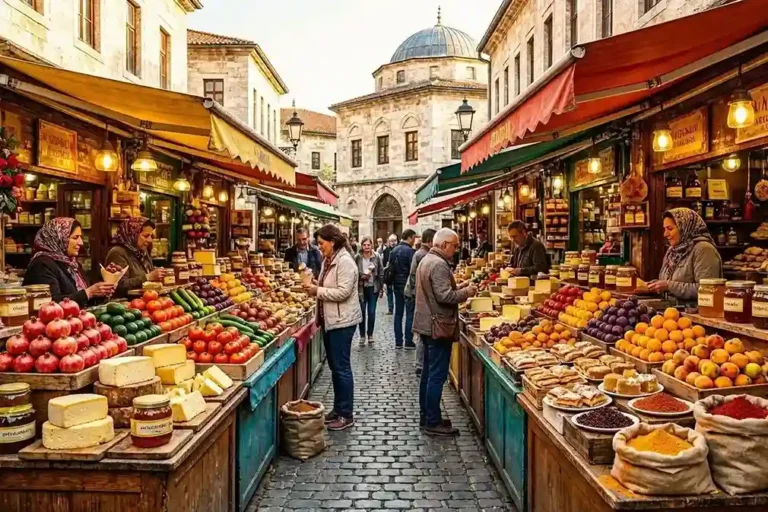
Cross to the eastern bank and continue into Kujundžiluk, the craft-shopping stretch immediately associated with the bridge. Expect small workshops, copper-colored trays, lamps, textiles and souvenir shops set against stone houses. A 20–30-minute wander is sufficient for a first look; shoppers may want longer.
Ask about an item’s maker and material if locally produced crafts matter to you. Not every object in a heritage shopping street is handmade in Mostar. The best experience is to look into a few shops thoughtfully, appreciate the working street and avoid treating residents and shopkeepers as photo props.
Visit Koski Mehmed Pasha Mosque
From the bazaar, walk a few minutes north toward Mala Tepa to the riverside Koski Mehmed Pasha Mosque. Built in the Ottoman period, it is both an active religious landmark and a popular architectural stop. Its courtyard provides a different perspective on the river and bridge; a minaret visit, when offered, gives a higher viewpoint.
Visitor access, tickets and minaret availability may change for prayer, maintenance or season. Check at the entrance and consult the Mostar Pass attraction information before deciding whether a paid visit suits your day. Dress respectfully, follow on-site instructions and do not enter prayer areas during restricted periods. Narrow, steep minaret stairs are unsuitable for some visitors and not essential to enjoying Mostar.
Find the Best Views of Stari Most
There are three useful kinds of photographs here. Bridge-level pictures emphasize the stone arch and the busy approaches. Accessible public riverbank perspectives reveal the bridge’s height above the Neretva. An elevated viewpoint—such as the mosque minaret if admission is available—puts rooftops and hills in the frame.
Choose your angle based on light and safety, rather than chasing an exact image seen online. Morning can be quieter, while later light may pick up the stone differently. A restaurant terrace is not a public lookout unless the business welcomes visitors; private rooftops and unsafe river edges are not shortcuts to better photos.
Walk Along the Neretva River
From around the mosque and bridge approaches, look for signed, publicly accessible lower-level viewpoints. The river changes character with water level, season and weather; a path that seems close to the water on a map may involve awkward stairs or a closed access point. You need not follow the Neretva for kilometers to appreciate it.
Spend 15–25 minutes enjoying safe views, then return toward Stari Most. The water can be cold and currents dangerous. Do not imitate the trained bridge divers or swim in unfamiliar river sections. If a lower access path is slippery or unclear, the upper street views are an excellent alternative.
Visit the Crooked Bridge – Kriva Ćuprija
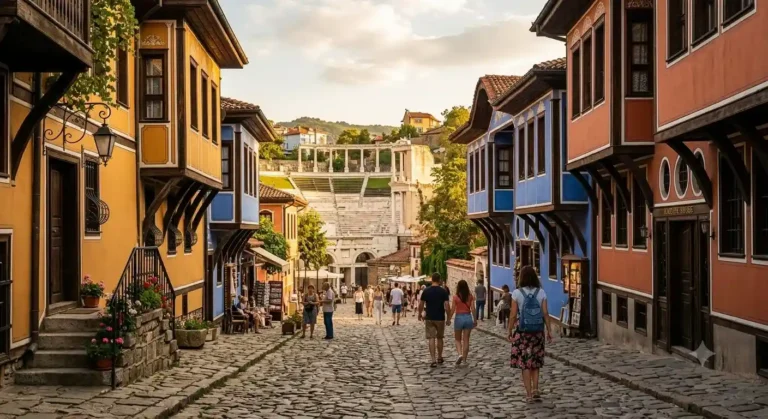
Cross Stari Most back to the western bank, then follow the lanes around Onešćukova and Jusovina. The smaller arched Kriva Ćuprija crosses the Radobolja stream, a tributary of the Neretva. Its scale makes it easier to notice details that are lost amid the crowds at the larger Old Bridge.
This is a short stop, not a separate expedition: ten to twenty minutes usually works, with extra time for photographs around the stone lanes and cafés. The Mostar Tourist Board’s attraction directory is useful for identifying nearby heritage sites without sending you across town unnecessarily.
Traditional Bosnian Lunch in Mostar
You are now well placed for lunch on the western bank. Ćevabdžinica Tima-Irma, around Onešćukova, is a practical casual option for grilled dishes such as ćevapi. Restaurant Šadrvan on Jusovina suits visitors wanting a sit-down traditional menu, while Hindin Han, also around Jusovina, is attractive for its position near the Radobolja–Neretva confluence. These are real establishments, but confirm current hours and seating locally.
Allow around an hour for a seated meal and more if you have a table with a river view. Order according to appetite, not a checklist: a grilled-meat dish, soup or savory pastry can be plenty. Vegetarians can look for vegetable-based dishes and ask about broth or meat stock rather than assuming every traditional item is meat-free.
Experience Bosnian Coffee Culture
A small pot of Bosnian coffee is commonly served with a cup, sugar and sometimes a sweet. Let the grounds settle and pour carefully. Coffee is a chance to slow the pace, not a drink to rush between monuments. The old lanes around the bridge offer several relaxed places to stop, and the tourist board also mentions Café de Alma as a coffee option.
Allow 20–40 minutes, especially in summer when a shaded break improves the rest of the walk. If a place is crowded or only offers one style of coffee service, try another café rather than making a special journey away from the center.
Explore Additional Historical Streets
Keep the afternoon flexible. Walk a little farther along the western Old Town streets to appreciate old houses and quieter corners, or add one cultural interior. The Old Bridge Museum near the bridge’s eastern tower explains its construction and reconstruction; this means briefly crossing back east if you choose it. Bišćević House and Muslibegović House offer other Ottoman-era architectural interests farther north on the eastern side.
For an efficient day, choose one of these rather than all three. Check whether each interior is accepting visitors and charging admission. If you would rather understand the city’s difficult recent history, save time for a dedicated historical walking tour on this or a second day.
Return to Stari Most for Late-Afternoon Views
Return to one of the bridge approaches after your coffee break. The stone, river and crowds can look quite different several hours later, making this repeat visit worthwhile. Crowds do not necessarily disappear in the afternoon: day-tour departures and arrivals vary. If you have an early return bus, take your second photograph whenever the route naturally passes the bridge.
Dinner and Evening in Mostar
If you stay overnight, enjoy an unhurried dinner around Jusovina or the central Old Town, then see the illuminated streets from a safe public viewpoint. A hearty Bosnian stew, grilled meal or simpler casual dinner all fit. If leaving the same day, substitute a takeaway snack or an early meal and allow time to walk back to the correct station.
Detailed Walking Schedule
The following example assumes you can start in the Old Town around 9:00 a.m. Times are approximate; shift the whole plan to match your arrival and the opening times you actually find. Walking estimates exclude browsing and photographs.
| Approximate Time | Attraction | Suggested Duration | Walking Time | Practical Note |
|---|---|---|---|---|
| 9:00 | Stari Most | 40 min | Starting point | Cross carefully and see both approaches. |
| 9:45 | Kujundžiluk | 30 min | 2–5 min | Browse the eastern bazaar. |
| 10:20 | Koski Mehmed Pasha Mosque | 35–45 min | 5–8 min | Interior or minaret only if accessible. |
| 11:10 | Eastern river views | 30 min | 5–10 min | Stick to public, safe viewpoints. |
| 11:50 | Cross west; Crooked Bridge | 25 min | 8–12 min | Jusovina / Radobolja area. |
| 12:20 | Lunch | 60–75 min | 2–5 min | Allow a proper break. |
| 1:45 | Coffee and historic lanes | 60 min | 5–10 min | Keep the hottest period flexible. |
| 3:00 onward | Optional museum; bridge return | 60–90 min | 5–15 min | Drop the museum if a bus leaves soon. |
Best Things to See in Mostar in One Day
Essential Stops
Protect time for Stari Most, Kujundžiluk, one safe river viewpoint and Kriva Ćuprija. Together they show the relationships between the river, stone architecture, trade and everyday street life. They are free to experience from public paths, though shopping and dining are extra.
Worth Adding If Time Allows
Choose the courtyard or ticketed sections of Koski Mehmed Pasha Mosque, the Old Bridge Museum, or an introductory historical walk. These add context beyond the postcard scene. A short stop to observe the exterior of a historic house may be better than paying for a hurried museum visit you will not enjoy.
Better with an Extra Day
Allow a second day for several residential-house museums, a more detailed treatment of the wartime history, or trips to Blagaj, Počitelj and Kravice Waterfalls. Those places deserve their own logistics and do not belong on a central walking map.
Best Places to Photograph Stari Most
For the classic wide view, seek a public river-level viewpoint that frames the bridge against the stone houses. Check the path condition before descending; lower does not automatically mean safer. For details of the arch, parapets and people crossing, photograph from the bridge approaches without blocking the passage. For a higher perspective, consider the Koski Mehmed Pasha Mosque minaret only if it is open, permitted and comfortable for you to climb.
Light differs by bank and season, so there is no universally perfect hour. Early starts help with crowd control, while late-afternoon warmth can be attractive when it reaches the stone. Avoid photographing worshippers without permission, walking into restaurant seating areas without being a customer or approaching the water just because another visitor is standing there.
Traditional Bosnian Food to Try in Mostar
Bosnian and wider regional food traditions overlap, and Mostar’s menus reflect Ottoman, Balkan and Herzegovinian influences. Ćevapi are small grilled minced-meat pieces commonly served with flatbread and onion. Burek usually refers to meat-filled pastry in Bosnia; cheese, spinach and other filled pies are often identified by their own names.
Begova čorba is a rich soup commonly associated with chicken and vegetables; sogan-dolma features stuffed onions; and japrak is a leaf-wrapped filling. For something sweet, try baklava or tufahija, a dessert traditionally made with poached apple and nuts. Finish with Bosnian coffee if you enjoy strong, unfiltered coffee. Availability varies by kitchen, so treat these as dishes to look for, not guaranteed offerings at any named restaurant.
Where to Eat in Mostar
The most convenient dining area for a one-day visit is the Old Town itself. The Mostar Tourist Board restaurant listings identify many of the establishments below. Names are useful starting points; check the menu, current opening status and payment options before sitting down.
Traditional Bosnian Restaurants
Šadrvan (Jusovina 11) is a central choice for a sit-down traditional meal; it is better for travelers who want to pause than those with a tight coach connection. Hindin Han (Jusovina, near the river confluence) appeals to people who value a waterside setting. Both fit the west-bank portion of the walking route and are generally mid-range rather than grab-and-go options.
Budget-Friendly Food
Tima-Irma near Onešćukova is a good candidate for a casual grilled meal, particularly if you want ćevapi or mixed grilled meat without a long formal lunch. A bakery selling pita can be a simpler, lower-cost alternative. Compare the actual posted menu rather than assuming one specific dish or restaurant will always be cheapest.
Coffee and Desserts
Café de Alma is an established coffee stop mentioned in local tourism guidance. You can also choose a small café along the historic pedestrian lanes and pair your coffee with a pastry or dessert if offered. For a short day, proximity and a comfortable seat matter more than chasing a single famous address.
Riverside Dining
Restaurant Divan in the Jusovina area is another Old Town option. Restaurant Mimar in the Mala Tepa area provides an eastern-bank alternative. Ask whether a river-facing table is available before ordering; a restaurant’s location does not guarantee every table has a bridge view.
Dinner in the Old Town
Food House Mostar (Rade Bitange 12) offers a useful alternative for mixed dietary preferences, with Bosnian, Mediterranean and other dishes advertised by the establishment. Restaurant EMEN (Onešćukova 32) is another central option for visitors who prefer to stay in the west-bank lanes. These are places to compare on arrival, not claims of fixed opening hours, prices or availability.
How to Get to Mostar Without a Car
Mostar can be reached by railway, intercity coach and organized excursion. Choose based on usable sightseeing hours after arrival, not simply the fastest advertised journey. For wider transport planning, see our guide to Balkan buses, trains and cars.
| Route / Method | Typical Journey | Best For | Main Caution |
|---|---|---|---|
| Sarajevo train | About 2 hours | Scenery and rail travelers | Confirm service in both directions. |
| Sarajevo bus | Often 2.5–3.5 hours | Alternative schedules | Check exact stop, traffic and return. |
| Dubrovnik bus | Often 3–4+ hours | Independent international travel | Border checks may add delay. |
| Organized day tour | Usually a full day | Simple logistics | Check actual free time in Mostar. |
Sarajevo to Mostar by Train
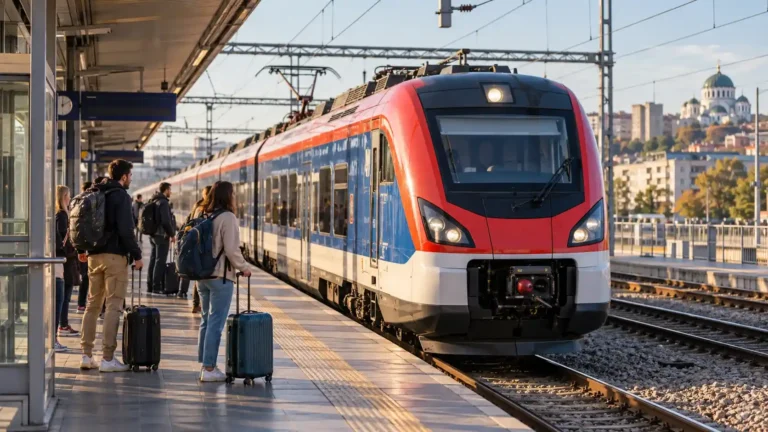
Take the train from Sarajevo’s main railway station to Mostar station, on the scenic line through the Neretva valley. The journey normally takes around two hours when operating to schedule. After a temporary 2026 interruption, the operator announced the restoration of regular Sarajevo–Mostar–Čapljina passenger service; always check its current railway timetable and notices for your exact travel date.
A timetable entry is not a guarantee against disruptions. Confirm both your outward and return trains before building a day trip, and ask at the station about the accepted ticket-purchase method. Our Sarajevo to Mostar train guide covers stations and practical ticket questions in more depth.
Sarajevo to Mostar by Bus
Coaches provide another practical link and can be preferable when rail timings do not fit. Allow roughly two and a half to three and a half hours as a planning range, subject to the specific service and traffic. Ask whether the bus leaves Sarajevo’s main bus station or another terminal, and verify the Mostar arrival stop. Keep the return reservation or confirmed departure time readily available.
Dubrovnik to Mostar by Bus
This is an international journey from Croatia to Bosnia and Herzegovina. A direct coach may take around three to four hours or longer, especially when border queues build. Check the operator’s Dubrovnik–Mostar route information, then verify the actual carrier, departure, arrival stop and return availability on your intended date. Carry the required travel documents and check entry rules for your nationality with official authorities; do not rely on another traveler’s passport experience.
An independent same-day return can be awkward if the available timetable gives you only a brief stay. Our Dubrovnik to Mostar day-trip comparison helps you decide between bus, tour and other options.
Organized Day Tours to Mostar
Tours remove much of the planning, but they can trade away your free time. A Dubrovnik–Mostar and Kravica day trip on GetYourGuide, for example, is a real bookable multi-stop itinerary; the product description allocates limited time in Mostar. Read the latest itinerary, included admission costs, pickup point and cancellation terms before booking. Sarajevo-based tours similarly differ in how long they actually stop in the Old Town.
From Mostar Bus or Railway Station to the Old Town
From the eastern railway/bus station area, walk south toward the historic center, using an offline map to select your preferred approach to Stari Most. Estimate 20–25 minutes, plus a little time to orient yourself. If you have luggage, limited mobility or severe heat, consider a licensed taxi for the short transfer. Confirm a bus’s actual drop-off point before following these directions.
How Much Does One Day in Mostar Cost?
Bosnia and Herzegovina uses the convertible mark (BAM), commonly written KM. The Central Bank of Bosnia and Herzegovina publishes official currency information. The figures below are broad planning allowances in BAM per person, not advertised menu prices or official attraction fees. You can spend very little on sightseeing if you stick to public areas.
| Expense | Budget Traveler | Mid-Range Traveler | Higher-Comfort Traveler |
|---|---|---|---|
| Breakfast | 5–8 BAM | 8–14 BAM | 14–22 BAM |
| Lunch | 10–16 | 18–28 | 30–50 |
| Coffee / sweet | 3–6 | 6–10 | 10–18 |
| Dinner | 12–20 | 22–38 | 40–65 |
| Paid attractions | 0–10 | 10–25 | 20–40 |
| Guided walk (optional) | 0 | 0–50 | Private-tour quote |
| Local transport | 0 | 0–10 | 10–25 |
| Souvenirs (optional) | 0–10 | 10–25 | 25+ |
For a simple walk with one inexpensive meal, coffee and limited paid sightseeing, around 40–60 BAM is a useful starting allowance. A more comfortable day with two meals or an admission can be around 70–120 BAM; tours and shopping can increase that. Accommodation and travel to Mostar are separate. Keep some local cash for small purchases and have a working card as a backup; do not assume every small vendor accepts cards or foreign currency.
Mostar Guided Walking Tour vs Self-Guided Visit
| Factor | Guided Walking Tour | Self-Guided Walk |
|---|---|---|
| Cost | Tour fee; exclusions vary | Free route; optional admission |
| Flexibility | Fixed meeting time and pace | Stop as long as you like |
| Historical context | Guide can explain difficult history | Requires prior reading |
| Time management | Planned sequence | Fully under your control |
| Best suited to | History-focused first visit | Photography, food and flexible breaks |
Independent sightseeing is enough to navigate the main attractions. If you want a deeper explanation of the city’s religious and wartime history, compare a Mostar private walking tour on Viator. Its listed route includes the Old Bridge, Crooked Bridge and mosques; check the meeting point and whether any interior admissions are excluded. Respectful historical interpretation is worth more than ticking off additional streets.
Where to Stay in Mostar
Mostar Old Town
Stay here for restaurants, evening atmosphere and walking straight to the sights. Trade-offs include steps, uneven lanes and possible noise near busy hospitality streets. Check whether your accommodation is reachable with rolling luggage.
Near Stari Most
An excellent base for photographers and couples who want early and late bridge views. A listing that says “near the bridge” is not proof of a direct view from the room, so inspect the room description and recent guest photographs.
Near the Bus and Railway Stations
This northern location is convenient for early departures and travelers carrying luggage. You trade an atmospheric doorstep for a modest walk to the Old Town. Compare location filters and actual dates on Booking.com’s Mostar accommodation listings before deciding.
Best Time of Year to Visit Mostar
Spring
Usually a comfortable period for longer walks, with fresh greenery and variable rain. Bring a light layer and remember that wet bridge stones require care.
Summer
The Old Town can be very hot and busy. Start early, carry water, plan a shaded meal and avoid unnecessary uphill detours in the middle of the day. Crowds can build when coach groups arrive.
Autumn
Often pleasant for walking and photography, although daylight gets shorter and some seasonal tours or terraces may reduce their operating hours. Check your departure time before planning evening photos.
Winter
The streets may feel quieter, but rain, cold spells and shorter days change the experience. Check museum and restaurant access, use shoes with traction and favor a flexible rather than tightly timed plan.
Can You Combine Mostar with Blagaj or Kravice Waterfalls?
Not on the walking-only itinerary described here. Blagaj lies outside Mostar’s historic core, and Kravice Waterfalls are farther away in Herzegovina. Reaching them calls for a vehicle, suitable regional transport or an arranged tour. Trying to add both between an inbound and outbound bus can leave you with little time at Stari Most.
If you have an extra full day based in Mostar, a Herzegovina excursion from Mostar covering Blagaj, Počitelj and Kravice on Viator is a relevant transport-based alternative. Check the exact pickup, stop order, entrance exclusions and seasonal conditions. If you have only a few hours in the city, stay with the bridge and Old Town.
One Day in Mostar for Different Travelers
Solo travelers: The compact route is easy to navigate with an offline map; a guided walk can provide company and context. Couples: Allow extra time for coffee and an evening river view if staying overnight. Families: Cut one museum stop, avoid rushing children over the slick bridge and take more shade breaks. Budget travelers: Focus on free streets and viewpoints, eat at a casual grill or bakery and skip optional admission. Day-trippers: Plan backwards from the confirmed return departure and protect a station buffer.
Common Mistakes When Visiting Mostar
| Mistake | Why It Causes Problems | Better Approach |
|---|---|---|
| Seeing only Stari Most | Misses the surrounding historic streets | Include bazaar and Crooked Bridge. |
| Arriving at peak crowds with no plan | Bridge approaches become slow | Start early if possible. |
| Smooth-soled shoes | Polished stones can be slippery | Wear shoes with grip. |
| Underestimating heat | Fatigue and rushed visits | Carry water; plan shade. |
| Skipping Bosnian food | Misses an accessible cultural experience | Reserve time for lunch and coffee. |
| Adding several distant attractions | Consumes the whole day in transport | Use a separate excursion day. |
| Assuming mosques are freely open | Access can be restricted or ticketed | Check onsite rules first. |
| Ignoring return schedules | Risk of missed connection | Verify both directions. |
| No photography buffer | Every viewpoint takes longer | Allow 20–30 extra minutes. |
| Confusing Old Town with the whole city | Longer sights are not adjacent | Check actual walking distances. |
| Trusting old opening hours | Paid sites may be closed | Confirm before committing. |
| Tight cross-border bus connection | Border delays are unpredictable | Build a generous buffer. |
Practical Tips for Visiting Mostar Without a Car
- Wear comfortable shoes with traction and move slowly on the arched bridge.
- Start early if possible, but adapt the walk to your actual train or bus arrival.
- Carry water, sun protection and a light layer when weather may change.
- Download an offline map; mark public viewpoints and your station.
- Confirm museum and mosque access instead of relying on old posted hours.
- Allow a proper lunch and coffee stop; they are part of the visit.
- Dress and behave respectfully at religious sites and memorial locations.
- Have some BAM cash and a backup card; check accepted payment methods.
- Keep your return ticket and station details easy to access.
- Build border and traffic buffers into international journeys.
- Walk between central attractions rather than hiring transport for tiny distances.
Is Mostar Worth Visiting for One Day?
Absolutely, if you appreciate distinctive urban history, architecture, photography, food and walkable places. In a few hours the bridge, river, mosque skyline and traditional streets create a coherent sense of place. What one day cannot provide is a comprehensive understanding of the city’s complex recent history or a tour of all Herzegovina. That is a reason to return or stay overnight, not a reason to skip Mostar.
Final Thoughts – One Day in Mostar
The best way to spend one day in Mostar is to keep the walking route simple: begin at Stari Most, explore the eastern bazaar and mosque area, enjoy river viewpoints, then cross west for the Crooked Bridge, traditional food and coffee. Revisit the bridge if light and your return schedule allow. A guide is optional; distant sights need a separate transport plan. Before departure, verify current rail or bus services and any ticketed opening times. If you can stay the night, compare centrally located accommodation and tours only where they genuinely improve your visit.