Is the Balkans Safe for Tourists? Honest Safety Guide for First-Time Visitors

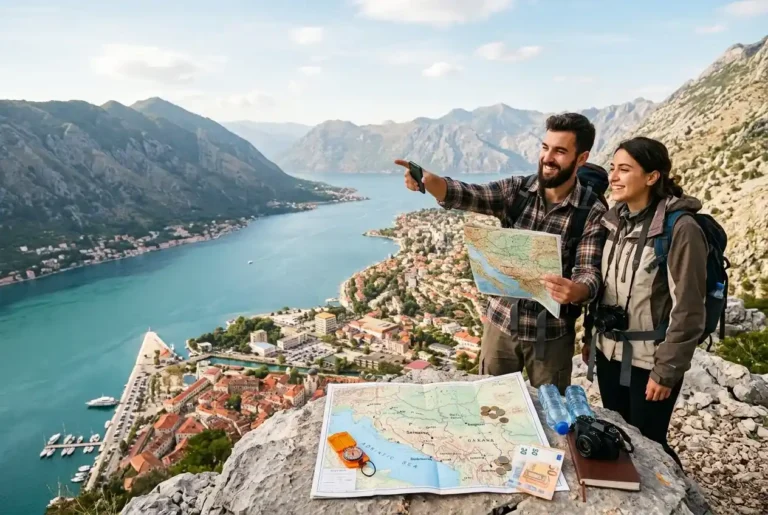
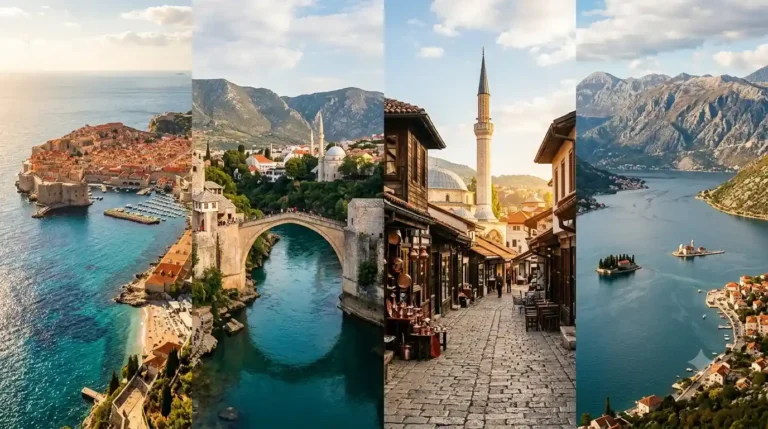
Is the Balkans safe for tourists? This is one of the most common questions first-time visitors ask before planning a trip to Southeast Europe. The region has become increasingly popular thanks to its breathtaking mountains, historic towns, beautiful Adriatic coastline, affordable prices, and warm hospitality. While every destination has its own characteristics, the Balkans are generally considered safe for tourists who use the same common-sense precautions they would anywhere else in Europe. Understanding the differences between countries, local customs, transportation, and outdoor activities will help you enjoy a confident and rewarding journey.
Travel safety in the Balkans depends on several factors, including the country you visit, the city or rural area you’re exploring, the season, your travel style, and the activities you choose. Walking through Dubrovnik’s Old Town is very different from hiking in Albania’s Accursed Mountains or driving along Montenegro’s winding coastal roads. Most travelers experience friendly locals, welcoming communities, and memorable adventures with few problems, but being prepared always makes travel smoother.
This honest Balkans safety guide explains what first-time visitors should realistically expect. Rather than focusing on fear or outdated stereotypes, you’ll find balanced advice based on practical travel situations, helping you understand where extra awareness is useful and where you can simply relax and enjoy your trip.
Quick Answer: Is the Balkans Safe for Tourists?
| Question | Short Answer |
|---|---|
| Is the Balkans safe for tourists? | Yes. Most visitors enjoy safe, enjoyable trips with normal travel precautions. |
| Is it suitable for solo travelers? | Generally yes, especially in well-known tourist destinations and cities. |
| Is it family-friendly? | Yes. Many Balkan destinations are welcoming to families with children. |
| What are the biggest risks? | Minor scams, pickpocketing in busy tourist areas, transport issues, and occasional driving challenges. |
Overall, violent crime affecting tourists is uncommon across most Balkan destinations. Popular cities, historic centers, coastal resorts, and national parks receive millions of visitors every year. Like anywhere in Europe, staying aware of your surroundings, protecting your valuables, and using reputable transportation providers are usually enough to avoid the most common travel problems.
Many travelers are pleasantly surprised by how welcoming local people are. Hospitality is deeply rooted throughout the region, and visitors often find residents willing to offer directions, recommend local restaurants, or help if they encounter difficulties. While no destination is completely risk-free, the Balkans have developed into one of Europe’s most rewarding regions for independent travelers, couples, families, and backpackers alike.
How Safe Are Balkan Countries Compared With Western Europe?
The Balkans are sometimes misunderstood because of historical events that no longer reflect the experience of modern travelers. Today’s visitors typically find lively city centers, well-established tourism infrastructure, modern accommodations, and improving transportation networks throughout much of the region. Safety levels vary slightly between countries and destinations, but most popular tourist areas offer experiences comparable to many other European destinations.
Instead of thinking about the Balkans as one single destination, it is more useful to consider each country individually. Some countries have highly developed tourism industries with extensive visitor services, while others offer a more adventurous experience with fewer crowds and a stronger sense of exploration. Neither approach is inherently safer or less safe—they simply require different expectations and planning.
| Country | General Safety Level | Best For | Common Concerns | Travel Notes |
|---|---|---|---|---|
| Slovenia | Very traveler-friendly | Families, nature lovers | Mountain weather | Excellent infrastructure |
| Croatia | High | Coastal holidays | Summer pickpocketing | Busy during peak season |
| Montenegro | High | Nature and road trips | Mountain driving | Scenic but winding roads |
| Albania | Generally safe | Adventure travel | Driving habits | Rapidly growing tourism |
| Bosnia & Herzegovina | Generally safe | Culture and history | Remote hiking areas | Stay on marked trails |
| Serbia | Generally safe | City breaks | Nightlife awareness | Excellent hospitality |
| Bulgaria | Generally safe | Cities and mountains | Tourist scams in busy areas | Reliable public transport |
| North Macedonia | Generally safe | Lakes and culture | Normal urban precautions | Relaxed atmosphere |
| Kosovo | Generally safe | Cultural exploration | Border planning | Check current travel requirements |
Rather than asking whether the Balkans are safe as a whole, experienced travelers recommend researching each destination individually. This approach provides a more accurate picture and helps set realistic expectations for transportation, accommodation, outdoor activities, and local customs. With thoughtful planning and sensible precautions, most visitors discover that the region offers one of Europe’s most welcoming and rewarding travel experiences.
Safest Balkan Countries for Tourists
Although every traveler’s experience is different, several Balkan countries are often considered especially approachable for first-time visitors thanks to their tourism infrastructure, clear transportation networks, and well-developed visitor services. These destinations combine beautiful scenery with practical convenience, making them excellent starting points for exploring the region.
Slovenia
Slovenia is frequently recommended as one of the easiest introductions to the Balkans. Its modern infrastructure, efficient transportation, and well-maintained hiking trails make independent travel straightforward. Cities such as Ljubljana are easy to explore on foot, while destinations like Lake Bled and Triglav National Park attract families, outdoor enthusiasts, and road-trippers alike. Even in mountain regions, following marked trails and checking weather forecasts are usually the most important safety considerations.
Croatia
Croatia has one of the region’s most established tourism industries. Visitors enjoy excellent facilities along the Adriatic coast, historic cities such as Dubrovnik and Split, and numerous island destinations connected by ferries. During the busy summer months, the main concerns are typically crowded attractions and occasional pickpocketing in heavily visited areas. Staying aware of personal belongings and booking transportation in advance can help ensure a smooth trip.
Montenegro
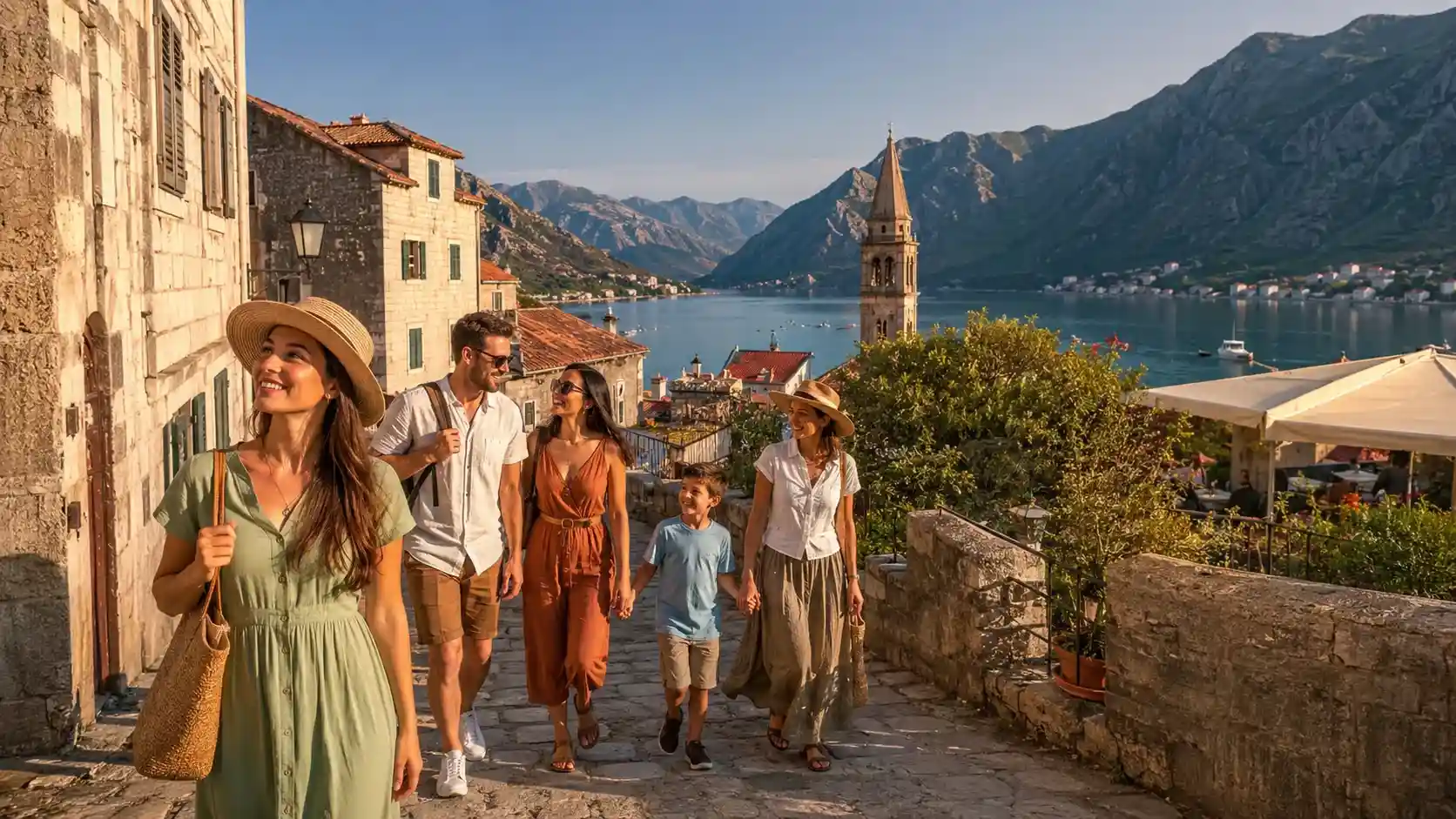
Montenegro offers dramatic coastlines, medieval towns, and spectacular mountain landscapes within relatively short travel distances. Popular places such as Kotor and Budva are generally welcoming to tourists, while national parks provide unforgettable outdoor experiences. Travelers planning to drive should be prepared for narrow mountain roads and seasonal traffic, particularly during summer holidays.
Bulgaria
Bulgaria combines historic cities, mountain scenery, and Black Sea resorts, making it a versatile destination for many travel styles. Sofia and Plovdiv are popular city breaks with reliable public transportation, while mountain regions attract hikers throughout the warmer months. As in many European destinations, visitors should remain aware of their belongings in busy transport hubs and tourist hotspots while enjoying the country’s diverse attractions.
No matter which country you choose, normal travel awareness remains the best approach. Respect local customs, stay informed about transportation and weather conditions, and use reputable accommodation and transport providers. Doing so allows most visitors to experience the Balkans with confidence while enjoying everything this fascinating region has to offer.
Is Albania Safe for Tourists?
Many first-time visitors wonder whether Albania is a good choice for an independent trip. In recent years, the country has become one of the fastest-growing travel destinations in Europe, attracting visitors with its beautiful Riviera, UNESCO-listed towns, affordable prices, and welcoming hospitality. While Albania still feels more adventurous than some neighboring destinations, it is generally considered safe for tourists who travel responsibly and plan ahead.
Popular destinations such as Tirana, Saranda, Berat, and the Albanian Riviera welcome increasing numbers of international travelers every year. Most visitors experience friendly interactions with locals and few safety issues beyond the normal precautions expected in any tourist destination.
Tirana
Albania’s capital is lively, modern, and easy to explore. Popular neighborhoods, museums, restaurants, and cafés are generally busy throughout the day and evening. Public spaces are well used by both locals and tourists, creating a comfortable atmosphere for sightseeing. Visitors should remain aware of their belongings in crowded areas and use licensed taxis or trusted ride services when traveling late at night.
Saranda & the Albanian Riviera
Saranda serves as the gateway to Albania’s spectacular Riviera, where crystal-clear beaches and coastal villages attract thousands of summer visitors. The main safety challenges here are usually related to heavy traffic during peak season, crowded beaches, and busy nightlife areas rather than serious crime. Booking accommodation early and staying alert in crowded tourist zones can make your visit more enjoyable.
Berat
Known as the “City of a Thousand Windows,” Berat is one of Albania’s most peaceful destinations. Visitors typically enjoy relaxed walks through the historic neighborhoods and castle district. Like many smaller Balkan towns, it has a welcoming atmosphere that appeals to couples, families, and cultural travelers.
Driving deserves extra attention, particularly outside major cities where road conditions and local driving styles may differ from what some international visitors expect. Taking your time, avoiding unnecessary night driving in unfamiliar rural areas, and following local traffic regulations can significantly improve your experience.
Is Bosnia and Herzegovina Safe for Tourists?
Bosnia and Herzegovina offers a fascinating combination of Ottoman heritage, Austro-Hungarian architecture, mountain scenery, and welcoming local culture. Cities like Sarajevo and Mostar are among the region’s most rewarding destinations and are generally considered safe for visitors who exercise normal travel awareness.
Sarajevo
Sarajevo combines historic streets with modern cafés and vibrant cultural life. Visitors typically find the city easy to explore on foot, particularly around Baščaršija, the historic old town. As with any busy city, protecting personal belongings in crowded tourist areas is recommended.
Mostar
Mostar is famous for its iconic Old Bridge and picturesque old town. During peak tourist season, large crowds gather around the bridge and surrounding market streets. Keeping valuables secure and staying aware of your surroundings is generally sufficient while exploring the city.
Nature & Hiking Areas
Bosnia’s mountains, rivers, and national parks offer outstanding outdoor experiences. Visitors should remain on marked hiking trails and follow local guidance when exploring remote countryside. Certain isolated areas may still contain unexploded landmines dating from past conflicts, which is why travelers are advised never to leave established paths or enter abandoned locations.
Is Serbia Safe for Tourists?
Serbia has become increasingly popular for city breaks, cultural travel, festivals, and nightlife. Most visitors enjoy safe experiences while exploring Belgrade, Novi Sad, and Niš. The country’s hospitality and vibrant café culture make it particularly attractive to independent travelers.
Belgrade
Belgrade is known for its energetic atmosphere, historic landmarks, and famous nightlife. Busy pedestrian streets and riverfront areas remain active well into the evening. Visitors should keep personal belongings secure, drink responsibly, and arrange reliable transportation after late-night outings.
Novi Sad
Often regarded as one of Serbia’s most relaxed cities, Novi Sad attracts visitors year-round and becomes especially lively during major festivals. The city is generally comfortable for walking, cycling, and independent sightseeing.
Niš
Niš offers fascinating historical attractions together with a slower pace than the capital. Travelers typically encounter few safety concerns beyond standard urban awareness and normal travel precautions.
Public transportation is widely used, while taxis and ride services are readily available in larger cities. Learning a few local customs and greeting people politely can also contribute to positive interactions throughout your trip.
Is Montenegro Safe for Tourists?
Montenegro combines dramatic mountains with one of Europe’s most scenic coastlines, making it an excellent destination for travelers who enjoy both nature and historic towns. Overall, it is considered a tourist-friendly country where most visitors experience safe and enjoyable holidays.
Kotor
Kotor’s medieval Old Town and spectacular bay attract cruise passengers and independent travelers throughout the year. Summer crowds can be significant, so keeping valuables secure and planning sightseeing early in the day helps avoid congestion.
Budva
Budva is famous for its beaches and nightlife. While generally safe, visitors should remain attentive in busy entertainment districts and avoid leaving personal items unattended on the beach or in crowded venues.
Durmitor National Park
Outdoor enthusiasts visiting Durmitor should prepare carefully for changing mountain weather, carry suitable hiking equipment, and stay on marked trails. Guided hikes are recommended for more challenging routes, particularly for first-time visitors unfamiliar with the terrain.
Is North Macedonia Safe for Tourists?
North Macedonia remains one of the Balkans’ lesser-known destinations, offering beautiful lakes, historic monasteries, and welcoming cities. Visitors generally report positive experiences while exploring Skopje, Ohrid, and Matka Canyon.
Skopje
The capital offers museums, lively public squares, restaurants, and riverside walking areas. Standard urban awareness is usually sufficient while sightseeing and using public transportation.
Ohrid
Lake Ohrid is one of the region’s most relaxing destinations and is popular with families, couples, and solo travelers alike. The historic center is easy to explore on foot, while lakeside promenades remain active throughout the tourist season.
Matka Canyon
Visitors planning hiking or kayaking activities should monitor weather conditions, wear appropriate footwear, and follow local guidance for outdoor excursions. Proper preparation helps ensure a safe and enjoyable visit.
Whether traveling alone, with friends, or as a family, North Macedonia provides a relaxed travel experience where normal precautions are generally all that is required.
Is Bulgaria Safe for Tourists?
Bulgaria is a diverse destination where travelers can combine historic cities, mountain adventures, cultural landmarks, and Black Sea beaches in one trip. It is generally considered safe for tourists, and most visitors experience welcoming hospitality with few problems beyond the typical precautions expected in busy tourist destinations. Whether you’re exploring Sofia, wandering through Plovdiv’s old streets, or hiking in the Rila Mountains, sensible travel habits are usually enough to ensure a comfortable visit.
Sofia
Bulgaria’s capital offers museums, parks, historic churches, and a growing food scene. Public transportation is reliable, and many attractions are easily accessible. Like in other European capitals, travelers should watch their belongings in crowded transport stations and popular tourist areas.
Plovdiv
Plovdiv’s charming Old Town is one of the country’s cultural highlights. The city is comfortable to explore on foot, with colorful historic houses, Roman ruins, and pedestrian-friendly streets creating a relaxed atmosphere for visitors.
Rila Monastery & the Black Sea
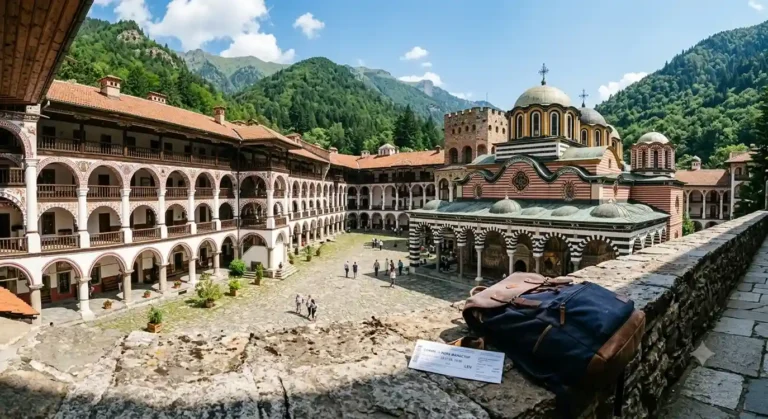
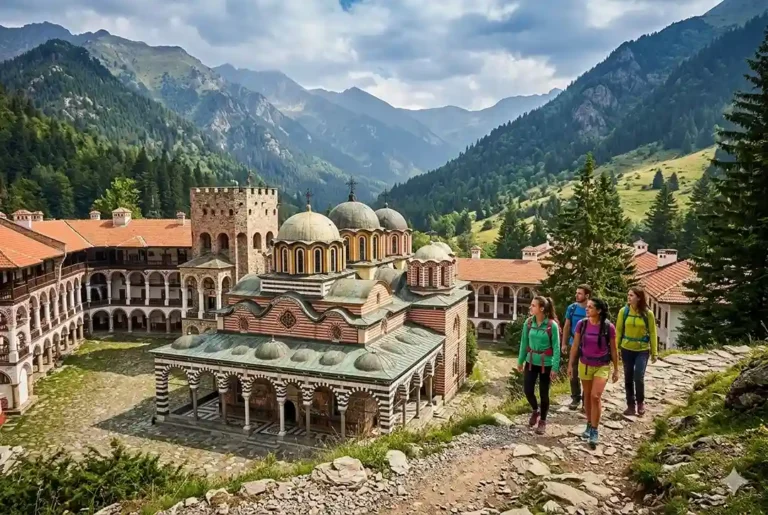
Rila Monastery is one of Bulgaria’s most famous landmarks and is generally very safe for tourists. Visitors heading into nearby mountain areas should prepare for changing weather conditions before hiking. Along the Black Sea coast, busy resorts can attract minor scams or occasional pickpocketing during peak summer months, making awareness of personal belongings important.
Is Kosovo Safe for Tourists?
Kosovo remains one of the Balkans’ lesser-visited destinations, offering fascinating history, vibrant cafés, and welcoming communities. Most travelers visiting cities such as Pristina and Prizren report positive experiences and friendly local interactions. As with any destination, exercising normal travel awareness is recommended.
Pristina
Pristina combines modern cafés, museums, public squares, and a youthful atmosphere. Visitors generally find the city comfortable to explore during both day and evening while following standard urban safety practices.
Prizren
Prizren is often considered one of the region’s most picturesque towns, attracting travelers interested in architecture, history, and local cuisine. The historic center is compact and easy to walk around, making it popular with independent travelers.
Travelers planning to cross borders involving Kosovo should always check current entry requirements and ensure their planned route matches the latest regulations. Border procedures can vary depending on travel direction and nationality, so researching requirements before departure is always advisable.
Safety for Solo Travelers in the Balkans
The Balkans have become increasingly popular with solo travelers thanks to affordable accommodation, welcoming locals, scenic public transport routes, and opportunities to meet fellow travelers in hostels, walking tours, and cafés. Many visitors complete multi-country itineraries independently without encountering significant safety issues.
Public buses connect many destinations, while larger cities offer reliable transport networks and busy pedestrian areas. Solo travelers can improve their experience by informing someone of their itinerary, arriving at unfamiliar destinations during daylight where possible, and choosing well-reviewed accommodation in central neighborhoods.
For solo travelers and first-time visitors, location can be just as important as price when choosing accommodation. Staying in a central, well-reviewed area can make sightseeing and evening transportation easier. You can compare hotels, apartments and guesthouses on Agoda and check recent guest reviews and map locations before booking.
Solo Female Travelers
Many women travel independently throughout the Balkans every year and report positive experiences. Choosing reputable accommodation, planning transportation in advance, avoiding isolated areas late at night, and trusting personal instincts are sensible practices that apply throughout Europe. Joining organized tours or group activities can also be an enjoyable way to meet other travelers while exploring new destinations.
Is the Balkans Safe for Families?
Families often choose the Balkans because of its relaxed atmosphere, affordable accommodation, diverse outdoor activities, and welcoming local culture. Historic towns, national parks, beaches, and lakes provide excellent opportunities for family-friendly holidays across the region.
Many hotels and apartments cater to families, while restaurants commonly offer child-friendly meals and outdoor seating. Parents should still supervise children near beaches, mountain trails, and busy roads, particularly during the crowded summer season.
Recommended Family-Friendly Destinations
- Slovenia: Excellent infrastructure, lakes, caves, and family-friendly hiking trails.
- Croatia: Safe coastal towns, beaches, and historic cities.
- Montenegro: Bay of Kotor, national parks, and scenic drives.
- Bulgaria: Historic cities, mountain resorts, and Black Sea beaches.
- Albania: Affordable Riviera destinations and welcoming local hospitality.
Common Tourist Scams in the Balkans
Although serious crime against tourists is uncommon, visitors should remain aware of a few scams that occasionally occur in busy destinations. Fortunately, most are easy to avoid with a little preparation.
| Scam | How It Works | How to Avoid It |
|---|---|---|
| Taxi Overcharging | Unlicensed drivers charge inflated prices. | Use licensed taxis or trusted ride apps where available. |
| Currency Exchange Scams | Poor exchange rates or hidden commissions. | Use banks or reputable exchange offices. |
| Fake Tour Offers | Unofficial sellers offer tours that never operate. | Book through reputable companies with verified reviews. |
| ATM Problems | High fees or suspicious standalone machines. | Use ATMs attached to recognized banks. |
| Restaurant Bill Errors | Unexpected items added to the bill. | Review the bill before paying. |
| Pickpocketing | Occurs mainly in crowded tourist areas. | Keep valuables secure and use anti-theft bags if preferred. |
| Overpriced Souvenirs | Inflated prices near major attractions. | Compare prices before purchasing. |
If you prefer not to negotiate with local taxi drivers after arriving at an unfamiliar airport, pre-booking a transfer can make the first part of your journey simpler. Travelers can check airport transfers with Kiwitaxi and compare available transfer options for their destination before arrival.
Is Public Transportation Safe in the Balkans?
Public transportation is widely used by both locals and tourists throughout the Balkans. Long-distance buses connect most major cities, while trains operate on selected routes depending on the country. Many travelers rely entirely on public transport for multi-country itineraries without difficulty.
To travel more comfortably, keep luggage within sight, purchase tickets through official channels, and arrive at stations with enough time before departure. During overnight journeys, storing valuables securely and remaining aware of your surroundings is good practice.
- Choose licensed taxis or reputable ride-hailing services where available.
- Keep passports and important documents easily accessible during border crossings.
- Pay attention to ticket validation rules in cities that require them.
- Watch your belongings in busy stations during peak travel periods.
Is It Safe to Drive in the Balkans?
Driving is one of the best ways to explore the Balkans, especially if you want to visit national parks, mountain villages, scenic coastlines, and destinations that are difficult to reach by public transportation. Renting a car offers flexibility but also requires extra preparation.
Advantages
- Easy access to remote natural attractions.
- Freedom to travel at your own pace.
- Some of Europe’s most scenic driving routes.
Challenges
- Narrow mountain roads in Albania and Montenegro.
- Different local driving styles.
- Limited parking in historic city centers.
- Border crossing procedures between countries.
- Rental companies may have restrictions for international travel.
A rental car can provide valuable flexibility on a Balkan itinerary, especially for national parks, mountain villages and coastal routes. Travelers can compare car rental options with DiscoverCars before deciding whether driving suits their trip. For multi-country itineraries, always check the supplier’s cross-border rules, required documents and any additional fees before booking.
Is Hiking Safe in the Balkans?
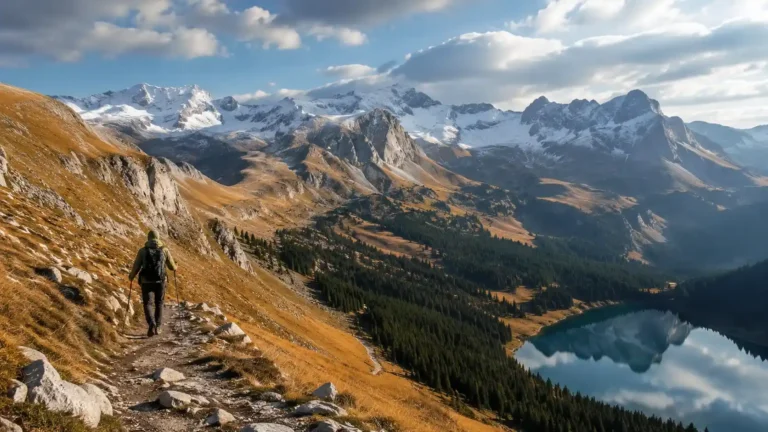
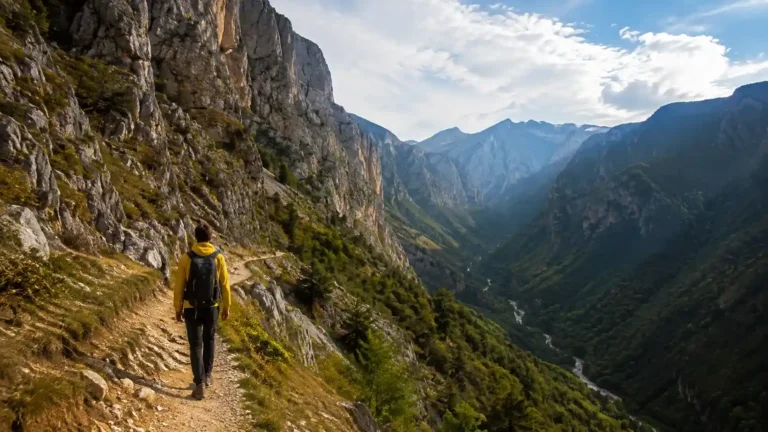
One of the greatest reasons to visit the Balkans is its spectacular mountain scenery. From dramatic limestone peaks to peaceful alpine lakes and dense forests, the region offers hiking opportunities for every experience level. Hiking is generally safe when trails are chosen carefully, weather conditions are monitored, and hikers prepare properly before setting out.
Popular hiking destinations include:
- Durmitor National Park (Montenegro)
- Theth National Park (Albania)
- Prokletije Mountains
- Rila Mountains (Bulgaria)
- Via Dinarica Trail
Mountain weather can change rapidly, particularly during spring and autumn. Before beginning any hike, check local forecasts, wear appropriate footwear, carry sufficient water, and download offline maps. More challenging routes are often best enjoyed with local guides, especially if you are unfamiliar with the terrain.
For unfamiliar hiking areas, national parks and outdoor destinations, joining an organized experience can make route planning easier. Travelers can browse guided tours and outdoor activities on GetYourGuide and compare reviews, duration, meeting points and included services before choosing an experience.
Nightlife Safety in Balkan Cities
The Balkans are well known for lively nightlife, particularly in cities such as Belgrade, Sarajevo, Sofia, Zagreb, and Budva. Most evenings pass without incident, and visitors enjoy everything from riverside bars to live music venues and beach clubs.
To stay safe during a night out:
- Drink responsibly and never leave drinks unattended.
- Travel with trusted companions whenever possible.
- Use licensed taxis or reputable ride services when returning to your accommodation.
- Avoid poorly lit or isolated streets late at night.
- Keep phones, wallets, and passports secure in crowded venues.
Following these simple habits allows most travelers to enjoy the region’s nightlife comfortably and responsibly.
Border Crossing Safety in the Balkans
Multi-country itineraries are one of the biggest attractions of traveling in the Balkans. However, every country has its own entry rules, passport requirements, and customs procedures. Waiting times at border crossings may also vary depending on the season and time of day.
Before crossing any international border, remember to:
- Check current passport and visa requirements.
- Confirm that your rental car is authorized for international travel.
- Carry printed or digital copies of important travel documents.
- Allow additional time during holiday periods and summer weekends.
Health and Medical Safety in the Balkans
Most travelers complete their Balkan trips without medical issues, but preparing for common travel situations is always worthwhile. Pharmacies are widely available in major cities and tourist destinations, while travel insurance can provide additional peace of mind if unexpected situations arise.
For a multi-country journey, it can be useful to review travel insurance before departure, particularly if your itinerary includes several border crossings, outdoor activities or multiple transport bookings. Travelers can compare travel insurance options on VisitorsCoverage and review the policy terms, exclusions, destination coverage and eligibility carefully before purchasing.
- Carry any personal prescription medication.
- Pack a small first-aid kit for minor situations.
- Know your travel insurance details before departure.
- Save local emergency numbers on your phone.
- Check local guidance regarding drinking water if traveling to remote areas.
Planning ahead helps you focus on enjoying your trip rather than dealing with avoidable inconveniences.
Best Safety Tips for First-Time Balkan Visitors
| Safety Checklist | Why It Helps |
|---|---|
| Keep copies of important documents. | Useful if originals are lost. |
| Use reliable transportation. | Reduces the risk of transport scams. |
| Avoid carrying large amounts of cash. | Minimizes potential losses. |
| Learn a few local phrases. | Creates positive interactions. |
| Store emergency contacts. | Helpful during unexpected situations. |
| Check weather before hiking. | Mountain conditions change quickly. |
| Purchase travel insurance. | Provides extra peace of mind. |
| Use offline maps. | Helpful in remote areas. |
| Respect local customs. | Encourages positive experiences. |
| Stay alert in crowded places. | Helps prevent petty theft. |
Common Mistakes Tourists Make in the Balkans
- Assuming every Balkan country is the same.
- Ignoring local customs and traditions.
- Traveling without adequate insurance.
- Attempting mountain hikes without preparation.
- Driving unfamiliar mountain roads too quickly.
- Changing money at poor exchange rates.
- Not checking seasonal transport schedules.
- Choosing accommodation solely because it is inexpensive.
- Underestimating summer crowds in popular destinations.
- Carrying excessive amounts of cash.
Balkan Safety Tips by Traveler Type
| Traveler | Main Concerns | Best Practices | Recommended Destinations |
|---|---|---|---|
| Solo Traveler | Navigation, transport | Stay connected and share your itinerary. | Slovenia, Croatia, Montenegro |
| Solo Female Traveler | Night travel | Choose central accommodation and trusted transport. | Slovenia, Croatia, Bulgaria |
| Couple | Transport planning | Book accommodation in advance during summer. | Montenegro, Croatia, Albania |
| Family | Child-friendly facilities | Choose family-oriented hotels and destinations. | Slovenia, Croatia, Bulgaria |
| Backpacker | Budget transport | Use reputable hostels and secure valuables. | Serbia, Bosnia & Herzegovina, Albania |
| Older Traveler | Mobility, healthcare | Allow flexible schedules and carry medication. | Slovenia, Croatia, Montenegro |
Final Verdict: Should You Visit the Balkans?
So, is the Balkans safe for tourists? For the vast majority of visitors, the answer is yes. The region has evolved into one of Europe’s most rewarding travel destinations, offering spectacular landscapes, fascinating history, welcoming communities, and excellent value for money. Whether you’re planning a first time Balkans trip, traveling as a solo adventurer, exploring with your partner, or taking a family holiday, you’ll find countless memorable experiences waiting across the region.
Like anywhere else, sensible precautions remain important. Protect your valuables, use reputable transportation, prepare carefully for outdoor activities, and stay informed about border requirements. These simple habits are usually all that’s needed to enjoy a smooth and enjoyable journey.
Ultimately, the Balkans reward curious travelers with authentic hospitality, diverse cultures, stunning coastlines, dramatic mountain scenery, and unforgettable adventures. If you travel with awareness rather than fear, you’ll likely discover why so many visitors return to the region again and again.