Croatia in Winter: Best Places to Visit, Weather & Costs

Visiting Croatia in winter offers a completely different experience from the country’s famous summer beach holidays. Between December and February, travelers can explore historic Adriatic cities without the usual summer crowds, discover forested mountain landscapes, enjoy thermal pools, visit museums and experience traditional winter festivals.
Croatia’s geographical diversity makes it particularly interesting during the colder months. Zagreb offers a continental European city break, Dubrovnik and Split provide milder coastal sightseeing, Gorski Kotar offers opportunities to experience snowy landscapes, and northern Croatia is home to several thermal spa and wellness resorts.
However, December, January and February offer noticeably different experiences. Choosing the right region, understanding seasonal opening arrangements and preparing for unpredictable winter conditions are essential for planning an enjoyable trip.
Affiliate disclosure: Some links in this guide may be affiliate links. If you book through them, we may earn a small commission at no additional cost to you. This helps support BalkanTripGuide.com.
Quick Answer: Is Croatia in Winter Worth Visiting?
Yes. Croatia is worth visiting in winter if you enjoy culture, wellness, historic cities, mountain scenery and quieter sightseeing rather than conventional beach holidays.
- Winter season: December to February.
- Best for festive experiences: December.
- Best period for potential snow activities: January and February, depending on conditions.
- Best winter city break: Zagreb.
- Best for milder weather: Dubrovnik and southern Dalmatia.
- Best mountain region: Gorski Kotar.
- Best for wellness: Hrvatsko Zagorje and Opatija.
- Best-known ski areas: Sljeme and Platak.
- Guaranteed snow: No.
- Beach swimming: Generally unsuitable for a conventional swimming holiday.
- Estimated city-break budget: €60–€100 per person daily for budget travelers.
- Recommended trip duration: 3–7 days.
- Rental car required: Not for most city breaks, but useful for mountain and rural holidays.
Table of Contents
Croatia in Winter: Quick Travel Overview
| Travel Detail | What Visitors Should Know |
|---|---|
| Winter months | December, January and February |
| Continental weather | Cold, with frost, fog and occasional snowfall |
| Adriatic coast | Milder temperatures, rain and strong winds |
| Mountain regions | Colder conditions with greater snowfall potential |
| Winter sports | Small ski areas and weather-dependent recreational activities |
| Thermal spas | Several recreational indoor thermal complexes |
| National parks | Selected areas accessible, subject to restrictions |
| Tourist crowds | Generally lower outside major events and holidays |
| Accommodation | Potential savings, but some properties close seasonally |
| Public transportation | Practical between major cities; less convenient in rural areas |
| Currency | Euro (EUR) |
| Recommended stay | 3–7 days |
Meteorological winter runs from December through February, but ski areas, Christmas festivals, thermal facilities and national parks follow their own operating calendars. A destination may be open throughout winter while individual attractions operate only when conditions permit.
Is Croatia Worth Visiting in Winter?
Croatia is an attractive winter destination for travelers who prioritize cultural experiences, relaxation and scenery. It is less suitable for visitors expecting extensive island hopping, warm beaches or a guaranteed week of skiing.
Advantages of Visiting Croatia in Winter
- Quieter historic neighborhoods and waterfronts.
- Potentially lower accommodation prices outside major events.
- Excellent opportunities for cultural sightseeing and photography.
- Indoor thermal pools and wellness hotels.
- Winter forest and mountain landscapes.
- Regional cuisine and seasonal festivals.
Disadvantages of Visiting Croatia in Winter
- Short daylight hours, particularly in December.
- Rain, freezing temperatures and potentially disruptive winds.
- Seasonal hotel, restaurant and attraction closures.
- Reduced ferry and excursion schedules.
- Uncertain snow and ski lift availability.
- More complicated transportation in mountainous regions.
For a first winter visit, combining one major city with either a wellness resort or a mountain destination is usually more rewarding than trying to reproduce a busy summer itinerary.
Croatia Winter Weather: December, January and February
Croatia has three contrasting winter environments: the continental interior, the Mediterranean-influenced coast and the colder mountainous region separating them.
Continental Croatia
Zagreb, northern Croatia and Slavonia experience cold winters, with overnight frost and periodic snow. January is typically colder than December or February, although individual cold spells can occur throughout the season. Fog and damp conditions can make sightseeing feel colder than the thermometer suggests.
Adriatic Coast
Dubrovnik and southern Dalmatia generally offer the mildest winter conditions among Croatia’s major mainland destinations. Split is also relatively mild, while Rijeka and the northern Adriatic can experience substantial rainfall and strong winds. Mild winter weather does not necessarily mean sunshine every day.
Mountainous Croatia
Gorski Kotar, Lika and higher mountain areas experience colder temperatures and more favorable conditions for snowfall. Elevation, exposure and recent weather determine whether travelers encounter snow-covered forests, icy roads or comparatively mild conditions.
| Destination | December High/Low | January High/Low | February High/Low | Winter Considerations |
|---|---|---|---|---|
| Zagreb | 5/-2°C (41/28°F) | 4/-3°C (39/27°F) | 7/-2°C (45/28°F) | Frost, fog and occasional snow |
| Dubrovnik | 13/8°C (55/46°F) | 12/7°C (54/45°F) | 13/7°C (55/45°F) | Mild, with rainy periods |
| Split | 11/6°C (52/43°F) | 10/6°C (50/43°F) | 11/6°C (52/43°F) | Coastal winds and rain |
| Rijeka | 10/4°C (50/39°F) | 9/3°C (48/37°F) | 10/3°C (50/37°F) | Rain and occasional strong winds |
| Osijek | 5/-2°C (41/28°F) | 3/-3°C (37/27°F) | 7/-2°C (45/28°F) | Continental cold and frost |
| Gospić (Lika) | 4/-4°C (39/25°F) | 3/-5°C (37/23°F) | 5/-4°C (41/25°F) | Snow potential and icy roads |
What Is the Best Month to Visit Croatia in Winter?
Croatia in December
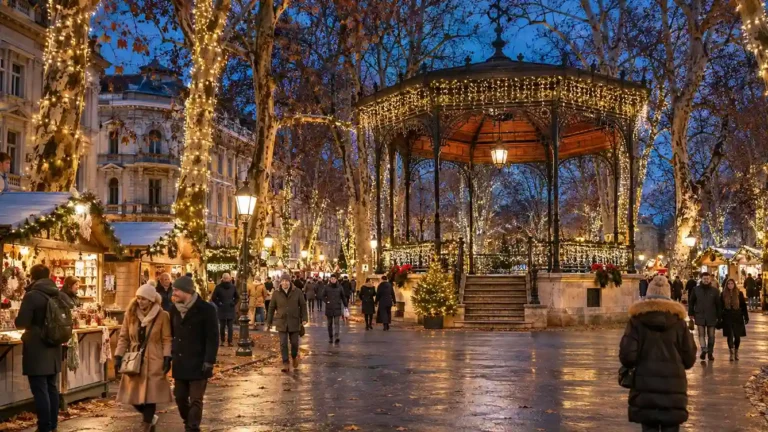
December is the best winter month for visitors interested in Christmas markets, illuminated historic centers and festive food. Zagreb provides the strongest traditional Advent experience, while Dubrovnik, Split and Opatija offer alternatives along the Adriatic.
The main drawbacks are short daylight hours, potentially higher accommodation demand during festive weekends and uncertain early-season snow conditions. December is therefore better suited to cultural and festive holidays than trips depending entirely on skiing.
For detailed destination recommendations, December weather, transportation and travel budgets, read our dedicated guide to Croatia in December. Travelers specifically planning a festive holiday can also consult our Christmas travel guide.
Croatia in January
January is particularly suitable for travelers who prefer a quieter holiday after the festive season. Once Advent events finish, Zagreb becomes a more conventional cultural city break, with museums, cafés and galleries providing alternatives to outdoor sightseeing.
In Gorski Kotar and Lika, January offers opportunities for winter photography and snow-based recreation when conditions cooperate. The combination of cold outdoor weather and indoor thermal pools also makes this an appealing month for wellness holidays.
Coastal destinations can offer accommodation savings, although fewer seasonal restaurants and excursions may operate. January is best for visitors comfortable with a slower itinerary, flexible opening hours and occasional weather-related changes.
Croatia in February
February combines longer daylight hours with continued winter conditions. Mountain snow remains possible, while coastal cities become increasingly attractive for daytime sightseeing on clear days.
Carnival season is a major reason to consider February, particularly in Rijeka. However, carnival dates change annually and can extend into March or begin in January. Wellness breaks and cultural weekends remain practical even when mountain weather is unfavorable.
February is a good compromise for travelers who want winter activities without building their holiday around Christmas celebrations.
| Month | Best For | Weather | Costs and Crowds | Main Limitation |
|---|---|---|---|---|
| December | Advent and festive city breaks | Early winter conditions | Higher demand on festive dates | Short daylight |
| January | Wellness, quiet cities and potential snow | Typically the coldest month inland | Potential post-holiday savings | Seasonal closures |
| February | Carnivals, wellness and winter recreation | Longer days, still cold inland | Generally quiet outside events | Unpredictable snow and rain |
Best Places to Visit in Croatia in Winter
1. Zagreb — Best for a Winter City Break
Zagreb is an excellent starting point for visitors who want reliable urban facilities and convenient transportation. Explore the historic Upper Town, museums, galleries and traditional cafés before considering a weather-dependent excursion to Mount Medvednica.
Two or three nights are ideal for a relaxed visit without renting a car. December visitors should consult our Zagreb Christmas Market guide, while January and February travelers can focus on the city’s permanent cultural attractions.
Compare accommodation in central Zagreb, prioritizing reliable heating and easy access to trams.
2. Gorski Kotar — Best for Winter Mountain Landscapes
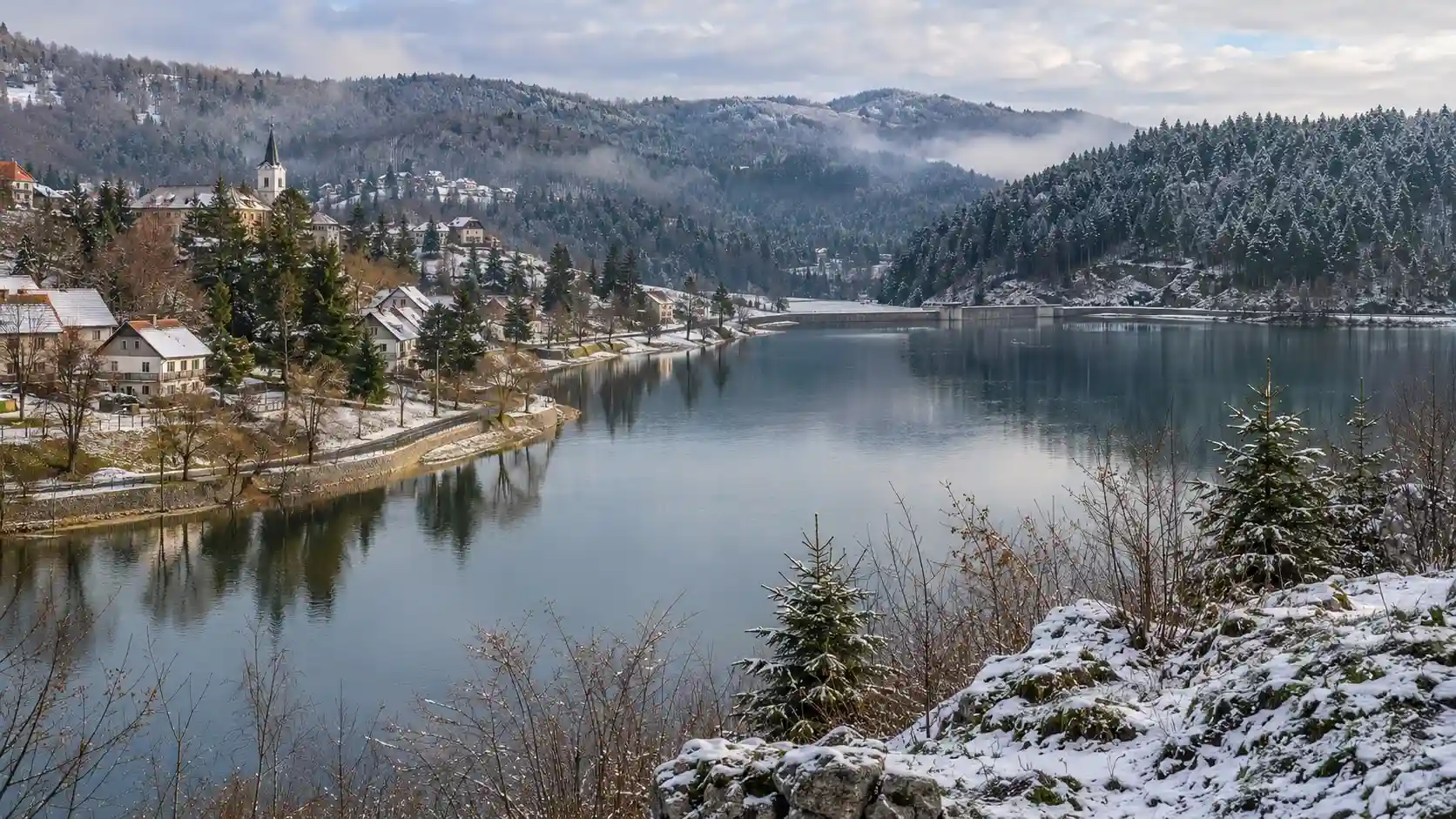
Gorski Kotar is one of Croatia’s most distinctive winter destinations. Located between the continental interior and the northern Adriatic, the region combines forests, mountain settlements, lakes and rural accommodation.
- Delnice: A practical regional base with shops and access to surrounding mountain scenery.
- Fužine: Particularly attractive for lakeside photography around Lake Bajer and relaxing accommodation.
- Lokve: A quieter destination surrounded by forests and lake landscapes.
- Ravna Gora: Suitable for travelers seeking rural accommodation and a slower winter holiday.
Allow two or three nights rather than attempting a rushed day trip from Zagreb. When snow conditions permit, designated sledding areas and suitable low-elevation walks may be available. Consult the Gorski Kotar Tourist Board before arranging outdoor activities.
Public transportation can reach some regional settlements, but visiting several villages and natural attractions is considerably easier with suitable private transportation. Confirm road access and snow clearance directly with your accommodation.
Travelers planning a mountain retreat can compare guesthouses, apartments and hotels in Fužine before choosing a base.
3. Lika and Plitvice Lakes — Best for Winter Nature
Plitvice Lakes National Park can be particularly atmospheric during winter, with dormant forests, flowing waterfalls and occasional snow or ice. However, January and February can bring restricted access and slippery boardwalks.
The Lower Lakes are normally the principal winter sightseeing area, while the Upper Lakes may remain closed until spring. Check the park’s current notices rather than assuming summer sightseeing routes remain accessible.
One overnight stay is useful for visitors traveling by public transportation or combining the park with other inland destinations.
4. Dubrovnik — Best for Milder Winter Sightseeing
Dubrovnik is a good choice for travelers who prefer historic architecture and relatively mild temperatures to snow. The Old Town, museums and waterfront provide a rewarding two- or three-day visit, particularly during clear winter weather.
Expect shorter attraction opening hours, occasional strong winds and reduced excursion availability. Choose accommodation near the Old Town or established residential neighborhoods rather than isolated summer resorts.
5. Split — Best for a Relaxed Coastal City Break
Split remains a functioning regional city throughout winter. Diocletian’s Palace, traditional food markets, cafés, museums and the Riva waterfront offer alternatives to seasonal beach activities.
Two or three nights are sufficient for a comfortable city break. Winter boat excursions and island connections require careful checking, so mainland sightseeing should form the foundation of your itinerary.
6. Opatija and Rijeka — Best for Wellness and Winter Events
Opatija is attractive for couples and travelers seeking coastal promenades, historic hotels and indoor wellness facilities. Nearby Rijeka provides a more urban experience and becomes especially interesting during carnival season.
Both destinations can be combined in a three-night holiday. Regional transportation makes this a practical option for travelers without a car, provided connections are checked in advance.
7. Istria — Best for Winter Food and Heritage
Pula offers Roman heritage and year-round urban services, while Rovinj provides a quieter historic coastal setting. Inland Istria appeals to travelers interested in local cuisine and small hilltop settlements.
Allow two or three nights and confirm restaurant opening days before traveling outside major towns. A rental car is useful when exploring several inland destinations.
8. Hrvatsko Zagorje — Best for Thermal Spa Holidays
The hills of northern Croatia contain several recreational thermal spa complexes. Tuheljske Toplice, Krapinske Toplice and Donja Stubica are particularly useful alternatives when winter weather limits outdoor sightseeing.
Spend one or two nights at a thermal resort or arrange a day visit from Zagreb with confirmed return transportation.
Croatia’s Best Winter Destinations Compared
| Destination | Best For | Car Needed? | Recommended Stay | Main Limitation |
|---|---|---|---|---|
| Zagreb | Culture and city breaks | No | 2–3 nights | Cold weather |
| Gorski Kotar | Mountains and potential snow | Recommended | 2–3 nights | Road and snow conditions |
| Plitvice Lakes | Nature photography | Helpful | 1–2 nights | Restricted park access |
| Dubrovnik | Milder sightseeing | No | 2–3 nights | Seasonal closures |
| Split | History and local culture | No | 2–3 nights | Reduced excursions |
| Rijeka | Carnival and urban culture | No | 1–2 nights | Rain and wind |
| Opatija | Couples and wellness | No | 2–3 nights | Hotel seasonal schedules |
| Istria | Food and heritage | Useful inland | 2–3 nights | Rural business closures |
| Hrvatsko Zagorje | Thermal pools and families | Helpful | 1–2 nights | Limited last-mile transport |
Can You Ski in Croatia?
Yes. Croatia has several small winter sports areas, although its ski infrastructure is considerably smaller than that of major Alpine destinations. Sljeme and Platak are among the best-known options for recreational skiing.
Sljeme Ski Area Near Zagreb
Sljeme is located on Mount Medvednica above Zagreb, making it a convenient potential winter excursion from the capital. The area has a history of recreational and competitive skiing, with facilities operated by Zagreb’s municipal sports organization.
Visitors must distinguish the sightseeing cable car from the lifts serving individual ski slopes. The cable car may transport visitors to the mountain even when recreational skiing is unavailable.
Consult the official Sljeme ski area operator for slope opening announcements, lift arrangements and current ticket prices.
Beginners should confirm that suitable beginner terrain, equipment rental and instruction are operating before traveling uphill.
Platak Ski Resort Near Rijeka
Platak offers a mountain winter sports experience within reach of Croatia’s northern Adriatic coast. Its facilities include ski slopes, lifts, moving carpets and beginner terrain, although availability depends on snow and weather conditions.
The resort is particularly suitable for combining a coastal holiday with a potential day of skiing or family snow activities. Its relatively small scale makes it different from extensive international ski resorts.
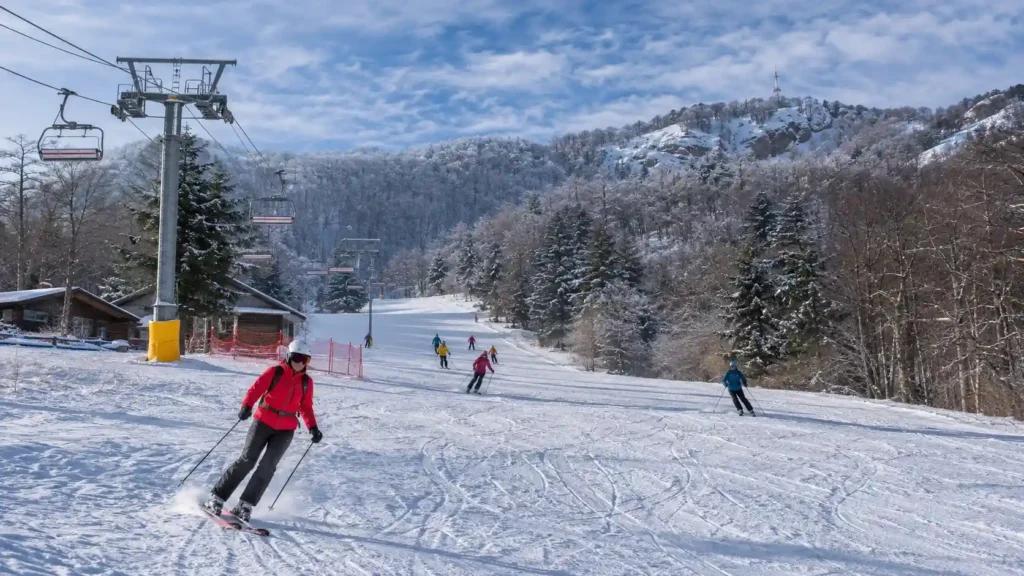
Check the official Platak website for individual slope status, ski lift operations, snow reports, prices and parking arrangements. Mountain road conditions should also be checked before departure.
Snowmaking can support operations when temperatures are suitable, but it cannot guarantee a continuous winter skiing season.
Other Croatian Ski Areas
Smaller recreational ski facilities exist in parts of mountainous Croatia, including the Plitvice region. Their operating arrangements can change considerably between seasons. Unless an operator confirms public skiing, current access and lift operations, treat these locations as potential winter recreation areas rather than dependable ski resorts.
| Ski Area | Location | Best For | 2026/2027 Skiing Status | Prices |
|---|---|---|---|---|
| Sljeme | Near Zagreb | Short skiing excursions | Season opening and individual slopes require confirmation | Check official operating updates |
| Platak | Near Rijeka | Recreation and family snow activities | Weather-dependent slope and lift opening | Check official operating updates |
Is Croatia a Good Destination for a Dedicated Ski Holiday?
For an entire week of downhill skiing, established resorts in Slovenia, Bulgaria or Bosnia and Herzegovina may offer more suitable infrastructure and greater terrain variety. Croatia is better suited to combining city sightseeing, mountain scenery and occasional skiing when conditions permit.
Best Winter Activities in Croatia Besides Skiing
Travelers do not need snow to enjoy Croatia during winter. Cultural attractions and thermal facilities provide relatively dependable activities, while clear-weather days can be reserved for outdoor sightseeing.
- Explore museums, galleries and historic neighborhoods in Zagreb.
- Photograph forests and mountain villages in Gorski Kotar.
- Enjoy coastal promenades in Opatija, Split and Dubrovnik.
- Discover regional Croatian cuisine in established local restaurants.
- Spend a day at a recreational thermal pool complex.
- Visit accessible waterfalls and designated nature trails.
- Experience Rijeka’s carnival celebrations.
Visitors interested in guided experiences can compare Zagreb cultural activities and sightseeing tours, selecting only experiences with confirmed winter departures.
Best Thermal Spas and Wellness Holidays in Croatia
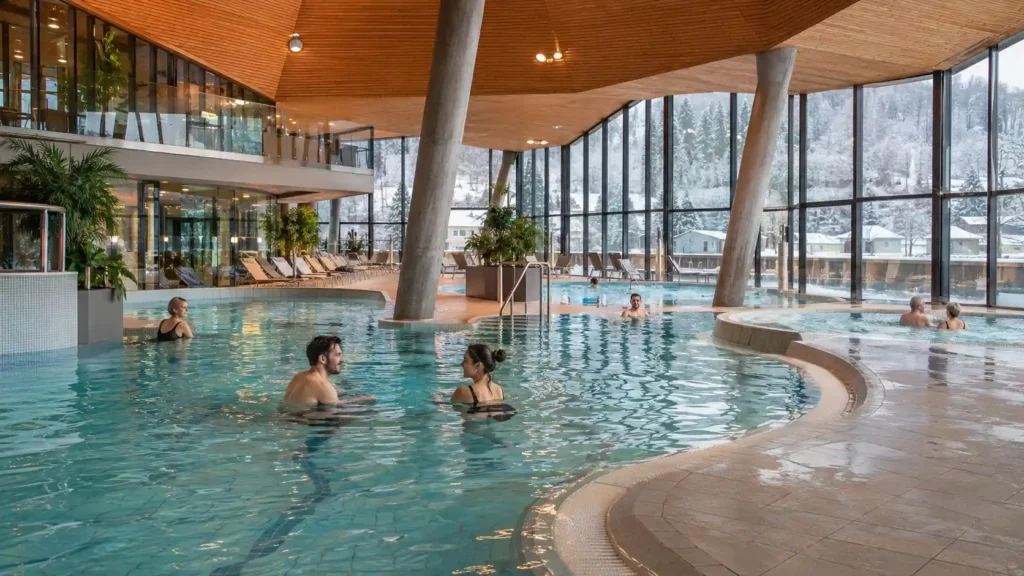
Croatia’s recreational thermal spas are an excellent winter alternative to weather-dependent outdoor activities. Several facilities offer indoor pools, accommodation and additional wellness services.
Terme Tuhelj
Located in Hrvatsko Zagorje, Terme Tuhelj’s Water Planet offers indoor swimming and recreational thermal facilities suitable for families and couples.
The published regular indoor schedule includes opening from 8 a.m. until 10 p.m. on most days, with extended Friday and Saturday hours. Special holiday arrangements apply. The outdoor pool area is closed for the 2026 season.
Compare accommodation in Tuheljske Toplice, checking whether thermal pool access is included.
Terme Jezerčica
Located in Donja Stubica, Terme Jezerčica operates an indoor water park with five pools and two large whirlpools throughout the year. Its published regular indoor schedule is 8 a.m. to 9 p.m., extending to 10 p.m. on Fridays and Saturdays.
The outdoor water park is seasonal, with reopening planned for spring 2027. The complex is suitable for families and visitors seeking a short hotel-based wellness stay.
Aquae Vivae, Krapinske Toplice
Aquae Vivae provides recreational thermal swimming and wellness facilities in Krapinske Toplice. Unlike medical rehabilitation institutions, it is designed to accommodate ordinary recreational visitors.
Terme Sveti Martin
Terme Sveti Martin in Međimurje offers resort accommodation and indoor thermal swimming facilities. Its location is particularly suitable for travelers exploring northern Croatia or planning a dedicated wellness weekend.
| Thermal Spa | Region | Best For | Public Day Access | Winter Facilities | Access |
|---|---|---|---|---|---|
| Terme Tuhelj | Hrvatsko Zagorje | Families and couples | Available | Indoor thermal pools | Car or arranged transfer |
| Terme Jezerčica | Donja Stubica | Family holidays | Available | Indoor water park | Regional transport plus local connection |
| Aquae Vivae | Krapinske Toplice | Thermal pool day trips | Available | Indoor recreational pools and wellness | Car or arranged transfer |
| Terme Sveti Martin | Međimurje | Wellness resort holidays | Check ticket arrangements | Indoor thermal facilities | Car recommended |
Other Croatian spa towns, including Stubičke Toplice and Varaždinske Toplice, also have thermal traditions. However, medical and rehabilitation facilities should not automatically be treated as public leisure water parks.
Visiting Croatian National Parks in Winter
Winter can provide rewarding nature experiences, but national park accessibility varies by location and weather conditions.
| National Park | Winter Experience | Accessibility | Main Limitation |
|---|---|---|---|
| Plitvice Lakes | Waterfalls and winter forests | Selected visitor routes | Ice, snow and Upper Lakes closures |
| Krka | Waterfalls and quieter sightseeing | Selected locations | Reduced seasonal services |
| Risnjak | Mountain forests | Confirm individual routes | Winter terrain requires experience and equipment |
Consult the Plitvice Lakes current conditions page before traveling.
Krka National Park’s published 2026/2027 winter announcement lists admission at €7 for adults from November through March. Check the official seasonal information for accessible locations and visitor arrangements.
At Risnjak National Park, higher winter hiking routes are suitable only for experienced and appropriately equipped mountaineers. Ordinary travelers should select officially accessible lower-risk alternatives.
Winter Festivals and Events in Croatia
Advent and Christmas Festivals
December is Croatia’s principal festive tourism period. For destination comparisons, traditions and holiday-specific travel arrangements, consult our dedicated guide to Christmas in Croatia.
Rijeka Carnival
Rijeka Carnival is one of the country’s most distinctive winter cultural events, offering a strong reason to visit Croatia after Christmas. Costumed groups, public celebrations and family-oriented events attract visitors to the northern Adriatic.
| Confirmed 2027 Event | Date |
|---|---|
| Carnival Queen Pageant | 22 January 2027 |
| Children’s Carnival Parade | 30 January 2027 |
| International Carnival Parade | 7 February 2027 |
These dates are published by the Rijeka Tourist Board. Confirm the final programme, public transportation diversions and individual event admission arrangements before traveling.
Reserve centrally located accommodation in advance for the main parade weekend. Carnival demand can increase prices even during the traditionally quieter winter season.
Other January and February Events
Local carnival celebrations, museum programmes and cultural performances provide additional winter entertainment. Dates vary annually, so consult municipal tourism calendars rather than relying on previous-season schedules.
Is Croatia Cheap in Winter?
Winter can be more affordable than summer, particularly in coastal cities, but savings vary considerably. December Advent weekends, New Year’s Eve, carnival celebrations and favorable ski weekends can increase demand.
Mid-January and ordinary February weekdays may provide better opportunities for accommodation savings. However, reduced flights, private transfers and mountain transportation can offset cheaper hotel rates.
How Much Does a Winter Trip to Croatia Cost?
The following amounts are provisional travel-planning estimates, not confirmed booking quotes. Accommodation costs assume two adults sharing a room. International flights are excluded.
| Daily Expense Per Person | Budget Traveler | Mid-Range Traveler |
|---|---|---|
| Shared accommodation | €25–€45 | €50–€85 |
| Meals and drinks | €25–€35 | €35–€55 |
| Local transportation | €3–€8 | €5–€15 |
| Sightseeing and admission | €7–€12 | €20–€25 |
| Estimated daily total | €60–€100 | €110–€180 |
| Winter Holiday Type | Planning Budget Per Person/Day | Additional Considerations |
|---|---|---|
| Car-free city break | €60–€100 | Intercity journeys and airport transfers |
| Coastal sightseeing | €65–€125 | Weather-dependent tours |
| Mountain and snow holiday | €90–€160 | Car rental share, fuel and winter equipment |
| Thermal spa holiday | €100–€190 | Pool access, treatments and resort packages |
For example, a five-day budget city-based trip would require approximately €300–€500 in daily expenses. Intercity transportation, airport transfers and any specialized winter activities should be added separately.
Croatia in Winter Itinerary: 3, 5 or 7 Days
Three Days — Zagreb and a Thermal Spa or Mountain Excursion
| Day | Main Plan | Overnight | Transport | Weather Alternative |
|---|---|---|---|---|
| 1 | Arrival and Zagreb historic center | Zagreb | Walking and trams | Museums |
| 2 | Sljeme or thermal spa excursion | Zagreb | Confirmed transport or transfer | Indoor thermal pools |
| 3 | Cafés, galleries and departure | — | Airport transfer | Indoor sightseeing |
Five Days — Zagreb, Gorski Kotar and Opatija
| Day | Main Plan | Overnight | Transport | Weather Alternative |
|---|---|---|---|---|
| 1 | Arrival and Zagreb sightseeing | Zagreb | Public transport | Museums |
| 2 | Full day in Zagreb | Zagreb | Walking and trams | Galleries and cafés |
| 3 | Fužine and Gorski Kotar | Fužine | Winter-equipped car | Rural accommodation |
| 4 | Travel to Opatija and wellness | Opatija | Car | Indoor spa |
| 5 | Departure or return to Zagreb | — | Car or confirmed transfer | Allow extra travel time |
Without a rental car, spend two nights in Zagreb and two nights in Opatija or Rijeka instead. Include Gorski Kotar only if suitable organized transport or a private transfer is confirmed.
Seven Days — Croatia’s Winter Cities, Mountains and Wellness
| Day | Main Plan | Overnight | Transport | Weather Alternative |
|---|---|---|---|---|
| 1 | Arrival in Zagreb | Zagreb | Public transport | Indoor sightseeing |
| 2 | Zagreb cultural attractions | Zagreb | Walking and trams | Museums |
| 3 | Thermal spa day in Zagorje | Zagreb | Car or transfer | Indoor pools |
| 4 | Gorski Kotar and Fužine | Fužine | Winter-equipped car | Village sightseeing |
| 5 | Accessible nature around Delnice or Risnjak | Fužine | Car | Short safe local outings |
| 6 | Opatija and Rijeka | Opatija | Car | Hotel wellness and museums |
| 7 | Return journey and departure | — | Car or confirmed connection | Earlier departure if weather deteriorates |
For travelers flying home from Zagreb, choose a late departure on the final day or return to the capital on Day 6. This avoids combining an uncertain mountain crossing with a tight international flight connection.
Where to Stay in Croatia in Winter
| Accommodation Type | Best For | Winter Considerations |
|---|---|---|
| Central city hotels | Car-free sightseeing | Heating and public transportation |
| Apartments | Longer budget stays | Heating charges and grocery access |
| Mountain cabins | Couples and families | Snow clearance, road access and heating |
| Rural guesthouses | Mountain exploration | Nearby restaurants and parking |
| Thermal spa resorts | Wellness holidays | Pool admission and package inclusions |
| Coastal wellness hotels | Relaxed winter breaks | Indoor pool and restaurant operations |
Reliable heating, flexible cancellation and convenient access to essential services are more important in winter than proximity to beaches. Always confirm whether hotel restaurants, wellness facilities and indoor pools operate during your stay.
Getting Around Croatia in Winter
Car-Free Winter City Breaks
Zagreb, Split, Dubrovnik and Rijeka are practical destinations for visitors relying on walking, local public transportation and intercity connections. Our guide to exploring Croatia without a car explains the country’s main transportation options, although winter timetables must be checked separately.
Winter Mountain Trips
A rental car provides greater flexibility in Gorski Kotar and Lika. Travelers unfamiliar with snow or ice driving should consider organized excursions or private transfers instead.
Compare rental cars in Zagreb, paying particular attention to winter equipment, insurance exclusions and roadside assistance.
Coastal Transportation
Intercity buses remain useful, but island services and excursions can operate on reduced schedules. Strong Adriatic winds may also disrupt crossings. Check the actual winter departure and return options instead of relying on summer travel information.
Winter Driving in Croatia
Winter equipment is mandatory on designated Croatian road sections from 15 November to 15 April. For ordinary passenger cars, legally accepted arrangements include appropriate winter tires or qualifying summer tires with at least 4 mm tread depth and suitable snow chains for the driven wheels.
Appropriate winter tires are preferable when planning mountain journeys. Consult the Croatian Automobile Club’s winter equipment guidance and current road restrictions before departure.
What to Pack for Croatia in Winter
| Item | City Break | Coastal Holiday | Mountain Holiday |
|---|---|---|---|
| Warm layered clothing | Essential | Recommended | Essential |
| Waterproof outerwear | Recommended | Essential | Essential |
| Insulated footwear with grip | Useful | Useful | Essential |
| Gloves and warm hat | Recommended | Useful | Essential |
| Windproof clothing | Useful | Essential | Essential |
| Portable charger | Useful | Useful | Recommended |
| Swimwear | For thermal pools | For wellness hotels | For spa facilities |
| Winter sports clothing | Optional | Optional | Activity-dependent |
Croatia in Winter for Families, Couples and Solo Travelers
Families: Zagreb combined with Terme Tuhelj or Terme Jezerčica provides indoor activities and convenient alternatives when outdoor plans are disrupted.
Couples: Opatija’s wellness hotels, Dubrovnik’s quieter historic center and appropriately accessible mountain accommodation offer relaxed winter holidays.
Solo travelers: Zagreb, Split and Rijeka provide practical transportation, cultural attractions and established year-round urban services. Avoid isolated winter mountain routes without suitable preparation.
Croatia in Winter vs Other Balkan Winter Destinations
Croatia’s main winter advantage is the opportunity to combine relatively mild Adriatic sightseeing, continental cities, thermal spas and mountain scenery within one trip.
Slovenia may be more suitable for travelers seeking Alpine landscapes and extensive winter sports infrastructure. Bulgaria’s established ski resorts offer a stronger foundation for dedicated skiing holidays, while Bosnia and Herzegovina combines winter city experiences with mountain resorts near Sarajevo.
Montenegro offers a comparable contrast between coastal destinations and colder mountain regions, although winter transportation in rural areas requires planning. Serbia is another alternative for continental city breaks, mountain recreation and spa tourism.
Croatia is particularly competitive for visitors who do not want an exclusively snow-focused holiday. Its combination of coastal heritage and recreational thermal facilities creates useful alternatives when skiing conditions are poor. Actual costs depend on accommodation, transportation and the activities selected rather than country-level price assumptions.
For broader regional planning, consult our guide to the best time to visit the Balkans.
Common Mistakes When Visiting Croatia in Winter
| Mistake | Why It Causes Problems | Better Approach |
|---|---|---|
| Expecting warm weather everywhere | Regional climates differ | Pack according to your destinations |
| Expecting guaranteed snow | Snow conditions fluctuate | Keep alternative activities |
| Booking skiing without checking lifts | Slopes may remain closed | Consult official resort updates |
| Confusing cable cars with ski lifts | Sightseeing access does not guarantee skiing | Verify individual slopes |
| Using summer ferry schedules | Winter services are reduced | Check date-specific timetables |
| Underestimating mountain roads | Snow and ice may disrupt travel | Use suitable equipment and check warnings |
| Booking isolated cabins | Access and services may be limited | Confirm road clearance and heating |
| Assuming spa admission is included | Additional charges may apply | Read package conditions |
| Ignoring national park restrictions | Trails may be closed or unsafe | Follow official visitor notices |
| Ignoring carnival weekends | Accommodation demand can rise | Check annual event dates |
| Planning too many destinations | Winter transport requires flexibility | Choose fewer bases |
Practical Tips for Visiting Croatia in Winter
- Choose your destinations according to your preferred winter activities.
- Check official weather forecasts and mountain road conditions daily.
- Confirm ski lift, national park and thermal pool availability.
- Reserve accommodation with reliable heating and flexible cancellation.
- Download offline maps and carry a charged phone.
- Keep some euros available for smaller businesses.
- Choose travel insurance appropriate for your planned activities, including winter sports coverage where necessary.
- Leave sufficient flexibility for weather-related itinerary changes.
Final Thoughts — Croatia in Winter
Croatia in winter is an appealing alternative to the country’s busy summer tourism season. December offers festive experiences, January is particularly suitable for quieter cultural and wellness holidays, and February combines longer daylight hours with carnival celebrations and potential winter recreation.
Zagreb is the most practical starting point for a continental city break, Dubrovnik offers milder coastal sightseeing, and Gorski Kotar provides access to mountain landscapes. Thermal spas create a valuable alternative when outdoor weather is unfavorable.
Rather than expecting guaranteed skiing or warm beach weather, plan a flexible three- to seven-day holiday that combines the experiences most important to you. Compare accommodation, transportation and available activities before finalizing your winter itinerary.