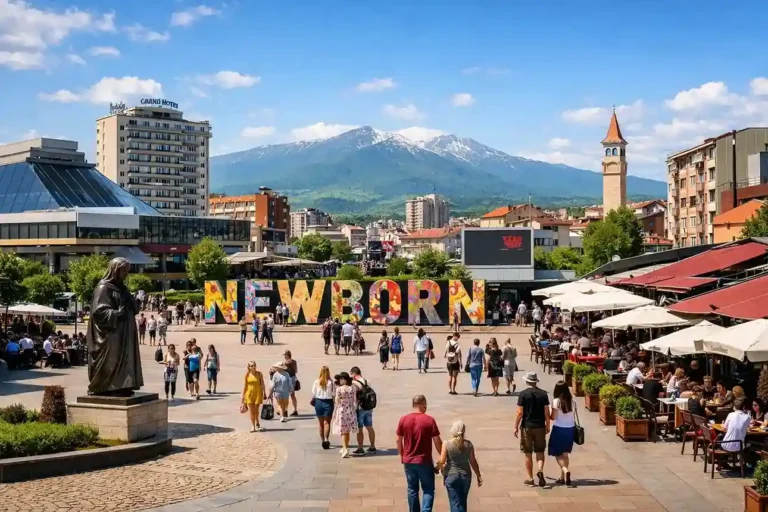

Best First-Time Belgrade Itinerary for 3 Days (2026)

A practical first-time Belgrade itinerary for 3 days should do more than list the capital’s most famous sights. It should tell you which neighborhoods fit together, when to visit the museums, how to get from the airport, and how much time to leave for the rivers, cafés and meals. Belgrade is walkable in clusters, not from end to end: Old Town, Vračar, Dedinje and Zemun are different parts of a large city.
This route gives you three distinct experiences: Day 1: Republic Square, Knez Mihailova, Belgrade Fortress and Skadarlija; Day 2: the Nikola Tesla Museum, Temple of Saint Sava and Museum of Yugoslavia; Day 3: Zemun’s old streets, Gardoš hill and the Danube, with an optional New Belgrade extension. The schedule assumes three reasonably full days rather than three days that include both your arrival and departure flights.
Information on transport and admission was checked in October 2026 against official provider pages. Treat proposed sightseeing hours as a flexible walking plan, not a timed tour reservation. Check museum calendars, roadworks, religious services and airport transport again before traveling.
Table of Contents
3 Days in Belgrade: Quick Answer and Route Map
| Day | Neighborhood focus | Core route | Transport / effort |
|---|---|---|---|
| 1 — Old Town | Stari Grad | Republic Square → Knez Mihailova → Kalemegdan → Kosančićev Venac → Skadarlija | Walk; moderately long day |
| 2 — Culture | Vračar and Dedinje | Tesla Museum → Vračar cafés → Saint Sava → Museum of Yugoslavia | Walk + free city transport |
| 3 — Rivers | Zemun and Novi Beograd | Zemun old streets → Gardoš → Danube quay → optional New Belgrade riverside | Free city transport + walking |
The single biggest planning tip: Do not schedule the Museum of Yugoslavia on Monday; it is normally closed. Move the museum to Day 1 or Day 3, or substitute another open attraction. The Tesla Museum normally opens on Mondays, but its language-specific tour calendar still needs checking.

Is Three Days Enough in Belgrade?
Three full days are enough for a well-rounded introduction to Serbia’s capital. You can enjoy the fortress and city center, two major cultural attractions, the imposing Saint Sava church and a slower day beside the Danube. You cannot comfortably fit every museum, nightlife area, river cruise, market and nearby mountain into the same three days, and you do not need to.
With only two days, keep the Old Town and Vračar plan and save Zemun for a return trip. If you have four days, add Ada Ciganlija in warm weather or Avala Tower for a panoramic half-day. Five or more days makes a trip to Novi Sad or a longer Serbia itinerary more reasonable; see our 7-day Serbia route for what a wider trip involves.
This itinerary is easiest if you stay in central Belgrade and are happy walking several hours with breaks. Each day can be shortened. Families with children and travelers with reduced mobility should keep one anchor activity per half-day and confirm step-free entrances individually, especially in the fortress and hilly Zemun.
Where to Stay in Belgrade for Three Days
The best base is the one that minimizes unnecessary cross-city journeys. Choose a hotel, apartment or guesthouse after checking its actual street address against the itinerary, not just the marketing label “Belgrade center.”
| Area | Best for | Trade-off |
|---|---|---|
| Stari Grad / Republic Square | First visit, walkable Day 1, restaurants, convenient buses | Busy streets; check room noise |
| Dorćol | Cafés, neighborhood atmosphere, walks to Kalemegdan | Some addresses are downhill and farther from transit |
| Vračar / Slavija | Tesla Museum, Saint Sava, calmer evenings | Longer trip to fortress and Zemun |
| Zemun | Danube atmosphere and a slower stay | Less efficient for this first-time three-day route |
| New Belgrade | Business hotels and modern accommodation | Check the specific block and bus connection before booking |
For most first-time visitors, Stari Grad wins on convenience. If you are a light sleeper, read recent reviews for street-facing rooms around Skadarlija and nightlife areas. In Vračar, a spot within reach of Slavija can simplify arrival by the A1 airport minibus. You can compare Belgrade accommodation on Trip.com; check the all-in price, local lodging charges, walk to the nearest stop and cancellation policy before booking.
If your flight lands late, it is usually smarter to check in, eat near the accommodation and begin Day 1 the following morning than to label a tired late-arrival evening as a full sightseeing day.
Belgrade Airport to the Center: What Actually Works in 2026
Belgrade Nikola Tesla Airport (BEG) sits west of the center. The airport’s official ground-transportation page lists ordinary buses and an A1 minibus. Your best option depends on your hotel, luggage, arrival time and tolerance for a final walk.
| Service | Destination | Planning time | Ticket / decision |
|---|---|---|---|
| Bus 72 | Zeleni Venac near central Belgrade | Approx. 30–40 minutes plus transfer / walking | Free ordinary city service |
| Bus 600 | Beograd Centar (Prokop) railway station | Approx. 30–40 minutes plus onward journey | Free ordinary city service |
| A1 minibus | Slavija Square / Kralja Milutina Street | Approx. 30 minutes in normal traffic | Separately paid service; confirm fare and cash terms |
| Licensed taxi / prebooked transfer | Your accommodation address | Traffic-dependent | Check official airport taxi instructions or final fixed quote |
The airport explicitly confirms that Line 72 is free and Line 600 is free. Line 72 is most useful for many Stari Grad hotels: Zeleni Venac is a reasonable starting point for a short walk or local connection. Line 600 goes to the railway station known as Beograd Centar or Prokop, which is not Republic Square. Do not mistake it for an arrival directly in the tourist center.
The airport lists A1 to Slavija as a different minibus service; it is not included in the standard free-city-transport arrangement. According to the airport guidance, the A1 ticket is purchased from the driver and cash in Serbian dinars is needed. Confirm the current charge on the official page because it can change. For luggage-heavy arrivals, you may compare a prebooked Belgrade airport transfer with an ordinary taxi quote; compare the total for the vehicle, not a vague starting price.
Arrival checklist: Save your hotel address offline in both Latin and Cyrillic if available, check the current bus-stop location at the airport, keep some dinars for any paid transfer, and allow for roadworks. Do not use an outdated city website page that still lists pre-2025 fares for ordinary buses.
Getting Around Belgrade: Free Public Transport and Walking
Belgrade’s regular city public transport has been free since 1 January 2025. The official municipal transport authority confirms that the integrated city passenger network operates without ordinary passenger fares. The benefit matters: you can walk the attractive parts and ride between Vračar, Zemun and the Old Town without buying an old BusPlus card.
Route diversions, tram works and individual stop names can still change. Use the city operator’s route information for your date and cross-check live navigation; a mapping app is an aid, not a substitute for signs at the actual stop. An airport minibus, taxis, intercity services and private sightseeing tours are different products and may still charge.
- Day 1: mainly walking; keep an optional short bus ride if you are tired after Kalemegdan.
- Day 2: walk between the Tesla Museum and Saint Sava; use a bus, trolleybus or taxi to reach Dedinje and the Yugoslavia Museum.
- Day 3: ride to Zemun, then walk the riverfront and old streets; take public transport back or into New Belgrade.
- At night: check frequency and route availability instead of assuming a daytime line runs at the same intervals.
You do not need a rental car for these three city days. Parking, traffic and one-way streets can be more work than simply walking and using free transport. If you are considering a multi-country drive afterward, read our essential Serbia travel tips before making transport assumptions.
Day 1: Old Belgrade, Kalemegdan and Skadarlija
Day 1 stays in Stari Grad and follows a natural walking line. The schedule below leaves time for a museum or extra coffee without making the afternoon depend on a long cross-city transfer. The times are suggested starting points and can shift by an hour or more.
| Approximate time | Stop | Time allowance |
|---|---|---|
| 09:30–10:15 | Republic Square and orientation | 30–45 minutes |
| 10:15–11:15 | Knez Mihailova pedestrian street and coffee | 45–60 minutes |
| 11:15–13:30 | Kalemegdan Park and Belgrade Fortress | 1½–2¼ hours |
| 13:30–15:00 | Lunch and rest near the Old Town | Flexible |
| 15:00–16:30 | Kosančićev Venac / nearby streets | 1–1½ hours |
| 19:00 onward | Dinner in Skadarlija | Choose your own pace |
Republic Square: Start with an Easy Landmark
Meet the city at Trg Republike (Republic Square), beside the National Museum, National Theatre and the approach to Knez Mihailova. It is a convenient orientation point with recognizable landmarks, nearby transport and many cafés. If you want to enter the National Museum, check opening days first and trade it for part of the afternoon rather than cramming it into a 30-minute slot.
Look toward the Prince Mihailo monument and nearby streets before following the pedestrian route west. A local guided introduction is useful for historical context, but not essential for navigation: this stretch is straightforward on foot.
Knez Mihailova to Belgrade Fortress
The pedestrian thoroughfare Knez Mihailova has historic façades, bookshops, cafés and connecting lanes. Treat it as a stroll rather than a shopping mission. Continue toward the green spaces of Kalemegdan and Belgrade Fortress, set on high ground over the meeting of the Sava and Danube rivers.
The fortress is the best single place to understand why Belgrade mattered to successive empires. Look for the broad river views around the Victor Monument (Pobednik), upper fortress structures and the paths through Kalemegdan Park. You can spend 90 minutes seeing the essentials or several hours if you enjoy fortifications, museums and photography. General park and fortress outdoor access does not normally require a general entry ticket; separately managed attractions may charge.
Some cobbled surfaces, gradients and steps make parts of this route less accessible. Avoid isolated edges, respect barriers and do not assume a photo viewpoint is accessible after dark. In hot weather, start early and take water; in winter, the exposed river-facing slopes can feel colder and windier than central streets.
Kosančićev Venac: Old Streets with Breathing Space
After lunch, head toward Kosančićev Venac, the quieter historic quarter above the Sava. Narrower streets and old buildings give a different view of the city from the wide central shopping axis. This is a good place to slow down, find a café and take photographs rather than add another paid attraction.
This leg involves changes in elevation. If you are already tired from the fortress, cut the afternoon walk short and return to the hotel. You will get more from a pleasant Skadarlija evening than from arriving for dinner exhausted.
Skadarlija: A Traditional Evening Without Tourist Traps
The cobbled Skadarska Street is known for its bohemian history and kafana restaurant atmosphere. Many visitors enjoy traditional Serbian dishes here, sometimes with live music. It can be touristy and lively, so compare displayed menus and verify whether music is scheduled that evening. You do not need to commit to the first restaurant that approaches you.
A simple first meal could include ćevapi, grilled vegetables, an ajvar side and fresh bread. Ask about meat ingredients and preparation if you have dietary requirements. Service charges and tipping practices vary; tipping is optional, and you should only add it if you want to.
If you would rather have an organized introduction, browse Belgrade walking and food activities on GetYourGuide and check the meeting point, language, duration and included meals. A walking tour works best at the start of Day 1, not on top of an already full afternoon.
Day 2: Tesla Museum, Saint Sava and Yugoslav History
Day 2 is the museum day. It starts in Vračar, where the first two sights are near enough to connect on foot, then moves to the Museum of Yugoslavia in Dedinje. Check what day of the week Day 2 falls on before fixing your itinerary: the Museum of Yugoslavia is normally closed on Monday.
| Approximate time | Stop | Planning detail |
|---|---|---|
| 09:30–10:00 | Arrive at Nikola Tesla Museum | Match the actual English tour time |
| 10:00–11:15 | Tesla Museum tour + buffer | Tour normally about 45 minutes |
| 11:15–12:30 | Walk across Vračar; coffee or market stop | Allow flexible walking time |
| 12:30–13:30 | Temple of Saint Sava | Visit quietly; avoid disrupting services |
| 13:30–14:30 | Lunch in Vračar | Relaxed meal |
| 14:30–15:15 | City transport toward Dedinje | Check live stop and route |
| 15:15–17:15 | Museum of Yugoslavia / House of Flowers | Normally closes at 18:00 |
Nikola Tesla Museum: Tickets, Tours and the Cash Rule
The Nikola Tesla Museum’s official schedule is the source to check before setting out. The museum is at Krunska 51, in Vračar. The listed individual English guided-tour ticket is 800 RSD, and the museum says it accepts cash in Serbian dinars only, not cards.
English-language tours are scheduled and may be reserved for large groups or fill up. Individual visitors do not normally require advance reservations; the museum recommends arriving about 15 minutes before the selected tour. The posted opening hours are Monday 10:00–18:00 and Tuesday through Sunday 10:00–20:00. The scheduled tour language matters more than simply arriving at an opening hour.
The guided visit introduces Tesla’s life, engineering achievements and demonstration models. Allow about 45 minutes for the presentation plus arrival and exit time. If the next English tour is full, it may be better to swap Saint Sava earlier and return for a later slot than spend your entire morning in a queue.
Vračar and the Temple of Saint Sava
Take the walk through residential Vračar toward the Temple of Saint Sava, one of Belgrade’s defining landmarks. This is more than a quick photo of a dome: the interior decoration, immense scale and religious setting make the visit worthwhile. The church is an active place of worship, so respectful clothing and a quiet voice matter. Entrance arrangements and access to particular spaces may change during services.
Allow 30–60 minutes for the temple, perhaps more if you enjoy architecture. Vračar’s cafés and bakeries are good for a break and lunch. Walking through the neighborhood gives this day a welcome local rhythm between two museums, rather than an uninterrupted series of interiors.
Museum of Yugoslavia and House of Flowers
The Museum of Yugoslavia at Mihaila Mike Jankovića 6 explores the history, objects and identities of Yugoslavia. The complex includes the House of Flowers, associated with the burial place of Josip Broz Tito, alongside exhibition areas whose displays can rotate.
The museum’s official visitor page lists 800 RSD for a standard ticket, opening hours of Tuesday–Sunday 10:00–18:00 and Monday closure. It also lists free admission for individual visitors on the first Thursday of each month, along with other specified exceptions. Verify that your planned spaces are open before making the journey. Regular guided English tours are listed on Saturdays at 11:00; arrange separately if that is central to your interest.
Use normal public transport or a taxi to reach Dedinje from Vračar. Allow roughly two hours onsite, depending on available exhibitions, your interest in twentieth-century history and rest needs. Do not try to add several faraway neighborhoods afterward. Finish with dinner in Vračar or Stari Grad.
If Day 2 is Monday: Keep Tesla and Saint Sava, then move the Museum of Yugoslavia to another open day if it is essential. On Monday afternoon, choose a walk, café time or a different verified-open museum. The National Museum is also generally not a safe unverified Monday substitute—check its own calendar before swapping.
Day 3: Zemun Old Town, Gardoš and the Danube
The third day changes pace and geography. Zemun has an older, Central European feel and a long relationship with the Danube. This is the right day to spend less time indoors and more time walking slowly, photographing streets and enjoying a riverside lunch.
| Approximate time | Stop | What to expect |
|---|---|---|
| 09:30–10:15 | Travel from center to Zemun | Free city bus; confirm stop for your hotel |
| 10:15–11:45 | Zemun Old Town and local streets | Churches, market surroundings, historic buildings |
| 11:45–12:45 | Walk uphill to Gardoš | Cobblestones, incline, viewpoints |
| 13:00–14:30 | Lunch near the Danube quay | Relaxed meal and café time |
| 14:30–16:00 | Danube promenade | Easy-going riverside walk |
| 16:00 onward | Optional New Belgrade riverside | Only if you want more walking and contrast |
Zemun Streets and Gardoš Hill
Use city transport to central Zemun rather than treating it as walkable from Republic Square. Wander the old streets and squares, then climb toward the hill known as Gardoš. The area around the Millennium Tower is an attractive viewpoint, but do not assume the tower interior is open or free on your date; viewing the neighborhood from public streets is enough for an enjoyable visit.
The climb is short relative to a mountain hike, yet there are slopes and uneven paving. If walking hills is difficult, remain around the lower old-town streets and riverside. Photography is often best when the light is gentle, but you do not need an early-sunrise start to enjoy the area.
The Danube Promenade and Riverside Lunch
Return to the water along the Zemun quay. The riverfront has walking paths and places to eat. Fish dishes are common on some menus, but price and availability vary; inspect the menu and ask about portion sizes. A riverside table can turn into a relaxed lunch and one of the best memories of the city, which is a good reason not to overschedule this day.
The Danube’s waterside pathways are generally easier on the legs than Gardoš, though ramps and surfaces differ. Keep an eye on weather and water conditions, especially after rain, and do not go onto unsafe river access points for photographs.
Optional Extension: New Belgrade
If you have the energy, continue into Novi Beograd (New Belgrade) to see postwar planning, wider streets, modern office districts and the riverfront. It is an architectural contrast to both Zemun and the older center. Keep it optional. People who enjoy cities often get more from one long afternoon in Zemun than a rushed attempt to tick off every block of New Belgrade.
If you must catch a flight or bus the next morning, the final evening is better spent on a quiet dinner and checking the correct departure station. Belgrade’s main intercity bus station is in Block 42, New Belgrade, not its old location by the former central terminal. Our Belgrade to Sarajevo bus guide explains that station distinction in detail.
Alternative Day 3: Avala Mountain Instead of Zemun
Would you rather see a landmark tower and greenery than spend a full day beside the Danube? Use Day 3 for Avala Mountain, south of Belgrade, with its tower and Monument to the Unknown Hero. Treat this as a replacement for Zemun, not an addition after several hours of walking. Check the operating hours and current transport to the tower before leaving; special road conditions and weather affect mountain outings more than central city walks.
Avala suits visitors who prioritize views and a different landscape. Zemun is the better default for first-time visitors because it adds history, urban neighborhoods and the river without making the entire day dependent on one attraction’s opening schedule. Families who prefer unhurried stops can also use the third day for Ada Ciganlija in warm, suitable weather.
What and Where to Eat in Belgrade Over Three Days
Belgrade is a rewarding food city, but there is no need to chase a ten-restaurant ranking across town. Choose dishes that suit each day and eat in the neighborhood you are already exploring. If you want more culinary background, see the traditional Balkan food guide or our self-guided budget food walk in Belgrade.
| When | Dish / idea | Where it fits |
|---|---|---|
| Breakfast | Burek with yogurt; a cheese pastry or bakery sandwich | Near hotel or early on Day 1 / Day 2 |
| Lunch | Ćevapi or pljeskavica, plus vegetables | Old Town or Vračar; confirm meat ingredients |
| Snack | Ajvar with bread, seasonal fruit, or cake | Market or neighborhood café |
| Dinner | Traditional Serbian cooked dishes, salads or vegetable sides | Skadarlija or a relaxed neighborhood restaurant |
| Zemun lunch | Freshwater fish soup or another locally offered main | Danube quay; check fresh prices and availability |
Burek, ćevapi and pljeskavica are memorable, but not the only choices. Try prebranac (baked beans), roasted peppers, salads and seasonal vegetables where available. For vegetarian or halal meals, do not infer suitability from a dish name; soups, beans, pastries and sauces may contain meat stock, pork, lard or cheese made using animal rennet. Ask staff directly about ingredients and preparation.
Skadarlija may cost more than a quick bakery or neighborhood grill. Read the posted menu and confirm whether bread, music or any cover charge is separate. Tipping is optional; it is not a compulsory tax or required percentage. For drinking water, carry a refillable bottle and verify individual fountains before using them.
Belgrade Budget for 3 Days: Costs That Matter
Because hotel and restaurant prices move with events, weekends and seasons, a useful budget separates verified fixed charges from planning estimates. A three-day hotel bill can vary dramatically between a hostel, a modest double room and a premium property; check live quotes instead of treating any guide’s average as a guarantee.
| Item | Planning amount / treatment | Basis |
|---|---|---|
| Normal city buses, trams and trolleybuses | 0 RSD | Current official fare policy (since 2025) |
| Airport Line 72 or 600 | 0 RSD | Airport’s official service pages |
| A1 airport minibus | Paid; confirm current fare | Airport’s separate service terms |
| Nikola Tesla Museum English individual tour | 800 RSD | Official October 2026 published price |
| Museum of Yugoslavia standard admission | 800 RSD | Official October 2026 published price |
| Both museums combined | 1,600 RSD | Arithmetic sum of published standard prices |
| Accommodation, meals, taxi, optional tours | Variable | Obtain date- and service-specific prices |
For an independent visitor doing this exact itinerary, the two named museum tickets account for 1,600 RSD at listed standard prices; normal city transport does not add a fare. Add accommodation for your nights, three days of meals, airport travel if using A1/taxi, and any discretionary paid attractions or guided tour. A free or discounted museum admission may lower the total if you qualify; never budget around an exemption without checking its conditions.
A practical way to budget without false precision is to collect a refundable accommodation quote first, choose one affordable meal and one sit-down meal each day, and reserve a modest contingency for unexpected taxis or weather changes. Your total will be much more accurate than multiplying a generic daily budget from a pre-2025 Belgrade article.
The Best Months for a First Belgrade City Break
In general, April to June and September to October are appealing for a walking-heavy visit. Spring brings park greenery and longer daylight; early autumn often offers comfortable sightseeing temperatures. Summer can be hot around fortress walls and open squares, so move outdoor time earlier in the morning and later in the day. Winter can work well for cafés and museums, but wet cobbles, wind and shorter daylight call for more flexibility.
These are seasonal tendencies, not travel-day forecasts. Rain can arrive at any time, and large events or festivals can alter hotel demand. If Belgrade is just one stop on a regional trip, our month-by-month Balkans season guide helps distinguish good city months from mountain and beach seasons.
What to Do if It Rains or Your Museum Day Is Monday
- Rain on Day 1: shorten Kalemegdan and spend more time in a verified-open museum, bookshop, gallery or café. Avoid exposed viewpoints during storms.
- Rain on Day 2: preserve the Tesla tour and Museum of Yugoslavia if open; take local transport between attractions rather than a long wet walk.
- Rain on Day 3: shorten Gardoš and the quay, or switch to a museum / café day in the center. Choose a drier day for Zemun if your dates allow.
- Monday Museum of Yugoslavia closure: keep Saint Sava and Tesla on Monday, then move the Museum of Yugoslavia to Tuesday–Sunday; do not rely on another museum being open unless its calendar confirms it.
- Extreme heat: start fortress and Zemun walks early, use indoor stops at midday, and carry drinking water.
Travelers who need wheelchair access or step-free transport should confirm the specific route and venue entrances. The Museum of Yugoslavia lists wheelchair access to the May 25 Museum building and provides additional disability-related arrangements on request; this does not necessarily mean every part of the complex has identical access.
Common First-Time Belgrade Mistakes to Avoid
- Paying for outdated transit tickets: ordinary city transport has been free since 2025; check current rules before using legacy BusPlus instructions.
- Assuming all airport buses have identical fares: Lines 72 and 600 are free; A1 is a separate paid minibus.
- Walking to the wrong intercity bus station: BAS moved to Block 42 in New Belgrade in 2024.
- Forgetting cash at Tesla Museum: the listed individual tour is cash-only in dinars.
- Turning up for the wrong language tour: the Tesla Museum uses a time-specific guide schedule.
- Scheduling the Museum of Yugoslavia on Monday: it is normally closed.
- Underestimating Kalemegdan or Zemun: both have uneven ground or gradients; plan realistic walking breaks.
- Renting a car for city sightseeing: parking rarely improves this particular three-day route.
- Skipping local food: try at least one bakery breakfast and one Serbian meal rather than eating only at international chains.
- Booking accommodation by city name alone: a “Belgrade hotel” can be far from the daily sightseeing areas.
- Forcing Avala and Zemun into Day 3: choose one to preserve a relaxed pace.
- Believing any 2026 restaurant price will last forever: look at actual menus and current opening hours.
Beyond Three Days: Day Trips and Wider Serbia Routes
If you can spare a fourth day, make it a genuine extra day instead of squeezing another destination into Day 3. Novi Sad is a common cultural extension, but rail and station arrangements must be checked before you plan a same-day return. Tara National Park is a much longer nature trip that deserves extra nights: the Belgrade to Tara guide without a car explains why reaching a park gateway is not the same as reaching remote mountain viewpoints.
A road trip can combine Belgrade with western Serbia, but that changes the transport requirements. If you are continuing across borders into Bosnia and Herzegovina or other Balkan countries, allow full transfer days and confirm each country’s entry rules. The train-led Balkans itinerary also explains where cross-border journeys require buses instead of trains.
FAQ: First-Time Belgrade Itinerary for 3 Days
Is three days enough to see Belgrade?
Yes. Three reasonably full days allow the main Old Town sights, Tesla Museum, Saint Sava, Museum of Yugoslavia and Zemun if you group the route geographically and keep optional stops optional.
Is Belgrade public transport free in 2026?
The official city transport operator states that normal integrated urban public transport is free from 1 January 2025. Do not confuse this with A1 airport minibuses, taxis and intercity services.
How do I get from Belgrade Airport to Republic Square?
Bus 72 to Zeleni Venac is a useful free choice for many central addresses; continue by walking or city transport. Check its current stop and your hotel address. A1 runs to Slavija, not Republic Square.
Does the Nikola Tesla Museum require a reservation?
Individual visitors normally do not reserve in advance; the museum recommends arriving about 15 minutes before a scheduled tour. Group arrangements and specific English-language time slots are different.
Can I pay by card at the Tesla Museum?
The official website says no. Bring Serbian dinar cash for the published 800 RSD individual English guided-tour admission.
Is the Museum of Yugoslavia open on Monday?
Normally not. Its official visiting hours are Tuesday through Sunday, 10:00–18:00, so move the stop to an open day.
Which Belgrade neighborhood is best for first-time accommodation?
Stari Grad is generally the most convenient for this plan. Dorćol and Vračar also work well; compare exact addresses, noise and public-transport stops.
Can I see Belgrade without renting a car?
Yes. The main sites are walkable within local clusters, and free city transport connects the different neighborhoods. A rental car is more useful if you leave for a road trip.
Is Zemun worth visiting on a short trip?
Yes, if you have a third full day. It gives you a contrasting old-town and Danube experience beyond the main tourist center. If only two days, prioritize the historic core and Vračar.
How much will the main museums cost?
The officially listed standard prices are 800 RSD for an individual English Tesla guided tour and 800 RSD for a regular Museum of Yugoslavia ticket: 1,600 RSD combined before any applicable concessions.
Official Belgrade Sources and Fact-Checking Notes
Use these primary sources when your dates are fixed: Belgrade public-transport fare policy; Belgrade Airport transport guide; Nikola Tesla Museum opening and tour calendar; and Museum of Yugoslavia visitor information. Hours and charges referenced here were checked in October 2026 and can change. The proposed daily route is an editorial itinerary rather than an official tourist-board schedule.
Final Verdict: Three Distinct Days, Not a Race Across the City
For a first visit, the smartest Belgrade plan keeps Day 1 in Stari Grad, Day 2 in Vračar and Dedinje, and Day 3 in Zemun. You see the fortress and rivers, understand modern Serbian and Yugoslav history, step inside Saint Sava, and still have time for cafés, bakeries and an unhurried dinner.
Prepare the two museum visits around their actual calendars, make the most of the free city network, and check your airport and intercity stops. You do not need to fill every hour. Belgrade is most enjoyable when a good viewpoint or a long coffee is allowed to be part of the experience rather than a delay.