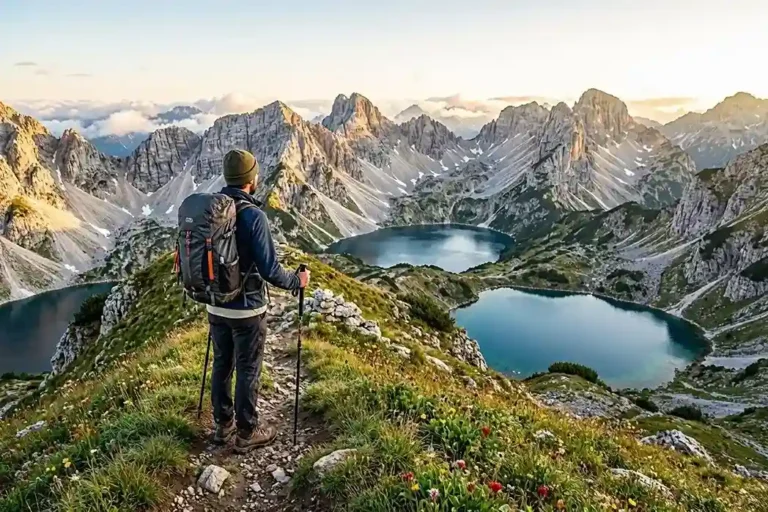
Best hidden gems in Mostar for solo travelers

Mostar rewards solo travelers who slow down. The Old Bridge is the obvious symbol of the city, but some of the most memorable experiences happen when you step away from the busiest bridge approaches: a walk through Spanish Square, a quiet coffee beyond the main bazaar flow, a panoramic evening at Fortica, or a day trip into the wider Herzegovina landscape.
This guide to the best hidden gems in Mostar for solo travelers is not a list of places that nobody knows. Some locations, such as Blagaj and Počitelj, are well established on the tourist trail. The goal is to show you the places that add depth to a Mostar stay, explain which ones genuinely feel quieter, and help you decide what is practical when you are traveling alone.
You will find overlooked corners inside Mostar first, followed by day trips outside the city. Each section includes the reason to go, how much time to allow, transport considerations, and specific advice for independent travelers. There is also a one-, two-, and three-day plan at the end so you do not have to force every place into the same itinerary.
Affiliate note: this article contains a small number of travel links placed only where they are directly useful for accommodation, tours, buses, or mobile data.
Table of Contents
Mostar Hidden Gems at a Glance
| Place | Best For | Time Needed | Solo Travel Difficulty |
|---|---|---|---|
| Spanish Square & Mostar Gymnasium | Modern history, architecture, local atmosphere | 45–90 min | Very easy |
| Old Bazaar side streets | Slow wandering, cafés, photography | 1–2 hours | Very easy |
| Koski Mehmed Pasha Mosque area | Stari Most views, architecture | 30–60 min | Very easy |
| Fortica Hill | Panoramas, sunset, adventure activities | 1.5–3 hours | Moderate logistics |
| Blagaj | Buna spring, Tekke, river scenery | Half day | Easy with bus planning |
| Počitelj | Stone village, fortress, photography | Half day | Moderate logistics |
| Radimlja + Stolac | Medieval history, UNESCO heritage | Half/full day | Moderate logistics |
| Kravice Waterfalls | Nature, swimming, summer escape | Half/full day | Easiest by tour or car |

Why Mostar Works So Well for Solo Travelers
Mostar is compact enough to understand quickly, but varied enough that two or three days do not feel repetitive. The Old Town, Spanish Square, river viewpoints, bakeries, cafés, and most central sights can be explored on foot. That makes the city particularly comfortable for travelers who prefer to make decisions during the day rather than follow a rigid group schedule.
The city also works well as a base. You can leave your luggage in one place and use Mostar for half-day or full-day trips to Blagaj, Počitelj, Stolac, Radimlja, and Kravice. For solo travelers, that matters: changing accommodation every night can cost more, use valuable time, and make an otherwise simple Herzegovina itinerary feel complicated.
Mostar is also easy for solo dining. You can eat burek at a bakery, stop for Bosnian coffee, sit alone at a casual grill restaurant, or take a riverside table without needing a formal evening plan. The social side is optional rather than forced.
That said, “easy to explore alone” should not be confused with “nothing requires planning.” Fortica needs a return plan, regional buses can be seasonal or infrequent, summer heat changes how far you will want to walk, and some historical areas deserve more care than a quick photo stop.
Hidden and Overlooked Places Inside Mostar
If you only have one day, stay inside Mostar. You can see the classic Old Bridge area and still get well beyond the standard “arrive, photograph Stari Most, leave” route.
1. Spanish Square and Mostar Gymnasium
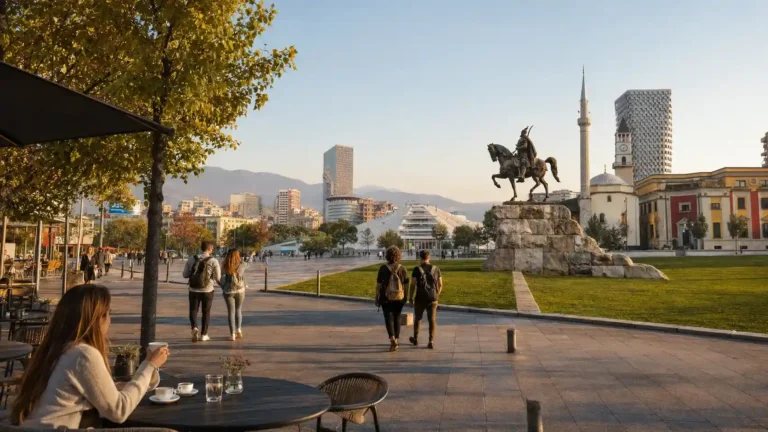
Spanish Square is one of the best places to begin understanding Mostar beyond the Ottoman-era Old Town. The square sits beside the striking Mostar Gymnasium, a landmark whose architecture immediately feels different from the stone lanes around Stari Most.
The square is named in memory of Spanish soldiers who served with international forces during the 1990s. Visiting it does not replace a museum or a serious explanation of Mostar’s wartime history, but it gives useful context: the city’s recent past is visible in its urban landscape, not only in dedicated memorial spaces.
For a solo traveler, the best way to use this area is as part of a walk rather than a single photo stop. Start around the square, look at the Gymnasium exterior, then walk part of the Boulevard and surrounding streets before turning back toward the Old Town. That route lets you compare different architectural and social layers of Mostar within a relatively short distance.
- Best for: architecture, recent history, urban context.
- Time: 45–90 minutes as part of a wider walk.
- Best time: morning or late afternoon.
- Solo note: straightforward to reach on foot from the Old Town.
2. The Old Bazaar Side Streets
Kujundžiluk and the streets around Stari Most are among the busiest parts of Mostar, so calling the bazaar itself a hidden gem would be misleading. The better experience is to use the famous street as a starting point and then step away from the heaviest pedestrian flow.
Solo travel is ideal for this because there is no group waiting for you. Follow small stone lanes, look for quieter café terraces, stop at craft shops that interest you, and take side routes toward the river rather than walking only between the same souvenir displays.
The Old Town stones can be polished and slippery, especially after rain. Wear shoes with decent grip. This is not a place where you gain anything from rushing.
- Best for: photography, coffee breaks, independent wandering.
- Time: 1–2 hours.
- Best strategy: visit Stari Most early, then wander side streets after the first photos.
- Budget: free unless you stop for food, coffee, shopping, or paid attractions.
3. Koski Mehmed Pasha Mosque Area for a Different Stari Most View
Koski Mehmed Pasha Mosque is not hidden, but it earns a place in a solo-travel guide because it gives you a different visual relationship with Stari Most and the Neretva without requiring transport or a long hike.
If you want a quieter experience, go early rather than at the busiest midday period. The surrounding area works naturally with an Old Town walk, so you do not need to plan a separate journey. Depending on current access conditions, there may be a paid mosque or minaret entry; check the price at the entrance rather than relying on an old blog figure.
Remember that this is an active religious site. Dress appropriately when entering, follow posted rules, and keep photography respectful. The goal is not to “beat the crowds at any cost” but to experience the place with more time and less rushing.
- Best for: architecture and bridge views.
- Time: 30–60 minutes.
- Best time: earlier in the morning or later in the afternoon.
- Solo note: one of the simplest viewpoints to add without changing your day.
4. Fortica Hill and the Skywalk
Fortica is one of the strongest “beyond the bridge” experiences near Mostar. The sports and adventure park sits on the eastern hill above the city at roughly 500 meters elevation, with broad views over Mostar and the surrounding mountains.
The area is more than a viewpoint. Fortica is associated with hiking and mountain biking, remains of historic military fortifications, climbing routes, and a zipline operation. More recently, the hill has also become known for its glass skywalk.
How to get to Fortica
There is no simple city-bus solution that makes Fortica as easy as Spanish Square. A taxi, arranged shuttle, car, or daylight hike are more realistic choices.
If you walk, treat the route as an actual uphill outing rather than a casual extension of Old Town sightseeing. Mostar summer afternoons can be extremely hot, the climb is exposed in places, and returning after sunset is a different experience from walking up in daylight.
If you go for sunset, arrange the return before you start. Do not assume a taxi will be waiting at the top. This matters even more when traveling alone because “I’ll figure it out later” can turn a beautiful sunset stop into an unnecessary transport problem.
- Best for: panoramic city views, sunset, active travelers.
- Time: around 1.5–3 hours, longer if hiking or doing activities.
- Summer tip: avoid climbing in the hottest part of the day.
- Solo tip: confirm how you will return before going up.
Best Day Trips and Hidden Gems Near Mostar
The next places are outside the city. Blagaj and Počitelj are not secret destinations, but they fit this article because solo travelers who spend only a few hours in Mostar often miss the wider Herzegovina region completely.
5. Blagaj: Buna Spring and the Dervish House
Blagaj is one of the easiest extensions from Mostar and makes sense even if you have only two days in the region. The main landscape combines the Buna spring, a huge limestone cliff, clear water, and the historic Blagaj Tekke beside the river.
It is popular, so the reason to go is not secrecy. The reason is contrast. After Mostar’s stone streets and urban heat, Blagaj feels greener, cooler, and slower.
Getting from Mostar to Blagaj by bus
Mostar Bus currently lists lines 10 and 12 serving Blagaj. Check the latest timetable before leaving because weekday, weekend, holiday, and seasonal patterns can differ.
In summer 2026, Mostar Bus also introduced a special Sunday tourist service between Mostar and Blagaj for three summer months, with four departures and a promotional one-way fare of 1.80 KM. That was a seasonal initiative, not a timetable you should assume operates year-round. If you are reading this outside summer, use the current Mostar Bus schedule instead.
Blagaj is easy to enjoy alone. Walk the river, visit the Tekke if you are comfortable following its dress rules, have coffee or lunch, and return when you are ready. You do not need to force another attraction into the same half day.
- Best for: river scenery, cultural heritage, easy half-day trip.
- Time: about 3–5 hours including transport.
- Solo note: confirm your return bus before settling into a long lunch.
- Respect: the Tekke is a religious and heritage site, not only a scenic backdrop.
6. Počitelj: Stone Streets and Fortress Views
Počitelj is a historic settlement built dramatically into the hillside above the Neretva. Its stone houses, mosque, stepped lanes, and fortress remains make it one of the most photogenic places in Herzegovina.
It is not large, which is exactly why it can suit solo travelers. You do not need a packed activity list. Give yourself time to climb slowly, stop for views, and explore the village rather than treating it as a 20-minute bus-tour photo stop.
The downside is transport. Počitelj is not as simple to reach independently as central Mostar or Blagaj, particularly if you need a reliable return at a specific time. Depending on your dates, an intercity bus, taxi, tour, or shared transport may be easier than building the entire day around an uncertain roadside connection.
- Best for: photography, historic architecture, viewpoints.
- Time: 2–4 hours once transport is included.
- Physical effort: expect stairs and uphill stone paths.
- Summer tip: start early or go later in the day; the stone village gets hot.
7. Radimlja Necropolis and Stolac
Radimlja is one of the genuinely stronger hidden-gem choices in this guide because many short-stay visitors never reach it. The necropolis lies near Stolac and contains medieval stećci, distinctive monumental tombstones found across Bosnia and Herzegovina and neighboring countries.
Radimlja is one component of the UNESCO World Heritage property Stećci Medieval Tombstone Graveyards. UNESCO lists Radimlja at Stolac as one of the serial property’s 28 component sites. The wider stećci tradition dates from roughly the second half of the 12th century through the 16th century, with particularly intensive production in the 14th and 15th centuries.
Rather than traveling from Mostar only to stand at Radimlja for 20 minutes, combine it with Stolac. This turns the trip into a fuller historical day: the necropolis, the town, its river setting, old neighborhoods, and fortress landscape all add context.
Getting there
Transport is the main reason Radimlja is less visited by solo travelers. It sits a few kilometers outside Stolac, so even after reaching the town you need to consider the final leg. A car, taxi arrangement, or organized regional route is usually simpler than assuming there will be frequent local transport at the exact time you need it.
- Best for: medieval history, UNESCO heritage, slower cultural travel.
- Time: half day minimum; better as a Stolac day.
- Solo note: arrange the final transport before leaving Mostar.
- Weather: much of the site is exposed, so carry water and sun protection.
8. Kravice Waterfalls: Popular, Not Hidden — but Useful for Solo Travelers
Kravice Waterfalls should not be marketed as a hidden gem. They are one of Herzegovina’s best-known nature attractions. However, they belong in this guide because they often appear in the same Mostar day-trip decisions as Blagaj and Počitelj.
Go if you want a nature-focused day, especially in warmer months. Skip it if your priority is quiet historical sightseeing or if your Mostar stay is too short to justify a longer excursion.
For solo travelers, the biggest issue is transport efficiency rather than the site itself. If you want to see Kravice, Počitelj, and Blagaj on one day, an organized small-group trip can be more practical than arranging several separate connections.
You can compare a Mostar day tour covering Blagaj, Počitelj and Kravice on GetYourGuide. The specific itinerary and entry fees can change, so check the current activity details for your date before booking.
Which Places Are Actually Best for Solo Travelers?
| If You Want… | Choose | Why |
|---|---|---|
| Simple walking with no transport stress | Spanish Square + Old Bazaar side streets | Both fit naturally into a city day |
| Photography | Fortica + Počitelj | Two very different elevated views |
| History | Spanish Square + Radimlja/Stolac | Modern and medieval layers |
| Nature | Blagaj + Kravice | River spring and waterfalls |
| Lowest budget | City walking + Blagaj by bus | Minimal transport costs |
| Maximum convenience | Mostar city + organized Herzegovina day tour | No need to coordinate several regional connections |
The common mistake is believing you need all eight places. You do not. A solo traveler with two days will usually have a better trip by doing Mostar properly on Day 1 and one regional route on Day 2.
Where to Stay in Mostar When Traveling Alone
Location has a bigger effect on a solo Mostar trip than hotel category. Staying within comfortable walking distance of the Old Town reduces late-night transport needs and makes it easy to return to your room during the hottest part of the day.
Old Town / near Stari Most
This is the easiest location for a short first visit. You are close to the bridge, bazaar, restaurants, cafés, tour meeting points, and many guesthouses. The downside is noise and pedestrian traffic during high season.
Just outside the Old Town
For many solo travelers, this is the best balance. You remain close enough to walk into the historic center but gain quieter evenings and often easier vehicle access if you are joining an excursion.
Near the bus and railway stations
This area is practical if Mostar is one stop in a longer Balkans route and you have an early bus or train. Check the actual walking distance to the Old Town rather than assuming every “central” property is equally convenient.
You can compare current Mostar hotels and guesthouses on Trip.com. For solo stays, recent reviews mentioning location, noise, check-in, staff responsiveness, and night-time access are often more useful than the overall score alone.
Getting to Mostar Without a Car
Mostar works well in a car-free Balkans itinerary. Sarajevo is one of the most common starting points, and buses operate between the two cities. Schedules vary, so check your actual date instead of copying a departure from an old article.
If you are traveling by bus, you can compare current Sarajevo–Mostar bus schedules on Busbud. If a train works better for your date, compare that separately through the relevant railway source; do not assume the bus is automatically the only practical option.
Once you arrive, a car is unnecessary for Mostar itself. It becomes useful only if your priority is independent access to several regional sites such as Radimlja, Stolac, Počitelj, or rural Herzegovina in one day.
Getting Around Mostar as a Solo Traveler
Walking
Walking is the default for the central city. Old Town, Stari Most, Spanish Square, central cafés, and many viewpoints are close enough that public transport would often add more complexity than it saves.
The important issues are surface and temperature. Old Town paving can be slippery, and summer heat can make a 20-minute walk feel much longer than it looks on a map.
Local buses
Use the current Mostar Bus timetable for places such as Blagaj. The operator currently lists lines 10 and 12 serving Blagaj, but do not turn any single departure time into permanent advice because seasonal and holiday schedules change.
Taxi
A taxi becomes useful for Fortica, a late return, luggage, or a short regional transfer where waiting for public transport would consume too much of the day. Ask your accommodation for a current reputable option and clarify the fare or meter expectations before leaving.
Organized day trip
A tour is not necessary for Mostar itself. It becomes valuable when one day includes several spread-out locations such as Fortica, Blagaj, Počitelj, and Kravice. For a solo traveler, the price difference can be offset by not paying for several separate taxi legs.
Solo Female Travel in Mostar
Many women travel independently through Mostar, but useful advice is more specific than simply calling the city “safe.” The central Old Town remains active into the evening, while hillside viewpoints and quiet roads can become much emptier.
- Stay somewhere with clear late check-in instructions if your bus or train arrives after dark.
- Use daylight for unfamiliar hill walks, especially Fortica.
- Arrange the return before sunset if you go to a viewpoint by taxi or shuttle.
- Do not depend on the final regional bus when visiting Blagaj or another town alone.
- Keep your accommodation pinned offline so you can navigate back without mobile data.
- Choose well-reviewed accommodation in a walkable area rather than saving a small amount far outside the center.
The Old Town’s polished stone is also a practical safety issue: shoes with poor grip can be more troublesome than crime statistics when the paving is wet.
Mobile Data and Offline Maps
Data is useful for bus checks, walking routes, accommodation messages, and ordering or calling transport. However, you should still save your key locations offline before leaving the hotel, particularly for day trips.
If your phone supports eSIM, you can compare Bosnia and Herzegovina eSIM plans on Airalo before your trip. Save the Old Town, accommodation, station, Fortica, Blagaj, and any tour meeting point offline even when you have mobile data.
What to Eat Alone in Mostar
Solo dining is easy in Mostar because the city has many casual formats. You do not need a reservation-heavy restaurant plan to eat well.
Burek and bakery meals
Bakeries are perfect for early starts or cheap lunches. Burek and other filled pastries are easy to buy alone, quick to eat, and useful on bus days when you do not know exactly when the next full meal will happen.
Ćevapi and grill dishes
Casual grill restaurants are normal places to eat solo. Ćevapi, grilled meats, salads, bread, and simple sides make an easy first introduction to local food.
Bosnian coffee
A coffee stop is one of the best ways to slow the pace of your itinerary. For a solo traveler, it also creates a natural break between the crowds of the Old Bridge area and a second walking route.
Do not chase a permanent “best restaurant” list
Restaurant quality, ownership, opening times, and prices change. Use recent reviews and visible menus rather than crossing the city because an old article promised one place was “the best in Mostar.”
One-Day Hidden Gems Route in Mostar
If you have only one full day, stay in the city and resist the temptation to use half of it traveling to an outside attraction.
- Early morning: Stari Most before peak group traffic.
- Morning: Old Bazaar side streets and the Koski Mehmed Pasha Mosque area.
- Late morning: Bosnian coffee or bakery stop away from the busiest bridge-view tables.
- Early afternoon: rest during the hottest period if visiting in summer.
- Late afternoon: walk to Spanish Square and Mostar Gymnasium.
- Sunset: Fortica only if your transport or return plan is already confirmed; otherwise choose a city-based river viewpoint.
This route gives you classic Mostar and a less tourist-focused side without turning the day into a transport exercise.
Two-Day Mostar Itinerary for Solo Travelers
Day 1: Mostar itself
Follow the one-day city route: Stari Most early, Old Bazaar side streets, mosque viewpoint, Spanish Square, and a slow evening.
Day 2: Choose one regional direction
- Choose Blagaj if you want the easiest independent half-day with river scenery.
- Choose Počitelj if photography and stone architecture matter most.
- Choose Stolac + Radimlja if history is your priority.
- Choose a Blagaj–Počitelj–Kravice tour if you want several places without coordinating transport yourself.
Two days is the point where Mostar starts to feel much more complete. You get one day for the city and one for the landscape around it.
Three-Day Slow-Travel Itinerary
Day 1: Old Town and modern Mostar
Stari Most, side streets, Koski Mehmed Pasha Mosque area, Spanish Square, the Gymnasium, cafés, and a relaxed dinner.
Day 2: Blagaj + relaxed Mostar evening
Use the current bus timetable to visit Blagaj independently, spend several hours around the river and Tekke, then return to Mostar without adding another major stop.
Day 3: Stolac/Radimlja or a combined Herzegovina trip
Choose Stolac and Radimlja for a history-focused day. Choose a combined tour if you prefer Počitelj, Kravice, and other well-known regional stops. If you are tired, make Day 3 a slow city day instead. Solo travel does not become better simply because every hour is occupied.
Realistic Budget for Solo Travelers
Instead of giving one daily number that becomes obsolete quickly, divide the budget according to how you travel.
| Category | Low-Budget Approach | Comfort Approach |
|---|---|---|
| Accommodation | Hostel or simple guesthouse | Private central room / hotel |
| Food | Bakeries, grills, casual cafés | Mix of casual and sit-down restaurants |
| Mostar transport | Mostly walking | Walking + occasional taxi |
| Blagaj | Local bus | Taxi or tour |
| Počitelj / Radimlja / Kravice | Plan buses carefully where practical | Shared tour, taxi, or rental car |
| Activities | Free walks and viewpoints | Paid religious sites, adventure activities, tours |
The biggest savings come from staying walkable, using local transport for Blagaj, eating some bakery meals, and choosing only one paid regional excursion rather than several taxis.
Best Time to Explore Mostar’s Hidden Gems
Spring
Spring is one of the best periods for walking. The region is greener, the Buna and other waterways can look particularly strong, and you can spend more time outside without the most intense summer heat.
Summer
Summer offers long daylight and the easiest atmosphere for swimming-focused trips, but the heat is a serious itinerary factor. Start early, take a long afternoon break, and save Fortica or Počitelj climbing for cooler hours.
Do not assume seasonal bus services continue all year. The special Sunday Mostar–Blagaj service introduced in June 2026 was specifically announced as a three-month summer program.
Autumn
Early autumn is excellent for city walks, photography, and day trips. It is also a good time to choose Stolac and Radimlja when you do not want to stand on exposed historical sites in peak summer heat.
Winter
Winter is quieter and can work well if your priorities are the city, cafés, history, and photography. Daylight is shorter and some outdoor services operate on reduced schedules, so plan regional transport more carefully.
Common Solo Travel Mistakes in Mostar
- Treating Mostar as a two-hour bridge stop. The city and region reward at least one full day.
- Calling every famous Herzegovina attraction a hidden gem. Blagaj and Kravice are popular; visit them for their value, not because they are “secret.”
- Trying to combine Blagaj, Počitelj, Radimlja, Kravice, and Fortica independently in one day.
- Ignoring summer heat. Exposed stone, hills, and limited shade can change your pace dramatically.
- Walking to Fortica late without a return plan.
- Depending on an old bus timetable. Verify current Mostar Bus services and regional connections.
- Booking the cheapest accommodation far from the center. Solo convenience can be worth more than a small nightly saving.
- Wearing smooth sandals on Old Town stones.
- Using war-related locations as casual photo props. Mostar’s recent history deserves respectful treatment.
- Feeling obligated to join a tour every day. The city itself is best explored independently; tours are most useful for spread-out regional stops.
FAQ: Hidden Gems in Mostar for Solo Travelers
Is Mostar good for solo travelers?
Yes. The central city is compact and walkable, solo dining is easy, and several regional attractions can be reached by bus, taxi, or organized day trip. Good planning still matters for viewpoints and transport outside Mostar.
What are the best hidden gems inside Mostar itself?
Spanish Square and the Mostar Gymnasium, quieter Old Bazaar side streets, the Koski Mehmed Pasha Mosque area, and Fortica are the strongest additions beyond the standard quick Stari Most visit.
Is Blagaj a hidden gem?
Not really. Blagaj is a popular Herzegovina attraction, but it is still an excellent half-day trip from Mostar and easy enough to fit into a solo itinerary.
Can I reach Blagaj by public bus?
Yes. Mostar Bus currently lists lines 10 and 12 serving Blagaj. Check the latest timetable for your specific day because schedules can vary by day and season.
Can I walk to Fortica?
Confident walkers can hike uphill in daylight, but it is a real climb rather than a flat city walk. In summer, avoid the hottest hours and carry water. If visiting for sunset, arrange transport back before you go.
Is Radimlja worth the trip?
Yes if medieval history interests you. Radimlja is part of the UNESCO-listed Stećci Medieval Tombstone Graveyards property. It makes more sense when combined with Stolac than as a very short standalone stop.
Should I visit Kravice if I only have two days?
Only if nature and waterfalls are a major priority. With two days, many travelers will get more from one full Mostar day and one Blagaj/Počitelj-style regional day than from rushing through every famous attraction.
Do I need a car?
No for Mostar itself. A car becomes useful if you want to combine several less convenient regional sites independently, especially Stolac, Radimlja, Počitelj, and rural areas.
How many days should a solo traveler spend in Mostar?
Two days is a strong minimum if you want more than the Old Bridge. Three days is better if you want Mostar itself plus Blagaj and one additional Herzegovina route without rushing.
Final Thoughts
The best hidden gems in Mostar for solo travelers are not simply the places with the fewest people. They are the stops that make the city and Herzegovina easier to understand: Spanish Square for recent urban history, side streets for the slower rhythm of the Old Town, Fortica for the larger landscape, Blagaj for the Buna spring, Počitelj for hillside architecture, and Radimlja for a much older layer of regional history.
Do not build your itinerary around the idea that you must discover somewhere nobody else knows. A better solo trip comes from choosing the right places for your time and transport, visiting early or slowly when crowds matter, and leaving enough flexibility to stop when something interests you.
With one day, stay in Mostar. With two days, add one regional trip. With three days, you can begin to understand why Mostar works so well as a base for Herzegovina rather than simply a bridge stop between Sarajevo and the Adriatic coast.