Bosnia and Montenegro Itinerary: 10 Days from Sarajevo to Kotor Without Rushing

A Bosnia and Montenegro itinerary is one of the most rewarding ways to experience the Balkans for the first time. In just ten days, you can discover vibrant cities, centuries-old history, dramatic mountains, crystal-clear rivers, medieval towns, and the breathtaking Adriatic coast—all without feeling like you’re constantly rushing from one destination to the next. Rather than trying to tick every landmark off a long checklist, this itinerary focuses on enjoying each stop at a comfortable pace while leaving enough time to appreciate the local culture, scenery, and food.
The journey begins in Sarajevo, one of Europe’s most fascinating capitals, before heading south to the historic streets of Mostar and the peaceful riverside village of Blagaj. From there, you’ll cross into Montenegro, where the spectacular Bay of Kotor, charming coastal towns, and mountain landscapes create a perfect contrast to Bosnia and Herzegovina’s rich cultural heritage. Along the way, you’ll experience Ottoman architecture, medieval fortresses, scenic drives, waterfalls, national parks, and unforgettable viewpoints.
This route follows a relaxed travel style:
Sarajevo → Mostar → Blagaj → Montenegro → Kotor → Budva → Durmitor National Park.
Instead of spending hours every day on the road, you’ll have enough time to wander historic streets, enjoy local cafés, take scenic boat rides, and explore nature without feeling pressured by an unrealistic schedule.
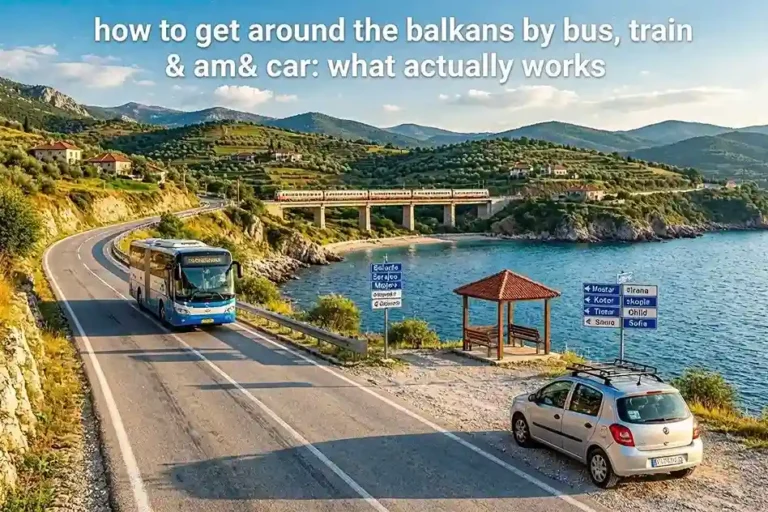
Whether you plan to rent a car for maximum flexibility or rely on buses between major destinations, this guide is designed to help first-time visitors build a practical trip that balances sightseeing with relaxation. By the end of these ten days, you’ll have experienced two of the Balkans’ most diverse and welcoming countries while creating memories that go far beyond the typical tourist route.
Quick Answer: Is 10 Days Enough for Bosnia and Montenegro?
Yes. For most first-time visitors, 10 days is an ideal amount of time for a Bosnia and Montenegro itinerary. It allows you to experience the main highlights of both countries while keeping a comfortable pace, avoiding the feeling of constantly packing, driving, or catching the next bus.
Shorter trips of five to seven days often require difficult choices. Travelers may only have enough time to visit Sarajevo, Mostar, and Kotor before heading home, leaving little opportunity to enjoy quieter places, scenic mountain roads, or local experiences. While it’s possible to cover the route in less than ten days, the journey can quickly become tiring if every day involves long transfers.
With ten days, however, you gain the flexibility to spend two nights in Sarajevo, explore Mostar beyond its famous bridge, admire the peaceful surroundings of Blagaj, and enjoy both the coastline and mountains of Montenegro. Instead of simply passing through destinations, you’ll have enough time to experience traditional cuisine, relax at waterfront cafés, and appreciate the unique character of each stop.
This route also works particularly well for travelers visiting the Balkans for the first time. Bosnia and Herzegovina introduces visitors to a fascinating blend of cultures, religions, and history, while Montenegro offers spectacular coastal scenery, charming old towns, and dramatic national parks. Together, they create a balanced itinerary that combines history, nature, and relaxation without requiring an overly ambitious schedule.
Bosnia and Montenegro Itinerary at a Glance
| Day | Destination | Country | Main Highlights | Overnight Stay | Transport Option |
|---|---|---|---|---|---|
| 1 | Sarajevo | Bosnia & Herzegovina | Old Town, local cuisine, first impressions | Sarajevo | Arrival flight |
| 2 | Sarajevo | Bosnia & Herzegovina | Museums, viewpoints, coffee culture | Sarajevo | Walking / local transport |
| 3 | Sarajevo → Mostar | Bosnia & Herzegovina | Scenic journey, Old Bridge | Mostar | Car, train or bus |
| 4 | Mostar + Blagaj | Bosnia & Herzegovina | Historic streets, monastery, river scenery | Mostar | Car, taxi or local tour |
| 5 | Mostar → Montenegro | Bosnia → Montenegro | Border crossing, mountain scenery | Kotor region | Car or bus |
| 6 | Kotor Bay | Montenegro | Old Town, fortress, bay views | Kotor | Walking / boat |
| 7 | Perast + Budva | Montenegro | Historic villages, beaches | Budva or Kotor | Car or bus |
| 8 | Durmitor National Park | Montenegro | Black Lake, hiking, mountain scenery | Žabljak area | Car or guided tour |
| 9 | Montenegro Coast | Montenegro | Flexible exploration | Coastal town | Car or bus |
| 10 | Departure | Montenegro | Airport transfer | — | Car, shuttle or taxi |
Although this itinerary follows a logical route from Sarajevo to Kotor, it remains flexible. Travelers can easily reverse the direction, adjust overnight stays, or add extra time in favorite destinations depending on flight availability, travel preferences, and the season.
Why Combine Bosnia and Montenegro?
Bosnia and Herzegovina and Montenegro complement each other remarkably well. Bosnia introduces travelers to centuries of history, multicultural traditions, welcoming cities, rugged mountains, and excellent local cuisine at relatively affordable prices. Walking through Sarajevo or Mostar reveals layers of Ottoman, Austro-Hungarian, and modern Balkan history that few European destinations can match.
Montenegro offers a completely different atmosphere despite being only a short journey away. Here, dramatic mountain landscapes meet the Adriatic Sea, creating picturesque bays, medieval coastal towns, beautiful beaches, and spectacular national parks. Destinations such as Kotor, Perast, Budva, and Durmitor each showcase a different side of the country, making it far more diverse than many first-time visitors expect.
Together, these neighboring countries create a balanced Balkan adventure where cultural heritage, outdoor experiences, scenic drives, and coastal relaxation naturally fit into one memorable journey. Rather than choosing between history and nature, this itinerary allows you to enjoy both without sacrificing comfort or spending every day on the road.
Best Time for This Bosnia and Montenegro Itinerary
One of the biggest advantages of this Bosnia and Montenegro itinerary is that it can be enjoyed throughout the year. However, each season offers a different experience, from blooming valleys and peaceful historic towns to lively beaches and snow-covered mountains. Choosing the right travel season depends on your interests, whether you prefer sightseeing, hiking, photography, or relaxing along the Adriatic coast.
Spring (April–June)
Spring is one of the best times to follow this itinerary. Rivers are full after the winter snow, waterfalls are at their most impressive, and mountain landscapes become lush and green. Cities such as Sarajevo and Mostar are comfortable to explore on foot thanks to mild temperatures and fewer crowds than in the peak summer months.
- Comfortable weather for walking and sightseeing.
- Excellent hiking conditions in many mountain areas.
- Lower tourist numbers at major attractions.
- Beautiful scenery for photography.
Summer (July–August)
Summer is ideal for travelers who want to combine cultural sightseeing with time at the beach. Montenegro’s coastline comes alive during these months, especially around Kotor and Budva. While the atmosphere is vibrant, popular destinations can become crowded, and accommodation often fills up well in advance.
- Perfect weather for swimming and boat trips.
- Long daylight hours for sightseeing.
- Lively restaurants, festivals, and waterfront cafés.
- Expect larger crowds in Kotor and Budva.
- Book accommodation as early as possible.
Planning Tip: If you’re visiting during summer, consider exploring popular attractions early in the morning or later in the afternoon for a more relaxed experience.
Autumn (September–October)
Many experienced Balkan travelers consider early autumn the sweet spot for this route. Coastal temperatures often remain pleasant, while mountain regions become quieter and forests begin displaying beautiful autumn colors. The combination of comfortable weather and reduced crowds creates excellent conditions for road trips.
- Warm days with fewer visitors.
- Excellent lighting for photography.
- Comfortable weather for cities and national parks.
- A relaxed atmosphere across most destinations.
Winter
Winter offers a completely different perspective on Bosnia and Montenegro. Historic cities become quieter, mountain regions attract snow lovers, and accommodation can be easier to find in many destinations. Coastal towns remain scenic, although beach activities become limited.
- Peaceful sightseeing in historic cities.
- Snow-covered mountain landscapes.
- Unique seasonal atmosphere.
- Some mountain roads and outdoor activities may be affected by weather conditions.
Should You Rent a Car for Bosnia and Montenegro?
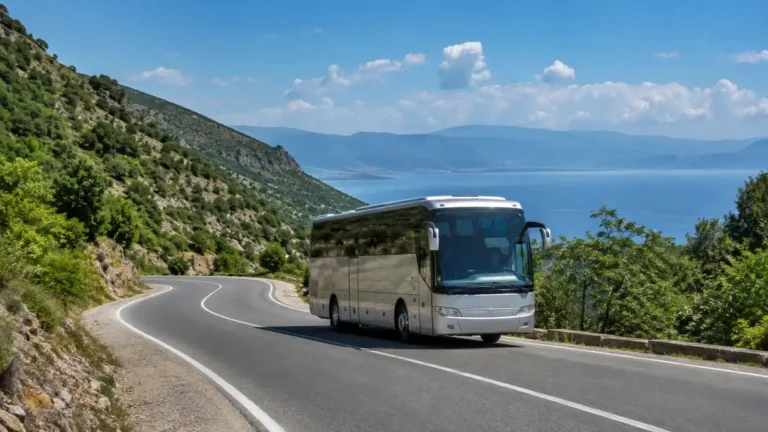
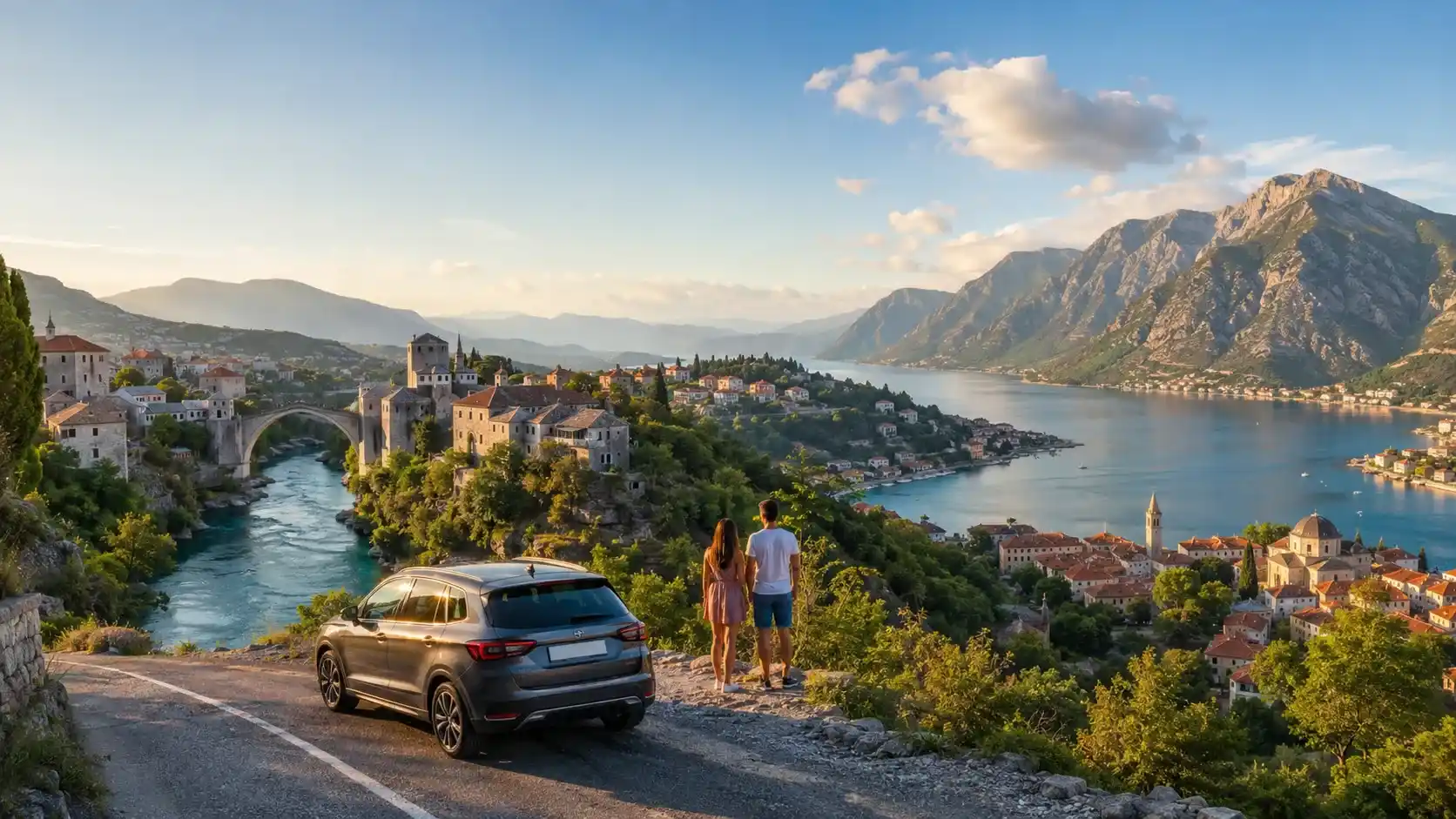
For many travelers, renting a car provides the most flexible way to complete a 10 day Bosnia Montenegro itinerary. Having your own vehicle makes it easier to stop at scenic viewpoints, visit smaller villages, and explore national parks without depending on public transport schedules.
Advantages of Renting a Car
- Greater freedom to travel at your own pace.
- Easy access to scenic roads and panoramic viewpoints.
- More convenient visits to national parks and rural attractions.
- Flexibility to change plans based on weather or personal interests.
- Ideal for photographers and travelers seeking less-visited locations.
For travelers following the full Sarajevo–Mostar–Kotor route, a rental car can provide valuable flexibility for scenic stops, national parks and smaller destinations. You can compare car rentals in Sarajevo with DiscoverCars before starting the road trip. When booking, check the rental company’s cross-border conditions carefully if you plan to take the vehicle from Bosnia and Herzegovina into Montenegro.
Things to Consider
- Check cross-border policies before renting.
- Parking inside historic old towns can be limited.
- Mountain roads require careful driving.
- Traffic around coastal destinations may increase during summer.
A rental car is particularly suitable for: couples, families, photographers, road trip enthusiasts, and travelers who want maximum flexibility throughout the Balkans.
On the other hand, backpackers, solo travelers, and visitors following a tighter budget may find buses sufficient for reaching the main destinations included in this itinerary, especially Sarajevo, Mostar, Kotor, and Budva.
Bosnia and Montenegro Without a Car
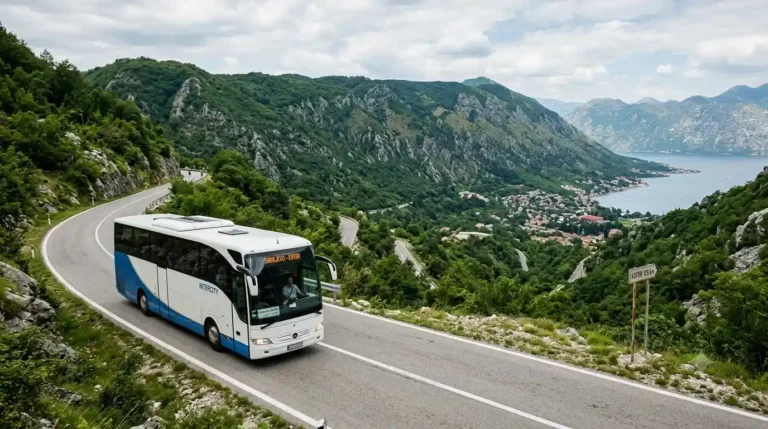
Completing this Sarajevo to Kotor itinerary without renting a car is entirely possible with careful planning. Both countries have bus connections linking the major cities, making independent travel accessible for many visitors. However, reaching remote mountain regions and smaller villages often requires additional planning or organized tours.
In Bosnia and Herzegovina
- Sarajevo is well connected and easy to explore on foot and by public transport.
- Mostar is accessible by train or bus from Sarajevo.
- Blagaj can usually be reached using local transport, taxis, or guided excursions.
In Montenegro
- Kotor and Budva are connected by regular bus services.
- Bar offers additional transport connections along the coast.
- Remote areas such as Durmitor National Park may require organized day trips, rental cars, or taxis.
If you prefer public transport, keep your schedule flexible and avoid planning extremely tight connections. Allowing extra travel time makes the journey more enjoyable and reduces stress if services are delayed or seasonal schedules change.
Day-by-Day Bosnia and Montenegro Itinerary
Day 1: Arrive in Sarajevo
Your Bosnia Montenegro road trip begins in Sarajevo, a city where East and West meet in remarkable ways. Depending on your arrival time, spend the afternoon getting acquainted with the city’s welcoming atmosphere instead of trying to fit too many attractions into your first day.
If Sarajevo is the starting point of your Bosnia and Montenegro itinerary, comparing flight routes before finalizing your travel dates can make the rest of the trip easier to organize. You can compare flights to Sarajevo on Trip.com before arranging your first nights and onward journey through Bosnia and Montenegro.
Start in Baščaršija, Sarajevo’s historic old town, where narrow streets, traditional shops, and centuries-old mosques create one of the most distinctive urban landscapes in the Balkans. Continue toward the Latin Bridge, one of the city’s best-known historical landmarks, before enjoying a relaxed dinner featuring local specialties.
For accommodation, staying near the Old Town or the city center provides convenient access to restaurants, cafés, and major attractions while minimizing the need for transport during your first evening.
Why stay two nights? Sarajevo rewards slow exploration. Spending more than one night allows you to experience both its historical landmarks and its unique café culture without feeling rushed.
Day 2: Explore Sarajevo
Dedicate your second day to discovering the many layers of Sarajevo’s history. The city reflects centuries of Ottoman influence alongside elegant Austro-Hungarian architecture, creating an atmosphere unlike anywhere else in Southeast Europe.
Consider visiting the Sarajevo Tunnel Museum to gain a deeper understanding of the city’s modern history before heading to one of the panoramic viewpoints accessible by cable car or local transport. These viewpoints offer excellent perspectives over the valley and surrounding mountains.
Throughout the day, take time to enjoy Sarajevo’s famous coffee culture. Rather than rushing between attractions, pause at traditional cafés, sample local pastries, and experience the slower rhythm that makes the city so memorable.
Most of today’s attractions can be explored comfortably on foot, although comfortable walking shoes are recommended because some streets include gentle hills and cobblestones.
Day 3: Sarajevo to Mostar
Leaving Sarajevo, the journey toward Mostar becomes one of the highlights of the trip itself. Whether traveling by car, train, or bus, the route passes through impressive mountain scenery, river valleys, and picturesque landscapes that showcase another side of Bosnia and Herzegovina.
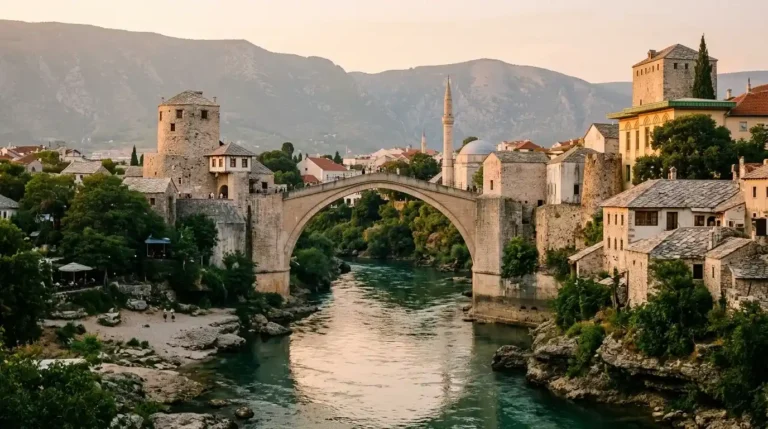
After arriving in Mostar, spend the remainder of the day exploring the Old Town at a relaxed pace. As the afternoon crowds begin to thin, the famous Old Bridge becomes even more enjoyable to photograph while riverside cafés provide an excellent place to unwind after the journey.
Rather than treating today as only a transfer day, embrace the journey itself. The changing scenery between Sarajevo and Mostar is an important part of what makes this Balkan itinerary so memorable.
Day 4: Mostar and Blagaj
Spend your morning exploring Mostar beyond its famous bridge. Wander through the Old Bazaar, browse local craft shops, and stroll along the riverside streets where historic stone buildings meet the emerald waters of the Neretva River.
Later in the day, continue to the peaceful village of Blagaj. The picturesque Dervish Monastery area, located beside the source of the Buna River, offers one of the most tranquil settings in Bosnia and Herzegovina. It’s an ideal place to slow down, enjoy the scenery, and escape the busier tourist areas.
If your schedule allows and you prefer adding more natural scenery, you can also consider visiting Kravica Waterfalls as an optional stop. Rather than trying to fit everything into a single day, choose the attractions that best match your travel style and available time.
By the end of Day 4, you’ll have experienced two of Bosnia and Herzegovina’s most iconic destinations while still maintaining the relaxed pace that defines this itinerary.
Day 5: Mostar to Montenegro
Day 5 marks the transition from Bosnia and Herzegovina to Montenegro, bringing a noticeable change in scenery. As you leave Mostar behind, the landscape gradually shifts from historic river valleys to rugged mountains and, eventually, the spectacular Adriatic coastline. Rather than trying to squeeze multiple attractions into this travel day, it’s better to focus on enjoying the journey itself and arriving at your next destination feeling relaxed.
There are several possible routes depending on your travel style and transportation choice:
| Route Option | Best For | Highlights |
|---|---|---|
| Mostar → Kotor | First-time visitors | Direct access to the Bay of Kotor and Montenegro’s most famous destination. |
| Mostar → Herceg Novi | Travelers wanting a quieter coastal introduction | Historic waterfront, relaxed atmosphere, and beautiful bay views. |
| Mostar → Inland Montenegro | Nature lovers and road trip enthusiasts | Mountain scenery and a slower journey toward the coast. |
If you’re driving, remember that crossing an international border may require additional documentation depending on your rental company and nationality. Processing times can also vary throughout the year, especially during busy holiday periods, so leaving extra flexibility in your schedule is always a smart idea.
Travel Tip: Avoid planning major sightseeing immediately after crossing the border. This is one of the most scenic drives of the trip, and allowing extra time for viewpoints, cafés, or short breaks makes the experience far more enjoyable.
By the evening, you’ll reach Montenegro ready to begin exploring one of the Adriatic’s most spectacular coastal regions.
Day 6: Explore Kotor
Few destinations define a Montenegro travel itinerary better than Kotor. Surrounded by towering limestone mountains and the calm waters of the Bay of Kotor, this UNESCO-listed town combines medieval architecture, impressive fortifications, and unforgettable coastal scenery in a compact, walkable setting.
Start your day by wandering through Kotor’s Old Town, where narrow stone streets lead past historic churches, lively squares, and charming cafés. Because the town is relatively small, the best way to experience it is simply to explore without rushing, allowing yourself to discover hidden corners along the way.
For panoramic views, consider climbing to the fortress above the city. The uphill walk requires some effort, but the reward is one of the most iconic viewpoints in the Balkans, overlooking the winding bay surrounded by dramatic mountains.
If you prefer a more relaxing pace, spend part of the afternoon on the waterfront or join a boat excursion around the bay. Seeing Kotor from the water offers a completely different perspective and allows you to appreciate the region’s unique geography.
- Explore the medieval Old Town.
- Enjoy panoramic bay views.
- Visit the fortress if you’re comfortable with uphill walking.
- Sample fresh local seafood and regional specialties.
- Consider a boat trip around the Bay of Kotor.
A boat trip is one of the easiest ways to experience the dramatic scenery of the Bay of Kotor from a different perspective. Travelers can compare Kotor tours and boat experiences on GetYourGuide, including cruises toward Perast, Our Lady of the Rocks, the Blue Cave and other highlights around the bay.
Why Kotor stands out: It combines history, spectacular scenery, and easy walkability in one destination, making it the highlight of many Balkan itineraries.
Day 7: Perast and Budva
Today introduces two very different sides of Montenegro. While Perast offers quiet elegance and timeless waterfront charm, Budva provides lively beaches, bustling streets, and a vibrant evening atmosphere. Visiting both destinations on the same day creates an enjoyable contrast without requiring excessive travel.
Morning: Perast
Begin in Perast, one of the most picturesque towns on the Bay of Kotor. Its peaceful stone buildings, palm-lined waterfront, and stunning mountain backdrop make it an excellent place for a leisurely morning walk. Many visitors simply enjoy the relaxed atmosphere while watching boats glide across the bay.
Afternoon and Evening: Budva
Later, continue south to Budva, Montenegro’s best-known beach destination. Explore its historic Old Town before spending time along the waterfront, relaxing on nearby beaches, or enjoying dinner at one of the many restaurants overlooking the Adriatic Sea.
| Destination | Best For | Atmosphere |
|---|---|---|
| Perast | Couples, photographers, slow travelers | Quiet, elegant, scenic |
| Budva | Beach lovers, nightlife, families | Energetic, lively, coastal |
Travelers looking for peaceful scenery may find themselves spending more time in Perast, while those seeking beaches, restaurants, and evening entertainment will likely enjoy Budva’s vibrant atmosphere.
Day 8: Durmitor National Park
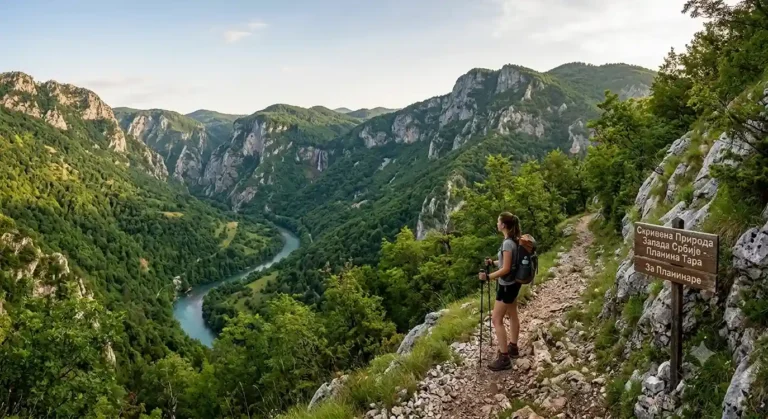
After several days along the coast, it’s time to discover another side of Montenegro. Durmitor National Park offers dramatic mountain landscapes, glacial lakes, dense forests, and some of the country’s best outdoor experiences. This change of scenery highlights just how diverse Montenegro truly is.
One of the park’s best-known attractions is Black Lake, a peaceful destination surrounded by pine forests and walking trails. Depending on your interests and the weather, you can enjoy a gentle lakeside stroll or explore longer hiking routes that showcase the region’s spectacular alpine scenery.
- Admire panoramic mountain landscapes.
- Visit the beautiful Black Lake.
- Choose from easy walks or more challenging hikes.
- Enjoy scenic mountain roads perfect for photography.
If you prefer an organized mountain experience, guided excursions can make it easier to combine Durmitor National Park with Black Lake, Tara Canyon and other northern Montenegro highlights. You can browse Durmitor National Park tours on GetYourGuide and compare departure points, duration and included stops for your travel dates.
Mountain weather can change quickly, even outside winter, so it’s always wise to carry an extra layer and remain flexible if conditions become less favorable.
Why include Durmitor? Many travelers associate Montenegro only with beaches, but the country’s mountains offer equally memorable experiences and create a perfect balance within this Bosnia and Montenegro itinerary.
Day 9: More Montenegro Options
Your final full day offers the flexibility to tailor this Bosnia and Montenegro itinerary to your personal travel style. Rather than following a fixed schedule, choose the experience that best matches your interests, energy level, and the season of your visit.
Option A: Coastal Relaxation
If your ideal holiday includes slow mornings and beautiful sea views, spend the day exploring Montenegro’s Adriatic coastline. Return to your favorite beach, enjoy a leisurely waterfront lunch, or discover smaller coastal villages at your own pace. This option is perfect for travelers who want to end their trip with a relaxing atmosphere.
Option B: Lovćen National Park
Travelers interested in panoramic viewpoints and mountain scenery may prefer a visit to Lovćen National Park. The winding mountain roads and elevated viewpoints provide spectacular views across Montenegro, offering an entirely different perspective from the country’s coastline.
Option C: More Time in Durmitor
Nature enthusiasts and hikers may choose to spend another day in the Durmitor region. Extra time allows for additional walking trails, scenic drives, or simply enjoying the peaceful mountain environment without feeling rushed.
| Option | Best For | Experience |
|---|---|---|
| Coastal Relaxation | Beach lovers, couples, families | Relaxed seaside atmosphere |
| Lovćen National Park | Road trippers and photographers | Mountain viewpoints and scenic roads |
| Durmitor Exploration | Hikers and outdoor enthusiasts | Nature, lakes, and alpine landscapes |
Day 10: Departure Day
Your adventure comes to an end today. Depending on your flight arrangements, departures may be available from Podgorica, Tivat, or even Dubrovnik if your wider Balkan itinerary continues into Croatia. Because border crossings and road conditions can vary, allow extra time before your flight, particularly during the busy summer season.
A relaxed final morning gives you the opportunity to enjoy one last coffee overlooking the Adriatic or take a short walk before heading to the airport.
Best Route Direction: Bosnia to Montenegro or Reverse?
| Route Direction | Advantages |
|---|---|
| Bosnia → Montenegro | A cultural beginning in Sarajevo followed by mountains, then a relaxing finish on the Adriatic coast. |
| Montenegro → Bosnia | Ideal for travelers arriving via coastal airports or combining the trip with Croatia. |
Neither direction is objectively better. The ideal choice depends primarily on flight availability, transportation costs, and whether you plan to continue exploring other Balkan countries.
Best Places to Stay During This Itinerary
Sarajevo
- Old Town: Best for history lovers and first-time visitors.
- City Centre: Convenient transport and shopping.
- Ideal for: Walking, restaurants, and sightseeing.
Mostar
- Stay near the Old Bridge for easy sightseeing.
- Choose quieter neighborhoods for a more peaceful evening.
Kotor
- Inside the Old Town for atmosphere and history.
- Outside the walls for quieter accommodation.
- Bay villages for scenic waterfront stays.
Budva
- Old Town for culture.
- Beach areas for families and summer holidays.
Durmitor Area
- Žabljak is the main base for hiking and outdoor activities.
- Mountain lodges offer peaceful surroundings and easy access to nature.
Because this itinerary includes several overnight stops, booking well-located accommodation can save valuable travel time. You can use Agoda to start comparing accommodation in Sarajevo and then search the platform for Mostar, Kotor, Budva and Žabljak as you build the rest of your itinerary.
Bosnia and Montenegro Budget Guide
Travel costs vary depending on the season, accommodation type, transportation choices, and travel style. Rather than focusing on exact prices, use these general guidelines when planning your budget.
| Travel Style | Accommodation | Transport | Food & Activities |
|---|---|---|---|
| Backpacker | Hostels | Public buses | Local restaurants and free attractions |
| Couple | Private rooms or boutique hotels | Rental car or buses | Mix of sightseeing and dining |
| Family | Apartments | Rental car | Flexible activities and family attractions |
Always compare accommodation options and transportation costs before booking, especially during peak travel periods.
Best Food Experiences Along the Route
One of the highlights of any Bosnia and Herzegovina travel guide is discovering local cuisine.
Bosnia and Herzegovina
- Ćevapi
- Burek
- Traditional Bosnian coffee
Montenegro
- Fresh Adriatic seafood
- Njeguški pršut
- Regional mountain specialties
Look beyond restaurants located directly beside major tourist attractions. Small family-run establishments often provide a more authentic dining experience.
Bosnia and Montenegro for Different Travelers
Couples
Romantic old towns, scenic bays, mountain viewpoints, and boutique accommodation make this an excellent itinerary for couples.
Families
Families benefit from spacious apartments, relaxed beaches, and destinations that combine culture with outdoor activities.
Backpackers
Public buses, hostels, and walkable historic centers help keep costs manageable.
Hikers
Durmitor National Park and Montenegro’s mountain regions provide outstanding opportunities for outdoor adventures.
Common Mistakes to Avoid
- Trying to visit too many destinations.
- Rushing through Mostar.
- Spending only one evening in Kotor.
- Ignoring possible border crossing delays.
- Booking summer accommodation too late.
- Underestimating mountain driving times.
- Not confirming rental car cross-border policies.
- Depending entirely on cards in smaller towns.
- Packing unsuitable footwear.
- Scheduling flights with little buffer time.
Practical Tips for This Bosnia and Montenegro Trip
- Travel at a comfortable pace.
- Reserve coastal accommodation early during summer.
- Carry some cash for smaller businesses.
- Download offline maps before driving.
- Verify border requirements before departure.
- Keep your itinerary flexible.
- Wear comfortable walking shoes.
- Monitor mountain weather conditions.
- Allow extra time for scenic stops.
Final Thoughts: Is This Bosnia and Montenegro Itinerary Worth It?
A Bosnia and Montenegro itinerary is one of the most rewarding introductions to the Balkans. In just ten days, you’ll experience centuries of history, welcoming local culture, dramatic mountain scenery, medieval towns, and the breathtaking Adriatic coastline without needing to rush from one attraction to the next.
For most travelers, ten days provides the ideal balance between sightseeing and relaxation. Renting a car offers the greatest flexibility, particularly for reaching scenic viewpoints and national parks, while public transport remains a practical alternative for those planning ahead.
Instead of trying to see everything, focus on enjoying each destination. Slow travel creates richer experiences, encourages meaningful local interactions, and allows you to appreciate why Bosnia and Herzegovina and Montenegro remain two of the Balkans’ most memorable destinations.