Balkans Travel Budget
| |

Balkans Travel Budget: Real Daily Costs for Backpackers, Couples & Families

Balkans Travel Budget: Real Daily Costs for Backpackers, Couples & Families

Planning a trip to Southeast Europe is exciting, but understanding your Balkans travel budget is one of the most important steps before booking flights or accommodation. The Balkan Peninsula offers a unique combination of historic cities, spectacular mountains, beautiful beaches, charming villages, and delicious local cuisine—all at prices that are often much lower than those found in Western Europe.

That said, there is no single answer to the question of how much a Balkan trip costs. Your total expenses depend on several factors, including which countries you visit, the season you travel, your accommodation preferences, transportation choices, and the type of experiences you want. Spending a week exploring Bosnia and Herzegovina or North Macedonia will generally cost far less than visiting Croatia’s famous Adriatic coast during the peak summer months.

One of the biggest advantages of traveling across the Balkans is flexibility. Backpackers can comfortably travel using hostels, buses, and local restaurants, while couples can enjoy boutique hotels and excellent dining without paying Western European prices. Families also benefit from spacious apartments, affordable groceries, and reasonably priced attractions in many destinations.

Another reason travelers love the region is its incredible diversity. Within a single itinerary, you can explore medieval old towns, hike dramatic mountain landscapes, relax on crystal-clear beaches, visit UNESCO World Heritage Sites, and experience different cultures, cuisines, and traditions—all without crossing huge distances.

However, smart planning still matters. Some destinations become significantly more expensive during summer holidays, especially coastal cities such as Dubrovnik, Split, Budva, and Kotor. Meanwhile, inland countries often remain excellent value throughout most of the year.

This guide focuses on realistic travel planning rather than unrealistic “ultra-cheap” budgets. Instead of promising fixed prices, you’ll learn what different travel styles typically cost, where your money is likely to go, and how to balance comfort with affordability while making the most of your adventure.

In this guide you’ll discover:

  • How much a Balkans trip really costs
  • Daily budget expectations for different traveler types
  • The cheapest and most expensive Balkan destinations
  • Accommodation, food, and transportation costs
  • Country-by-country budget comparisons
  • Money-saving strategies that actually work
  • Hidden travel expenses to prepare for

Quick Answer: How Much Does a Balkans Trip Cost?

The Balkans remain one of Europe’s best-value travel regions, but there is no universal daily budget because costs vary considerably between countries, cities, travel seasons, and personal preferences.

In general:

  • Backpackers can travel comfortably on a relatively low daily budget by staying in hostels, using buses, eating local food, and focusing on free or low-cost attractions.
  • Budget-conscious couples can enjoy private accommodation, restaurant meals, and memorable sightseeing while still spending noticeably less than they would in Western Europe.
  • Mid-range travelers usually find an excellent balance between comfort and affordability, with boutique hotels, rental cars, guided tours, and quality restaurants remaining accessible.
  • Families should plan for larger accommodation, higher transportation expenses, and additional attraction tickets, but apartments and self-catering often keep overall costs reasonable.
  • Luxury travelers can enjoy premium hotels, private transfers, fine dining, and exclusive experiences, although famous coastal destinations may approach Western European prices during peak season.

Overall, the Balkans continue to offer outstanding value for travelers who plan their route carefully, avoid unnecessary expenses, and choose destinations that match their travel style.

🗺️ Plan Your Balkan Trip

Helpful travel resources for hotels, transport, tours, car rental, eSIMs and travel insurance across the Balkans.

Some links may be affiliate links, meaning we may earn a small commission at no extra cost to you.

🏨 Hotels & Stays
Agoda Trip.com
✈️ Flights
Kiwi.com WayAway
🚌 Buses & Trains
GetByBus Omio
🎟️ Tours & Activities
GetYourGuide Viator
📱 eSIM & Internet
Airalo Saily
🛡️ Travel Insurance
SafetyWing VisitorsCoverage
💡 Balkan Trip Guide Tip: Buses are often the easiest budget option between Balkan cities, while renting a car is better for beaches, mountain villages, national parks and hidden viewpoints in countries like Albania, Montenegro, Bosnia, Serbia, Croatia and North Macedonia.

Balkans Travel Budget at a Glance

The following table provides a realistic overview of what different types of travelers can generally expect. These are approximate budget ranges rather than fixed prices, as accommodation rates, transportation costs, and restaurant prices vary by country, season, and destination.

Traveler TypeEstimated Daily BudgetAccommodationFoodTransportTravel Experience
BackpackerLow budget rangeHostels & dormitoriesStreet food & local bakeriesRegional busesSimple but rewarding
Budget CoupleModerate budgetGuesthouses & budget hotelsLocal restaurantsBus & occasional taxiComfortable and flexible
Mid-range CoupleComfortable budgetBoutique hotelsMix of local and upscale diningRental car or busesExcellent value
Family of FourHigher daily budgetApartmentsRestaurants & self-cateringRental car or busesFamily-focused travel
Comfort TravelerPremium budgetLuxury hotels & resortsFine diningPrivate transfers & flightsMaximum comfort
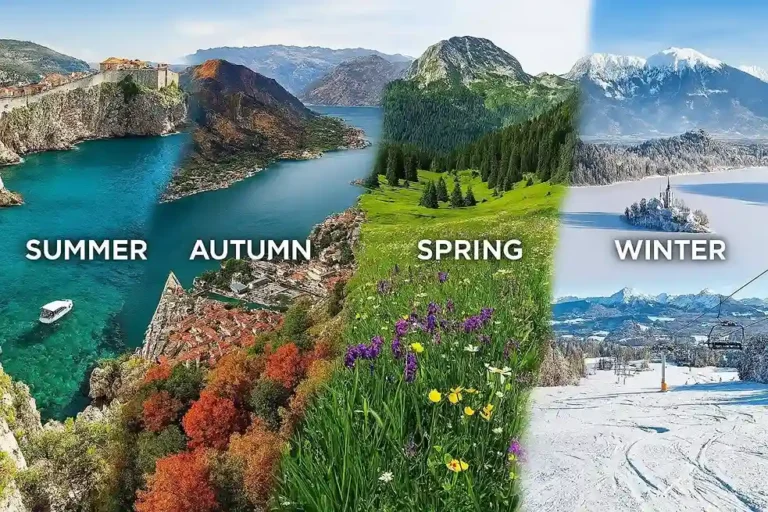
Travel Tip: Summer prices along the Adriatic coast can increase dramatically due to high demand. Visiting during spring or autumn often delivers better value while still offering excellent weather for sightseeing.

Are the Balkans Cheap to Travel?

For most international visitors, the answer is yes. Compared with many destinations in Western Europe, the Balkans provide exceptional value without sacrificing memorable experiences. Travelers often discover that they can enjoy longer trips, better accommodation, and more activities while staying within the same overall budget.

Countries such as Bosnia and Herzegovina, Albania, Serbia, Kosovo, Bulgaria, and North Macedonia consistently rank among Europe’s most affordable destinations. Everyday expenses like local transportation, bakery breakfasts, traditional restaurants, museum tickets, and intercity buses are generally much friendlier to travelers’ wallets than similar services in countries like France, Germany, Switzerland, Austria, or Italy.

However, affordability doesn’t mean every destination is inexpensive. Croatia’s Adriatic coast, Slovenia’s most famous attractions, and Montenegro’s popular seaside towns can become considerably more expensive during the summer holiday season. Accommodation often experiences the largest seasonal increase, while restaurants and popular attractions may also charge premium prices in tourist hotspots.

Capital cities can also cost more than smaller towns because demand is higher, particularly during festivals, major events, and weekends. Nevertheless, many capitals—including Sarajevo, Belgrade, Skopje, Sofia, and Tirana—still offer better overall value than many comparable cities elsewhere in Europe.

Good to Know: A well-planned Balkan itinerary often combines affordable inland destinations with a few premium coastal experiences. This approach helps travelers enjoy iconic locations without dramatically increasing their overall travel budget.

Cheapest Balkan Countries to Visit

One of the biggest advantages of planning a Balkans travel budget is the variety of destinations available at different price levels. While every country has expensive tourist areas and luxury experiences, several Balkan nations remain among the most affordable places to visit anywhere in Europe.

Accommodation, restaurant prices, transportation, and attraction costs differ from one country to another, so understanding these differences can help you build an itinerary that matches your budget without sacrificing memorable experiences.

Albania

Albania has become one of Europe’s fastest-growing travel destinations while still offering excellent value. Outside the busiest parts of the Albanian Riviera during summer, visitors can usually find affordable accommodation, inexpensive local restaurants, and reasonably priced public transportation.

Traditional Albanian meals are filling and budget-friendly, while coastal seafood is often better value than in neighboring Mediterranean destinations. Inland cities such as Berat and Gjirokastër generally offer even better prices than the coast.

Best for: Backpackers, couples, beach lovers, and road trips.


Bosnia and Herzegovina

Bosnia and Herzegovina is widely considered one of the best-value countries in the Balkans. Travelers often find comfortable hotels, authentic restaurants, and historical attractions available at prices that feel refreshingly reasonable compared with much of Europe.

Cities such as Sarajevo and Mostar combine fascinating history with affordable dining, while nature destinations provide outstanding hiking and outdoor experiences without premium entrance fees.

Best for: History lovers, cultural travelers, backpackers, and photographers.


North Macedonia

North Macedonia consistently ranks among the region’s most budget-friendly destinations. Skopje and Ohrid provide excellent accommodation options, affordable traditional restaurants, and inexpensive public transportation.

Lake Ohrid remains one of the country’s highlights, offering beautiful scenery and historic attractions while still providing better overall value than many famous European lakeside destinations.

Best for: Couples, families, slow travelers, and cultural tourism.


Serbia

Serbia offers excellent value throughout much of the country. Belgrade is naturally more expensive than smaller cities, but travelers can still enjoy lively nightlife, quality restaurants, museums, and cafés without spending as much as they would in many Western European capitals.

Outside Belgrade, destinations such as Novi Sad become even more affordable while maintaining excellent infrastructure and visitor services.

Best for: City breaks, digital nomads, backpackers, and food lovers.


Bulgaria

Bulgaria combines low everyday costs with modern infrastructure, making it one of the easiest countries for first-time Balkan travelers. Sofia, Plovdiv, mountain resorts, and many smaller towns remain attractive options for travelers seeking affordable experiences.

Food, transportation, and local accommodation often represent excellent value, especially outside the Black Sea resorts during peak summer.

Best for: Budget travelers, families, mountain lovers, and cultural trips.


Kosovo

Although often overlooked, Kosovo is one of the least expensive destinations in the Balkans. Visitors typically enjoy affordable accommodation, welcoming hospitality, inexpensive cafés, and good-value local restaurants.

Pristina and Prizren are particularly attractive for travelers looking to experience authentic Balkan culture while keeping expenses under control.

Best for: Backpackers, cultural travelers, and off-the-beaten-path adventures.


Montenegro

Montenegro presents a mixed picture. Inland national parks and smaller towns remain relatively affordable, while famous coastal destinations become considerably more expensive during the summer tourist season.

Travelers who visit outside July and August often enjoy dramatically better accommodation prices and a more relaxed atmosphere.

Best for: Nature lovers, coastal road trips, and scenic vacations.


Croatia

Croatia offers some of the Balkans’ most spectacular coastline but also some of its highest travel costs. Dubrovnik, Split, Hvar, and other famous coastal destinations experience heavy seasonal demand that significantly increases accommodation prices.

Inland destinations, shoulder-season travel, and smaller coastal towns generally provide much better value while still delivering an excellent travel experience.

Best for: First-time visitors, island hopping, and luxury coastal holidays.


Slovenia

Slovenia is one of the region’s most developed countries, and prices generally reflect that. Although it is usually more expensive than neighboring Balkan countries, visitors often feel the excellent infrastructure, clean cities, and outstanding outdoor attractions justify the additional cost.

Lake Bled and Ljubljana attract large numbers of visitors, while less-visited regions offer better overall value.

Best for: Outdoor enthusiasts, couples, hiking, and road trips.


Greece (Wider Balkan Region)

Many travelers include Greece in broader Balkan itineraries. Costs vary dramatically depending on the destination. Mainland cities and smaller islands can provide reasonable value, while famous islands and popular beach destinations often become among the most expensive places in Southeast Europe during summer.

Planning carefully and avoiding peak travel periods can make Greece fit comfortably into a broader Balkans itinerary.


Country Comparison at a Glance

CountryBudget LevelCheapest ExperiencesMore Expensive AreasBest For
AlbaniaVery AffordableHistoric towns, local restaurantsAlbanian Riviera (summer)Budget beach trips
Bosnia & HerzegovinaVery AffordableCities, museums, cafésMajor festivalsHistory & culture
North MacedoniaVery AffordableLake Ohrid, traditional foodPeak holiday weekendsRelaxed travel
SerbiaAffordableCities, nightlifeCentral BelgradeCity breaks
BulgariaAffordableHistoric townsBlack Sea resortsFamilies
KosovoVery AffordableCities & cafésLimited premium areasBackpacking
MontenegroModerateNational parksBay of Kotor & BudvaNature trips
CroatiaHigherInland citiesDubrovnik & islandsCoastal vacations
SloveniaHigherNature destinationsLake BledRoad trips
GreeceVaries WidelyMainland regionsPopular islandsExtended itineraries
Budget Planning Tip: Combining lower-cost countries like Albania, Bosnia and Herzegovina, Serbia, or North Macedonia with just a few days in Croatia or Montenegro is one of the best ways to enjoy the highlights of the Balkans while keeping your overall travel expenses under control.

Most Expensive Balkan Countries and Areas

Although the Balkans are widely regarded as one of Europe’s best-value regions, not every destination is inexpensive. Some cities, coastal resorts, and famous tourist attractions experience strong seasonal demand that pushes accommodation prices, restaurant costs, and transportation expenses much higher than visitors expect.

Fortunately, these higher prices are usually concentrated in specific locations and during the busiest travel months. With a little flexibility, travelers can still enjoy many of the Balkans’ most famous destinations while keeping their overall Balkans travel budget under control.

Croatia’s Adriatic Coast

Croatia is easily the most expensive country on many first-time Balkan itineraries, particularly along its spectacular Adriatic coastline. World-famous destinations attract millions of visitors every year, creating intense demand for accommodation throughout the summer.

Cities such as Dubrovnik and Split become especially busy from June through August. Hotels often fill months in advance, while apartments and guesthouses raise their prices considerably during peak season.

Restaurants located inside historic old towns or directly on the waterfront also tend to charge noticeably more than similar establishments only a short walk away. Even parking, ferry tickets, and guided tours may cost substantially more during the busiest weeks of the year.

Money-Saving Tip: Stay outside the historic centers, travel during May, September, or early October, and explore smaller coastal towns instead of spending your entire holiday in Dubrovnik.

Montenegro’s Bay of Kotor and Coastal Resorts

Montenegro remains affordable in many inland regions, but its beautiful coastline tells a different story during summer. The Bay of Kotor has become one of Europe’s fastest-growing cruise and holiday destinations, attracting visitors from around the world.

Popular places such as Kotor, Budva, Tivat, and nearby beach resorts experience significant seasonal price increases. Accommodation is usually the largest expense, although restaurants overlooking the bay and organized excursions may also carry premium prices.

Travelers willing to stay in nearby villages or visit outside the busiest holiday period often find much better value while enjoying the same spectacular scenery.


Slovenia Compared with Neighboring Countries

Slovenia generally has a higher overall cost of living than many other Balkan countries, which naturally influences travel expenses. Visitors often notice that hotels, cafés, restaurants, and transportation are more expensive than in Bosnia and Herzegovina, Serbia, Albania, or North Macedonia.

However, Slovenia also offers excellent infrastructure, outstanding public services, well-maintained hiking trails, and beautiful alpine scenery. Many travelers feel the additional cost is justified by the country’s high quality of tourism facilities.

Popular destinations including Ljubljana and Lake Bled usually command the highest prices, while smaller towns provide more affordable alternatives.


Popular Islands and Tourist Hotspots

Across the Balkans, islands and famous resort towns generally cost more than inland destinations. Croatian islands, Montenegro’s best-known beaches, and Greece’s internationally famous islands often see accommodation prices rise sharply during school holidays and the height of summer.

Demand is highest when families across Europe travel during July and August, meaning visitors who book at the last minute may face limited availability and significantly higher prices.

Even simple expenses such as beach umbrellas, parking, waterfront cafés, and boat excursions can add noticeably to your daily spending in these popular locations.


How to Reduce Costs in Expensive Areas

Fortunately, visiting the Balkans on a reasonable budget doesn’t mean skipping the region’s most famous destinations. A few smart planning decisions can dramatically reduce your overall expenses while allowing you to enjoy the same attractions.

  • Travel during the shoulder seasons of spring or autumn whenever possible.
  • Book accommodation several months ahead if visiting in summer.
  • Choose apartments with kitchens for longer stays.
  • Stay just outside historic city centers where prices are usually lower.
  • Walk instead of relying on taxis in compact old towns.
  • Mix premium destinations with more affordable inland countries.
  • Enjoy local bakeries, cafés, and family-run restaurants instead of tourist-focused venues.
  • Spend fewer nights in the most expensive destinations and more time exploring nearby towns.
Expert Tip: One of the smartest Balkan itineraries combines a few days in Croatia or Montenegro with longer stays in Bosnia and Herzegovina, Albania, Serbia, or North Macedonia. This approach lets you experience the region’s most iconic destinations while maintaining a balanced and realistic travel budget.

What’s Coming in Part 2

  • Accommodation Costs in the Balkans
  • Hostels vs Hotels vs Apartments vs Luxury Hotels
  • Accommodation Comparison Table
  • Food Costs in the Balkans
  • Country-by-country food comparison
  • Transportation Costs (Bus, Train, Rental Cars & Flights)
  • Daily Budget Examples for Backpackers, Couples, Families & Luxury Travelers

Accommodation Costs in the Balkans

Accommodation is usually the largest expense in any Balkans travel budget, but it is also where travelers have the greatest flexibility. Whether you’re backpacking across several countries, planning a romantic getaway, organizing a family vacation, or looking for luxury experiences, the Balkans offer a wide range of lodging options to suit almost every budget.

Unlike many destinations in Western Europe, travelers can often find excellent value without sacrificing comfort. Family-run guesthouses, modern apartments, boutique hotels, and hostels are widely available throughout the region. However, accommodation prices vary significantly depending on the country, season, and location.

The biggest price differences usually appear in famous coastal destinations such as Dubrovnik, Split, Budva, Kotor, and parts of the Albanian Riviera during the summer months. In contrast, inland cities and smaller towns generally remain affordable throughout most of the year.

Quick Tip: Booking your accommodation several months in advance for summer travel can make a noticeable difference to your overall Balkans trip cost. Early reservations often provide more choices and better value.

Hostels

Hostels remain the most popular accommodation choice for backpackers and solo travelers exploring the Balkans. Most major cities have modern hostels offering clean dormitories, private rooms, communal kitchens, and comfortable common areas where travelers can meet people from around the world.

Besides saving money, hostels often provide practical travel advice, walking tours, pub crawls, and opportunities to find travel companions for buses or road trips. Many also include shared kitchens, allowing visitors to reduce food expenses by preparing simple meals.

Cities with particularly strong hostel scenes include:

  • Belgrade
  • Sarajevo
  • Mostar
  • Skopje
  • Sofia
  • Tirana
  • Zagreb
  • Ljubljana

Private hostel rooms are also becoming increasingly popular among couples looking for affordable accommodation while enjoying hostel facilities and social activities.

Best For: Backpackers, solo travelers, digital nomads, and anyone planning an affordable Balkans daily budget.

Budget Hotels and Guesthouses

Budget hotels and locally owned guesthouses provide one of the best value-for-money options across the Balkans. Travelers usually enjoy private bathrooms, comfortable beds, air conditioning, and central locations without paying premium hotel prices.

Family-operated guesthouses are especially common in Albania, Bosnia and Herzegovina, Montenegro, Serbia, and North Macedonia. Many owners provide local recommendations, homemade breakfasts, and personalized hospitality that large hotel chains cannot match.

Compared with many Western European destinations, private accommodation in the Balkans often offers considerably better value. Couples can frequently stay in clean, comfortable rooms close to historic centers while maintaining a moderate travel budget.

Outside the busiest tourist districts, budget hotels remain one of the smartest choices for travelers seeking comfort without unnecessary luxury.

Money-Saving Tip: Look for accommodation located 10–20 minutes’ walk from the historic center. Prices are often noticeably lower while attractions remain easily accessible on foot.

Apartments and Vacation Rentals

Apartments have become one of the most popular accommodation choices throughout the Balkans, especially for families, groups of friends, and travelers staying several nights in the same destination.

Many apartments include fully equipped kitchens, washing machines, dining areas, balconies, and multiple bedrooms. These features not only improve comfort but also help reduce overall travel expenses by allowing guests to cook some meals instead of eating at restaurants every day.

Vacation rentals are particularly common along the Adriatic coast, around Lake Ohrid, throughout Slovenia, and in many historic Balkan cities. Larger apartments frequently provide excellent value compared with booking multiple hotel rooms for families.

When comparing options, travelers should also consider parking availability, public transportation access, and walking distance to major attractions rather than focusing only on the nightly price.

Ideal For: Families, longer stays, remote workers, self-catering holidays, and travelers looking to reduce their Balkan travel expenses.

Luxury Accommodation

Luxury travel is increasingly popular throughout the Balkans. Boutique hotels, restored historic buildings, mountain lodges, wine resorts, and five-star seaside properties provide memorable experiences that are often more affordable than equivalent hotels in Western Europe.

Croatia’s Adriatic coast, Slovenia’s alpine resorts, Montenegro’s Bay of Kotor, and selected Greek destinations offer some of the region’s finest luxury accommodation. These properties typically include premium facilities such as wellness centers, spas, gourmet restaurants, private beaches, rooftop pools, and panoramic views.

Although luxury hotels naturally increase your overall Balkans travel budget, many visitors are pleasantly surprised by the quality they receive compared with similarly priced hotels elsewhere in Europe.

The exception is peak summer, when demand rises sharply and luxury accommodation in popular coastal destinations can approach prices found in Italy or southern France.


Accommodation Comparison

Accommodation TypeBudget LevelBest ForMain AdvantagesThings to Consider
HostelsLowestBackpackers & solo travelersAffordable, social atmosphere, shared kitchensLess privacy
Budget HotelsModerateCouplesPrivate rooms and convenient locationsFacilities vary
GuesthousesModerateCouples & familiesLocal hospitality and excellent valueAvailability may be limited
ApartmentsModerateFamilies & long staysKitchen, extra space, self-cateringCleaning fees may apply
Luxury HotelsHighestComfort travelersPremium amenities and servicePeak-season prices rise significantly
Accommodation Planning Advice: Rather than choosing the cheapest place available, consider the total value. A slightly more expensive apartment with a kitchen, free parking, or breakfast included may reduce your overall daily expenses more than a lower nightly rate.

Food Costs in the Balkans

Food is one of the highlights of traveling through the Balkans, and fortunately, it is also one of the easiest areas where visitors can manage their Balkans travel budget. Whether you enjoy traditional restaurants, lively food markets, bakeries, or fresh seafood, the region offers excellent value compared with many destinations in Western Europe.

One of the biggest advantages is the variety of dining options. Travelers can enjoy inexpensive local bakeries for breakfast, authentic family-run restaurants for lunch, and high-quality regional cuisine for dinner without dramatically increasing their daily travel expenses. Even in countries where accommodation prices rise during summer, food often remains reasonably priced away from the busiest tourist streets.

Another advantage is the abundance of fresh local ingredients. Seasonal vegetables, grilled meats, homemade bread, seafood, cheeses, and locally produced wine are common throughout the region, making dining both enjoyable and affordable.

Travel Tip: Restaurants located just a few streets away from famous squares or waterfront promenades often serve the same traditional dishes at noticeably better prices.

Bosnia and Herzegovina

Bosnian cuisine is famous for generous portions, comforting flavors, and excellent value. Traditional restaurants remain popular with both locals and visitors, making them a smart choice for travelers looking to experience authentic food without overspending.

Some of the country’s best-known dishes include:

  • Ćevapi served with fresh flatbread
  • Burek filled with meat, cheese, or spinach
  • Bosnian coffee served in traditional copper sets
  • Slow-cooked meat specialties
  • Fresh local desserts

Sarajevo’s historic Baščaršija district is an excellent place to sample local cuisine, although restaurants a short walk away often provide even better value.


Serbia

Serbia is well known for hearty grilled dishes, generous portions, and vibrant café culture. Visitors rarely struggle to find affordable meals, especially outside the main tourist districts of Belgrade.

Popular choices include grilled meats, traditional stews, local pastries, and freshly baked bread from neighborhood bakeries. These bakeries are particularly useful for travelers following a backpacking Balkans budget, offering quick breakfasts and inexpensive snacks throughout the day.


Albania

Albanian cuisine combines Mediterranean and Balkan influences, creating delicious meals that remain relatively affordable in most parts of the country.

Fresh seafood is widely available along the coast, while inland restaurants specialize in grilled meats, local cheeses, homemade bread, and seasonal vegetables. Outside the busiest summer beach resorts, travelers often enjoy surprisingly good value for high-quality meals.


Montenegro and Croatia

The Adriatic coast offers some of the finest seafood in Southeast Europe, but prices vary considerably depending on the location and season.

Restaurants overlooking the sea naturally charge premium prices, especially in Dubrovnik, Split, Budva, and Kotor during summer. However, family-run restaurants located slightly inland frequently offer similar dishes with more reasonable prices and a more authentic atmosphere.

Travelers visiting outside peak season generally benefit from lower restaurant prices and shorter waiting times.


Bulgaria

Bulgaria continues to offer excellent value for food lovers. Traditional taverns, local cafés, and neighborhood restaurants serve generous meals featuring grilled meats, fresh salads, yogurt-based dishes, and regional specialties.

Markets also provide affordable fresh fruit, vegetables, pastries, and dairy products, making self-catering an attractive option for families and longer stays.


North Macedonia

North Macedonia is another destination where travelers can enjoy authentic cuisine without significantly increasing their Balkans daily budget.

Traditional restaurants around Skopje and Lake Ohrid serve grilled meats, fresh salads, baked specialties, and local wines at prices that remain attractive for both backpackers and families.


Food Comparison Across the Balkans

CountryAffordable Meal OptionsMid-Range DiningMoney-Saving Tip
Bosnia & HerzegovinaĆevapi, burek, bakeriesTraditional restaurantsEat outside tourist squares
SerbiaBakeries, grilled foodLocal tavernsChoose neighborhood cafés
AlbaniaTraditional dishesSeafood restaurantsAvoid beachfront dining every meal
MontenegroLocal grillsCoastal seafoodEat inland when possible
CroatiaBakeries and konobasSeafood restaurantsReserve restaurants early in summer
BulgariaTraditional tavernsRegional cuisineShop at local markets
North MacedoniaTraditional restaurantsLakeside diningTry daily lunch specials
Budget Tip: Choosing accommodation with a kitchen allows families and long-term travelers to prepare breakfast or a few dinners themselves, reducing overall travel expenses while still enjoying local restaurants throughout the trip.

Transportation Costs in the Balkans

Transportation is another major factor affecting your Balkans trip cost. Fortunately, moving between Balkan countries is generally straightforward, with buses forming the backbone of regional travel. Depending on your itinerary, trains, rental cars, ferries, and low-cost flights may also be useful options.

Choosing the right form of transport depends on your route, travel style, group size, and available time. Backpackers often rely on buses, families may benefit from rental cars, while travelers covering longer distances sometimes combine flights with local public transportation.

In the next section, we’ll compare buses, trains, rental cars, ferries, and flights in detail and explain when each option offers the best value for your Balkans travel budget.


Bus Travel

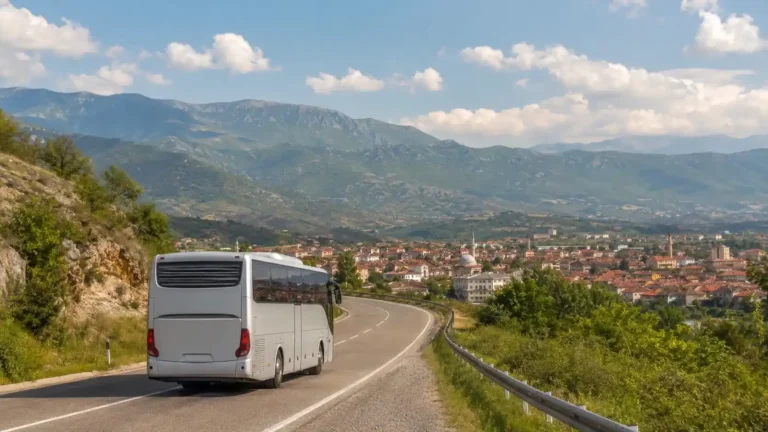
For most travelers, buses are the backbone of transportation across the Balkans. They connect nearly every major city, small town, coastal resort, and mountain destination, making them the most practical choice for both backpackers and budget-conscious travelers.

Many international routes operate daily between neighboring countries, allowing visitors to travel from Serbia to Bosnia and Herzegovina, Montenegro to Albania, or North Macedonia to Bulgaria without needing a rental car.

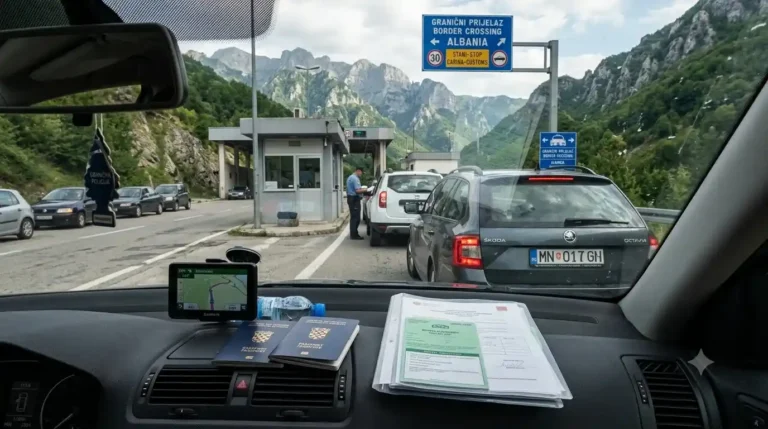
While buses are generally reliable, border crossings can affect journey times. During busy summer weekends or holiday periods, waiting at international borders may add extra travel time, so it’s wise to avoid planning tight connections.

Travelers should also check luggage policies before departure. Some operators include checked baggage in the ticket, while others charge a small additional fee for larger suitcases.

Booking Tip: Popular summer routes often sell out in advance, especially those connecting Croatia, Montenegro, and Albania. Booking early provides more departure choices and may reduce travel stress.

Train Travel

Although train travel exists in several Balkan countries, it is generally less extensive than the regional bus network. Rail services work well for selected domestic routes, but they are not always the fastest option for international travel.

Countries such as Serbia, Croatia, Bulgaria, and Slovenia offer useful rail connections between some major cities. However, travelers planning multi-country itineraries should not assume that every neighboring country has convenient international train services.

Despite these limitations, train journeys can be enjoyable, particularly on scenic routes through mountains, valleys, and rural landscapes. Travelers who value comfort and beautiful views often find rail travel a relaxing alternative whenever suitable connections are available.

Best For: Scenic journeys, relaxed travel days, and selected domestic routes where rail connections are well established.

Rental Cars

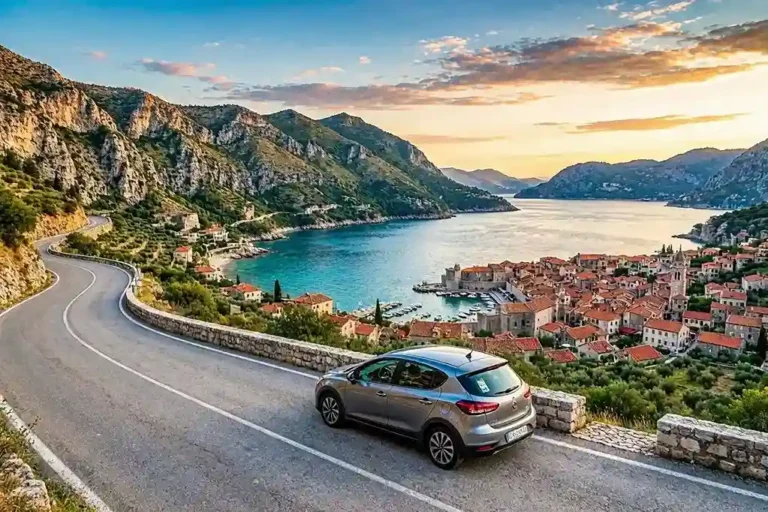
Hiring a car provides maximum flexibility, especially for travelers hoping to explore national parks, mountain villages, wineries, coastal viewpoints, and destinations with limited public transportation.

A rental car becomes particularly valuable for families, photographers, and road trip enthusiasts who want to travel at their own pace without depending on bus schedules.

However, driving across several Balkan countries requires additional planning. Some rental companies charge extra fees for cross-border travel, while insurance conditions, toll roads, parking regulations, and fuel costs should all be reviewed before booking.

Historic city centers frequently have limited parking, pedestrian-only zones, or paid parking systems. Visitors staying outside old towns often find parking much easier and less expensive.

Important: Always confirm with your rental company whether border crossings between Balkan countries are permitted before collecting your vehicle.

Flights

Flights are generally less important than buses for regional travel because many Balkan destinations are relatively close together. For shorter routes, airport transfers, security procedures, and waiting times may outweigh the time saved in the air.

That said, low-cost airlines can be useful for connecting major cities or reaching the Balkans from elsewhere in Europe. Travelers combining a longer European itinerary sometimes choose to fly into one Balkan country and depart from another, avoiding unnecessary backtracking.

When comparing transportation options, remember to include airport transfers, baggage fees, and arrival times rather than looking only at the ticket price.


Choosing the Best Transportation Option

TransportBest ForAdvantagesThings to Consider
BusMost travelersExcellent regional coverage and flexibilityBorder delays and luggage policies
TrainScenic domestic travelComfortable and relaxingLimited international network
Rental CarFamilies & road tripsMaximum flexibilityParking, tolls, insurance, border rules
FlightsLonger distancesFast for selected routesAirport transfers and baggage fees

Daily Budget Examples by Traveler Type

Every traveler spends differently, but understanding typical spending patterns makes it much easier to build a realistic Balkans travel budget. The examples below are intended as planning guides rather than fixed daily costs. Your actual expenses will depend on the countries you visit, the season, your accommodation choices, and your preferred travel style.

Backpacker Balkans Budget

Backpackers usually focus on hostels, local bakeries, supermarkets, affordable restaurants, buses, and free walking tours. They often spend more time exploring nature, historic neighborhoods, hiking trails, and public viewpoints than visiting expensive attractions every day.

  • Hostel accommodation
  • Local bakeries and casual restaurants
  • Regional buses
  • Free walking tours
  • Occasional museum visits or guided activities

Couple Balkans Budget

Couples often choose private rooms, boutique guesthouses, comfortable hotels, and a mixture of traditional restaurants and special dining experiences. Many also include organized tours, wine tastings, boat trips, or scenic excursions in their itinerary while maintaining a moderate overall budget.

  • Private accommodation
  • Restaurant meals
  • Comfortable transportation
  • Guided tours and cultural attractions
  • Occasional premium experiences

Family Balkans Budget

Families usually benefit from apartment rentals that provide additional space and kitchen facilities. Preparing some meals at home while enjoying local restaurants on selected days helps balance comfort with affordability.

  • Family apartments
  • Self-catering breakfasts
  • Rental cars or public transport
  • Child-friendly attractions
  • Flexible sightseeing schedules

Luxury Balkans Budget

Luxury travelers typically stay in boutique hotels or premium resorts, enjoy fine dining, private transfers, exclusive excursions, wellness experiences, and customized itineraries. Even though luxury travel naturally increases overall costs, the Balkans often provide exceptional value compared with many luxury destinations elsewhere in Europe.

Coming Next in Part 3:

  • Country-by-Country Daily Travel Budget Guide
  • 7-Day and 2-Week Balkans Trip Cost Examples
  • Best Money-Saving Tips
  • Hidden Costs Travelers Forget
  • Best Time to Visit the Balkans on a Budget
  • Backpackers vs Families Comparison
  • Sample Budget-Friendly Itineraries
  • Common Budget Mistakes to Avoid
  • Final Thoughts + Meta Description + Slug + SEO Tags + Featured Image Prompt

Country-by-Country Daily Travel Budget Guide

One of the reasons planning a Balkans travel budget can feel challenging is that every country has its own price level. While neighboring destinations may appear similar on a map, accommodation, transportation, food, and attraction costs can vary noticeably from one border to the next.

The following overview explains what travelers can generally expect in each major Balkan destination. Instead of focusing on exact prices—which frequently change depending on season and demand—these guides highlight relative costs and practical budgeting advice.


Albania Travel Budget

Albania continues to rank among the best-value destinations in Europe. Outside the busiest weeks of summer, travelers can usually enjoy comfortable accommodation, affordable restaurants, and inexpensive transportation throughout much of the country.

Tirana offers a wide range of hotels, cafés, museums, and nightlife suitable for every budget. Historic UNESCO towns such as Berat and Gjirokastër remain excellent choices for travelers seeking authentic experiences without premium tourist prices.

Along the Albanian Riviera, destinations including Sarandë, Himarë, and Ksamil become considerably busier during July and August. Accommodation is typically the expense most affected by seasonal demand.

Accommodation expectations:

  • Excellent value in most inland cities
  • Higher prices on the Riviera during summer
  • Wide range of apartments and guesthouses

Food expectations:

  • Affordable traditional restaurants
  • Fresh seafood along the coast
  • Excellent local cafés and bakeries

Transport considerations:

  • Intercity buses connect most destinations
  • Rental cars work well for coastal road trips

Budget-saving advice:

  • Visit the Riviera during spring or autumn.
  • Stay in Berat or Gjirokastër between beach destinations.
  • Choose family-run guesthouses whenever possible.

Montenegro Travel Budget

Montenegro offers dramatic mountain scenery and one of Europe’s most beautiful coastlines. However, travel costs vary significantly depending on whether you stay inland or along the Adriatic coast.

Kotor and Budva become much more expensive during peak summer, while Durmitor National Park and many northern regions remain comparatively affordable throughout the year.

Accommodation expectations:

  • Higher prices around Kotor Bay
  • Good value in mountain regions
  • Apartments are widely available

Food expectations:

  • Seafood dominates coastal menus
  • Traditional mountain cuisine offers better value

Transport considerations:

  • Buses connect major destinations
  • Rental cars provide greater flexibility

Budget-saving advice:

  • Spend fewer nights on the coast.
  • Explore Durmitor and inland villages.
  • Book coastal accommodation early.

Bosnia and Herzegovina Travel Budget

Bosnia and Herzegovina consistently delivers some of the best value in the Balkans. Visitors often enjoy comfortable accommodation, delicious food, and fascinating history while spending far less than in many neighboring countries.

Sarajevo combines museums, Ottoman architecture, and vibrant cafés with affordable hotels, while Mostar offers one of the region’s most iconic historic centers.

Accommodation expectations:

  • Excellent value hotels
  • Affordable guesthouses
  • Many family-run properties

Food expectations:

  • Traditional Bosnian cuisine
  • Large portions
  • Excellent cafés

Transport considerations:

  • Reliable buses
  • Some scenic train routes

Budget-saving advice:

  • Walk between attractions.
  • Eat in neighborhood restaurants.
  • Combine Sarajevo with nearby nature destinations.

Serbia Travel Budget

Serbia offers an excellent balance between affordability and modern city life. Belgrade naturally costs more than smaller towns, but travelers still receive very good value compared with many European capitals.

Novi Sad, Niš, and other regional cities remain particularly attractive for travelers following a moderate or budget-friendly itinerary.

Accommodation expectations:

  • Wide hotel selection
  • Budget-friendly apartments
  • Modern hostels

Food expectations:

  • Grilled specialties
  • Affordable bakeries
  • Traditional restaurants

Transport considerations:

  • Good bus network
  • Useful rail services on selected routes

Budget-saving advice:

  • Stay outside Belgrade’s busiest districts.
  • Use public transport instead of taxis.
  • Take advantage of free city attractions.

Bulgaria Travel Budget

Bulgaria remains one of the region’s strongest value destinations thanks to affordable cities, mountain resorts, and cultural attractions. Sofia and Plovdiv provide excellent options for travelers seeking comfortable trips without excessive spending.

The Black Sea coast becomes busier during summer but still offers better value than many Adriatic destinations.

Accommodation expectations:

  • Affordable hotels
  • Family guesthouses
  • Good apartment availability

Food expectations:

  • Traditional taverns
  • Fresh local produce
  • Excellent bakery culture

Transport considerations:

  • Reliable buses
  • Domestic rail connections

Budget-saving advice:

  • Visit outside school holidays.
  • Use local restaurants.
  • Explore smaller Black Sea towns.
Planning Tip: Combining Albania, Bosnia and Herzegovina, Serbia, and Bulgaria in a single itinerary usually creates one of the best-value Balkan trips while offering an outstanding mix of culture, history, mountains, and local cuisine.

North Macedonia Travel Budget

North Macedonia is one of the most affordable countries in Southeast Europe and an excellent choice for travelers looking to maximize their Balkans travel budget. The country combines historic cities, scenic lakes, mountain landscapes, and welcoming hospitality while remaining accessible for backpackers, couples, and families alike.

Skopje offers a mixture of historic landmarks, museums, modern cafés, and lively public squares, while Lake Ohrid provides one of Europe’s most beautiful lakeside destinations without the premium prices found in many famous tourist resorts.

Accommodation expectations:

  • Excellent value hotels and guesthouses
  • Affordable apartments around Lake Ohrid
  • Modern hostels for backpackers

Food expectations:

  • Traditional Balkan cuisine
  • Fresh local produce
  • Affordable restaurants throughout the country

Transport considerations:

  • Reliable intercity buses
  • Affordable taxis within cities
  • Rental cars suitable for exploring rural areas

Budget-saving advice:

  • Spend several nights around Lake Ohrid instead of rushing through.
  • Eat at locally owned restaurants.
  • Visit during spring or autumn for excellent weather and lower accommodation demand.

Croatia Travel Budget

Croatia is often the most expensive stop on a first-time Balkan itinerary, particularly along its Adriatic coastline. While the country offers world-class beaches, historic cities, and beautiful islands, travelers should expect noticeably higher expenses during the summer months.

Dubrovnik and Split attract millions of visitors every year, leading to higher accommodation prices, busy attractions, and increased restaurant costs. Zagreb generally offers better value than the coast, while smaller inland towns remain considerably more affordable.

Accommodation expectations:

  • Premium prices in Dubrovnik and Split during summer
  • Better value in Zagreb and inland regions
  • Large selection of apartments and boutique hotels

Food expectations:

  • Traditional konobas offer authentic meals
  • Seafood restaurants dominate the coast
  • Tourist hotspots charge higher prices

Transport considerations:

  • Excellent bus connections
  • Domestic ferries link the islands
  • Rental cars are useful for coastal road trips

Budget-saving advice:

  • Visit during May, September, or October.
  • Stay outside the Old Town in Dubrovnik.
  • Explore inland Croatia between coastal destinations.

Slovenia Travel Budget

Slovenia generally has higher travel costs than many neighboring Balkan countries, but it also offers excellent infrastructure, clean cities, efficient transportation, and spectacular alpine scenery.

Ljubljana is compact and easy to explore on foot, while Lake Bled remains one of Central Europe’s most iconic destinations. Although prices are higher than in Bosnia and Herzegovina or Serbia, many travelers feel the overall quality of the experience justifies the additional cost.

Accommodation expectations:

  • Modern hotels
  • Comfortable apartments
  • Boutique guesthouses

Food expectations:

  • High-quality local cuisine
  • Mountain restaurants
  • Excellent cafés and bakeries

Transport considerations:

  • Well-maintained road network
  • Reliable trains and buses
  • Easy self-driving routes

Budget-saving advice:

  • Stay longer in Ljubljana instead of moving every day.
  • Choose accommodations outside Lake Bled during peak season.
  • Take advantage of hiking and outdoor activities that cost little.

How Much Does a 7-Day Balkans Trip Cost?

A one-week itinerary is one of the most popular ways to experience the Balkans, especially for first-time visitors. While the exact Balkans itinerary cost depends on the countries you choose, the season, and your travel style, these examples provide realistic expectations without relying on fixed prices.

Budget Backpacker 7-Day Trip

Backpackers can comfortably enjoy a week in the Balkans by focusing on affordable destinations, staying in hostels, and using regional buses instead of flights.

  • Hostel accommodation
  • Breakfast from local bakeries
  • Traditional restaurants for lunch or dinner
  • Regional buses between cities
  • Free walking tours and public attractions
  • Occasional museum visits or guided tours

Countries such as Albania, Bosnia and Herzegovina, Serbia, Kosovo, Bulgaria, and North Macedonia provide particularly good value for this style of travel.


Comfortable Couple 7-Day Trip

Couples usually enjoy a more relaxed pace, combining boutique hotels, local restaurants, scenic excursions, and cultural attractions. This travel style balances comfort with affordability and represents one of the best ways to experience the Balkans.

  • Private hotel or guesthouse
  • Daily restaurant meals
  • Occasional wine tasting or boat tour
  • Comfortable bus or rental car travel
  • Historic sites and guided experiences

Combining destinations such as Sarajevo, Mostar, Kotor, and Tirana creates a memorable itinerary without requiring a luxury budget.


Family 7-Day Trip

Families benefit from apartment accommodation, flexible schedules, and self-catering facilities that help manage daily expenses while keeping everyone comfortable.

  • Apartment or vacation rental
  • Mix of restaurant meals and home cooking
  • Rental car for flexibility
  • Family-friendly attractions
  • Beach days, parks, and museums

Choosing fewer destinations and spending multiple nights in each location usually provides a better experience than changing hotels every day.

Planning Advice: Your total trip cost depends more on your route than the number of travel days. A week spent in Bosnia and Herzegovina, Serbia, and North Macedonia will usually cost much less than a week focused on Croatia’s Adriatic coast during peak summer.

How Much Does a 2-Week Balkans Trip Cost?

Two weeks allow travelers to experience multiple countries while maintaining a slower and more enjoyable pace. Instead of rushing through the region, visitors can spend enough time exploring historic cities, national parks, beaches, and cultural landmarks.

Backpacker Example

A two-week backpacking route often combines hostels, buses, free attractions, and affordable restaurants across several countries. Albania, Bosnia and Herzegovina, Serbia, Bulgaria, and North Macedonia offer particularly strong value for longer trips.

Couple Example

Couples frequently choose boutique hotels, comfortable guesthouses, rental cars for scenic drives, and a mixture of city sightseeing and outdoor activities. Staying longer in each destination helps reduce transportation costs while creating a more relaxed itinerary.

Family Example

Families usually enjoy the best balance of comfort and affordability by renting apartments, preparing some meals, and limiting long travel days between destinations.

Popular two-week routes include:

  • Croatia → Bosnia and Herzegovina → Montenegro
  • Albania → Montenegro
  • Serbia → Bosnia and Herzegovina → Montenegro
  • Bulgaria → North Macedonia → Albania

Each itinerary offers a different balance between coastal scenery, mountain landscapes, historic cities, and overall travel costs. Selecting destinations that match your interests is often more important than trying to visit as many countries as possible.


Best Money-Saving Tips for the Balkans

One of the biggest advantages of planning a smart Balkans travel budget is that small decisions can make a significant difference to your overall trip cost. Unlike many expensive European destinations, travelers in the Balkans have plenty of opportunities to reduce expenses without sacrificing memorable experiences.

  • Travel during the shoulder season. Spring and autumn usually offer pleasant weather, fewer crowds, and better accommodation prices.
  • Use regional buses instead of flights. Most Balkan cities are well connected by bus, making this one of the most economical transportation options.
  • Stay outside famous Old Towns. Accommodation just a short walk from historic centers is often noticeably cheaper.
  • Eat where locals eat. Family-owned restaurants, neighborhood cafés, and bakeries typically provide more authentic food and better value.
  • Book apartments for longer stays. Having access to a kitchen helps reduce food expenses while providing additional comfort.
  • Walk whenever possible. Historic centers are usually compact and easy to explore on foot.
  • Reserve summer accommodation early. Coastal destinations become much more expensive closer to arrival dates.
  • Visit free attractions. Public viewpoints, beaches, hiking trails, parks, and historic neighborhoods often provide unforgettable experiences without admission fees.
  • Join free walking tours. Many Balkan cities offer excellent introductory tours led by knowledgeable local guides.
  • Travel slower. Spending several nights in each destination reduces transportation costs and creates a more enjoyable travel experience.

Hidden Costs Travelers Often Forget

Even carefully planned trips can include unexpected expenses. Preparing for these additional costs helps avoid surprises and keeps your Balkan travel expenses under control.

  • Tourist taxes charged by some accommodations.
  • Luggage fees on regional buses or budget airlines.
  • Long border crossings that affect travel schedules.
  • Airport transfers.
  • Parking fees in historic city centers.
  • Beach umbrellas and sunbeds during summer.
  • Museum and attraction entrance tickets.
  • SIM cards or eSIM packages.
  • ATM withdrawal fees.
  • Currency exchange commissions.
  • Travel insurance.
  • Road tolls when driving.
Budget Reminder: These smaller expenses may seem minor individually, but together they can noticeably increase your overall trip cost if you don’t include them in your travel planning.

Best Time to Visit the Balkans on a Budget

Spring

Spring is one of the best seasons for affordable Balkans travel. Mild temperatures, blooming landscapes, and relatively low visitor numbers make sightseeing comfortable while accommodation prices remain attractive in many destinations.

Summer

Summer brings excellent beach weather but also the region’s highest travel costs. Coastal destinations such as Dubrovnik, Split, Budva, Kotor, and parts of the Albanian Riviera experience heavy demand, making advance booking essential.

Autumn

Autumn combines pleasant weather with reduced crowds and often represents the best balance between price and travel experience. Many travelers consider September and early October ideal for exploring both coastal and inland destinations.

Winter

Winter is generally the least expensive season for city breaks in much of the Balkans. While beach destinations become quieter, cities, museums, Christmas markets, and mountain resorts offer different experiences at lower accommodation prices.


Is the Balkans Better for Backpackers or Families?

Traveler TypeMain AdvantagesRecommended Countries
BackpackersHostels, buses, affordable food, social atmosphereBosnia, Serbia, Albania, North Macedonia
CouplesBoutique hotels, scenic road trips, cultural experiencesCroatia, Montenegro, Slovenia, Albania
FamiliesApartments, beaches, national parks, flexible travelBulgaria, Albania, Croatia, Slovenia

Sample Budget-Friendly Balkan Itineraries

10-Day Budget Route

Serbia → Bosnia and Herzegovina → Montenegro

This route combines vibrant cities, historic landmarks, mountain scenery, and Adriatic views while maintaining an excellent balance between affordability and variety.

10-Day Coastal Route

Albania → Montenegro

Perfect for travelers who want beaches, charming coastal towns, and scenic drives without focusing exclusively on higher-priced destinations.

14-Day First-Time Balkans Route

Croatia → Bosnia and Herzegovina → Montenegro → Albania

One of the most rewarding itineraries for first-time visitors, combining UNESCO cities, beautiful coastlines, mountain landscapes, and excellent cultural diversity while balancing premium and affordable destinations.


Common Budget Mistakes to Avoid

  • Visiting Dubrovnik during peak summer without booking accommodation early.
  • Assuming every Balkan country has similar prices.
  • Booking last-minute coastal hotels in July and August.
  • Ignoring travel distances between destinations.
  • Trying to visit too many countries in one trip.
  • Using taxis instead of public transportation whenever possible.
  • Eating exclusively in tourist areas.
  • Not carrying some local currency for smaller businesses.
  • Forgetting seasonal price increases.
  • Choosing expensive city centers without comparing nearby neighborhoods.

Final Thoughts: Planning Your Balkans Travel Budget

Planning a successful Balkans travel budget is about more than finding the lowest prices—it’s about making informed choices that match your travel style. The Balkans remain one of Europe’s most rewarding regions, offering incredible landscapes, fascinating history, welcoming locals, and excellent food without the high costs often associated with Western Europe.

Backpackers can travel comfortably using hostels and buses, couples can enjoy memorable holidays with boutique accommodation and authentic restaurants, while families benefit from spacious apartments and excellent value across much of the region.

The most affordable trip is not always the best one. Instead, aim for a balance between comfort, location, season, and experiences. Spending a little more on a well-located apartment, an unforgettable boat trip, or a guided historical tour can often provide much greater value than simply choosing the cheapest option available.

With careful planning, flexible travel dates, and realistic expectations, the Balkans continue to offer one of Europe’s best combinations of affordability, diversity, and unforgettable adventures.