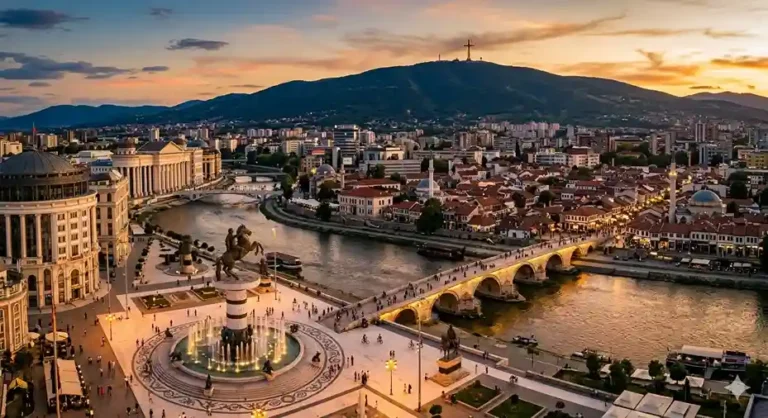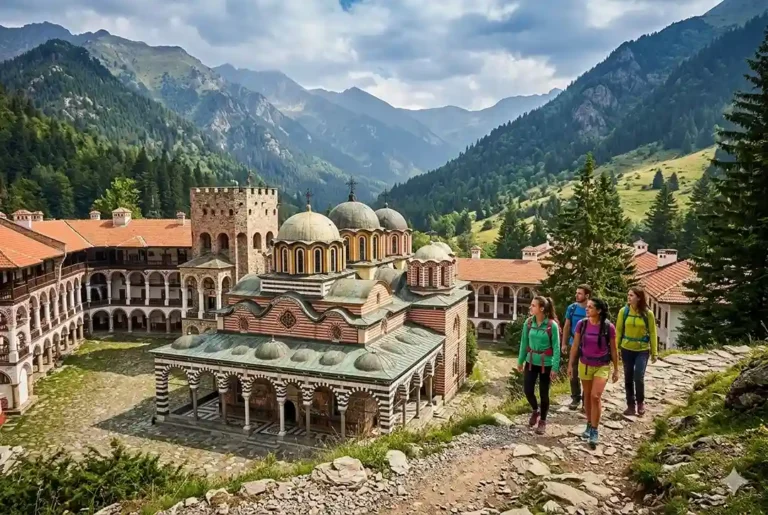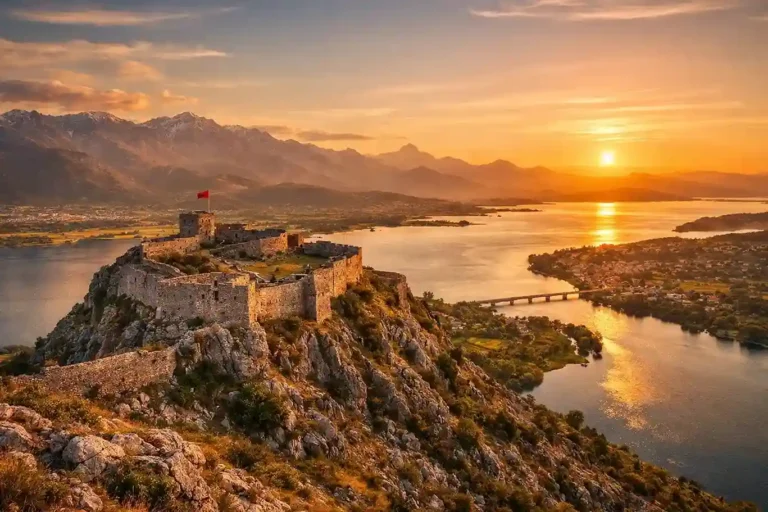
Croatia Bosnia Montenegro Itinerary: The Perfect 10-Day Adriatic-Balkan Route

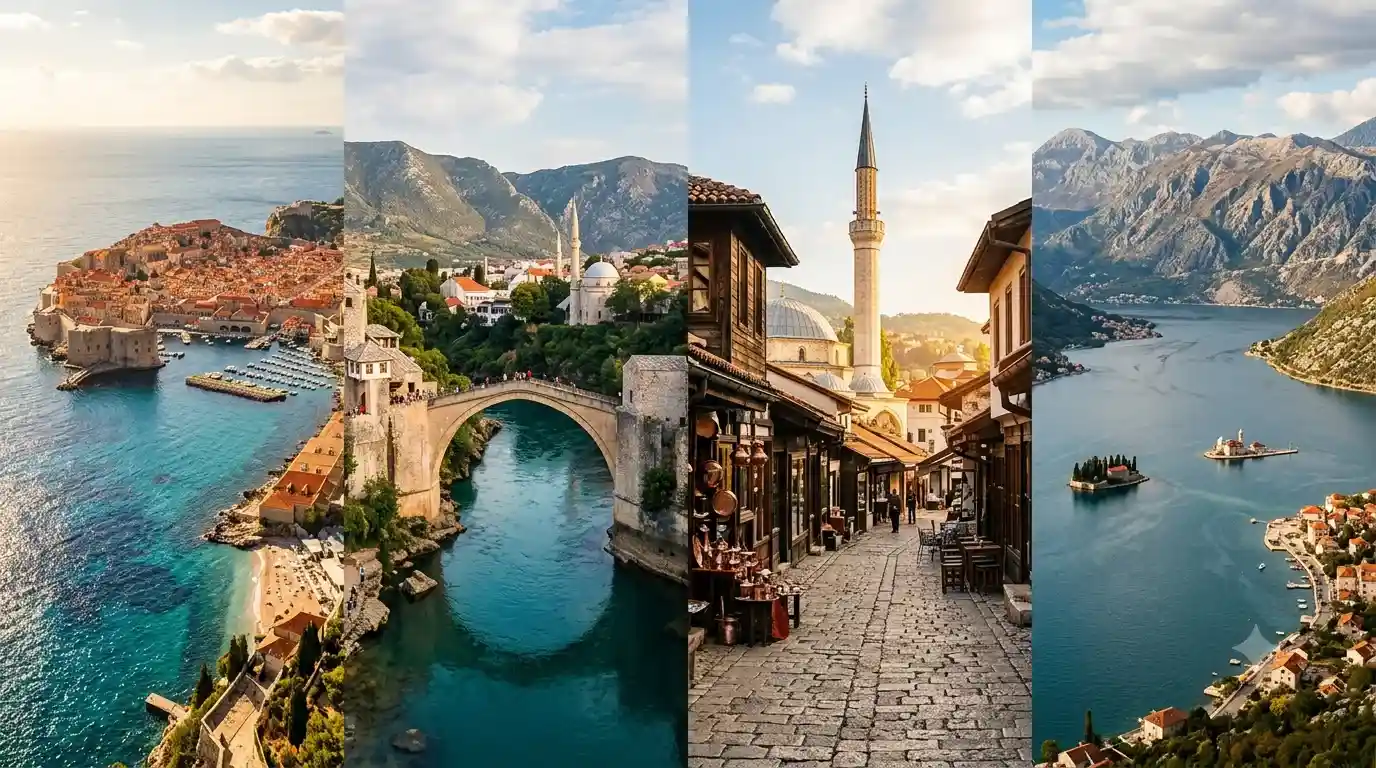
A Croatia Bosnia Montenegro itinerary is one of the best ways to experience the Adriatic coast and the Western Balkans in one unforgettable trip. In just 10 days, you can walk through Dubrovnik’s medieval streets, cross the famous bridge in Mostar, feel the cultural depth of Sarajevo, and finish beside the dramatic Bay of Kotor in Montenegro.
This route is not about rushing through as many countries as possible. It is about choosing a smart and realistic path that connects coastal towns, Ottoman-era old cities, mountain views, scenic roads, and meaningful history without turning your holiday into one long transport marathon.
If you are planning your first 10 day Balkans itinerary, this guide gives you a practical day-by-day route, transport advice, border-crossing tips, accommodation suggestions, budget expectations, and common mistakes to avoid.
Quick Answer: Is 10 Days Enough for Croatia, Bosnia and Montenegro?
Yes, 10 days is enough for Croatia, Bosnia and Montenegro if you follow a focused first-time route and avoid trying to see every famous destination in the region.
The best version of this trip usually includes Dubrovnik, Mostar, Sarajevo, Kotor, and one relaxed day around Perast, Budva, Lovcen, or the Bay of Kotor. This gives you a strong mix of coast, history, culture, food, and scenery without making the itinerary too exhausting.
Croatia, Bosnia and Montenegro Itinerary at a Glance
This Croatia Bosnia Montenegro itinerary starts in Dubrovnik because it is one of the easiest gateways to the region. From there, the route moves inland to Mostar and Sarajevo, then south into Montenegro before ending in Kotor or near one of Montenegro’s airports.
| Day | Destination | Country | Main Experience | Overnight Stay | Best Transport Option |
|---|---|---|---|---|---|
| Day 1 | Dubrovnik | Croatia | Arrival, Old Town walk, first Adriatic views | Dubrovnik | Airport bus, taxi, or transfer |
| Day 2 | Dubrovnik | Croatia | City walls, Mount Srđ, Old Town atmosphere | Dubrovnik | Walking, local bus, cable car |
| Day 3 | Dubrovnik to Mostar | Croatia to Bosnia and Herzegovina | Border crossing, scenic route, Mostar arrival | Mostar | Bus, rental car, or private transfer |
| Day 4 | Mostar | Bosnia and Herzegovina | Stari Most, Old Bazaar, Neretva River views | Mostar | Walking, taxi, optional tour |
| Day 5 | Mostar to Sarajevo | Bosnia and Herzegovina | Scenic inland travel, Sarajevo evening walk | Sarajevo | Train or bus |
| Day 6 | Sarajevo | Bosnia and Herzegovina | Baščaršija, history, food, viewpoints | Sarajevo | Walking, tram, taxi |
| Day 7 | Sarajevo to Kotor | Bosnia and Herzegovina to Montenegro | Long travel day, mountains, border crossing | Kotor | Bus, rental car, or private transfer |
| Day 8 | Kotor | Montenegro | Old Town, fortress hike, Bay of Kotor views | Kotor | Walking, boat trip, local transport |
| Day 9 | Perast, Budva, or Lovcen | Montenegro | Relaxed bay day, beaches, or mountain scenery | Kotor or Budva | Bus, boat, tour, or rental car |
| Day 10 | Departure | Montenegro or Croatia | Depart from Tivat, Podgorica, or Dubrovnik | None or airport hotel | Airport transfer, bus, or rental car return |
Planning tip: Before booking flights, decide where you want to end the trip. Ending in Tivat or Podgorica is easier than returning to Dubrovnik, but Dubrovnik may offer better international flight options depending on the season.
Because this itinerary can start in Croatia and finish in Montenegro, comparing flight options before booking can help you avoid unnecessary backtracking. You can compare flights to Dubrovnik on Trip.com and then check return options from Tivat or Podgorica before confirming your 10-day route.
Who Is This 10-Day Adriatic-Balkan Route Best For?
This Adriatic Balkan route is ideal for travelers who want variety. You are not spending 10 days only on beaches, only in cities, or only in mountain towns. Instead, the route gives you a balanced introduction to three countries that feel connected but still very different.
This itinerary works especially well for:
- First-time visitors who want a clear and realistic route through Croatia, Bosnia and Montenegro.
- Couples looking for a mix of romantic old towns, scenic viewpoints, and atmospheric evenings.
- Solo travelers who want destinations with walkable centers and good hostel or guesthouse options.
- Culture lovers interested in Ottoman history, Austro-Hungarian architecture, medieval walls, mosques, churches, and old bridges.
- Budget travelers who want to use buses and affordable local food instead of expensive guided packages every day.
- Travelers without a car who are comfortable using intercity buses and planning transfers carefully.
- Travelers who want coast, history, and mountains in one compact Western Balkans itinerary.
Who may need a slower route?
This route is practical, but it still includes several travel days and two international land borders. Some travelers may enjoy it more by adding extra nights or removing one stop.
- Families with young children who need more rest time between transfers.
- Travelers with heavy luggage, especially if staying inside old towns with steps and cobbled streets.
- Travelers who dislike long travel days or unpredictable border delays.
- Beach-focused travelers who want several full days for swimming and relaxing.
Helpful advice: If you have 12 to 14 days instead of 10, add one extra night in Dubrovnik, Sarajevo, or Kotor. These are the places where slower pacing makes the biggest difference.
Best Starting Point: Dubrovnik, Split, Sarajevo, or Tivat?
The easiest starting point for this Croatia Bosnia Montenegro 10 days route is usually Dubrovnik. It sits close to both Bosnia and Herzegovina and Montenegro, making it a natural gateway for the route: Dubrovnik to Mostar to Sarajevo to Kotor.
However, Dubrovnik is not always the cheapest airport, especially in peak summer. Depending on flight prices, you may also consider Split, Sarajevo, Tivat, or Podgorica.
| Starting Point | Best For | Advantages | Possible Drawbacks |
|---|---|---|---|
| Dubrovnik | Classic first-time route | Close to Mostar and Kotor, iconic start, strong tourism infrastructure | Can be expensive and crowded in summer |
| Split | Travelers who want more Croatia first | Good flight options, access to islands and Dalmatian coast | Adds extra travel time before reaching Bosnia or Montenegro |
| Sarajevo | Culture-focused travelers | Great for starting with Bosnia and moving toward the coast | Less convenient if Dubrovnik is a must-see at the beginning |
| Tivat | Montenegro-first route | Very convenient for Kotor and the Bay of Kotor | Flight options may be seasonal or limited |
| Podgorica | Budget flight hunters | Can sometimes be cheaper than coastal airports | Less scenic as a starting base and requires transfer planning |
For most first-time visitors, the simplest plan is to fly into Dubrovnik and fly out of Tivat or Podgorica. If flight prices are much better from Dubrovnik, you can return there at the end, but avoid booking a same-day flight immediately after crossing a land border.
Best Transport Options for This Itinerary
You can do this Croatia Bosnia Montenegro itinerary by bus, rental car, private transfer, or a mix of transport styles. There is no single best option for everyone. The right choice depends on your budget, comfort level, luggage, season, and how much flexibility you want.
| Transport Option | Best For | Pros | Cons | Planning Difficulty |
|---|---|---|---|---|
| Bus | Budget travelers and backpackers | Affordable, common between major cities, no parking stress | Schedules vary, border delays possible, luggage fees may apply | Medium |
| Rental car | Flexible road trippers | Great for Kravica, Počitelj, Blagaj, Lovcen, and viewpoints | Cross-border permission, insurance checks, parking, one-way fees | Medium to high |
| Private transfer | Couples, families, comfort travelers | Door-to-door, easier with luggage, possible scenic stops | More expensive than buses | Low |
| Organized tours | Travelers who want simple day trips | Easy planning, guide included, good for side trips | Less freedom and sometimes rushed | Low |
| Boat or ferry | Bay of Kotor or coastal sightseeing | Scenic and enjoyable for short local experiences | Not a full solution for the whole route | Low to medium |
Important warning: If you rent a car, do not assume you can automatically take it from Croatia into Bosnia and Herzegovina and Montenegro. Always check cross-border permission, insurance conditions, required documents, and any extra fees directly with the rental company before booking.
A rental car can provide valuable flexibility for places such as Kravica Waterfalls, Blagaj, Počitelj, Lovcen and scenic stops between major cities. You can compare car rentals in Dubrovnik with DiscoverCars before starting the route. Always confirm cross-border permission, required documents, insurance conditions and possible one-way fees before booking.
For many visitors, the most practical solution is a hybrid approach: use buses or trains between major cities, then book a tour, taxi, or private transfer for places that are harder to reach independently. This works especially well if you want to travel Croatia Bosnia Montenegro by bus but still visit places like Kravica Waterfalls, Blagaj, Perast, or Lovcen.
Day 1: Arrive in Dubrovnik, Croatia
Start your Croatia Bosnia Montenegro itinerary in Dubrovnik, one of the most famous coastal cities in the Balkans. It is a beautiful but busy place, so the first day should be simple. Do not try to see everything immediately, especially if you arrive after a flight, long bus journey, or summer airport transfer.
Dubrovnik Airport is located outside the city, and most travelers reach the center by airport bus, taxi, shuttle, or pre-booked transfer. If you arrive by bus from another Croatian city such as Split, you will usually arrive at the main bus station near Gruž Port, not directly beside the Old Town.
What to do on your first day in Dubrovnik
- Check into your accommodation and leave your luggage.
- Walk slowly through Dubrovnik Old Town.
- See Stradun, the main limestone street inside the walls.
- Visit the harbor area for your first Adriatic views.
- Have a relaxed dinner instead of booking a packed evening tour.
If you arrive early and still have energy, you can walk part of the Old Town area or consider the city walls. However, many travelers enjoy the walls more on the second day when they are rested and can start early to avoid crowds and heat.
Best areas to stay in Dubrovnik
For first-time visitors, the best area depends on your budget and luggage. Staying inside the Old Town is atmospheric, but it can be expensive and difficult with heavy bags because of steps and pedestrian-only streets.
- Old Town: Best for atmosphere and sightseeing, but not ideal for heavy luggage.
- Ploče: Good for views and access to the Old Town, often quieter than staying inside the walls.
- Gruž: Practical for bus station and port access, usually better value.
- Lapad: Good for a more relaxed stay, beaches, and a less crowded base.
Arrival tip: If your accommodation is inside Dubrovnik Old Town, ask in advance about the closest gate and whether you will need to climb stairs with luggage.
Day 2: Explore Dubrovnik
Day 2 is your full Dubrovnik day. This is the best time to enjoy the city properly before moving inland toward Bosnia and Herzegovina. Dubrovnik can feel crowded, especially when cruise ships are in port, so start early and keep the middle of the day flexible.
Best things to do in Dubrovnik on Day 2
- Walk the city walls: One of the most famous experiences in Dubrovnik, with views over red rooftops, the sea, and the Old Town.
- Explore the Old Town lanes: Move away from the busiest streets to find quieter corners, stairways, churches, and small squares.
- Go up Mount Srđ: You can take the cable car, hike, or use a taxi depending on your budget and energy.
- Visit Lokrum Island: A good option in warm weather if you want nature, swimming spots, and a break from the crowds.
- Enjoy the evening atmosphere: Dubrovnik becomes more pleasant after many day-trippers leave.
If you are traveling on a budget, you do not need to pay for every attraction. Dubrovnik is expensive compared with many other stops on this route, but walking around the Old Town, finding sea viewpoints, and enjoying the sunset can still be memorable.
Crowd tip: Visit the city walls early in the morning or later in the afternoon. Midday can be hot, crowded, and less enjoyable, especially in July and August.
Day 3: Travel from Dubrovnik to Mostar
Day 3 is where the route starts to feel like a true Dubrovnik Mostar Sarajevo Kotor itinerary. Leaving Croatia and entering Bosnia and Herzegovina gives the trip a completely different atmosphere. Mostar is the perfect next stop because it is close enough to Dubrovnik for a realistic transfer, but different enough to make the journey feel exciting.
The journey from Dubrovnik to Mostar involves an international border crossing. Travel times can vary depending on the route, traffic, season, and border waiting time. Always check current bus schedules, transfer options, and entry requirements before booking.
Best ways to travel from Dubrovnik to Mostar
| Option | Best For | Notes |
|---|---|---|
| Bus | Budget travelers | Usually the cheapest option, but schedules and journey times should be checked before travel. |
| Rental car | Flexible travelers | Good for adding Kravica Waterfalls, Počitelj, or Blagaj, but check cross-border permission first. |
| Private transfer | Couples, families, comfort travelers | More expensive, but easier with luggage and can include scenic stops. |
| Day tour transfer | Travelers short on planning time | Useful if you want stops included, but make sure it ends in Mostar if you plan to stay overnight. |
Possible stops between Dubrovnik and Mostar
If you travel by rental car, private transfer, or selected tour, you may be able to add one or two stops before reaching Mostar.
- Kravica Waterfalls: A popular nature stop, especially in warmer months.
- Počitelj: A historic village with stone houses and Ottoman-era character.
- Blagaj: Known for the Buna River spring and the famous dervish house setting.
If you are traveling by regular bus, keep the day simple. Arrive in Mostar, check in, walk around the Old Town, and save deeper sightseeing for Day 4.
Where to stay in Mostar
For a first visit, stay near the Old Town or within walking distance of Stari Most. This makes it easy to enjoy the bridge early in the morning and again in the evening when the day-trip crowds are smaller.
Border warning: Do not plan a tight paid activity immediately after arriving in Mostar. Border delays, traffic, or bus changes can make arrival times less predictable.
Day 4: Explore Mostar
Mostar deserves at least one full day on this itinerary. Many travelers visit Mostar only as a quick day trip from Dubrovnik, but staying overnight gives you a much better experience. The city is more peaceful early in the morning and after sunset.
Best things to do in Mostar
- Stari Most: The famous Old Bridge is the symbol of Mostar and one of the most important stops on this route.
- Old Bazaar: Walk through the cobbled lanes, small shops, craft stalls, and traditional-style streets.
- Neretva River views: Look for viewpoints from both sides of the bridge for photos and quieter moments.
- Koski Mehmed Pasha Mosque area: A well-known place for views over the bridge and river, if open and suitable for your visit.
- Local food: Try Bosnian dishes such as ćevapi, burek, grilled meats, stuffed vegetables, or traditional desserts.
The best way to enjoy Mostar is slowly. Cross the bridge from both directions, walk along the river, sit for coffee, and return to the Old Town after sunset. The city feels very different when the day-tour groups have left.
Optional half-day trips from Mostar
If you arrived early on Day 3 or you have a rental car, you can use part of Day 4 for a nearby trip. But do not overload the day if this is your first time in the region.
- Blagaj: Good for river scenery and a peaceful setting outside the city.
- Počitelj: Good for history, stone architecture, and views.
- Kravica Waterfalls: Best in warmer months if you want nature and water scenery.
If you want to explore beyond Mostar without arranging several separate transfers, an organized day trip can be a practical option. You can compare Mostar tours and day trips on GetYourGuide, including experiences that visit Blagaj, Počitelj, Kravica Waterfalls and other highlights around Herzegovina.
Mostar tip: Wake up early and visit Stari Most before breakfast. It is one of the easiest ways to enjoy the bridge without the busiest crowds.
Day 5: Travel from Mostar to Sarajevo
On Day 5, continue deeper into Bosnia and Herzegovina by traveling from Mostar to Sarajevo. This is one of the most rewarding inland sections of the trip, and it adds a completely different cultural layer to your Bosnia Montenegro Croatia travel route.
Depending on schedules, you may be able to travel by bus or train. The train between Mostar and Sarajevo is often described as one of the most scenic rail journeys in the region when it is operating at convenient times. However, schedules can change, so check current availability before building your day around it.
Bus or train from Mostar to Sarajevo?
| Option | Why Choose It? | What to Check |
|---|---|---|
| Train | Scenic views, comfortable experience, memorable journey | Current timetable, ticket availability, station location |
| Bus | More common for many travelers and often practical | Departure station, luggage rules, updated schedules |
| Rental car | Flexible timing and possible scenic stops | Parking in Sarajevo and driving comfort |
After arriving in Sarajevo, keep the evening relaxed. Check into your accommodation, then walk toward Baščaršija, Sarajevo’s historic old town area. This is a great place for your first Bosnian coffee, ćevapi, or a simple evening food walk.
Best areas to stay in Sarajevo
- Baščaršija: Best for first-time visitors who want atmosphere and easy sightseeing.
- Near Ferhadija Street: Good for walking, shops, cafes, and a central base.
- Near the train or bus station: Practical for transport, but less atmospheric than the old town.
Day 6: Explore Sarajevo
Sarajevo is one of the most important stops in this itinerary. It adds emotional depth, cultural contrast, and historical context that you will not get from the Adriatic coast alone. Skipping Sarajevo just because it looks slightly inland on the map is one of the biggest mistakes travelers make when planning this route.
Best things to do in Sarajevo on Day 6
- Baščaršija: The historic heart of Sarajevo, filled with small lanes, shops, coffee houses, and traditional food spots.
- Latin Bridge: A historically significant place and an easy stop while exploring the central area.
- Gazi Husrev-beg Mosque area: One of the key cultural and architectural areas in the old town.
- Sarajevo Tunnel Museum: A meaningful stop for travelers who want to understand more of the city’s recent history.
- Yellow Fortress: A popular sunset viewpoint overlooking the city.
- Bosnian coffee experience: Slow down and enjoy coffee as part of the local rhythm, not just a quick drink.
Sarajevo is best explored at a steady pace. Spend the morning in Baščaršija and the central old town, use the afternoon for a museum or historical site, then finish with a viewpoint or relaxed dinner. This balance keeps the day meaningful without becoming too heavy.
Respectful travel note: Some Sarajevo sites are connected to painful recent history. Visit with patience, respect, and enough time to understand the context rather than treating them as quick photo stops.
What to eat in Sarajevo
Sarajevo is one of the best food stops on this route, especially for budget and mid-range travelers. Meals are often hearty, filling, and more affordable than in Dubrovnik or Kotor.
- Ćevapi: Grilled minced meat served with flatbread, onion, and often kajmak.
- Burek: A filling pastry, usually eaten as a quick meal or snack.
- Begova čorba: A traditional Bosnian soup often found in local restaurants.
- Baklava or local sweets: Good with Bosnian coffee after a long walking day.
After Sarajevo, the itinerary moves toward Montenegro. Day 7 is one of the longest travel days of the whole trip, so it is important to plan it carefully and avoid tight arrival-day activities.
Day 7: Travel from Sarajevo to Kotor, Montenegro
Day 7 is usually the longest and most tiring travel day in this Croatia Bosnia Montenegro itinerary. You are moving from inland Bosnia and Herzegovina to the Montenegrin coast, crossing an international border, and traveling through mountainous scenery before reaching the Bay of Kotor.
This journey can be beautiful, but it requires patience. Do not plan a paid evening tour, a long hike, or a tight dinner reservation on arrival day. Treat this day mainly as a transfer day with scenic views along the way.
Best ways to travel from Sarajevo to Kotor
| Option | Best For | What to Know |
|---|---|---|
| Bus | Budget travelers | Usually the most affordable option, but schedules can be limited and journey times may change by season. |
| Private transfer | Couples, families, comfort travelers | More expensive, but easier with luggage and can reduce stress on a long cross-border day. |
| Rental car | Confident drivers and road trippers | Offers flexibility, but requires border permission, insurance checks, and comfort with mountain roads. |
If traveling by bus, check the departure point carefully. Sarajevo has transport areas that may not be directly beside your accommodation, so leave extra time for getting to the station. Also check luggage rules, as some bus companies may charge a small fee for bags stored underneath the bus.
Important planning tip: Avoid booking a non-refundable activity in Kotor for the same evening you arrive from Sarajevo. Border queues, weather, road conditions, or bus delays can easily affect your arrival time.
What to do if you arrive late in Kotor
If you arrive late, keep your evening simple. Check in, walk around the Old Town if you still have energy, and have dinner nearby. Kotor’s Old Town is compact and atmospheric at night, so even a short walk can feel rewarding after a long journey.
Best places to stay in Kotor
- Inside Kotor Old Town: Best for atmosphere, restaurants, and evening walks, but it can be noisy and awkward with luggage.
- Near the Old Town walls: A practical choice for first-timers who want easy access without staying directly inside the busiest lanes.
- Dobrota: Good for bay views, quieter stays, and a more relaxed waterfront feel.
- Budva: Better if you want beaches and nightlife, but less convenient for early morning Kotor sightseeing.
Day 8: Explore Kotor
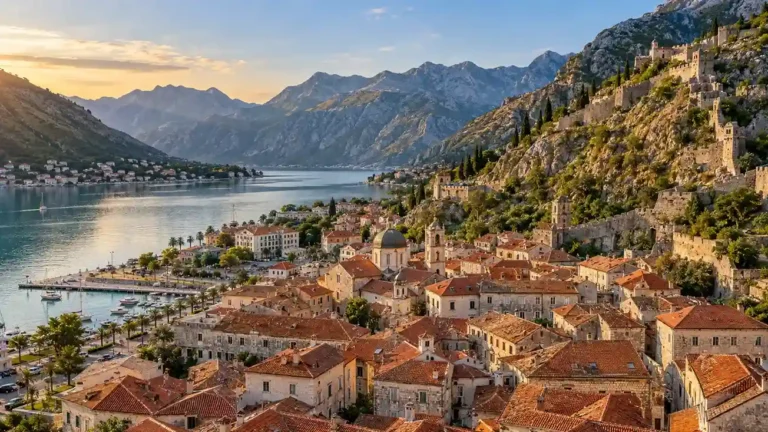
Kotor is one of the highlights of any Western Balkans itinerary. The town sits between steep mountains and the calm waters of the Bay of Kotor, giving it a dramatic setting that feels different from both Dubrovnik and Sarajevo.
The best way to enjoy Kotor is to start early. The Old Town is small, and it can feel crowded when cruise ships arrive. Morning and evening are usually the most pleasant times to explore.
Best things to do in Kotor
- Explore Kotor Old Town: Walk through stone lanes, small squares, churches, gates, and quiet corners away from the main flow of visitors.
- Hike to San Giovanni Fortress: The climb is steep, but the views over the bay are among the best in Montenegro.
- Enjoy Bay of Kotor views: Even a simple walk along the waterfront can be beautiful, especially in softer morning or evening light.
- Visit small local museums or corners: The Cat Museum and small churches may interest travelers who enjoy slower sightseeing.
- Take a boat trip: If the weather is good, boat trips around the bay can add a scenic and relaxing break to the itinerary.
Kotor tip: If you want to hike to the fortress, start early and carry water. The climb can feel much harder in summer heat.
How to avoid the worst crowds in Kotor
Kotor is beautiful, but it can feel very busy during cruise ship days and high summer. To make the day more enjoyable, explore the Old Town early, take a break during the busiest afternoon hours, and return in the evening when the atmosphere becomes calmer.
If crowds bother you, consider staying just outside the Old Town or in Dobrota. You will still be close to the main sights but may enjoy a quieter base.
Day 9: Perast, Budva, Lovcen, or Bay of Kotor Day Trip
Day 9 gives you flexibility. Instead of moving to a new country or city again, use this day to enjoy Montenegro at a slower pace. Your best option depends on whether you want a relaxed bay village, beaches, mountain views, or a boat trip.
| Day Trip Option | Best For | How to Get There | Difficulty Without a Car | Why Choose It? |
|---|---|---|---|---|
| Perast | Relaxed bay scenery | Local bus, taxi, boat, or tour | Easy to medium | Beautiful waterfront, calm atmosphere, and classic Bay of Kotor views. |
| Budva | Beaches and nightlife | Bus, taxi, rental car, or tour | Medium | Good if you want a livelier coastal day after cultural stops. |
| Lovcen National Park | Mountain views | Rental car, private driver, or organized tour | Difficult | Best for travelers who want dramatic landscapes beyond the coast. |
| Bay of Kotor boat trip | Scenery and easy sightseeing | Boat tour from Kotor or nearby towns | Easy | A simple way to enjoy the bay without managing roads or buses. |
| Tivat / Porto Montenegro | Easy coastal walk and modern marina setting | Bus, taxi, or transfer | Easy to medium | Useful if you are flying from Tivat or want a light final day. |
Which Day 9 option should you choose?
Choose Perast if you want the easiest and most relaxing day. Choose Budva if beaches, restaurants, and nightlife matter more. Choose Lovcen if you have a car or driver and want mountain scenery. Choose a Bay of Kotor boat trip if you want a scenic day with minimal planning.
Best first-time choice: For most travelers, Perast or a Bay of Kotor boat trip is the easiest Day 9 option because it keeps the final full day scenic, relaxed, and not too complicated.
If you want a scenic final full day without managing another long road journey, a boat experience around the Bay of Kotor can fit naturally into this itinerary. You can compare Kotor tours and boat trips on GetYourGuide, including experiences around Perast, Our Lady of the Rocks, the Blue Cave and other highlights of the bay.
Day 10: Departure Options
On Day 10, your departure plan depends on your flight route and budget. Montenegro has useful airport options, but Dubrovnik may still offer better international connections depending on the season. Choose your final airport before booking accommodation and transport.
Option 1: Depart from Tivat
Tivat is the most convenient airport for Kotor and the Bay of Kotor. It works well if flights are available on your dates. This is usually the easiest ending if you want to avoid returning across the border to Croatia.
Option 2: Depart from Podgorica
Podgorica can be useful for budget flights or onward travel deeper into Montenegro. It requires a transfer from Kotor, so check transport times carefully and avoid leaving too little time before your flight.
Option 3: Return to Dubrovnik
Returning to Dubrovnik can make sense if flights are cheaper or more direct. However, this means another border crossing from Montenegro to Croatia. Do not return to Dubrovnik on the same day as an important international flight unless you have a very safe buffer.
Option 4: Continue to Albania or deeper into Montenegro
If you have more time, you can continue south toward Albania, spend more days in Montenegro, or add Durmitor National Park. This turns the trip into a longer Western Balkans route instead of a focused 10-day plan.
Flight warning: If your final flight is from Dubrovnik, consider returning to Croatia the night before. Land border delays can happen, especially in busy summer periods.
10-Day Itinerary Map-Style Route Summary
The route can be understood as a simple line through the southern Adriatic and inland Bosnia:
Dubrovnik → Mostar → Sarajevo → Kotor → Perast / Budva / Lovcen → Tivat / Podgorica / Dubrovnik
This route works because it flows geographically. You start on Croatia’s southern coast, move inland into Bosnia and Herzegovina, then continue south toward Montenegro’s coast. It avoids the common mistake of jumping between too many distant places in only 10 days.
The route also avoids unnecessary backtracking if you fly into Dubrovnik and out of Tivat or Podgorica. If you need to return to Dubrovnik, it still works, but you should add enough time for the final border crossing.
Can You Do This Itinerary Without a Car?
Yes, you can do this Croatia Bosnia Montenegro by bus, especially if you stay focused on Dubrovnik, Mostar, Sarajevo, and Kotor. These are well-known travel destinations, and many travelers connect them using buses, selected trains, and occasional tours.
However, traveling without a car requires more patience. Bus schedules can change, some routes may not run frequently, and border crossings can delay arrivals. This does not make the trip impossible, but it means you should avoid overly tight plans.
What works well without a car?
- Dubrovnik Old Town is very walkable once you are nearby.
- Mostar’s main sights are easy to explore on foot.
- Sarajevo has walkable areas, taxis, trams, and local transport.
- Kotor Old Town and the waterfront are easy to enjoy without a car.
- Perast and bay boat trips can often be done without renting a car.
What is harder without a car?
- Combining Kravica Waterfalls, Počitelj, and Blagaj in one smooth day.
- Reaching Lovcen National Park independently.
- Stopping at viewpoints between cities.
- Managing late arrivals if bus schedules are limited.
- Traveling comfortably with large suitcases.
No-car strategy: Use buses or trains for city-to-city travel, then book small group tours, taxis, or private transfers only for the harder day trips.
Is Renting a Car Worth It for This Route?
A rental car can be worth it if you want flexibility and scenic stops. This is especially true for travelers planning a Croatia Bosnia Montenegro road trip with places like Kravica Waterfalls, Počitelj, Blagaj, Lovcen, and remote viewpoints.
A car helps you move at your own pace and avoid relying fully on bus schedules. It can also make the journey feel more like a scenic road trip instead of a sequence of transfers.
A rental car is useful for:
- Adding Kravica Waterfalls between Dubrovnik and Mostar.
- Stopping in Počitelj or Blagaj without rushing.
- Visiting Lovcen National Park from Kotor.
- Finding viewpoints around the Bay of Kotor.
- Traveling with family or luggage more comfortably.
- Avoiding some limitations of bus schedules.
But renting a car also has challenges
- Cross-border permission: You must confirm that the rental company allows travel between Croatia, Bosnia and Herzegovina, and Montenegro.
- Insurance documents: Ask what proof of coverage is required for each country.
- Parking: Dubrovnik, Mostar, Sarajevo, and Kotor can all be difficult or expensive for parking near historic centers.
- One-way fees: Picking up a car in one country and dropping it in another can be costly.
- Summer traffic: Coastal roads and border crossings can be slow in peak season.
- Narrow roads: Some mountain and old town access roads may be stressful for nervous drivers.
Car rental warning: Do not book the cheapest car deal before checking cross-border rules. A low headline price can become expensive if permissions, insurance, or one-way fees are added later.
Border Crossings on This Route
This itinerary includes at least two land border crossings: Croatia to Bosnia and Herzegovina, and Bosnia and Herzegovina to Montenegro. If you return to Dubrovnik at the end, you will also cross from Montenegro back into Croatia.
Border crossings are a normal part of this route, but they can affect timing. Passport checks, bus queues, rental car paperwork, and seasonal traffic may all cause delays. Always check official government or embassy sources for current entry rules before traveling, especially if your passport has special visa requirements.
Main borders to consider
| Border Section | Used On This Route | Planning Advice |
|---|---|---|
| Croatia to Bosnia and Herzegovina | Dubrovnik to Mostar | Expect passport checks and possible delays, especially in summer or on busy travel days. |
| Bosnia and Herzegovina to Montenegro | Sarajevo to Kotor | This is part of a long travel day, so avoid tight plans after arrival. |
| Montenegro to Croatia | Kotor to Dubrovnik return | Avoid same-day international flights after this crossing unless you have a very generous buffer. |
Border crossing tips for first-time visitors
- Keep your passport easy to reach on buses and transfers.
- Check visa and entry rules using official sources before the trip.
- Do not rely on exact arrival times after international land borders.
- If renting a car, carry all documents required by the rental company.
- Allow extra time in July, August, weekends, and holiday periods.
- Avoid booking flights too close to a land-border transfer.
Important: This guide is for practical travel planning, not legal advice. Entry rules, visa policies, car insurance requirements, and border procedures can change. Always confirm current information with official government, embassy, airline, or rental company sources before traveling.
Where to Stay on This Itinerary
Choosing the right accommodation areas can make this route much easier. Because this itinerary includes several transfers, old towns, bus stations, borders, and luggage movement, location matters more than luxury.
For a smooth Croatia Bosnia Montenegro itinerary, try to stay close to the places you will actually use: old towns for sightseeing, bus stations for transfers, or waterfront areas for atmosphere.
Dubrovnik
- Best for first-timers: Old Town, Ploče, or areas just outside the walls.
- Best for public transport: Gruž, especially if you are using the bus station or ferry port.
- Best for atmosphere: Old Town or Ploče.
- Avoid if you have heavy luggage: Deep inside the Old Town or high hillside apartments with many steps.
Mostar
- Best for first-timers: Near Stari Most and the Old Bazaar.
- Best for public transport: Between the bus or train station and the Old Town.
- Best for atmosphere: A guesthouse within walking distance of the bridge.
- Avoid if you have heavy luggage: Steep cobbled lanes far from taxi access.
Sarajevo
- Best for first-timers: Baščaršija or central Sarajevo near Ferhadija Street.
- Best for public transport: Central areas with easy taxi, tram, or station access.
- Best for atmosphere: Baščaršija, especially for food, coffee, and old town walks.
- Avoid if you have heavy luggage: Hillside apartments far above the old town unless you plan to use taxis.
Kotor
- Best for first-timers: Near Kotor Old Town or just outside the walls.
- Best for public transport: Near the Old Town and bus station area.
- Best for atmosphere: Inside the Old Town or along the bay in Dobrota.
- Avoid if you have heavy luggage: Noisy nightlife lanes or upper-floor apartments without easy access.
Budva or Perast
Budva works better if you want beaches, nightlife, and a livelier final night. Perast is better if you want a peaceful bay stay, beautiful scenery, and a slower ending. However, Kotor is usually the most practical base if this is your first visit and you want easy access to transport and sightseeing.
Accommodation tip: In old Balkan towns, “central” does not always mean easy. Check stairs, parking, luggage access, and walking distance before booking.
With overnight stops in several cities, choosing well-located accommodation can save valuable time when moving between old towns, bus stations and border connections. You can start by comparing accommodation in Dubrovnik on Agoda and then search for stays in Mostar, Sarajevo and Kotor as you finalize each stage of the itinerary.
How Much Does This 10-Day Route Cost?
The cost of this itinerary depends heavily on season, accommodation style, transport choice, and how early you book. Dubrovnik and Kotor are usually more expensive than Mostar and Sarajevo, especially in summer.
The ranges below are rough planning estimates only. They exclude international flights and can change quickly, so always verify current prices before booking.
| Travel Style | Accommodation | Food | Transport | Overall Budget Style |
|---|---|---|---|---|
| Budget traveler | Hostels, simple guesthouses, private rooms outside prime areas | Bakeries, casual local meals, supermarkets | Mostly buses and walking | Lowest cost, but less comfort and more planning |
| Mid-range traveler | Good guesthouses, apartments, small hotels | Mix of local restaurants, cafes, and simple meals | Buses, train where useful, occasional taxi or tour | Best balance for most first-time visitors |
| Couple | Private rooms, apartments, boutique stays | Casual meals plus some nicer dinners | Shared transfers, buses, rental car for part of the route | Good value when accommodation costs are shared |
| Comfort traveler | Central hotels, sea-view stays, boutique properties | Restaurants, guided food tours, better locations | Private transfers, rental car, guided tours | Most comfortable, but costs rise quickly in Dubrovnik and Kotor |
Main cost categories to plan for
- Accommodation: Usually the biggest cost, especially in Dubrovnik and Kotor.
- Food: More affordable in Bosnia and Herzegovina than in the busiest coastal areas.
- Intercity buses: Usually budget-friendly, but prices and luggage rules vary.
- Local transport: Walking is enough in many towns, but taxis or local buses help with stations and airports.
- Tours and attractions: City walls, boat trips, museums, and day tours can add up.
- Rental car option: Consider rental cost, fuel, parking, border permission, insurance, and one-way fees.
- Private transfer option: Convenient but much more expensive than public transport.
Best Time to Do This Croatia, Bosnia and Montenegro Itinerary
The best time for this route depends on whether you care more about weather, prices, beaches, or crowds. For most travelers, late spring and early autumn offer the best balance.
| Season | What to Expect | Best For |
|---|---|---|
| April to June | Pleasant sightseeing weather, greener landscapes, fewer crowds than summer, rising prices near June. | First-time visitors, walkers, culture lovers, road trips. |
| July to August | Hot weather, busy old towns, beach season, higher accommodation prices, possible border delays. | Beach travelers and those who do not mind crowds. |
| September to October | Excellent sightseeing weather, softer light, fewer crowds than peak summer, good overall balance. | Couples, photographers, relaxed itineraries, mixed coast and culture trips. |
| Winter | Lower crowds and prices in some places, colder inland weather, reduced services in coastal towns. | Budget travelers, quiet city breaks, culture-focused trips. |
If this is your first 10 day Balkans itinerary, May, early June, September, and early October are often the most comfortable months. You get better walking weather than peak summer and a more relaxed experience in Dubrovnik and Kotor.
What to Pack for This Route
This route includes old towns, cobbled streets, steps, bus stations, religious sites, sunny coastlines, and cooler inland evenings. Pack light, practical items rather than large suitcases that are difficult to carry.
- Comfortable walking shoes: Essential for Dubrovnik walls, Mostar stones, Sarajevo streets, and Kotor’s fortress hike.
- Light layers: Useful for changing weather between coast, mountains, and inland Bosnia.
- Swimwear: Needed for Dubrovnik, Kotor, Budva, Perast, or boat trips in warm months.
- Rain jacket: Helpful in spring, autumn, and mountain areas.
- Daypack: Useful for day trips, bus rides, and sightseeing days.
- Reusable water bottle: Especially useful for warm walking days.
- Passport: Keep it accessible on international bus and road transfers.
- Travel insurance: Strongly recommended for medical issues, delays, cancellations, and lost luggage.
- Power bank: Useful on long bus days and border-crossing transfers.
- Offline maps: Helpful when mobile data is weak or roaming changes between countries.
- Cash and card: Cards are common in many places, but cash helps with small buses, bakeries, local taxis, and small shops.
- Modest clothing: Useful if you plan to visit mosques, churches, monasteries, or religious sites.
Packing tip: A medium backpack or small suitcase is usually easier than a large rolling bag, especially in Mostar, Dubrovnik, and Kotor.
Food Experiences to Try Along the Route
Food is one of the easiest ways to feel the change between the coast and the inland Balkans. You do not need fine dining to enjoy this route. Many of the best meals are simple, local, and filling.
- Seafood in Dubrovnik or Kotor: Best for travelers who want a coastal meal with Adriatic atmosphere.
- Bosnian coffee: A slow and traditional experience, especially in Sarajevo or Mostar.
- Ćevapi: One of the most famous Balkan dishes and a must-try in Bosnia and Herzegovina.
- Burek: A practical, filling pastry for breakfast, lunch, or a travel-day snack.
- Local pastries: Easy to find in bakeries across the region.
- Montenegrin coastal food: Look for grilled fish, seafood pasta, salads, and simple waterfront meals.
- Traditional Balkan grilled dishes: Common across the region and usually filling after long walking days.
Common Mistakes to Avoid
The biggest problem with this route is not the distance itself. It is overplanning. Many travelers try to add too many famous places because the countries look close on a map.
- Trying to include Split, Plitvice, Sarajevo, Mostar, Kotor, Durmitor, and Albania in only 10 days.
- Booking transport without checking border-crossing times and seasonal schedules.
- Assuming trains connect the whole route. They do not.
- Staying too far from bus stations when traveling with heavy luggage.
- Returning to Dubrovnik on the same day as a flight after crossing from Montenegro.
- Not checking rental car cross-border permission before booking.
- Underestimating summer crowds in Dubrovnik and Kotor.
- Skipping Sarajevo because it looks far on the map.
- Planning too many one-night stays and not having time to enjoy each place.
- Not carrying cash for small transport costs, local bakeries, toilets, luggage fees, or short taxi rides.
Biggest mistake: Do not turn this into a checklist trip. The best version of this itinerary gives you time to feel each place, not just photograph it.
Alternative 10-Day Route Options
The main route in this guide is the most balanced version for first-time visitors. But you can adjust the route depending on your travel style.
More Beach-Focused Route
Dubrovnik → Kotor → Budva → Perast → Mostar → Dubrovnik
This version is best for travelers who care more about the Adriatic coast, beaches, bay scenery, and relaxed evenings than deep inland travel. It reduces time in Sarajevo or removes it completely, which makes the trip easier but less culturally complete.
More Culture-Focused Route
Dubrovnik → Mostar → Sarajevo → Kotor → Perast
This version is closest to the main itinerary and works well for travelers who want history, food, religious architecture, old towns, and meaningful cultural contrast. It is the best choice if Sarajevo is a priority.
More Road Trip-Focused Route
Dubrovnik → Mostar → Sarajevo → Durmitor → Kotor → Dubrovnik
This version is best for confident drivers who want mountain scenery and national park landscapes. Durmitor can be spectacular, but adding it makes the route more demanding. It is better with a rental car and careful planning.
Final Thoughts: Is This Croatia, Bosnia and Montenegro Itinerary Worth It?
Yes, this route is absolutely worth it if you want a first-time trip that combines the Adriatic coast with the cultural heart of the Western Balkans. In 10 days, you can experience Dubrovnik’s walls, Mostar’s bridge, Sarajevo’s history, Kotor’s bay scenery, and Montenegro’s relaxed coastal rhythm.
The key is to keep the route realistic. Do not overload the trip with too many distant stops. Give yourself enough time for border crossings, choose accommodation carefully, and match your transport style to your comfort level.
If you want the easiest version, travel from Dubrovnik to Mostar, continue to Sarajevo, then finish in Kotor with a relaxed bay day. If you want more flexibility, rent a car for some or all of the route after checking cross-border permission. If you are on a tighter budget, use buses and selected train routes, then add tours only where public transport is inconvenient.
Ready to Plan Your 10-Day Adriatic-Balkan Route?
Use this itinerary as a practical starting point, then adjust it around your flights, travel season, budget, and transport style.
For most first-time travelers, the route Dubrovnik → Mostar → Sarajevo → Kotor is the best balance of beauty, culture, history, and realistic travel time.