7 Days in Albania: Realistic First-Time Route (2026)

Planning 7 days in Albania is less about squeezing every famous destination into one week and more about choosing a route you can actually finish. Tirana, the UNESCO-listed towns of Berat and Gjirokastër, the Albanian Riviera and the northern Alps all deserve attention, but they are not close enough to combine comfortably in seven calendar days when you also need to reach an airport.
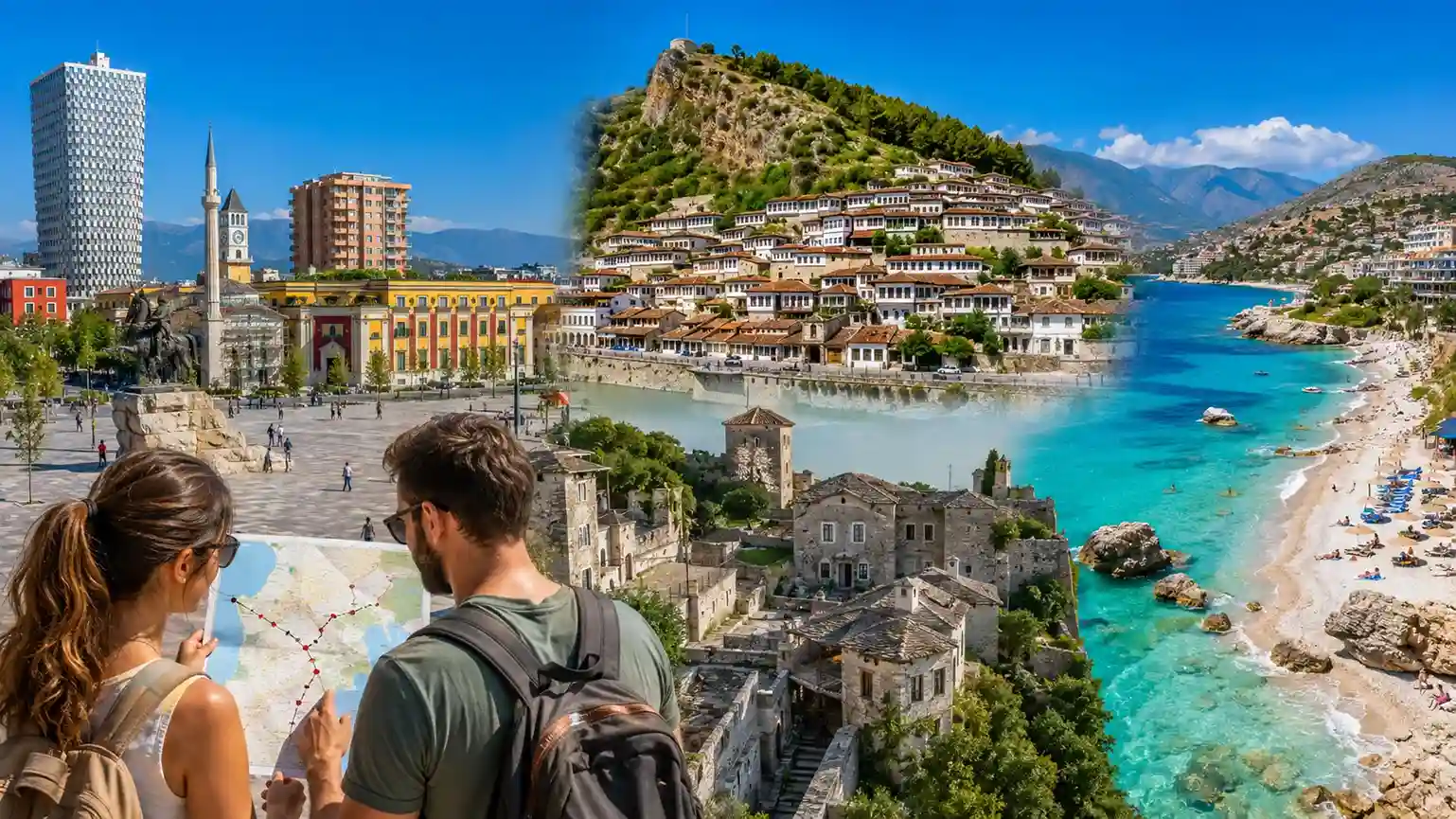
This 7 days in Albania itinerary takes the southern route: Tirana → Berat → Gjirokastër → Sarandë → Tirana, with an optional excursion to Butrint or Ksamil. It includes a night-by-night plan, realistic travel-day compromises, bus information checked against published listings, a sample budget, accommodation advice and a separate seven-day northern alternative. It is a fast-moving introduction to Albania, not a promise of seven full, uninterrupted sightseeing days.
Quick answer: If you arrive at Tirana Airport on Day 1 and fly home on Day 7, spend one night in Tirana, one in Berat, one in Gjirokastër, two in Sarandë and the final night back in Tirana. That creates a useful coastal break while protecting the last day from a long intercity journey. If you prefer fewer hotels or have late-arrival and early-departure flights, skip the coast or one of the historic-town overnights rather than forcing the schedule.
Table of Contents
7 Days in Albania: Route and Overnight Plan
| Day | Main destination | What you actually do | Sleep in | Main transport task |
|---|---|---|---|---|
| 1 | Tirana | Arrive, explore Skanderbeg Square and the center | Tirana | Airport transfer |
| 2 | Berat | Travel south; Mangalem, Gorica and castle | Berat | Tirana → Berat |
| 3 | Gjirokastër | Transfer; Old Bazaar and castle if time allows | Gjirokastër | Berat → Gjirokastër |
| 4 | Sarandë | Gjirokastër morning; south to the Ionian Sea | Sarandë | Gjirokastër → Sarandë |
| 5 | Butrint / Ksamil | Choose archaeology plus a beach or a relaxed coast day | Sarandë | Local bus, taxi or rental car |
| 6 | Tirana | Return north; simple city evening | Tirana | Sarandë → Tirana, substantial transfer |
| 7 | Departure | Airport transfer; optional short city walk | — | Tirana → airport |
Night count: six nights across four bases, with Tirana used twice. In order: Tirana (1), Berat (1), Gjirokastër (1), Sarandë (2), Tirana (1). This requires moving accommodation more often than a beach-only holiday. The benefit is that you actually see the historic towns and the coast; the cost is that Days 2, 3, 4 and 6 contain transport.
Who’s this for? First-time travelers with full or near-full days, an appetite for city-and-coast travel, and either a rental car or a willingness to coordinate intercity buses. It is not the best choice for a family seeking long beach days, for anyone with limited mobility on steep cobbles, or for travelers who want to avoid all early starts.
The Most Important Decision Before Booking
A seven-day holiday can mean seven full days on the ground, or it can mean an arrival day, five usable days and a departure morning. Those are different amounts of time. This itinerary assumes the second version: seven calendar days and six overnight stays, with the inbound and outbound flights using part of Days 1 and 7.
Check your flight before reserving hotels. If you land after dinner on Day 1, Day 1 sightseeing disappears. That is fine; do not compensate by attempting Bunk’Art, Berat Castle and a cross-country drive on Day 2. If your return flight on Day 7 leaves very early, choose accommodation with a reliable airport transfer and keep Day 6’s return from Sarandë as your highest-priority transport booking.
For an even easier week, choose Tirana → Berat → Gjirokastër → Tirana, adding time in the historic towns instead of Sarandë; or Tirana → Sarandë → Tirana, with two bases and a dedicated beach holiday. The seven-day route below is deliberately the variety-first option.
Day 1: Arrive in Tirana and Get Oriented
Treat arrival day as your introduction to Albania, not an attempt to complete the entire capital. At Tirana International Airport (TIA), the official airport site currently lists its central-city bus around the clock, hourly, with a posted fare of 400 ALL or €4.50 and a journey of roughly 30–40 minutes. The central stop is behind the Palace of Opera and Ballet near Skanderbeg Square. There is a separate airport bus to the South and North Intercity Bus Terminal; these are not interchangeable destinations. Recheck the official Tirana airport bus page before your flight.
If you are traveling with a family or heavy luggage, compare a licensed taxi with the shuttle, taking into account the final walk from the stop to your accommodation. In the center, walking is the easiest way to see several landmarks together. You do not need a rental car on this particular day.
An achievable first-afternoon route
Start at Skanderbeg Square, the city’s major civic space. Walk past the exterior of the National Historical Museum building rather than assuming the galleries are open during its renovation. Continue past the Et’hem Bey Mosque and Clock Tower, treating mosque access as dependent on prayer and visiting arrangements. For a deeper history stop, consider Bunk’Art 2, which focuses on Albania’s communist-era security apparatus; allow about an hour or longer, and confirm the current ticket and opening time before entering.
In late afternoon, follow a walking route south toward the Pyramid of Tirana. Its adaptive reuse provides an interesting contrast to older official architecture; the public exterior is the dependable attraction, while individual indoor spaces have separate access arrangements. Finish in Blloku, where restaurants and cafés provide a convenient introduction to Tirana’s evening atmosphere.
If your plane lands in the afternoon, simplify the route to Skanderbeg Square → Pyramid → dinner. If it lands late, go directly to your hotel. You will return to Tirana for the final night, so missing a minor landmark now is not a problem.
Where to sleep: within comfortable walking distance of Skanderbeg Square, or in a quieter central street toward Blloku. Check for noise, parking if driving, and how to reach the southern intercity departure point tomorrow. For a more detailed capital itinerary, use our Tirana in 2 days guide rather than trying to repeat its entire museum program here.
Day 2: Tirana to Berat — Old Town and Castle
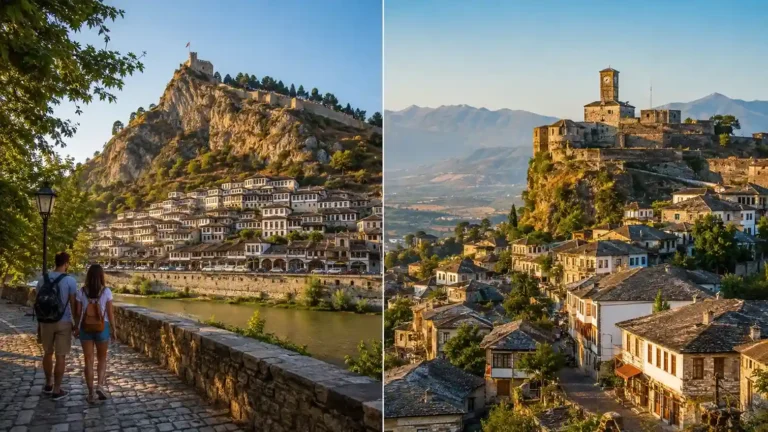
Berat is a strong second stop because its historic neighborhoods and inhabited hilltop castle are different from Tirana’s modern center. The Historic Centres of Berat and Gjirokastra form a single UNESCO World Heritage inscription, recognized for distinct forms of Ottoman-era urban and domestic architecture. You will encounter two different sides of that heritage across Days 2 and 3. The UNESCO description provides historical context for both.
The transfer and its real cost in time
By road, Tirana → Berat generally merits about two to three hours as a planning window, plus any waiting time, station transfer, luggage collection and hotel check-in. Bus passengers should verify the current Tirana intercity departure terminal, not assume that all services leave from the Skanderbeg Square area. Ask your accommodation to confirm the exact Berat bus stop and the local shuttle or taxi needed to reach the historic neighborhood.
By rental car, driving flexibility is useful but parking near narrow hill streets can be awkward. Choose accommodation with clear parking directions instead of following navigation blindly into Berat’s old lanes. On either transport mode, arriving by late morning or early afternoon gives you time for a proper visit without needing to rush onward the same day.
Mangalem, Gorica and the river
Begin in Mangalem, the neighborhood with layers of white-fronted houses climbing toward the fortress. Cross Gorica Bridge to see the town from the opposite bank and explore Gorica’s quieter streets. An hour or two of wandering, with a lunch break, is more rewarding than repeatedly jumping in a car to visit viewpoints separated by a few streets.
Next, tackle the uphill approach to Berat Castle. The site contains houses, religious monuments and lanes still used by residents; it is not simply a walled viewpoint. The stone surfaces can be slippery after rain, and summer heat makes the ascent harder than it looks on a flat map. If the climb is difficult, arrange a short taxi ride to an appropriate drop-off and walk only the parts that suit you. Confirm current entry rules for any museum or religious building you intend to enter.
If the Onufri Museum or another exhibition is high on your list, check its opening day and allow a separate visit period; do not treat all castle interiors as automatically open. The outdoor views and inhabited lanes remain worthwhile even without a paid museum entry.
An excellent Day 2: lunch around the river, a gentle Gorica walk, an unhurried castle visit, dinner and a night in Berat. Avoid returning to Tirana for sleep; that is unnecessary backtracking when Gjirokastër is next.
Day 3: Berat to Gjirokastër — Make the Bus Schedule Work
Day 3 is the transfer that most generic Albania itineraries fail to explain. The destination is absolutely worth seeing, but the Berat–Gjirokastër connection must shape the day’s sightseeing rather than being treated as a flexible shuttle you can take whenever you finish breakfast.
At the time of research, the published Gjirafa Travel Berat–Gjirokastër listing displays one reservable direct bus around 14:00, listed at approximately €11.50, with a scheduled journey of about three hours. The provider’s explanatory text also presents broader road-time estimates; use the actual date-specific service displayed at booking rather than assuming every day has frequent departures or that the journey always takes exactly three hours. More or fewer local services may exist outside what this platform sells.
Two different versions of Day 3
Without a car: enjoy a calm breakfast in Berat, possibly return to a viewpoint or visit one museum you missed, collect luggage and reach the relevant station ahead of your confirmed departure. With an afternoon direct bus, arrival in Gjirokastër is likely to be toward late afternoon or early evening. The best remaining activity is to check in, walk the Old Bazaar if practical and have dinner. Do not promise an extensive castle visit the same afternoon.
With a car: an early road departure gives you a better chance of seeing Gjirokastër’s fortress and bazaar before evening. Even so, plan a conservative travel window of roughly three to four-plus hours, adjusted for your real route, weather and stops. Avoid adding an unrelated coastal detour; tomorrow already leads to the Ionian Sea.
What to see in Gjirokastër
Known as the City of Stone, Gjirokastër is built on a hillside above the Drino Valley. Its protected townscape includes steep cobbled streets, tall traditional houses and the Old Bazaar. If you have time, visit Gjirokastër Castle for views and historic context; museum and exhibition access should be checked independently. Alternatively, visit a historic house such as the Zekate House when it is open and suitable for your walking ability.
The setting matters as much as any single attraction. Leave time to explore the junctions of bazaar streets, stop for coffee and notice how the town’s fortified housing contrasts with Berat’s different urban layout. UNESCO recognizes both towns as part of the same heritage property; avoid describing them as separate UNESCO inscriptions.
Where to sleep: the old town for atmosphere if you can manage steep stone streets and luggage, or lower down for easier taxi access. Ask the property whether a taxi can reach its entrance. A label saying “central” does not guarantee step-free arrival in Gjirokastër.
Day 4: Gjirokastër to Sarandë — History Before the Sea
This is the day to finish Gjirokastër rather than repeat the mistake of leaving a UNESCO town immediately after breakfast. If your Day 3 arrival was late, reserve the morning for Gjirokastër Castle, the bazaar and perhaps a historic house, then eat an early lunch before heading south.
Gjirokastër and Sarandë are linked by road. Published Gjirafa Gjirokastër–Sarandë schedules have shown multiple direct buses with individual tickets at about €6, and scheduled trips of roughly an hour on certain services. The same operator’s general prose gives longer estimates; mountain-road traffic, stops and your precise boarding point can change the practical journey. Check your own travel date, specific boarding station and operator, and do not rely on an unverified last departure.
Blue Eye or straight to the beach?
Blue Eye (Syri i Kaltër) is a natural spring near the road corridor between Gjirokastër and Sarandë. It is tempting to treat it as a five-minute roadside photo stop, but reaching the actual spring involves access arrangements, walking and sometimes a separate vehicle or onward connection. For travelers with a rental car and time, it can be an optional detour after a short Gjirokastër morning. Confirm park hours, any entry charge and the current access rules locally.
For bus travelers: the simplest day is a direct bus to Sarandë followed by check-in and the waterfront. Do not assume an intercity bus will wait while you hike to Blue Eye, or that a reliable second bus will be waiting when you return to the road. If Blue Eye matters, arrange a dedicated transfer with a clearly agreed pickup and luggage plan, or visit it on a separate excursion.
Sarandë arrival and an easy evening
Sarandë, on Albania’s Ionian coast, is a practical base for two nights because it has restaurants, accommodation, onward northbound buses and access to both Butrint and Ksamil. After checking in, take a waterfront walk and enjoy a relaxed dinner. A short local beach stop is plenty today. You have a free day tomorrow, and the back-to-Tirana transfer on Day 6 already demands time.
If you are considering Himarë, Dhërmi or more remote Riviera beaches, understand that they sit on different roads and will change the transfer plan. They can be excellent destinations but should not simply be appended to this Sarandë-focused itinerary as if all beaches were next door.
Day 5: Choose Butrint and Ksamil or a Full Beach Day
Your first and only full day on the coast works best when you choose a priority. Sarandë is the overnight base, not a command to rush between three different beaches. You have two sensible choices, and either is an excellent use of the day depending on the season and your interests.
Option A: Butrint archaeological park plus Ksamil
Set aside the earlier part of the day for Butrint, approximately 20 km from Sarandë. This archaeological landscape preserves remains associated with Greek, Roman, Byzantine and later phases of regional history. It is separately inscribed on the UNESCO World Heritage List, unlike the jointly inscribed historic centers of Berat and Gjirokastër. You should allow enough time to walk the archaeological route, read the site interpretation and enjoy the wooded setting rather than treating Butrint as a fast photo stop.
Plan around two to three hours on site, adjusted for heat, access and personal interest, before allowing time to get to and from the park. Bring water, sun protection and shoes suitable for uneven paths. Check opening times, ticket rules and conservation-related restrictions shortly before visiting; do not rely on a years-old entrance-fee blog post.
In the afternoon, stop at Ksamil for a beach or waterfront period. The beaches are popular and can be crowded in July and August; some loungers and beach services are charged by individual businesses. Public coastal access and privately sold beach services are not the same thing. Ask what a beach setup costs before agreeing to use it, and do not assume the pictures of empty turquoise bays reflect peak-season conditions.
From Sarandë you may be able to use local buses on the Ksamil/Butrint corridor, a taxi or your rental car. The exact bus frequency, stops and last return require local confirmation. Do not book a sunset dinner far from Sarandë unless you have a confirmed way home.
Option B: Slow coast day in Sarandë
If you are traveling with small children, have already visited several archaeological sites, or simply want a break from changing hotels, stay closer to Sarandë. Spend the morning at a beach that suits your swimming ability, keep lunch relaxed, then explore the promenade or a nearby viewpoint later in the day. The coastline is more enjoyable when you are not constantly checking the time.
This version also makes sense outside the main swimming season. Some tourist-oriented beach services operate reduced hours or close altogether, but a walk beside the water, cafés and coastal views can still make a rewarding day. Swimming conditions depend on weather, local signs and sea state; never assume the sea is calm because the forecast shows sunshine.
Evening: sleep in Sarandë for the second consecutive night and prepare for the substantial northbound transfer tomorrow. Keep your bus ticket or driving route accessible offline. If departing by intercity bus, confirm where the specific operator boards; the phrase “Sarandë bus station” can describe different meeting points.
Day 6: Sarandë Back to Tirana — Protect Your Flight
This is intentionally a transfer day, not an additional Riviera sightseeing day. Published Sarandë–Tirana bus information describes a journey averaging about five hours, with date-specific services that can change. The operator’s current reference data shows a typical fare near €17 and multiple departures, but prices and available buses must be checked for the travel date. Add time for getting from your Sarandë hotel to the correct boarding point and from Tirana’s arrival terminal to your accommodation.
The road return can be long even by rental car. Traffic, weather, summer congestion and your selected inland or coastal route all matter. The appealing idea of adding a long beach stop before departure is risky because it takes time away from a drive or bus ride that should already be prioritized.
What to do after arriving
Book a final night in Tirana, ideally at a location suited to your airport departure. If you reach the center with daylight and energy, use the evening to revisit a café, explore a street you missed on Day 1, or have a final Albanian dinner. It should be a bonus, not a promised multi-museum itinerary. The important achievement is being within manageable distance of the airport ahead of your flight.
If you rent a car, compare the costs of returning it on Day 6 against keeping it until the airport on Day 7. Confirm the rental company’s opening hours, deposit conditions, insurance excess and any after-hours return fee. Photograph the vehicle at return according to the agency’s procedure and avoid leaving the decision until the last morning.
If you must fly on Day 6: drop a coastal overnight and return north on Day 5. The original schedule assumes a Day 7 departure. If your onward flight is from Corfu rather than Tirana, that is a different open-jaw itinerary with separate ferry, port and passport logistics and should be planned from the start.
Day 7: Fly Home From Tirana
With the long intercity journey already completed, departure day becomes straightforward. Check out, arrange a licensed taxi or the airport bus and allow the airport’s recommended check-in time plus a suitable margin for road traffic. The published central airport shuttle is around the clock and hourly, but the actual stop and departure time still need rechecking.
If your flight leaves in the late afternoon or evening, enjoy a short breakfast stroll or a final museum that is confirmed open. Do not add Dajti Mountain, a day trip to Krujë or another distant outing unless the flight timing truly supports it. The safest end to seven days in Albania is one in which you reach your departure point comfortably.
How Long the Transfers Actually Take
The following are planning windows, not guarantees or live travel-time promises. The clock starts when you leave your hotel, not when the bus pulls away, so station access and waiting time need their own buffer.
| Transfer | Road/bus planning estimate | Main issue to solve |
|---|---|---|
| Tirana Airport → center | Official bus: about 30–40 min | Correct airport shuttle and stop |
| Tirana → Berat | Roughly 2–3 h on the road | Intercity departure point and Berat last mile |
| Berat → Gjirokastër | Listed bus about 3 h; allow more overall | Limited direct departures, especially without a car |
| Gjirokastër → Sarandë | Scheduled direct trips about 1–1.5 h; plan margin | Confirm actual boarding and your date |
| Sarandë → Tirana | Approximately 5–6 h plus transfers | Don’t connect directly to a flight |
| Tirana center → airport | Official bus: about 30–40 min | Flight check-in and departure buffer |
The greatest risk is Berat → Gjirokastër, because a published direct connection can be limited. The second is Sarandë → Tirana because it is long enough that a delay can erase your flight margin. Reserve transport around these two legs first; you can improvise a café visit but not a missed connection.
Can You Follow This Albania Itinerary Without a Car?
Yes, but it requires more planning than the map suggests. Direct buses exist on important sections, yet not all routes have multiple choices, and departure stops can be away from historic neighborhoods. The schedule above is intentionally designed so a public-transport traveler can use an afternoon Berat–Gjirokastër connection and still spend a useful morning in Berat.
Check the bus stations rather than just city names
Tirana uses different pickup points for intercity services and airport shuttles. The center-to-airport bus near the opera is not the same as the airport-to-intercity-terminal route. In Berat, the bus station or stop may require an additional local journey from the historic town. In Gjirokastër, the main bus stop is below the steeper old town; a hotel taxi may be worthwhile if you have a suitcase.
Use date-specific listings to check a departure, and confirm with the operator or accommodation when the route is important. Platforms do not necessarily list every local furgon, and textual summaries sometimes disagree with the booking grid. Treat the bookable service for your chosen date and named operator as more useful than a generic search-result timetable.
Which legs are best with a car?
A car makes Tirana → Berat → Gjirokastër more flexible and allows stops near Blue Eye or elsewhere on the way to Sarandë. However, it also brings parking challenges in old towns, summer congestion around the coast and rental fees. A car does not remove the long final transfer north. If you prefer not to drive, skip uncertain side trips and keep the overnight sequence intact.
For wider regional transport, our Balkans itinerary without a car explains why bus-terminal details and extra connection time matter just as much as advertised journey duration. The dedicated Tirana to Saranda bus guide covers the longer trunk route in depth.
Where to Stay: The Four Bases Compared
| Base | Nights | Area to consider | Trade-off |
|---|---|---|---|
| Tirana | 1 + 1 | Skanderbeg Square or central streets | Convenient city/airport access; check late-evening noise |
| Berat | 1 | Mangalem, Gorica or practical edge of old town | Atmosphere versus steep lanes and parking |
| Gjirokastër | 1 | Old Bazaar area or lower town | Historic guesthouses versus steep cobbles and luggage |
| Sarandë | 2 | Walkable waterfront or quieter street above | Beach access versus noise, hills and summer parking |
With short stays, look beyond a property’s nightly rate. Check whether the accommodation can store luggage before check-in, whether you can reach it by car or taxi, whether late check-in is possible, whether there is air conditioning in summer, and whether cancellation terms work with uncertain transport. There is no value in finding a cheap room if the last-mile journey takes an hour or the check-in window closes before your afternoon bus arrives.
Families: prioritize fewer stairs and easily accessible rooms, and consider dropping one town to avoid repeated packing. Budget solo travelers: a central guesthouse close to bus access can save money versus a cheap rural property requiring taxis. Drivers: ask for a pin marking the legal parking approach, especially around UNESCO historic centers.
What Will Seven Days in Albania Cost?
Albania’s currency is the Albanian lek (ALL). Euros are sometimes quoted for transport or tourism services, but that does not mean every merchant or public service will accept euros, or that an informal exchange rate will be favorable. Carry some lek for smaller expenses and use a card with transparent foreign-exchange fees when practical.
A single all-inclusive “Albania costs €X a day” estimate is misleading for this route because a July/August hotel in Ksamil or Sarandë can cost much more than a simple room in a historic inland town. The best budget starts with your six actual nights, then adds transit, meals, site tickets and a contingency.
| Cost item | Realistic planning method | Price evidence / warning |
|---|---|---|
| Lodging | Price one Tirana + one Berat + one Gjirokastër + two Sarandë + final Tirana night | Rates vary strongly by month, room and sea location |
| Intercity buses | Price each leg on its real date | Berat–Gjirokastër listed near €11.50; Gjirokastër–Sarandë near €6; Sarandë–Tirana near €17 at research time |
| Airport bus | Add an arrival and departure fare | Official center shuttle lists 400 ALL per ride |
| Car rental | Compare six or fewer days plus insurance, parking and fuel | Do not assume the advertised base rate covers everything |
| Food | Separate casual breakfast, lunch, dinner and drinks | Tourist seafront meals can differ markedly from inland bakeries |
| Tickets and activities | Check castle, museum, Butrint and beach-service costs individually | Opening rules and admission prices change |
| Contingency | Hold extra for taxis, delays or route changes | Particularly important for the Berat transfer and final return |
A budget-friendly way to avoid overspending is to choose one paid, substantial attraction per sightseeing day rather than booking tours at every stop. Buy food at bakeries or simple family-run restaurants when suitable, avoid paying for a car you barely use in Tirana, and compare the total price of a beach setup rather than just the lounger price. Any tips or gratuities are optional, not a compulsory supplement to the bill.
Best Season for the Seven-Day Southern Route
April–May: strong for Berat and Gjirokastër walking, with generally milder temperatures and fewer coastal crowds. The sea may be too cool for a swimming-focused Day 5, and some beach businesses may not be fully active. Choose Butrint or a coastal walk over promising yourself a long sun-lounger day.
June: often a useful compromise between warm-weather coastline and active sightseeing. As summer begins, book coastal accommodation before assuming walk-in bargains are available.
July–August: best for a summer beach focus but typically busiest and hottest, especially in Ksamil and around the most popular Riviera locations. Start castle visits early, carry water and allow longer for buses and roads. Cheap last-minute seaside rooms are not guaranteed.
September: often a good mix of coast and historic-town sightseeing. Some services become less frequent as the month advances; reconfirm relevant boat and beach businesses.
October–March: choose a culture-first version; the sea, seasonal attractions, daylight and occasional weather disruptions reduce the value of a beach-heavy route. A slower Tirana/Berat/Gjirokastër circuit may be the better use of a winter week.
Alternative Seven-Day Albania Route: The Alps, Not the Riviera
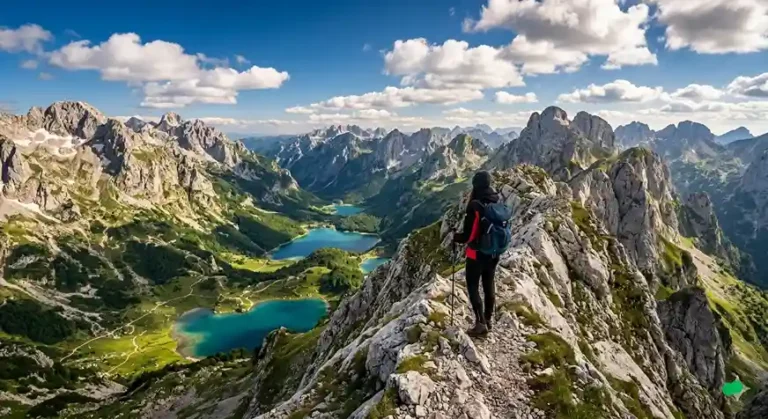
If your priority is mountains rather than swimming, do not take the southern route above and add Theth after Sarandë. The Albanian Alps are a distinct trip. Here is a more practical north-focused alternative for an arrival at and departure from Tirana, with an emphasis on Theth rather than promising the Valbona crossing to everyone.
| Day | Plan | Night | Constraint |
|---|---|---|---|
| 1 | Arrive Tirana, central walk | Tirana | Flight time dictates what fits |
| 2 | Tirana → Shkodër; town and Rozafa if time | Shkodër | Check minibus arrival and luggage plan |
| 3 | Shkodër → Theth | Theth | Book/confirm mountain shuttle and road access |
| 4 | Theth hiking day: choose suitable valley walk | Theth | Trail conditions, weather and fitness |
| 5 | A second Theth walk or slow mountain day | Theth | No obligation to cross a mountain pass |
| 6 | Theth → Shkodër → Tirana if connections allow | Tirana | Return transfers must be prearranged |
| 7 | Airport departure | — | Keep the morning free of mountain connections |
This version gives the mountain setting two full days, instead of trying to see Shkodër, Theth and Valbonë from the windows of minibuses. Check our Shkodër to Theth transport guide before selecting mountain dates. The shuttle and road are more weather-sensitive outside the main season.
What if you specifically want the Valbonë–Theth hike?
The famous Valbonë–Theth traverse is a long point-to-point hike over a high pass, not an easy short excursion from Theth. The crossing is often described at roughly 15–17 km and six to eight hours of walking, depending on start/end points and conditions. The pass can retain snow into June and is unsafe in winter or when snow, ice or storms make navigation uncertain. It requires separately planned luggage, accommodation on both sides and the Koman–Fierzë ferry/bus connection if arriving through Valbonë.
It can fit a carefully designed seven-day hiking circuit for fit travelers in appropriate season, but it replaces, rather than supplements, the gentle two-night Theth version above. See our Valbona Valley hiking and pass planning guide for route, access and safety details. Never decide to cross based only on a calendar month; ask a local operator or qualified guide about actual snow and weather shortly before departure.
The Most Common Seven-Day Albania Planning Mistakes
- Using Day 7 for both the beach and an international flight. Sarandë is too far from Tirana to treat the airport as a short hop. Return north the previous day when flying from TIA.
- Assuming Berat to Gjirokastër buses run every hour. At research time one bookable direct service appeared around 14:00. Build Day 3 around actual transport availability.
- Calling every southern beach “the Riviera” and expecting them all to sit together. Sarandë/Ksamil/Butrint makes one useful cluster; Himarë/Dhërmi requires different route choices.
- Planning a quick Blue Eye stop between scheduled buses. Access, walking and onward connections need time and a reliable luggage plan.
- Trying to squeeze in Theth and the Riviera together. Both deserve days; short holidays are better when a geographic region is omitted deliberately.
- Using old fixed rates for beaches and guesthouses. Prices vary substantially with season and exact location. Check your specific dates.
- Confusing Tirana’s airport shuttles and bus terminals. The center shuttle and intercity-terminal shuttle have different destinations and schedules.
- Scheduling museums around assumed permanent opening hours. Renovations, religious use, seasonal schedules and special events can change access.
- Overlooking steep streets and baggage. Berat and Gjirokastër look compact but have slopes and cobblestones that can slow sightseeing and luggage transfers.
- Treating a slow road as free sightseeing time. Arriving after dark usually means dinner and sleep, not a full afternoon in a historic town.
Simple Adjustments for Different Travelers
Traveling with children or limited mobility
Reduce the number of bases. A useful choice is Tirana (two nights) → Berat (one night) → Sarandë (two nights) → Tirana (one night), but this adds a longer direct transfer from Berat to the coast and means missing Gjirokastër unless planned as a deliberate stop. Alternatively retain Gjirokastër and skip the sea entirely for a less complicated week. Verify step-free room access and consider taxis up castle hills.
Traveling with no rental car
Prioritize the exact Berat–Gjirokastër bus date and the return from Sarandë to Tirana. Do not prepay nonrefundable hotel nights before those two legs make sense. A direct bus and a reliable local taxi are preferable to an invented connection involving several unexplained transfers. When schedules are inconvenient, remove an optional attraction rather than sacrificing the final airport buffer.
Traveling as a couple or keen photographer
Sleep in the historic towns instead of treating them as day-trip stopovers: evening light and quieter streets are part of the appeal. Plan castles around heat and available opening times, and leave the coast day unstructured enough to follow weather or sea conditions.
Wanting far fewer hotel changes
This particular itinerary has four bases, with Tirana visited at both ends. If packing and unpacking is your main concern, a Tirana plus Sarandë week is often preferable. Use guided or independent day trips from one base, but compare each round-trip journey carefully; a destination being reachable by car does not mean it is a relaxing bus excursion.
When to Spend More Than Seven Days
With 10 days, give Tirana another full day, add a second night in Berat or Gjirokastër, and allow more time along the southern coast. With 14 days, adding Shkodër and a properly organized northern mountain segment begins to make sense, as long as you keep return transfers realistic. Our Albania two-week itinerary follows a more ambitious loop and explains which sections demand extra planning.
If your wider trip includes Montenegro, avoid simply bolting Kotor onto the southern seven-day loop. Cross-border travel can add a long separate leg. The Albania and Montenegro itinerary compares routes designed around actual travel days, rather than assuming that one country border adds only minutes.
Final Verdict: Is Seven Days Enough for Albania?
Seven days in Albania are enough for a rewarding first trip, but not for all of Albania. The strongest decision is to select a coherent region, give every transfer its own time allowance and return near the departure airport before flying. The Tirana–Berat–Gjirokastër–Sarandë loop combines modern city life, extraordinary historic streets and a taste of the Ionian coast without pretending that the Albanian Alps can fit into the same week.
For the exact itinerary above, book six nights in this order: Tirana → Berat → Gjirokastër → Sarandë → Sarandë → Tirana. Verify the limited Berat-to-Gjirokastër connection and the longer Sarandë-to-Tirana return first. After those are secure, fit museums, a beach day, food stops and optional detours into the hours that genuinely remain. That’s how to spend more of your holiday enjoying Albania and less of it recovering from a schedule that never worked on paper.